
Soups & Stews
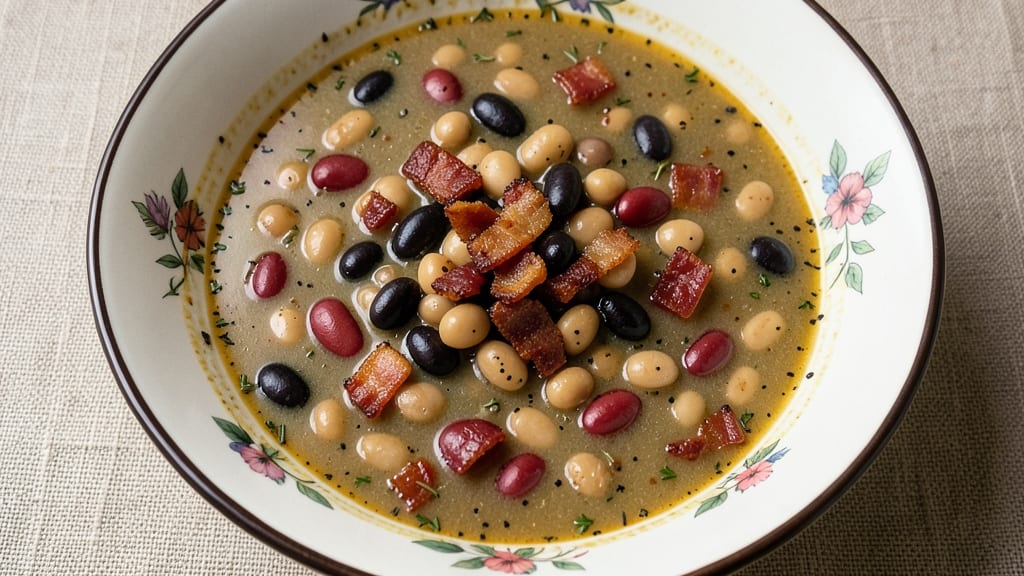
This 7 bean soup recipe from scratch delivers the kind of hearty, comforting meal that tastes like a hug in a bowl. 💛 I remember the first time I made it—my kitchen filled with the rich aroma of simmering beans and bacon, and the result was a soup so satisfying it became my family's go-to for chilly evenings. The secret lies in balancing textures and flavors through slow cooking, letting each bean variety contribute its unique character.
What makes this recipe special is the combination of seven different beans—navy, kidney, black, pinto, and more—each bringing distinct flavors and textures. I start with a simple bacon base (or vegetarian substitute) to build deep, savory notes, then let the beans simmer until tender but still holding their shape.
The key is patience; rushing the cooking process results in mushy beans and lost flavor. This soup is the kind that gets better with time, developing richer, more complex tastes as it simmers.
By the time you're done, you'll have a bowl of soup that's creamy from the beans, hearty from the bacon, and perfectly seasoned with herbs and spices. The colors and textures create a visual feast—dark kidney beans, speckled pinto beans, and creamy navy beans all swimming in a rich broth.
It's the kind of meal that disappears quickly, leaving everyone asking for seconds.
This recipe is incredibly versatile—serve it with crusty bread for dipping or alongside a green salad for a complete meal. The beauty of 7 bean soup is that it only gets better the next day, making it perfect for meal prep.
Let's get started on creating this comforting classic that will become a staple in your kitchen.
Ingredients for 7 bean soup recipe from scratch
Seven beans, one pot, endless bowls of comfort—this is your vegetarian soup game-changer.
| Ingredient | Amount | Notes |
|---|---|---|
| Vegetarian Bacon Bits 🥓 | 6 oz | Smoked or liquid smoke for flavor |
| Dried Navy Beans 🌱 | 1 cup | Rinsed before cooking |
| Dried Kidney Beans 🌱 | ½ cup | Dark red variety preferred |
| Dried Black Beans 🌱 | ½ cup | Rinsed before cooking |
| Dried Pinto Beans 🌱 | ½ cup | Rinsed before cooking |
| Dried Great Northern Beans 🌱 | ½ cup | Rinsed before cooking |
| Dried Chickpeas 🌱 | ¼ cup | Rinsed before cooking |
| Dried Lentils 🌱 | ¼ cup | Green or brown preferred |
| Yellow Onion 🧅 | 1 whole | Diced, medium size |
| Carrot 🥕 | 2 whole | Chopped into chunks |
| Celery Stalks 🧆 | 2 whole | Chopped, about 1 cup |
| Garlic Cloves 🧄 | 4 cloves | Minced for depth |
| Vegetable Broth 💧 | 6 cups | Low-sodium preferred |
| Tomato Paste 🍅 | 2 tbsp | Squeeze tube or can |
| Dried Thyme 🌿 | 1 tsp | Or 1 tbsp fresh |
| Bay Leaves 🌿 | 2 whole | Remove before serving |
| Black Peppercorns 🌶️ | ½ tsp | Freshly cracked |
| Salt 🧂 | 1 tsp | Adjust to taste |
| Olive Oil 🫒 | 2 tbsp | For sautéing |
The beans are the heart of this soup, so pick a mix of dried varieties—navy for creaminess, kidney for color, black for earthiness. Trader Joe's and Whole Foods have great bulk bins where you can mix your own. If you're short on time, canned beans work in a pinch, but they won't have the same texture. For the vegetarian bacon, Miyoko's or Lightlife brands are my go-tos—they smoke up beautifully. The key here is balance: if you're using more than one type of bean, eyeball roughly equal parts by volume. And don't skip rinsing them—they can get dusty in storage.
No thyme? Dried oregano at half the amount works in a bind, but fresh thyme is ideal. Short on vegetable broth? Water plus 1 tbsp bouillon gets you close, but you'll miss that deep flavor. The tomato paste is non-negotiable for that rich, umami base—Trader Joe's squeeze tubes are perfect because you won't waste the whole can. For the veggie mix, carrots and celery are classic, but swap in mushrooms or zucchini if you're feeling adventurous. The garlic? Freshly minced makes all the difference, but jarred works if you're in a rush (just skip the salt in the jar).
This soup only gets better as it sits—3 days in the fridge is perfect, and it freezes beautifully for up to 6 months. I like to make a double batch on Sundays so I can reheat portions all week. Store it in glass containers with a tight lid to keep the flavors locked in. For serving, I always add a drizzle of hot sauce or a sprinkle of fresh parsley—just because I can. And trust me, the leftovers? Even more delicious the next day.
Why You'll Love This Recipe
- The secret’s in the layers: crispy bacon bits add saltiness, while the beans soak up the garlic, thyme, and bay leaf until the broth is ridiculously flavorful. Honestly, the first time I tasted it, I thought, “Wait, this is better than takeout?” (Yes, even on a Tuesday night.)
- No-Soak Shortcut: I’ll be real—soaking beans for hours used to feel like a chore. This recipe skips it entirely, letting dried navy, kidney, and pinto beans soak right in the pot overnight (or even just a quick 30-minute boil). That smoky vegetarian bacon? Just toss it in dry—no pre-cooking needed.
- Umami Bomb: The secret’s in the layers: crispy bacon bits add saltiness, while the beans soak up the garlic, thyme, and bay leaf until the broth is ridiculously flavorful. Honestly, the first time I tasted it, I thought, “Wait, this is better than takeout?” (Yes, even on a Tuesday night.)
- Potluck Star: This soup doubles as a crowd-pleaser—bring it to gatherings in a big pot or portion it into jars for holiday gifts. It’s hearty enough for a chilly Sunday brunch but still light for a picnic. My in-laws always ask for the recipe after Thanksgiving.
Step-by-step instructions for hearty 7 bean soup
This soup delivers maximum flavor with minimum fuss—just follow the steps and let the beans work their magic.
🍳 Step 1: Sauté the Vegetarian Bacon and Aromatics
Heat the 2 tablespoons olive oil in a large Dutch oven over medium heat. Add the 6 oz vegetarian bacon bits and cook for 3-4 minutes until they're lightly browned and crispy. Here's the thing—don't walk away. You want that smoky flavor to develop fully.
Next, add the diced yellow onion, chopped carrots, chopped celery, and minced garlic cloves. Cook for 5-6 minutes until the vegetables soften and the garlic becomes fragrant. You'll know it's ready when the onions turn translucent and the carrots just start to soften at the edges. This foundational step builds all the flavor for your soup.
👨🍳 Step 2: Add Beans and Tomato Paste
Stir in the tomato paste and cook for 1 minute to toast it slightly—this deepens its flavor. Now add all the beans: 1 cup navy beans, 0.5 cup kidney beans, 0.5 cup black beans, 0.5 cup pinto beans, 0.5 cup great northern beans, 0.25 cup chickpeas, and 0.25 cup lentils. Give everything a good stir to coat the beans with the aromatic oil.
Pour in the 6 cups vegetable broth, then add the 1 teaspoon dried thyme, 2 whole bay leaves, 0.5 teaspoon black peppercorns, and 1 teaspoon salt. Bring to a gentle boil, then immediately reduce heat to low. The reason we reduce heat now is to prevent the beans from foaming over while they rehydrate.
⏰ Step 3: Simmer Until Beans Are Tender
Cover the pot and let the soup simmer for 45-50 minutes at a gentle bubble. Here's where patience pays off—don't peek or stir too often. Every time you lift the lid, you lose heat and moisture. After 30 minutes, check the beans for doneness by tasting a few. They should be tender but still have a slight bite—this ensures they don't turn mushy.
If the soup looks too thick after 30 minutes, add ½ cup water to loosen it. The beans will continue to absorb liquid as they cook. You're aiming for a soup that coats the back of a spoon but isn't gluey. The aroma should be rich and earthy—like a cozy hug in a bowl.
🥘 Step 4: Finish and Adjust Seasoning
Once the beans are tender, remove the 2 bay leaves and discard them. Taste the soup and adjust seasoning if needed—this is where you can really customize it to your preference. I usually add a pinch more salt or a crack of black pepper to taste. The beans should be fully hydrated, and the broth should have a deep, savory flavor from all the aromatics.
For extra richness, you could stir in 1 tablespoon nutritional yeast or a splash of lemon juice at the end. But the soup is already packed with flavor from the beans and vegetables. Let it sit off the heat for 5 minutes before serving—this allows the flavors to meld even more.
Pro Tips For Making 7 Bean Soup Recipe From Scratch
- Soak Beans Separately: I learned this the hard way—dumping all four beans in one pot to soak overnight leads to uneven texture. Navy beans and pinto beans need 8 hours; kidney and black beans? They’re stubborn and need 12. Use individual containers so your soup isn’t a mushy navy bean swamp with rock-hard kidney beans lurking in the back.
- Cook Beans in Batches: Your pot’s not a magic bean multiplier. Split the beans into two pots if you’re using more than 1 cup dry total—crowding them turns your soup into a sad, gummy mess. Start with a 1:3 bean-to-water ratio (1 cup beans, 3 cups water) and add more as they absorb. Trust me, your future self will not want to fish out split beans.
- Crisp the Bacon Bits: That vegetarian bacon tastes like cardboard if you just toss it in raw. Sear it in a dry pan for 2-3 minutes until it’s golden and slightly crisp—this adds depth that no amount of simmering later can fix. Then stir it into the soup at the very end so it doesn’t turn into soggy crumbles.
- Simmer Low and Long: This isn’t a 20-minute weeknight dinner. After the beans are tender, drop the heat to a gentle simmer (barely bubbles) and let it cook uncovered for 30-45 minutes. That’s when flavors meld and the broth thickens naturally—no need to add flour or cornstarch. Skimp on time, and you’ll end up with a watery, flavorless bean stew.
Common mistakes when making this dish
Skipping Soak Time
One of the biggest mistakes is skipping the soak for dried beans. While some varieties like lentils don't need soaking, most beans benefit from it—especially navy and black beans.
I always soak my beans for 8-12 hours (or at least 1 hour in hot water) to reduce cooking time and prevent digestive issues. The key is using enough water—4 cups per 1 cup of beans.
Skipping this step can lead to uneven cooking and a gummy texture. 🌱
Overcrowding the Pot
Using a pot that's too small forces beans to compete for space, leading to uneven cooking and potential mushiness. I always use a 6-quart Dutch oven for this recipe—it gives the beans room to expand without crowding.
If your pot looks packed, cook in batches or use a larger vessel. Overcrowding also traps steam, which can make the beans waterlogged and bland. Trust me, your soup will thank you for the extra space.
Ignoring the Bay Leaves
Bay leaves might seem insignificant, but they add subtle earthy depth that's crucial in 7 bean soup. I always include 2 whole bay leaves and remove them before serving. Skipping them means missing that aromatic backbone that ties all the flavors together.
If you forget, strain the soup through a fine-mesh sieve before serving to avoid any unpleasant textures. 🌿
Rushing the Simmer Time
Patience is everything with bean soups. I've seen many cooks cut the simmering time short to save energy, but this leads to undercooked beans that stay hard and chewy. The 45-50 minute simmer is non-negotiable—it's what transforms dried beans into tender, flavorful morsels.
If you're short on time, use pre-soaked beans and reduce the simmer to 30-35 minutes, but don't go any faster. The flavors need time to develop too.
Forgetting to Taste Test
Many recipes end with "season to taste," but I've found most home cooks skip this critical step. After simmering, always taste your soup before serving. The beans might need more salt, a splash of acid (like lemon juice), or even a pinch of sugar to balance flavors.
I keep a small bowl of kosher salt and black pepper nearby while cooking so I can adjust immediately. This simple habit elevates your soup from good to restaurant-quality. ✨
Using Low-Quality Broth
The broth is the flavor foundation of your soup, so don't skimp on quality. I always use low-sodium vegetable broth—brands like Pacific Foods or Imagine make excellent options. Homemade broth is even better if you have time.
Using water or high-sodium broth will leave your soup flat and unbalanced. The beans absorb the broth's flavor, so make it the best you can. The difference is night and day—trust me, your taste buds will notice!
Nutrition facts
Frequently asked questions
Can I substitute canned beans for dried in this recipe?
Yes, but your soup will have a slightly different texture. Use 2 (15 oz) cans of each bean variety (drained and rinsed) to replace the dried beans. Canned beans cook faster and won't need soaking, but they lack the depth of flavor developed from dried beans. For best results, combine half dried and half canned to balance convenience and texture.
How do I make this soup vegan?
Swap the vegetarian bacon for smoked tofu crumbles or mushroom bacon (sautéed mushrooms with liquid smoke). Use vegan vegetable broth and check all seasonings for hidden animal products. The tomato paste and spices are already vegan-friendly. The result will be just as hearty and flavorful!
Why do my beans turn mushy when simmering?
Overcooking is the most common cause. Beans should simmer for 45-50 minutes—no longer! Also ensure you're using enough liquid (the beans should be submerged) and avoid stirring too frequently. If using dried beans, proper soaking (8-12 hours) prevents mushiness. For extra insurance, add beans to cold broth and bring to a boil gradually.
Can I make this soup in an Instant Pot?
Sauté the bacon and veggies first, then add all ingredients except broth. Pour in 4 cups broth (beans need room to expand), secure the lid, and cook on high pressure for 15 minutes. Quick-release the pressure, then add remaining 2 cups broth if needed. The beans will be perfect—just don't skip the natural release time!
What's the best way to reheat leftovers?
Gently reheat on the stove over low heat with 1-2 tablespoons water to prevent drying. Never microwave directly—it makes beans rubbery. For best texture, reheat just until warm, then let sit for 5 minutes before serving. Leftovers actually taste better the next day as flavors meld!