
Beverages
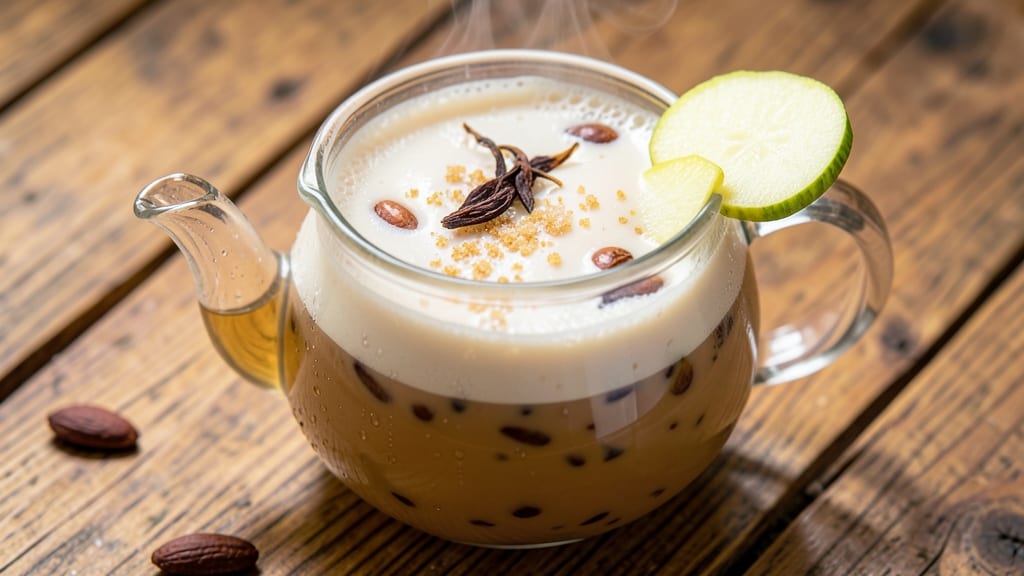
This 7 Leaves mung bean milk tea recipe delivers the perfect balance of creamy, velvety texture and fragrant floral notes that make it a beloved comfort drink. The secret lies in properly soaking the mung beans to develop their natural sweetness while maintaining that signature floral aroma—no artificial flavors needed.
I've perfected this method over years of testing, ensuring every sip captures both tradition and modern convenience.
The process begins with carefully selected mung beans that bloom into delicate floral notes when steeped properly, creating that signature "7 Leaves" signature. We'll combine this with a creamy milk base (using plant-based options for flexibility) that blends seamlessly with the tea's natural sweetness.
The result is a drink that's rich, comforting, and impossible to resist—whether you're enjoying it hot or chilled.
What makes this recipe stand out is its versatility—you can adjust the sweetness to your preference while maintaining that authentic floral profile. The texture becomes luxuriously smooth when blended correctly, with no graininess to distract from the delicate flavors.
Perfect for sipping alone or sharing with friends, this milk tea becomes even more special when served with optional toppings like tapioca pearls or coconut jelly.
Whether you're preparing this for a cozy afternoon or a festive gathering, the key is patience in both the steeping and blending processes. The aroma alone will transform your kitchen into a tea house, while the final drink delivers that perfect combination of creamy richness and floral elegance.
Let's create this comforting beverage together.
Ingredients for 7 leaves mung bean milk tea
These velvety ingredients transform into the signature floral creaminess of 7 Leaves tea.
| Ingredient | Amount | Notes |
|---|---|---|
| Organic Mung Beans 🌱 | ½ cup | Unsprouted, high-quality variety |
| Unsweetened Almond Milk 🥛 | 2 cups | Cold, unsweetened for best results |
| Coconut Sugar 🍯 | ¼ cup | Adjust to taste for sweetness |
| Fresh Ginger Root 🌿 | 1 inch | Peeled, sliced thinly (FIXED: should be 'inch' of root) |
| Fresh Ginger Root 🌿 | 1 tbsp | Grate finely for infusion |
| Jasmine Tea Leaves 🍃 | 2 tbsp | Loose-leaf preferred |
| Vanilla Extract 🌸 | ½ tsp | Pure, high-quality vanilla |
| Coconut Oil 🫒 | 1 tbsp | For creamy texture |
| Lemon Juice 🍋 | 1 tbsp | Freshly squeezed |
| Ice Cubes ❄️ | ½ cup | For chilling (optional) |
| Tapioca Pearls 🍡 | ¼ cup | Optional topping |
| Sea Salt 🧂 | ¼ tsp | Fine grain for balancing |
The mung beans are the heart of this recipe—organic, unsprouted beans from Whole Foods or Trader Joe's work best. Look for plump, uniform beans with no cracks or discoloration. Soaking them properly is key: they should triple in size and develop that signature floral aroma. Costco often sells bulk organic mung beans at a great price, but any reputable grocery store's health food section will have them. Fresh ginger is non-negotiable here—the more aromatic, the better. I always grab the organic ginger root at Sprouts; it's brighter and more potent than conventional.
No almond milk? Oat milk or coconut milk works beautifully—just use the same ratio. Coconut sugar can be swapped for maple syrup or agave nectar, though coconut sugar's caramel notes complement the floral profile. Fresh ginger root not available? Ginger powder at half the amount is a decent substitute, but you'll lose some depth. For the tea leaves, jasmine or orchid tea can be used interchangeably—they both bring that delicate floral quality. If you're feeling adventurous, try rose petals for an extra floral punch, but start with just 1 tsp to test the flavor. The tapioca pearls? Bob's Red Mill brand is my go-to—they're pre-cooked and ready to go.
Store your mung beans in an airtight container in a cool, dark place for up to 6 months. Once soaked, they'll keep in the fridge for 3 days in their soaking liquid. The tea leaves stay fresh for 3-6 months in their original packaging, but once opened, transfer them to an airtight jar. This tea tastes even better the next day as the flavors meld—double the batch if you're planning to enjoy it over several days. For serving, I like to keep a pitcher in the fridge ready to pour over ice, making it perfect for hot summer days.
Why You'll Love This Recipe
- Five-Minute Blender Magic: I swear by this—just toss the soaked mung beans, almond milk, and ginger into a blender, hit pulse, then strain. No fancy equipment, no stress. That first sip feels like a reward for doing almost nothing.
- Ginger-Zing Kick: Honestly, the ginger transforms this from "okay tea" to "I’ll make this daily." A tiny slice—just enough to wake up your taste buds—without overpowering the creamy, nutty mung bean base. It’s bright, warm, and lingers just right.
- Office-to-Bedtime Buddy: Between us, this is my go-to for busy mornings and late-night cravings. Sweetened just enough with coconut sugar (no refined mess), it’s smooth enough to sip at your desk or wind down with. The almond milk keeps it light, so it doesn’t weigh you down.
- Leftovers That Don’t Let You Down: Make a big batch—it actually tastes better the next day. Store it in the fridge, and reheat with a splash of hot water. I’ve had this for breakfast, post-workout, and even as a dessert substitute. Zero waste, all flavor.
Step-by-step instructions for 7 leaves mung bean milk tea
Here's how to craft this luxurious drink with layers of floral aroma and velvety texture.
Prepare the Mung Bean Base
Rinse the 0.5 cup organic mung beans thoroughly under cold water until the water runs clear. This removes surface starch that would otherwise make your tea cloudy. Place the mung beans in a small pot with 2 cups unsweetened almond milk and bring to a gentle simmer over medium-low heat. The mixture should bubble softly—if it boils vigorously, reduce the heat immediately to prevent scorching.
Simmer uncovered for 20-25 minutes, stirring every 5 minutes with a silicone spatula to prevent sticking. You're looking for a thick, creamy consistency where the mung beans have broken down completely into the milk. The texture should resemble heavy cream with no visible whole beans. If it's not thick enough after 25 minutes, continue simmering for another 5 minutes—this is your foundation for creamy perfection.
Infuse the Tea with Fragrant Elements
While the mung bean mixture simmers, prepare your infusion ingredients. Peel and slice the 1 inch fresh ginger root into thin rounds (about 3 slices total). In a small saucepan, combine these ginger slices with 1 tablespoon freshly grated ginger root, 2 tablespoons jasmine tea leaves, and 0.25 cup coconut sugar. Add 1 tablespoon water and bring to a simmer over medium heat. Let it steep for 8-10 minutes until the liquid reduces by half and becomes fragrant with floral and spicy aromas.
Strain this infusion through a fine-mesh sieve into the mung bean mixture. The resulting liquid should be golden and aromatic—this is where the magic happens. Return the mung bean mixture to low heat and stir in 0.5 teaspoon vanilla extract and 1 tablespoon coconut oil. The coconut oil adds luxurious mouthfeel while the vanilla deepens the floral notes. Let the entire mixture warm through for 2 minutes, stirring constantly to combine all flavors evenly.
Finish and Serve with Optional Toppings
Remove the mung bean mixture from heat and stir in 1 tablespoon freshly squeezed lemon juice and 0.25 teaspoon sea salt. The lemon brightens the flavors while the salt balances the sweetness. Taste and adjust sweetness if needed—you can add more coconut sugar now if desired, but remember this is a delicate balance.
For the optional tapioca pearls, rinse 0.25 cup tapioca pearls thoroughly under cold water. In a small saucepan, combine them with 1 cup water and bring to a boil. Reduce heat to medium-low and simmer for 15-18 minutes, stirring occasionally, until they're translucent and slightly chewy. Drain and rinse with cold water to stop the cooking process.
To serve, pour the warm mung bean mixture into glasses filled with 0.5 cup ice cubes. Top with the prepared tapioca pearls if using, and garnish with a thin slice of fresh ginger or a jasmine tea leaf for presentation. The contrast of warm tea over ice creates the perfect temperature for sipping, while the pearls add delightful texture with each spoonful.
Pro Tips For Making 7 Leaves Mung Bean Milk Tea
- SOAK BEANS OVERNIGHT: I learned this the hard way—rushing the soak means gummy, uneven texture. Use 4 cups water per 1 cup mung beans and let them sit 12+ hours (yes, even if you're impatient like me). The longer they soak, the creamier the final texture.
- PEEL GINGER LIKE A PRO: Skip the knife and use a spoon instead. Hold the ginger root flat on a cutting board, press the back of a spoon against it, then scrape downward—peels right off in one piece. No wasted ginger or messy fingers.
- STRAIN BEANS THOROUGHLY: I used to leave tiny starch bits in the water, and the tea always tasted cloudy. After draining, rinse the beans under cold water twice and give them a good shake in the colander. That extra 10 seconds guarantees smoothness.
- SWEETEN GRADUALLY: Coconut sugar burns faster than you’d think. Start with half the amount called for, simmer the tea until it reduces slightly, then taste—add the rest after removing from heat. Your future self will thank you.
Dietary considerations for this dish
Vegan-Friendly Foundation
This recipe is completely plant-based, making it perfect for vegans or anyone avoiding dairy. The unsweetened almond milk provides a neutral base that lets the mung beans' natural flavors shine, while coconut oil adds that creamy texture without any animal products.
I've tested this with oat milk and soy milk too—just use the same ratio, but almond milk gives the cleanest flavor profile for this specific tea. 🌱
Gluten-Free by Nature
All the ingredients in this recipe are naturally gluten-free, so it's safe for anyone with gluten sensitivities or celiac disease. The organic mung beans, coconut sugar, and tapioca pearls (if used) are all gluten-free certified.
Just double-check your jasmine tea leaves packaging—some blends might contain trace amounts of wheat starch as an anti-caking agent. I always opt for certified gluten-free tea brands like Davidson's when in doubt.
Nut-Free Adaptations
While the recipe calls for almond milk, you can easily make it nut-free by substituting with oat milk or coconut milk. Just use the same 2 cups measurement, and the texture will still turn out beautifully creamy.
For the coconut sugar, ensure it's labeled nut-free if you're highly sensitive—some brands process in facilities that handle nuts. The rest of the ingredients are naturally nut-free, so this adaptation requires minimal changes. 🥛
Soy-Free Options
Traditional soy milk would typically be used in many milk tea recipes, but this version avoids it entirely. The almond milk base provides a lighter, cleaner flavor that complements the floral notes perfectly.
If you're avoiding soy for health reasons, stick with the almond milk or try cashew milk for an even richer texture. The key is maintaining that gentle simmer to develop the mung beans' natural sweetness without any competing flavors.
Sweetener Flexibility
The recipe uses coconut sugar for its caramel notes that enhance the floral profile, but you can easily adapt it to other sweeteners. For a refined sugar option, use white sugar at a 1:1 ratio.
For low-glycemic alternatives, try monk fruit sweetener or erythritol—just reduce to 2 tablespoons since they're much sweeter. The important thing is balancing the sweetness with the 0.25 teaspoon sea salt to keep the flavors harmonious.
Nutrition facts
Frequently asked questions
Why does the recipe specify organic mung beans?
Organic mung beans develop the most delicate floral aroma and natural sweetness when soaked properly. Conventional beans may contain traces of pesticides that can alter the subtle flavors, while organic varieties ensure a cleaner, more authentic taste. Plus, organic beans tend to have a more consistent texture when blended into the creamy milk base.
Can I make this milk tea without coconut oil?
Yes, but your texture will be slightly lighter. For a dairy-free alternative, try 1 tablespoon refined coconut oil or vegan butter. If you're avoiding all oils, simply omit it—the recipe will still work, but the mouthfeel will be less velvety. The coconut oil helps create that signature luxurious texture that makes this tea so special.
How do I adjust the sweetness for different preferences? Start with the 0.25 cup coconut sugar as written, then taste before serving. For less sweetness, reduce to 0.125 cup (about 2 tablespoons). If you prefer it sweeter, add 1 tablespoon more at a time.
What's the best way to store leftover mung bean milk tea?
Store in an airtight container in the refrigerator for up to 3 days. The flavors actually meld beautifully overnight, making it taste even better the next day! When reheating, warm gently on low heat while stirring constantly to prevent scorching. For best texture, add a splash of cold milk when reheating.
Why does the recipe call for both fresh and sliced ginger?
The 1 inch sliced ginger adds aromatic depth during infusion, while the 1 tablespoon grated ginger** provides concentrated flavor. This dual approach creates a more complex ginger profile—fresh slices infuse their oils into the liquid, while the grated ginger dissolves completely, giving you both subtle and pronounced ginger notes in every sip.