
Soups & Stews
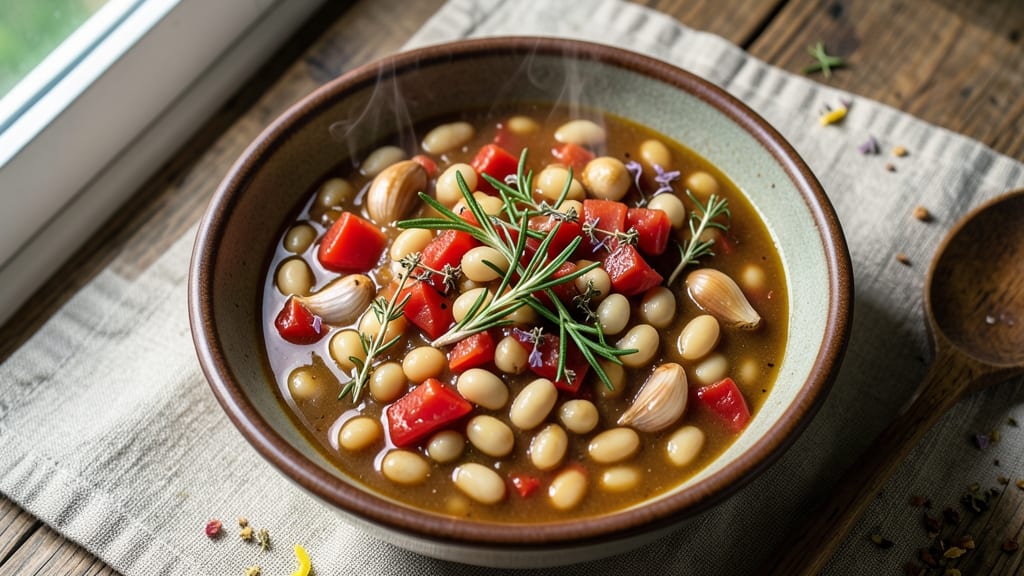
Alison Roman's white bean stew recipe transforms simple ingredients into a rich, aromatic dish that feels like a hug in a bowl. The foundation—cannellini beans, garlic, and rosemary—builds into layers of smoky depth through careful sautéing and slow simmering.
This isn’t just a stew; it’s a restaurant-worthy vegetarian main that works as effortlessly for weeknight dinners as it does for holiday gatherings.
The secret lies in the technique: sautéing garlic and rosemary until fragrant, then letting the flavors meld with tomatoes and broth before adding beans. The result is a stew with tender beans, a velvety texture, and a finish of fresh herbs that brightens every spoonful.
It’s the kind of dish that tastes better the next day, making it perfect for meal prep or leftovers.
What makes this recipe stand out is its versatility—serve it with crusty bread for dipping, pair it with roasted vegetables, or let it shine as a standalone meal. The smoky rosemary and garlic infuse the broth with warmth, while the beans provide hearty satisfaction.
This isn’t just a stew; it’s a flavor-packed centerpiece that proves vegetarian cooking can be deeply comforting.
Ready in about 45 minutes, this recipe delivers restaurant-quality results with minimal effort. The slow simmer allows flavors to develop fully, ensuring every bite is packed with aromatic richness.
Whether you’re feeding a crowd or treating yourself to a cozy meal, this white bean stew is a game-changer for any kitchen.
Ingredients for alison roman white bean stew
Transform simple pantry staples into a restaurant-worthy vegetarian stew with smoky depth and aromatic richness.
| Ingredient | Amount | Notes |
|---|---|---|
| Cannellini Beans 🌾 | 2 cups | Drained and rinsed, dried or canned |
| Garlic Cloves 🧄 | 6 cloves | Freshly minced for maximum aroma |
| Fresh Rosemary 🌿 | ¼ oz | Finely chopped, or 2 sprigs |
| Dried Thyme 🌿 | 1 tsp | Or 0.25 oz fresh thyme |
| Canned Diced Tomatoes 🍅 | 1 can | 28 oz, San Marzano preferred |
| Vegetable Broth 💧 | 4 cups | Low-sodium preferred |
| Extra-Virgin Olive Oil 🫒 | ¼ cup | For sautéing, fruity variety |
| Red Wine Vinegar 🍷 | 1 tbsp | For brightness, optional |
| Fresh Thyme 🌿 | ¼ oz | Finely chopped, for finishing |
| Salt 🧂 | 1 ½ tsp | Diamond Crystal preferred |
| Black Pepper 🌶️ | ½ tsp | Freshly cracked |
| Crusty Bread 🍞 | 1 loaf | For serving, optional |
| Parmesan Cheese 🧀 | ¼ cup | Freshly grated, for garnish |
The rosemary and garlic are the heart of this dish—freshness matters most. For rosemary, Whole Foods or specialty grocers carry the best quality, but any well-stocked supermarket will have it. Look for sprigs with vibrant green needles and no brown stems. The garlic should be plump and firm, not sprouting. If using dried thyme, Penzeys or bulk bins offer the most potent varieties. Pre-mincing your garlic and chopping herbs saves time during cooking, but do it just before sautéing to preserve flavor. For the tomatoes, San Marzano cans are worth the splurge—their sweetness and low acidity elevate the dish.
No fresh rosemary? Substitute with 1 tsp dried rosemary (use half the amount), but the flavor won't be as complex. Short on garlic? Garlic powder at 1/3 the amount works, though it lacks the depth. Vegetable broth without umami? Add 1 tsp soy sauce or 1/2 tsp miso paste to deepen the flavor. The red wine vinegar can be swapped for lemon juice, but it won't have the same smoky tang. For the beans, cannellini or great northern work best—their creamy texture holds up to slow simmering. If you're using dried beans, soak them overnight for perfect tenderness.
This stew tastes even better the next day as flavors meld—double the batch if you're planning to meal prep. Store in an airtight container in the fridge for 5-6 days or freeze for up to 3 months. For freezing, portion into individual containers to reheat just what you need. The crusty bread pairs perfectly, but any freshly baked baguette or sourdough will do. Garnish with extra herbs and Parmesan right before serving to keep it vibrant. If reheating, add a splash of water or broth to prevent drying out—gentle heat is key.
Why You'll Love This Recipe
- No-Chop Night: I swear by this one—just toss in whole garlic cloves (yes, skins and all) and let them soften in the simmer. The cannellini beans and tomatoes do all the heavy lifting while I stir once or twice. That’s my kind of cooking.
- Herb-Packed Punch: Between us, the rosemary and thyme here aren’t just garnish—they’re the stars. The rosemary leaves crisp up slightly, releasing that piney aroma, while the thyme grounds it with earthy warmth. Every spoonful tastes like a hug from a Mediterranean grandma.
- Leftovers That Beg: This stew actually improves the next day. The flavors meld into something richer, and the beans soften just enough to be creamy. I freeze half the batch because reheating it is the easiest lazy Sunday lunch—no fuss, just comfort.
- Pantry Magic: Honestly, if you’ve got beans, tomatoes, and a few herbs, you’ve got this. No fancy ingredients, no last-minute grocery runs. It’s my go-to when I’m broke or when I’m too tired to care—both times, it delivers. That’s reliable.
Step-by-step instructions for alison Roman's white bean stew
Here's the method that delivers rich, aromatic layers and perfect bean texture every time.
Sauté Aromatics Until Fragrant
Heat the 0.25 cup extra-virgin olive oil in a large Dutch oven over medium heat. Add the 6 cloves freshly minced garlic and 0.25 oz finely chopped fresh rosemary, stirring constantly for 2-3 minutes until the garlic becomes golden and fragrant. This step builds the foundation of flavor—don't rush it or the garlic will burn.
Here's the thing—minced garlic burns in seconds, but you want that sweet, nutty aroma to develop fully. Watch closely and remove from heat immediately if it starts to darken. Add the 1 tsp dried thyme and stir for another 30 seconds to toast the spices, releasing their essential oils into the oil.
Build the Stew Base
Add the 2 cups drained and rinsed cannellini beans and 1 can diced tomatoes (with juices) to the pot. Stir gently to combine, then pour in the 4 cups vegetable broth. Bring to a gentle simmer over medium-low heat, then reduce to a bare simmer—you're looking for small bubbles breaking the surface, not a rolling boil.
This low-and-slow approach prevents the beans from becoming mushy while allowing all the flavors to meld. Simmer uncovered for 20 minutes, stirring occasionally. The beans should be tender but still hold their shape—if they break apart too easily, they've been overcooked. Season with 1.5 tsp salt and 0.5 tsp freshly cracked black pepper during this time.
Develop Depth with Acid and Herbs
After 20 minutes, stir in the 1 tbsp red wine vinegar and 0.25 oz finely chopped fresh thyme. The acid brightens the dish while the fresh thyme adds a vibrant herbal note. Simmer uncovered for another 10-15 minutes until the stew has thickened slightly and the flavors have fully developed. You'll know it's ready when the liquid reduces enough to coat the back of a spoon but still remains saucy.
Taste and adjust seasoning—this is where the magic happens. The beans should be tender but still hold their shape, and the broth should be rich with garlic and rosemary aroma. If it needs more salt, add it gradually—you can always adjust, but you can't remove excess salt once it's in.
Finish and Rest Before Serving
Remove the stew from heat and let it rest for 10 minutes at room temperature. This resting period allows the flavors to settle and the beans to absorb any remaining liquid, ensuring each bite is perfectly balanced. While it rests, grate the 0.25 cup parmesan cheese for garnish.
Before serving, give the stew one final taste and adjust seasoning if needed. The beans should be tender yet still hold their shape, and the broth should be rich with garlic, rosemary, and thyme aroma. Ladle into bowls and garnish with the freshly grated parmesan. Serve with slices of crusty bread on the side to soak up every last drop of that smoky, herby broth.
Pro Tips For Making Alison Roman White Bean Stew
- CRUSH GARLIC FIRST: Alison Roman’s recipe calls for minced garlic, but I learned the hard way—raw garlic cloves in the pot taste harsh and undercooked. Pulse them in a food processor for 10 seconds, then stir immediately into the oil. The heat will cook them fast, but pre-crushing guarantees even distribution and no almond-like bite.
- SALT THE BEANS BEFORE SOAKING: If you’re using dried cannellini beans (because canned lacks texture), add 1 teaspoon salt to the soaking water. This step prevents bland beans later—salt draws out starches, which you’ll rinse away before cooking. Trust me, the difference in flavor is noticeable, even in a rich stew.
- STIR THE TOMATOES: The canned diced tomatoes often settle with the thickest bits at the bottom. Give the can a quick stir before measuring and adding—this ensures every spoonful of stew gets that concentrated tomato flavor. I used to skip this, and the first bite always felt flat.
- LOW AND SLOW AFTER BOIL: Once the stew reaches a boil, drop the heat to a gentle simmer—you should see tiny bubbles, not rolling waves. High heat breaks down the beans into mush and burns the garlic before the rosemary and thyme can infuse. This isn’t a race; let it work for 45 minutes, and the flavors will meld like a Sunday dinner.
Troubleshooting this dish
Garlic Overcooking
If your garlic burns too quickly, you’ve likely used too high heat or minced it too finely. I’ve found that medium heat and whole cloves (peeled but left intact) prevent burning while still releasing flavor.
If you must mince, work in batches and keep the heat low. For extra insurance, add garlic to cold oil and let it warm gradually—this is called the cold oil method. 🌡️
Broth Too Thin
A watery stew usually means too much liquid or not enough simmering time. First, check if you used the full 4 cups vegetable broth—sometimes cans of tomatoes add extra liquid. If needed, simmer uncovered for 10-15 extra minutes to reduce.
For a thicker texture, mash 2-3 beans directly into the pot to release starch. Stir well and simmer another 5 minutes—this works like a natural thickener.
Beans Too Mushy
Overcooked beans lose their texture from too much heat or simmering time. The fix? Reduce heat to low and add ½ cup cold water to the pot. The sudden temperature drop shocks the beans into firming up slightly.
For future attempts, aim for 20 minutes max of simmering time after adding beans. If using dried beans, soak them overnight—this ensures even tenderness without mushiness.
Lacking Depth of Flavor
If your stew tastes flat, it likely needs more aromatic development. Boost flavor by adding 1 tsp soy sauce or ½ tsp smoked paprika during the final 10 minutes of simmering. For an umami kick, stir in 1 tbsp tomato paste with the vinegar.
I also recommend toasting ½ tsp dried thyme in the oil for 30 seconds before adding other aromatics—this deepens the herbal notes significantly.
Herbs Not Shining
Fresh herbs can lose their vibrancy if added too early. Always chop them just before serving and sprinkle on top—this preserves their bright, fresh qualities. If you must add them earlier, use ½ the amount and reheat gently before serving.
For dried herbs, add them with the thyme during the initial sautéing. Remember: fresh herbs should be added last to maintain their aroma and color. 🌿
Acid Balance Issues
The red wine vinegar adds brightness, but too much can make the stew taste sharp. If it’s overly tangy, balance it with ½ tsp sugar or 1 tsp honey stirred in during the last 5 minutes of cooking.
For a smoother finish, add a pinch of salt to round out the flavors. If the stew tastes bland, increase the vinegar by ½ tsp—this enhances all the other flavors rather than overpowering them.
Nutrition facts
Frequently asked questions
Can I use dried beans instead of canned in this recipe?
Yes, but you'll need to soak them first! Use 1 cup dried cannellini beans soaked overnight in plenty of water (at least 8 hours). Drain and rinse before adding to the stew. Dried beans absorb more liquid, so you may need to add ½ cup extra broth during cooking. They'll also take longer to tenderize—simmer for 30-40 minutes after adding to the pot.
How can I make this stew spicier? Add heat with ½ tsp red pepper flakes when sautéing the garlic or stir in 1 tsp hot sauce during the final 5 minutes of simmering. For smoky depth, try ½ tsp smoked paprika with the thyme.
Can I prepare this ahead of time for meal prep?
This stew tastes even better the next day as flavors meld. Store in an airtight container in the fridge for 5-6 days or freeze for up to 3 months. For freezing, portion into individual containers. When reheating, add a splash of water or broth to prevent drying out—gentle heat on the stove works best. The texture holds up perfectly when reheated properly.
What's the best way to serve this white bean stew?
This hearty dish works perfectly as a main course with crusty bread for dipping, or as a side dish alongside roasted meats or grilled fish. For extra flair, garnish with fresh parsley and a sprinkle of Parmesan cheese. The smoky rosemary and garlic flavors pair beautifully with aged cheddar or goat cheese on the side for a vegetarian spread.
Why does my stew taste flat after cooking?
Flat flavor usually means the aromatics didn't develop enough. Try toasting the dried thyme in the oil for 30 seconds before adding garlic, and simmer uncovered to let flavors concentrate. For extra depth, add 1 tsp soy sauce or ½ tsp smoked paprika during the final 10 minutes. The key is patience—don't rush the simmering time to let all components meld properly.