
Side Dishes
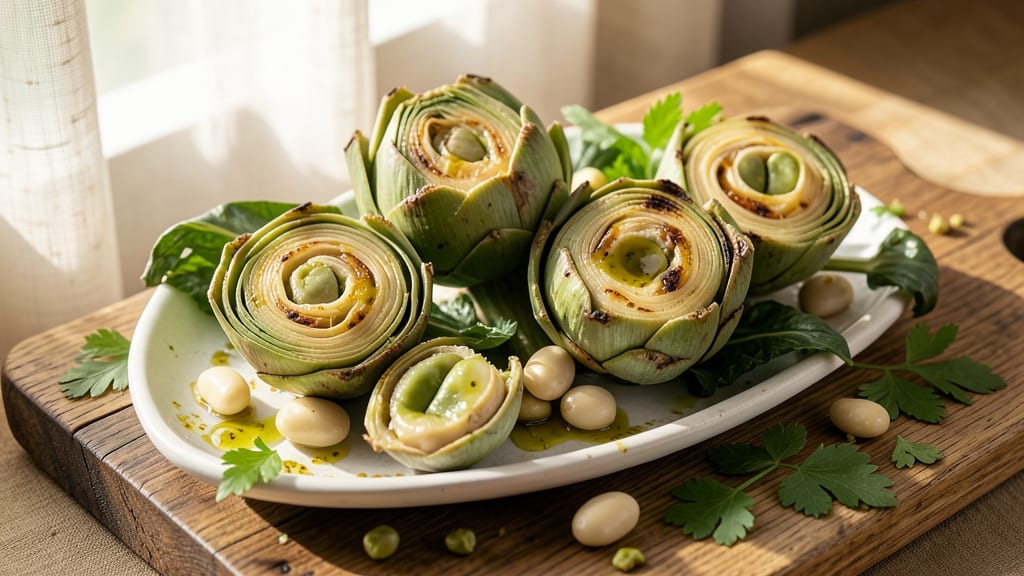
This artichoke and fava bean recipe transforms humble Mediterranean ingredients into a vibrant, textured dish that balances earthy artichokes with tender fava beans. The secret lies in roasting the artichokes until caramelized and blending fava beans into a creamy, herby spread—both techniques elevate simple ingredients into something restaurant-worthy. I developed this recipe after realizing how often we overlook these versatile vegetables in favor of more conventional sides.
The beauty of this dish is its adaptability—it works as a standalone vegetarian main or a sophisticated side for grilled meats. Roasting the artichokes brings out their natural sweetness while creating crispy edges, while the fava bean spread adds a silky, lemon-infused richness.
Mediterranean herbs like parsley and mint bridge the flavors, ensuring every bite is aromatic and cohesive. The dish comes together in under 45 minutes, making it perfect for weeknight dinners or weekend entertaining.
What sets this recipe apart is the contrast in textures: the crispy artichokes provide a satisfying crunch, while the fava bean spread offers a velvety counterpoint. The lemon zest brightens the dish, cutting through the earthiness and adding a refreshing finish.
This is the kind of recipe that feels both rustic and refined—ideal for those who appreciate the depth of Mediterranean flavors without the fuss of complicated techniques.
Pair it with crusty bread to soak up the fava bean spread or serve alongside grilled fish for a complete meal. The dish holds well at room temperature, making it perfect for potlucks or meal prep.
Whether you're a seasoned home cook or just exploring Mediterranean cuisine, this recipe delivers bold flavors and impressive results with minimal effort.
Ingredients for artichoke and fava bean
Mediterranean flavors meet vibrant textures in this artichoke and fava bean dish, transforming simple ingredients into a restaurant-worthy creation.
| Ingredient | Amount | Notes |
|---|---|---|
| Fresh Artichokes 🌿 | 4 medium | Trimmed and quartered |
| Fava Beans 🌱 | 1 ½ cups | Cooked and shelled |
| Extra-Virgin Olive Oil 🫒 | ½ cup | For roasting and blending |
| Fresh Lemon 🍋 | 1 whole | Zest and juice only |
| Fresh Parsley 🌿 | ¼ cup | Chopped finely |
| Fresh Mint Leaves 🍃 | 0.15 cup | Chopped finely |
| Garlic Cloves 🧄 | 4 cloves | Minced finely |
| Diamond Crystal Kosher Salt 🧂 | 1 ½ tsp | For seasoning |
| Ground Black Pepper 🌶️ | ½ tsp | Freshly ground |
| Crusty Bread 🍞 | 1 loaf | For serving (optional) |
| Vegetable Stock 💧 | ¼ cup | For blending fava beans |
| Toasted Pine Nuts 🥜 | ¼ cup | For garnish (optional) |
For the artichokes, look for fresh, firm ones with tightly closed leaves—they should feel heavy for their size. Whole Foods or Trader Joe's carry excellent quality, often with the stems still attached, which makes trimming easier. The fava beans should be bright green and tender when cooked; canned works in a pinch, but fresh is ideal. Toast the pine nuts in a dry pan until golden for maximum flavor—Costco or bulk bins offer the best prices. The lemon should be bright yellow with a slightly bumpy skin, indicating freshness. If using crusty bread, opt for a sourdough or baguette from a local bakery for that authentic crunch.
No fresh artichokes? Marinated artichoke hearts from a jar can substitute, though texture will differ slightly. Short on fava beans? Substitute with shelled edamame or white beans, though flavor will be less pronounced. The olive oil is non-negotiable—use a fruity, extra-virgin variety like California or Italian brands for the best flavor. For a quicker prep, pre-minced garlic works, though fresh is always preferred. The vegetable stock should be low-sodium; Pacific Foods or Imagine brands are excellent choices. If you're avoiding nuts, skip the pine nuts—the dish still shines without them.
Roasted artichokes keep well for 3 days in the fridge, though they're best enjoyed fresh. The fava bean spread can be stored in an airtight container for 4-5 days, with a thin layer of olive oil on top to preserve freshness. Freeze portions in ice cube trays for up to 3 months—perfect for quick garnishes later. The crusty bread, if pre-sliced, stays fresh for 5 days when wrapped in a cloth bag. This dish reheats beautifully; simply warm the components separately and assemble before serving to maintain texture contrast.
Why You'll Love This Recipe
- No-Fuss Ingredients: I swear by this recipe because it’s that simple—no fancy prep, just artichokes and favas tossed with olive oil and lemon. Honestly, the hardest part is trimming the artichokes, and even then, it’s just a few snips with kitchen shears.
- Earthy Lemon Zing: That bright lemon cut through the richness of the artichokes and favas like a breath of fresh air. The parsley ties it all together with a fresh, herbal finish—simple, but ridiculously satisfying.
- Lunch or Dinner Fix: I’ve served this as a light lunch with crusty bread, and it’s also been a star at dinner with grilled fish. Between us, it’s the kind of dish that works for both casual weeknights and when I’m feeding a crowd.
- Budget-Friendly Leftovers: Artichokes and favas stretch this recipe into multiple meals without breaking the bank. I’ll be real: the leftovers taste even better the next day, especially when reheated with a drizzle of olive oil and a squeeze of lemon.
Step-by-step instructions for Mediterranean herb crunch with lemon zest
This dish transforms humble ingredients into a vibrant, herb-forward spread with perfect texture contrasts.
Roast the Artichokes for Deep Flavor
Preheat your oven to 400°F. Arrange the 4 medium fresh artichokes (trimmed and quartered) on a rimmed baking sheet, cut-side down. Drizzle evenly with 2 tablespoons of the extra-virgin olive oil and sprinkle with ½ teaspoon of the diamond crystal kosher salt and ¼ teaspoon of the ground black pepper.
Roast for 25-30 minutes until the artichokes are tender when pierced with a knife and develop a golden-brown crust. The edges should be slightly charred—this adds depth to the flavor. Remove from the oven and let cool for 5 minutes before handling, as they'll be hot.
Blend the Fava Bean Base
In a food processor, combine the 1.5 cups cooked and shelled fava beans, ¼ cup vegetable stock, 2 cloves minced garlic, 1 tablespoon lemon zest, 1 tablespoon lemon juice, 1 tablespoon chopped parsley, and 1 tablespoon chopped mint leaves. Process until smooth, scraping down the sides as needed.
With the processor running, slowly drizzle in the remaining 0.33 cup extra-virgin olive oil until fully incorporated. The mixture should be creamy but still spreadable. Taste and adjust seasoning with additional diamond crystal kosher salt or ground black pepper if needed. This blend forms the velvety foundation of our dish.
Prepare the Herb Crunch Topping
In a small skillet over medium-low heat, toast the 0.25 cup toasted pine nuts for 2-3 minutes until fragrant and lightly golden. Remove from heat immediately to prevent burning. In a separate bowl, combine the remaining 2 tablespoons chopped parsley, 2 tablespoons chopped mint leaves, and 2 cloves minced garlic.
Drizzle the herb mixture with 1 tablespoon extra-virgin olive oil and toss gently to coat. Add the toasted pine nuts and mix just until combined. This topping will add texture contrast and fresh herbal notes to balance the creamy base.
Assemble and Serve
Spread the fava bean blend evenly on a serving platter or individual plates. Top with the roasted artichoke quarters, arranging them cut-side up for visual appeal. Spoon the herb crunch mixture over the top, distributing it evenly across the surface.
Finish with an additional sprinkle of lemon zest and a final drizzle of extra-virgin olive oil for brightness and richness. Serve immediately with slices of crusty bread on the side. The contrast of creamy, crunchy, and roasted elements makes this dish truly exceptional.
Optional Garnish for Presentation
For an elevated presentation, arrange the dish on a slate board or wooden cutting board. Garnish with fresh mint leaves and a few extra pine nuts around the edges. The visual contrast of the green herbs against the golden artichokes and creamy base creates an inviting presentation that matches the dish's Mediterranean inspiration.
This dish holds well for 2 hours at room temperature, making it perfect for appetizers or light meals. The flavors continue to develop as the herbs infuse into the creamy base, creating a harmonious balance of textures and tastes.
Pro Tips For Making Artichoke And Fava Bean
- TRIM FAVAS FAST: Use a paring knife to slice off the tough outer skins—don’t peel them like potatoes. The beans are delicate, so work quickly and rinse them under cold water to stop any browning while you prep the rest.
- SALT THE ARTICHOKE WATER: Toss whole artichokes into boiling salted water (like pasta water) before trimming. The salt penetrates the tough layers while they soften, making the final texture tender without extra seasoning later.
- STOP WHEN FAVAS YIELD: Test fava beans for doneness by pressing one with your thumb—it should mash easily but still hold shape. Overcooking turns them mushy, and undercooking leaves a chalky bite. Aim for 8–10 minutes in boiling water.
- ZEST THE LEMON FIRST: Grated lemon zest adds brightness without overpowering, and it’s easier to handle than squeezing juice later. Toss it in with the olive oil and parsley at the end—it’ll infuse faster and keep the dish from getting too acidic.
Common mistakes when making this dish
Over-Roasting Artichokes
Artichokes can easily dry out or burn if left in the oven too long. I’ve seen this happen when checking on them every 5 minutes—the moment they start to darken beyond golden, they’re done.
Set a timer for 25-30 minutes and resist the urge to peek. If they’re still firm after that time, give them another 5 minutes max. Over-roasted artichokes lose their tender texture and become bitter. 🌿
Undercooking Fava Beans
If your fava beans aren’t fully cooked before blending, they’ll create a grainy, unpleasant texture in the spread. Test their doneness by mashing a few between your fingers—they should be soft and smooth, not resistant.
Canned fava beans are fine, but if using fresh, simmer them in salted water for 10-15 minutes until tender. Skipping this step is the #1 reason for a lumpy, unsatisfying dip. 🌱
Skipping the Lemon Zest
Lemon zest isn’t just for flavor—it’s the secret to balancing the earthy artichokes and fava beans. Without it, the dish can taste flat or overly heavy. Always zest the lemon before juicing, and use the full 1 tablespoon of zest called for in the recipe.
If you’re short on time, a pinch of citric acid powder (½ tsp) can mimic the brightness, but fresh zest is unbeatable. 🍋
Using Low-Quality Olive Oil
Not all olive oils are created equal, and this recipe demands the best. If you use a cheap, refined oil, the fava bean spread will lack depth and richness. Stick to a high-quality extra-virgin olive oil with fruity notes—brands like California Olive Ranch or Colavita work perfectly.
The oil should be cold-pressed and labeled "extra-virgin" to ensure maximum flavor. 🫒
Ignoring the Resting Time
Freshly roasted artichokes need 5 minutes to cool before handling, or you’ll risk burning your hands and releasing steam that makes them tough. Similarly, the fava bean spread should rest for 10 minutes after blending to let the flavors meld.
Skipping these steps leads to a less cohesive dish—patience pays off here! ⏰
Over-Mixing the Herb Topping
The herb crunch topping relies on delicate textures—over-mixing after adding the pine nuts will turn it into a paste. Toss the herbs and nuts gently with just enough olive oil to coat, then stop.
The goal is a light, fragrant garnish, not a glued-together mess. If the topping looks dry, add just ½ teaspoon more oil. 🍃
Nutrition facts
Frequently asked questions
Can I make this recipe without fresh artichokes?
Use 1 (14 oz) jar of marinated artichoke hearts, drained and chopped into quarters. Drain them well and pat dry with a paper towel before roasting. The texture will be slightly softer than fresh, but the flavor remains rich and satisfying.
How do I know when fava beans are fully cooked?
Fava beans are done when they're tender and easily mashed between your fingers with minimal resistance. If using fresh beans, simmer them in salted water for 10-15 minutes until they yield completely. For canned beans, simply drain and rinse them thoroughly before blending.
Can I prepare this dish ahead of time?
Yes! Roast the artichokes and blend the fava bean spread up to 2 days in advance. Store them separately in airtight containers in the fridge. Assemble just before serving to maintain the perfect texture contrast. The flavors actually improve as the herbs infuse into the creamy base.
What's the best way to serve this dish?
This versatile recipe works as a standalone vegetarian main or elegant side. Serve with crusty bread for dipping, alongside grilled fish or chicken, or as part of a Mediterranean mezze spread. The creamy fava bean spread pairs beautifully with warm pita, flatbread, or even as a topping for avocado toast.
Why does my fava bean spread look too thick?
This usually happens when the beans aren't fully cooked or when too little oil is added. For a smoother texture, add 1-2 tablespoons more olive oil while blending. If the beans were undercooked, strain them through a fine-mesh sieve before blending to remove any skins that might contribute to thickness.