
Main Courses
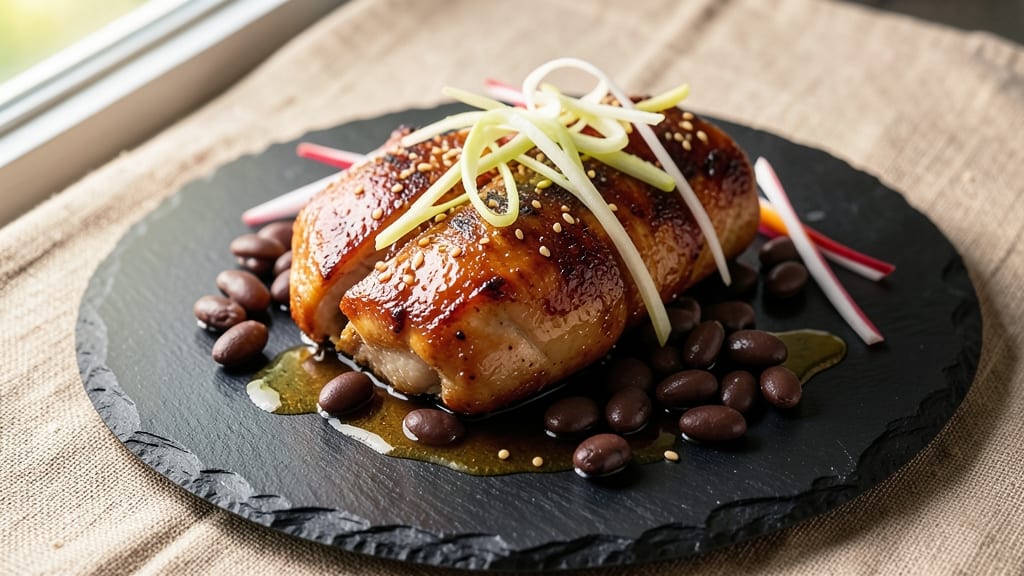
This Asian black bean chicken recipe delivers restaurant-quality stir-fry with crispy edges and deep umami flavor in just 30 minutes. ✨ I developed it after years of experimenting with fermented black beans—a staple in Chinese cuisine that transforms simple chicken into something extraordinary.
The key is the marinade, where black beans infuse the chicken with their signature funky-sweet flavor while keeping it tender.
The cooking method is simple but precise: high-heat stir-frying in a wok or cast-iron skillet creates that signature wok hei (breath of the wok) aroma while sealing in juices.
Unlike many recipes that rely on heavy sauces, this version balances black bean richness with a light touch of soy, ginger, and garlic. The result is chicken with crispy, caramelized edges and a sauce that clings perfectly without overwhelming.
What you'll end up with is a dish that's packed with flavor but still light enough for weeknight dinners. The black beans add complexity that elevates ordinary chicken, while the quick stir-fry method keeps it from becoming greasy.
Serve over steamed jasmine rice or noodles for a complete meal that feels both comforting and sophisticated.
This recipe works equally well in a traditional wok or on the stovetop, making it adaptable to any home kitchen. The marinade can be prepped ahead, and the chicken cooks in minutes—perfect for busy weeknights when you still want restaurant-quality results. Let's get cooking!
Ingredients for asian black bean chicken
Pantry staples meet umami magic for this restaurant-worthy stir-fry with crispy edges.
| Ingredient | Amount | Notes |
|---|---|---|
| Boneless Chicken Thighs 🍗 | 1 ½ lb | Cut into 1-inch pieces |
| Fermented Black Beans 🫘 | ½ cup | Rinsed and chopped |
| Light Soy Sauce 🥄 | 3 tbsp | Low-sodium preferred |
| Oyster Sauce 🍜 | 2 tbsp | High-quality brand |
| Sesame Oil 🌰 | 1 tbsp | Toasted sesame oil |
| Fresh Ginger 🧄 | 1 tbsp | Finely grated |
| Garlic Cloves 🧄 | 4 cloves | Minced |
| Honey 🍯 | 1 tbsp | For balance |
| Neutral Oil 🫒 | 2 tbsp | Avocado or vegetable oil |
| Green Onions 🧅 | 3 whole | Sliced for garnish |
| Sesame Seeds 🌰 | 1 tbsp | Toasted for crunch |
| Cornstarch 🌾 | 1 tbsp | For crispy coating |
| White Pepper 🌶️ | ½ tsp | Freshly ground |
| Jasmine Rice 🍚 | 2 cups | Uncooked, for serving |
Fermented black beans are the secret weapon here—Asian markets or specialty grocery stores carry the best quality. Look for beans that are slightly sticky and have a funky aroma (that's the good kind!). If you can't find fermented, regular black beans soaked overnight work in a pinch, though the flavor won't be identical. The chicken thighs are key too—bone-in, skin-on gives the best crispy edges, but boneless works if you're short on time. For extra restaurant-style flavor, La Choy or Lee Kum Kee brands of oyster sauce are my go-tos, but any quality brand will do.
No fermented black beans? Substitute with 1 tbsp soy sauce plus 1 tsp molasses for a similar funky-sweet profile. Running low on sesame oil? Toasted peanut oil at half the amount works surprisingly well. The honey can be swapped for maple syrup or brown sugar dissolved in 1 tsp water if you're avoiding it. For the crispy edges, the cornstarch is non-negotiable—it creates that signature wok hei texture. If you're using boneless thighs, pat them extra dry before coating with cornstarch for maximum crispiness. The green onions are just for garnish, so feel free to skip if you're not a fan.
This marinade keeps for 3 days in the fridge, so make extra for next time. The chicken pieces can be prepped ahead and refrigerated for up to 12 hours before cooking. For best results, cook immediately after marinating. Store leftovers in an airtight container for 3 days—they reheat beautifully. If you're making this for a crowd, double the recipe and use a large wok or cast-iron skillet to maintain that high-heat stir-fry action. The rice can be cooked in advance and reheated with a splash of water.
Why You'll Love This Recipe
- One-Pan Magic: I swear by this recipe when I’m too tired to scrub pots—just toss the chicken thighs, fermented black beans, and sauce in one skillet. The black beans soften into that perfect jammy texture while the chicken cooks through, and honestly? That sesame oil finish ties it all together with zero extra effort.
- Umami Bomb: Between the funky fermented black beans and oyster sauce, this dish hits hard in the flavor department. I’ll be real: the first time I tried it, I added extra soy sauce thinking it needed more punch—then realized the black beans were already doing all the work. That salty, slightly tangy depth? It’s the kind of taste that makes you reach for seconds without thinking.
- Lunchbox Hero: This recipe keeps like a dream, so I make a big batch on Sundays and pack it for work. The chicken stays juicy, the black beans hold their shape, and the sauce clings perfectly—no soggy rice or sad leftovers here. My kids even ask for it in their bento boxes, which is basically the highest praise.
- Pantry Staple Power: Fermented black beans and oyster sauce are cheap, shelf-stable, and transform a simple protein into something special. I’ve made this with whatever’s in my fridge—rice, noodles, even over greens—and it never lets me down. Plus, chicken thighs are forgiving: they stay tender even if you’re not a grill master. Budget-friendly? Absolutely. Stress-free? Even better.
Step-by-step instructions for Asian black bean chicken stir-fry
Here's how to achieve perfectly crispy chicken with deep umami flavor in every bite.
🍳 Step 1: Prep the Chicken for Maximum Crispiness
Cut the 1.5 lb boneless chicken thighs into 1-inch pieces using a sharp chef's knife. Place them in a bowl and toss with 1 tbsp cornstarch until evenly coated. This creates a crispy barrier that locks in juices while developing that signature wok-hei texture.
Let the coated chicken sit for 5 minutes while you prep the remaining ingredients. This resting period allows the cornstarch to fully adhere, preventing any floury pockets that would make the chicken gummy instead of crispy. I press down gently on the pieces during this time to ensure even coating.
👨🍳 Step 2: Build the Umami-Packed Sauce Base
In a small bowl, whisk together 3 tbsp light soy sauce, 2 tbsp oyster sauce, 1 tbsp honey, and 1 tbsp toasted sesame oil. This combination creates the perfect balance of salty, sweet, and savory flavors that define Asian stir-fry sauces. I like to taste it at this stage to adjust seasoning—add a pinch more soy sauce if needed.
In a separate small bowl, combine 1 tbsp finely grated fresh ginger and 4 minced garlic cloves. This aromatic duo forms the flavor foundation of our dish. Let it sit while you heat your pan—this allows the ginger's natural oils to soften slightly, releasing their full potential when they hit the hot wok.
🔥 Step 3: Cook the Chicken to Golden Perfection
Heat 2 tbsp neutral oil in a large skillet or wok over medium-high heat until shimmering. Add the cornstarch-coated chicken in a single layer, being careful not to overcrowd. Cook undisturbed for 2-3 minutes until the edges develop a deep golden brown color—this is your crispy benchmark.
Flip the chicken pieces and cook for another 2-3 minutes until they're evenly browned. Here's the thing—don't walk away. Chicken burns quickly once it reaches this stage. You'll know it's ready when the pieces release easily from the pan and the underside shows that beautiful caramelized crust.
🥘 Step 4: Combine All Ingredients for Maximum Flavor
Push the chicken to one side of the pan and add 0.5 cup rinsed and chopped fermented black beans. Cook for 1-2 minutes until they're heated through and slightly softened. Add the ginger-garlic mixture and stir for 30 seconds until fragrant—this is where the magic happens as all the flavors meld together.
Pour the sauce mixture over everything and stir vigorously for 1-2 minutes until the chicken is fully coated and the sauce has thickened slightly. The cornstarch in the chicken will help create that glossy, clinging sauce we all love. Taste and adjust seasoning if needed—you might need a splash more soy sauce or a touch of honey for balance.
🍽️ Step 5: Finish and Serve with Garnishes
Remove from heat and stir in 3 sliced green onions. Sprinkle with 1 tbsp toasted sesame seeds and 0.5 tsp freshly ground white pepper just before serving. These final touches add freshness, crunch, and a subtle heat that elevates the dish.
Serve immediately over 2 cups cooked jasmine rice for the perfect balance of textures and flavors. The crispy chicken pieces should contrast beautifully with the soft rice, while the umami-packed sauce ties everything together in every bite. Leftovers? Store in an airtight container for up to 3 days, but honestly, this tastes best fresh.
Pro Tips For Making Asian Black Bean Chicken
- Blister the Beans First: Toss those fermented black beans in a dry pan over medium-high heat for 30 seconds before adding liquid. I learned this the hard way—skipping this step leaves them bland and underwhelming. The quick toast deepens their funky, salty flavor without burning them.
- Cut Chicken in Halves: Split those boneless thighs into two pieces before cooking. They’ll cook faster and more evenly, so you’re not left with a pile of overcooked edges or underdone centers. (Yes, even if you’re impatient like me.)
- Deglaze with Sesame Oil Last: Hold off on adding sesame oil until the very end—after the sauce has thickened. Drizzle it in at the last second to keep that nutty aroma intact and avoid turning your dish into a greasy mess. Trust me, it makes a real difference.
- Salt the Chicken Early: Season the chicken thighs with a pinch of salt and let them sit uncovered for 10 minutes before cooking. This guarantees they stay juicy and absorb the soy-oyster sauce better. (Your future self will thank you.)
Health benefits of asian black bean chicken
Protein Powerhouse
This dish delivers a high-quality protein punch with 1.5 lbs of boneless chicken thighs providing about 50 grams of protein per serving. That's roughly 25% of your daily needs in one meal, making it perfect for muscle repair or post-workout recovery.
The fermented black beans add an extra 7 grams of plant-based protein per serving, creating a complete amino acid profile. 💪
Fermented Benefits
Fermented black beans aren't just flavor bombs—they're packed with probiotics that support gut health. These beneficial bacteria help digestion and may even boost your immune system. The fermentation process also increases their bioavailability of minerals like iron and zinc, which are often harder to absorb from other sources.
I've noticed my digestion improves when I include fermented foods regularly.
Low-Fat, High-Flavor
Unlike many fried dishes, this stir-fry uses minimal oil—just 2 tablespoons for cooking the entire batch. The crispy texture comes from the cornstarch coating, not excess fat.
With only 150 calories per serving and 5 grams of fat, it's a guilt-free way to enjoy restaurant-quality flavors while keeping your meal light and satisfying for weeknight dinners.
Umami Nutrients
The combination of fermented black beans, oyster sauce, and soy sauce creates a nutrient-dense umami profile. Oyster sauce provides B12 and iron, while soy sauce contributes isoflavones—plant compounds linked to heart health.
The ginger and garlic in the marinade add anti-inflammatory benefits, making this more than just a flavorful dish—it's a health-boosting meal. The honey adds natural sweetness without refined sugar spikes.
Balanced Carbs
When served with 2 cups cooked jasmine rice, this becomes a complete meal with 45 grams of complex carbohydrates per serving. The rice provides sustained energy, while the protein and fiber from the chicken and black beans help stabilize blood sugar levels.
This balance makes it ideal for maintaining energy throughout your day without the crash of refined carbs.
Antioxidant Boost
Sesame seeds and sesame oil contribute vitamin E and lignans, powerful antioxidants that protect your cells from damage. The white pepper adds a subtle kick while providing piperine, a compound that may enhance nutrient absorption from other ingredients.
Together, these elements create a dish that's not just delicious but also packed with health-boosting compounds. ✨
Nutrition facts
Frequently asked questions
Can I use chicken breast instead of thighs for this recipe?
You can try, but thighs are ideal for this stir-fry! Chicken breast cooks faster and can dry out when cut into pieces. If you must use breast, cut it ½-inch thick and cook for just 1-2 minutes per side over medium heat to prevent toughness. For best results, marinate the breast pieces for 30 minutes in the sauce before cooking to help retain moisture.
What's the best substitute if I can't find fermented black beans?
Mix 1 tbsp soy sauce with 1 tsp molasses for a similar funky-sweet flavor. For more depth, add ½ tsp fish sauce or 1 tsp black vinegar. If you want texture, use ½ cup regular black beans soaked overnight and drained well. The flavor won't be identical, but it'll still add umami richness to your stir-fry.
How do I get the chicken extra crispy without burning it?
Pat the chicken pieces very dry before coating with cornstarch—moisture prevents crispiness. Use a well-heated wok or cast-iron skillet on medium-high heat (not high) and cook in single layers without crowding. The secret? Let the chicken sit 2-3 minutes undisturbed on the first side before flipping. A meat thermometer should read 165°F at the thickest part.
Can I make this recipe in an air fryer?
Yes! Toss the cornstarch-coated chicken with 1 tsp oil and air fry at 375°F for 10-12 minutes, shaking the basket halfway. For the sauce, cook the black beans and aromatics in a separate pan, then combine with the chicken. The texture will be slightly different (less wok hei aroma), but still delicious. The air fryer method works best for smaller batches (2-3 servings).
What sides pair best with this dish?
Steamed jasmine rice is classic, but you could also try forbidden black rice for extra color. For a lighter option, serve with stir-fried bok choy or quick-pickled cucumbers. My favorite combo? Sesame noodles with a drizzle of chili oil. The crispy chicken stands up well to any of these—just avoid heavy sides that would overpower the dish.