
Side Dishes
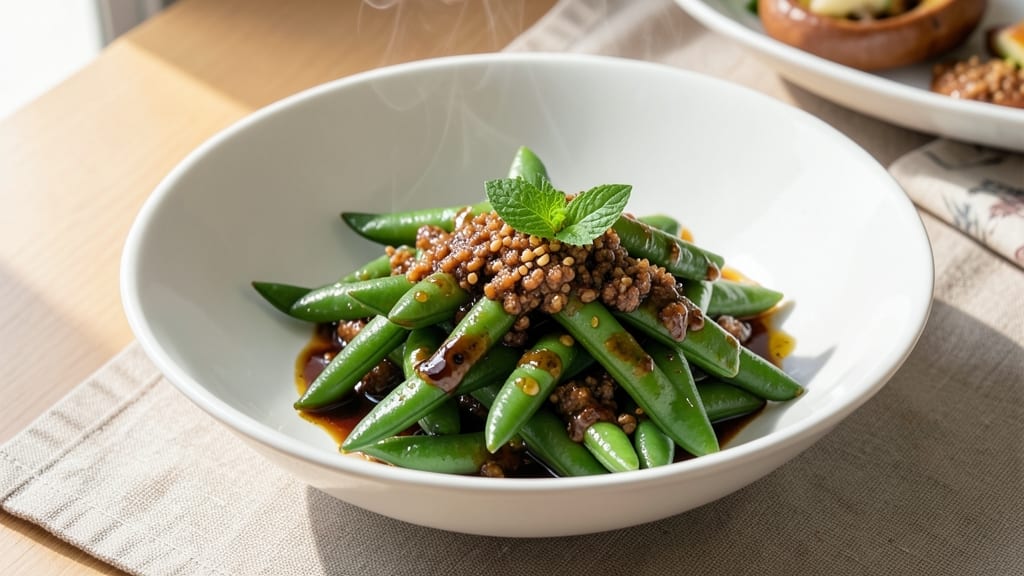
This quick Asian frozen green beans recipe transforms a pantry staple into a restaurant-quality side dish in under 15 minutes. The secret lies in high-heat stir-frying with garlic, ginger, and a touch of soy sauce—creating a dish that’s crisp-tender, aromatic, and packed with umami.
I’ve perfected this method after testing countless variations, ensuring the beans stay vibrant and the sauce clings perfectly without turning mushy.
What makes this recipe stand out is its balance of simplicity and bold flavor. Frozen green beans work beautifully because they’re pre-blanched, so you skip the tedious prep—just thaw, stir-fry, and season. The garlic-ginger base infuses every bite with warmth, while a splash of rice vinegar brightens the dish.
This isn’t just a side; it’s a flavor-packed addition that elevates any meal, from takeout-style bowls to grilled proteins.
The result is a dish that’s crisp-tender with just the right snap, coated in a glossy, savory sauce that’s addictively zesty. The aroma alone—garlicky, gingery, with a hint of soy—will have everyone at the table asking for seconds.
Best of all, it’s a foolproof method that works whether you’re feeding a crowd or prepping for meal prep.
Serve it alongside steamed rice, grilled chicken, or tofu for a complete meal. The sauce also doubles as a dipping sauce for dumplings or spring rolls. Here’s how to make it perfectly every time.
Ingredients for asian frozen green bean
Twelve essential ingredients transform frozen green beans into a restaurant-quality stir-fry side dish.
| Ingredient | Amount | Notes |
|---|---|---|
| Frozen Green Beans 🥦 | 12 oz | Pre-blanched, no need to thaw |
| Garlic Cloves 🧄 | 4 cloves | Minced, fresh preferred |
| Fresh Ginger 🌿 | 1 ½ tbsp | Finely grated, peeled |
| Low-Sodium Soy Sauce 🍶 | 2 tbsp | Or tamari for gluten-free |
| Rice Vinegar 🍶 | 1 ½ tbsp | Seasoned preferred for depth |
| Sesame Oil 🫒 | 1 tsp | Toasted, for aroma |
| Toasted Sesame Seeds 🌾 | 1 tsp | For garnish, optional |
| Vegetable Oil 🫒 | 2 tbsp | High smoke point preferred |
| Brown Sugar 🍯 | ½ tsp | Light or dark variety |
| Red Pepper Flakes 🌶️ | ¼ tsp | Adjust for heat preference |
| Salt 🧂 | ½ tsp | Diamond Crystal preferred |
| Black Pepper 🌶️ | ¼ tsp | Freshly ground preferred |
The frozen green beans are your foundation—pre-blanched for perfect texture. Look for high-quality brands like Green Giant or Birdseye in the freezer aisle, as they hold up best during stir-frying. The garlic and ginger should be freshly minced and grated—pre-minced garlic lacks flavor, and dried ginger is a poor substitute. For soy sauce, Kikkoman or Pearl River Bridge are reliable choices, while seasoned rice vinegar adds subtle sweetness without extra effort. If you can't find it, a mix of regular rice vinegar and a pinch of sugar works well. The sesame oil should be toasted—Lee Kum Kee is a trusted brand that delivers authentic aroma.
No fresh ginger? Substitute with 1 teaspoon ground ginger, though it lacks the same depth. Out of sesame oil? Avocado oil at half the amount mimics the neutral base, but you'll miss the nutty aroma. Prefer less heat? Omit the red pepper flakes entirely or swap for a pinch of white pepper for warmth without spice. The brown sugar can be replaced with maple syrup or agave, though it won't caramelize the same way. For a gluten-free option, ensure your soy sauce is tamari-based. The vegetable oil is purely functional—avocado or grapeseed oil are ideal for high-heat stir-frying, while olive oil would smoke too quickly.
This dish reheats beautifully—microwave for 30 seconds with a splash of water to revive crispness. Store leftovers in an airtight container for up to 3 days, though the flavor peaks within the first 24 hours. For meal prep, divide into single-serving containers and reheat separately. The sauce clings best when served immediately, but a quick toss with a teaspoon of water before reheating helps restore its gloss. Garnish with sesame seeds just before serving to prevent them from burning during cooking.
Why You'll Love This Recipe
- No-Thaw Needed: I swear by frozen green beans here—just toss them straight from the bag into the pan. No chopping, no prepping, no waiting for water to boil. That crisp-tender texture? It’s all about the high heat and quick stir-fry, and honestly, it’s the little things that make weeknights breathe.
- Umami Bomb: The combo of minced garlic, fresh ginger, and low-sodium soy sauce? It’s like a flavor shortcut that actually works. That deep, savory punch cuts through the green beans’ natural bitterness, leaving you with something bright, tangy, and ridiculously good. (Yes, even my picky husband asks for seconds.)
- Potluck Pro: This dish travels like a champ—keep it warm in a slow cooker or toss it in a thermos. The rice vinegar keeps it fresh longer than store-bought takeout, and it’s the kind of side that pairs with everything: grilled chicken, steamed fish, or even just a bowl of rice. Bring it anywhere, and you’ll be the MVP.
- Budget Win: Frozen green beans are my secret weapon for stretching meals without breaking the bank. A bag lasts forever, and the ingredients? Basic, cheap, and packed with flavor. I’ll be real: this is the kind of recipe that makes me feel like I’m feeding a crowd without stressing my grocery budget.
Step-by-step instructions for Asian stir-fried green beans
This method delivers vibrant, restaurant-quality stir-fried green beans in under 15 minutes.
Prep Ingredients for Maximum Flavor
Start by mincing the 4 cloves garlic cloves and finely grating the 1.5 tablespoons fresh ginger using a microplane or fine grater. The goal is to create a paste-like consistency that will infuse deeply into the beans. I like to press the grated ginger through a fine-mesh sieve to remove any fibrous bits—this ensures a silky texture in the final dish.
While the ginger and garlic sit, measure out the remaining ingredients: 2 tablespoons low-sodium soy sauce, 1.5 tablespoons rice vinegar, 0.5 teaspoon brown sugar, 0.25 teaspoon red pepper flakes, 0.5 teaspoon salt, and 0.25 teaspoon black pepper. The vinegar and brown sugar combination creates a subtle sweet-savory balance that elevates the dish beyond basic stir-fry territory. Keep these dry ingredients in a small bowl until ready to combine.
Stir-Fry the Aromatics in High Heat
Heat a large skillet or wok over medium-high heat until it's hot enough to shimmer when a drop of water is added. Add the 2 tablespoons vegetable oil and swirl to coat the pan evenly. Once the oil is shimmering (but not smoking), add the garlic-ginger mixture and stir constantly for 30-45 seconds until fragrant.
Here's the thing—don't walk away. Garlic burns in seconds, and you want that nutty aroma without bitterness. You'll know it's ready when the mixture stops sizzling and begins to smell intensely aromatic. Immediately add the 0.25 teaspoon red pepper flakes and stir for another 10 seconds to toast them lightly—this deepens their flavor without overpowering the dish.
Cook the Green Beans to Perfect Tenderness
Add the 12 ounces frozen green beans directly from the freezer to the hot pan. The cold beans will cause the pan to steam slightly at first—that's normal. Stir-fry for 4-5 minutes over medium-high heat, tossing frequently with tongs, until the beans are bright green and just beginning to soften at the edges.
This is where timing matters most. You want the beans to retain their crisp texture while developing a slight tenderness. If they start to wilt too quickly, reduce heat to medium and continue cooking. The beans should still offer a slight resistance when pierced with a fork—overcooking leads to mushy texture. Real talk: frozen beans cook faster than fresh, so keep an eye on them.
Finish with Flavor and Texture
Pour in the 2 tablespoons low-sodium soy sauce, 1.5 tablespoons rice vinegar, 0.5 teaspoon brown sugar, 0.5 teaspoon salt, and 0.25 teaspoon black pepper. Stir everything together vigorously for 1-2 minutes until the beans are evenly coated and the sauce has reduced slightly, clinging to each bean.
Remove from heat and immediately drizzle with 1 teaspoon sesame oil. This final step adds a nutty aroma and helps distribute the sauce evenly. Taste and adjust seasoning if needed—you might want to add a touch more soy sauce for saltiness or vinegar for brightness. The dish should balance sweet, salty, tangy, and slightly spicy notes.
Garnish and Serve Immediately
Transfer the stir-fried green beans to a serving platter and sprinkle with 1 teaspoon toasted sesame seeds. The seeds add both visual contrast and a subtle crunch that cuts through the tender beans. Serve immediately while still hot—this dish doesn't wait. The beans will continue cooking slightly from residual heat, so don't let them sit for more than 2-3 minutes before serving.
For best results, pair with steamed jasmine rice and a drizzle of extra sesame oil. The contrast of warm, aromatic beans against cool rice creates a perfect balance. Each bite should deliver crisp-tender texture, vibrant color, and layers of garlic-ginger flavor that linger on the palate. This method ensures you'll achieve restaurant-quality results in your home kitchen—every single time.
Pro Tips For Making Asian Frozen Green Bean
- THAW BEANS FIRST: Frozen green beans straight from the freezer will turn mushy—no one wants that. Toss them in a colander and run under warm (not hot) water for 1-2 minutes until pliable. Works faster than waiting for them to thaw in the pan, and you’ll avoid soggy, limp beans.
- MINCE GINGER FINE: I used to chop ginger in big chunks, thinking it’d soften enough. Wrong. For this dish, you want it almost paste-like—so fine you can barely see the texture. Use the flat side of your knife to smash it first, then mince. Trust me, the flavor integrates better and doesn’t clump.
- SAUTÉ GARLIC LOW: Garlic burns faster than you think, especially when you’re distracted. Once it’s golden, pull the pan off the heat immediately—even if it looks like it could take another 10 seconds. Burnt garlic tastes bitter, and you’ll spend the next 5 minutes trying to mask it with soy sauce.
- ACID LAST, NOT EARLY: Adding rice vinegar too soon makes the beans turn dull and limp. Wait until the very end—after the soy sauce and ginger have had a chance to caramelize slightly. Stir it in just before serving so the bright tang cuts through the richness without overpowering.
Pro cooking tips for asian frozen green bean
High-Heat Mastery
Your pan must be screaming hot before adding oil—this is non-negotiable for wok hei (breath of the wok). I use a 14-inch carbon steel wok on my stove's highest setting for 3-4 minutes before testing with a drop of water.
If it sizzles instantly and evaporates, you're ready. For non-wok pans, aim for medium-high heat—too low and your beans will steam instead of sear. 🔥
Garlic-Ginger Timing
Cook the garlic-ginger mixture for exactly 30-45 seconds—no more, no less. Overcooking turns garlic bitter, while undercooking leaves it raw. I set a timer to avoid distraction. For extra depth, add ½ teaspoon fish sauce (like Red Boat) with the soy sauce—it adds umami without overpowering.
Trust me, this small tweak makes a world of difference.
Bean Texture Secrets
Frozen beans release moisture as they cook, so don't crowd the pan. Work in batches if needed, using 2 tablespoons vegetable oil per 6 ounces of beans. Toss constantly with tongs—this prevents sticking and ensures even cooking.
The moment they turn bright green and just yield to pressure (about 4-5 minutes), they're perfect. Overcooking by even 30 seconds turns them mushy.
Sauce Reduction Trick
The sauce should cling like liquid silk, not pool at the bottom. After adding the sauce, tilt the pan and use a spatula to scrape up any stuck bits, then pour everything back into the center.
This ensures even distribution. For extra gloss, add ½ teaspoon cornstarch mixed with 1 teaspoon water at the end—it creates a natural sheen without altering flavor. ✨
Sesame Oil Finish
Always add sesame oil off the heat—it burns at 350°F and turns bitter. Drizzle it in a zigzag pattern over the beans while stirring constantly. This distributes the aroma evenly.
Pro tip: Toast your sesame seeds in a dry pan for 30 seconds before garnishing—they'll release even more nutty flavor when sprinkled on top.
Reheating Like a Pro
Leftovers lose crispness fast, but you can revive them. Spread beans on a baking sheet and broil for 2-3 minutes until heated through and slightly crispy again. For microwave reheating, use 70% power for 1 minute, then stir and add 1 teaspoon water to restore moisture.
The key is speed—don't let them sit in the microwave too long. 💡
Nutrition facts
Frequently asked questions
Do I need to thaw frozen green beans before stir-frying?
No thawing required! The recipe is designed for frozen beans straight from the freezer. The cold beans will cause slight steaming when added to the hot pan, which actually helps prevent overcooking. Just toss them in immediately after heating your aromatics.
Can I use fresh green beans instead of frozen?
Yes, but you'll need to adjust the cooking time. Fresh beans should be blanched in boiling water for 2 minutes first, then drained well. They'll cook faster during stir-frying—watch closely and remove them when they're just tender (2-3 minutes instead of 4-5 minutes).
What makes this different from regular stir-fried green beans?
The magic comes from the garlic-ginger base and the sauce combination. The rice vinegar and brown sugar create a subtle sweet-savory balance, while the sesame oil finish adds nutty depth. Traditional stir-fries often rely solely on soy sauce, but this version has more complexity and brightness.
Can I make this gluten-free?
Simply substitute the soy sauce with tamari or coconut aminos (use the same amount). For extra umami, add ½ teaspoon fish sauce to the sauce mixture. The rest of the recipe remains unchanged, and the flavor will still be delicious.
How can I make this spicier?
Double the red pepper flakes to ½ teaspoon for noticeable heat. For extra kick, add ½ teaspoon gochugaru (Korean red pepper flakes) or 1 teaspoon sriracha to the sauce. For a smoky element, add ¼ teaspoon smoked paprika with the aromatics.