
Soups & Stews
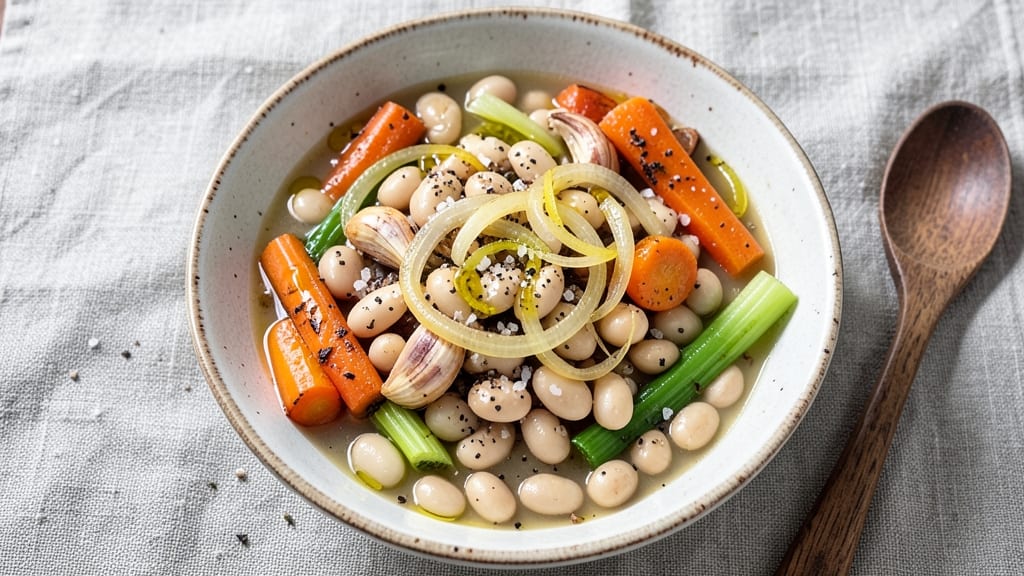
This basic bean soup recipe delivers the kind of hearty, savory comfort that warms you from the inside out—perfect for chilly evenings or when you crave something nourishing and simple. The secret lies in slow-simmered beans, aromatic vegetables, and a well-balanced broth that builds rich, satisfying flavor with minimal effort.
I’ve perfected this version to be both traditional and adaptable, whether you’re using a stovetop, Instant Pot, or pressure cooker.
What sets this bean soup apart is its versatility—you can use white beans, lentils, or a mix of your favorite varieties, all simmered until tender in a fragrant broth infused with garlic, onions, and herbs.
The vegetables add texture and depth, while a touch of acidity from tomato or vinegar brightens the dish. It’s the kind of soup that tastes even better the next day, making it ideal for meal prep or feeding a crowd.
The result is a hearty, protein-rich soup with a thick, velvety texture and layers of flavor that come together effortlessly. Each spoonful delivers the comforting warmth of simmered beans, the earthiness of vegetables, and the subtle tang of herbs—all in a bowl that’s as nourishing as it is delicious.
This recipe proves that simple ingredients can create something truly special when given time to meld.
Whether you’re looking for a quick weeknight dinner or a make-ahead meal for busy days, this bean soup delivers restaurant-quality comfort without the fuss. Ready in just 30 minutes with minimal prep, it’s the perfect balance of tradition and convenience. Let’s get started—your taste buds (and leftovers) will thank you.
Ingredients for basic bean soup
Pantry staples and fresh vegetables transform into hearty, comforting bean soup in 30 minutes.
| Ingredient | Amount | Notes |
|---|---|---|
| Dried White Beans 🫘 | 1 ½ cups | Unsoaked, any variety (cannellini, navy) |
| Yellow Onion 🧅 | 1 whole | Medium, diced finely |
| Garlic Cloves 🧄 | 4 cloves | Fresh, minced finely |
| Carrots 🥕 | 2 medium | Peeled, chopped into small pieces |
| Celery Stalks 🌿 | 2 whole | Fresh, chopped into small pieces |
| Extra-Virgin Olive Oil 🫒 | ¼ cup | For sautéing vegetables |
| Vegetable Broth 💧 | 4 cups | Low-sodium preferred |
| Dried Thyme 🌿 | 1 tsp | Or 1 tbsp fresh thyme leaves |
| Bay Leaves 🌿 | 2 whole | Fresh or dried |
| Tomato Paste 🍅 | 2 tbsp | Smooth, not chunky |
| Red Wine Vinegar 🍷 | 1 tbsp | For brightness |
| Salt 🧂 | 1 ½ tsp | Kosher or sea salt |
| Black Pepper 🌶️ | ½ tsp | Freshly ground |
| Fresh Parsley 🌿 | ¼ cup | Chopped, for garnish |
The beans are the star—dried works best (no soaking needed), but canned is a shortcut if you're in a rush. Trader Joe's has the best-priced dried beans in bulk, and I always grab a few extra bags. For the vegetables, fresh is ideal, but frozen carrots and celery (thawed) work in a pinch. The onion and garlic should be finely minced—this builds the flavor base. If you're using canned beans, drain and rinse them well to avoid a watery soup. The broth matters too—low-sodium vegetable broth keeps things balanced, but you can use water with bouillon cubes if needed.
No thyme? Dried oregano at half the amount works in a bind, though fresh thyme has more depth. Short on carrots? Sweet potatoes or butternut squash add natural sweetness and thickness. The tomato paste can be skipped if you're avoiding umami, but I find it adds a rich, savory backbone—just stir it in well. For the vinegar, lemon juice or apple cider vinegar are great swaps. If you're using an Instant Pot, skip the pre-sautéing step—just add everything at once. The soup thickens as it cooks, so don’t worry if it looks thin at first.
This soup tastes even better the next day—plan to make extra. Store leftovers in the fridge for up to 5 days or freeze for 3 months (portion into containers first). For reheating, add a splash of water or broth to loosen it up. The parsley is optional but adds a bright, fresh finish—toss it in at the end. If you're meal prepping, this soup holds up beautifully. Double the recipe and freeze half for lazy days. The flavors only deepen over time, so don’t rush it.
Why You'll Love This Recipe
- Here’s what sold me: the garlic and onions caramelize into this rich, savory base that makes the soup taste like it’s been simmering for hours. The beans soak up all that flavor, turning soft but never mushy—just tender perfection with every spoonful.
- Foolproof Pantry Staples: I swear by this recipe because it never fails—no fancy ingredients, just dried beans and whatever’s lurking in my fridge. Soak overnight, toss in the pot with onions, carrots, and celery, and let it simmer. That’s it. No stress, no shopping list panic.
- Garlic-Kissed Depth: Here’s what sold me: the garlic and onions caramelize into this rich, savory base that makes the soup taste like it’s been simmering for hours. The beans soak up all that flavor, turning soft but never mushy—just tender perfection with every spoonful.
- Leftovers That Beg: This soup actually gets better the next day. I make a big batch on Sundays, and by Wednesday, it’s the only thing anyone wants. The flavors meld, the broth thickens just right, and it reheats like a dream—no sad, watery leftovers here.
Step-by-step instructions for savory simmered comfort
Here's how to transform simple ingredients into a hearty, flavorful bean soup that warms you from the inside out.
Soak the Beans for Maximum Tenderness
Place the 1.5 cups dried white beans in a large bowl and cover them with plenty of cold water—at least 3 inches above the beans. I like to add 1 teaspoon salt to the soaking water to help prevent gas later. Let them soak overnight, or at minimum 8 hours—this ensures they cook evenly and become incredibly tender. The longer they soak, the more flavor they'll absorb during cooking.
Before using, drain and rinse the beans thoroughly under cold water. This removes any impurities and prevents the soup from becoming cloudy. I always give them a good shake in the colander to remove excess moisture, which helps them cook faster and more evenly in the pot.
Sauté the Aromatic Vegetables
Heat the 0.25 cup extra-virgin olive oil in a large pot over medium heat. Add the diced yellow onion, chopped carrots, and chopped celery stalks all at once. Cook for 8-10 minutes, stirring occasionally, until the vegetables soften and the onion becomes translucent. This foundational step builds the soup's flavor base.
After the vegetables have softened, add the minced garlic cloves and cook for another 1 minute until fragrant. Be careful not to let the garlic burn—it should smell sweet and inviting, not bitter. This is where the soup's depth of flavor begins to develop, so take your time and don't rush this step.
Build the Flavor Foundation
Stir in the 2 tablespoons tomato paste and cook for 2 minutes, allowing it to darken slightly and blend with the vegetables. This step deepens the soup's color and adds a subtle sweetness that balances the earthy flavors. Next, add the 1 teaspoon dried thyme, 2 whole bay leaves, and remaining 1 teaspoon salt and 0.5 teaspoon black pepper.
Pour in the 4 cups vegetable broth and bring everything to a gentle boil. This is when the soup begins to come together. Once boiling, reduce the heat to medium-low and add the drained beans. The liquid should just barely cover the beans—if it's too low, add a bit more broth or water. This ensures even cooking and prevents the beans from sticking to the bottom.
Simmer Until Beans Are Tender
Cover the pot and let the soup simmer gently for 45-60 minutes, stirring occasionally to prevent the beans from sticking. You'll know it's ready when the beans are fork-tender—they should collapse easily under gentle pressure but still hold their shape. The soup should have a thick, hearty consistency with the vegetables breaking down slightly.
If the soup becomes too thick during cooking, add a bit more broth or water to reach your preferred consistency. I like to taste as I go, adjusting the seasoning if needed. The beans should be fully tender but not mushy, and the vegetables should be soft enough to eat with a spoon but still recognizable.
Finish and Serve with Freshness
Once the beans are tender, stir in the 1 tablespoon red wine vinegar. This adds a bright, tangy note that cuts through the richness of the beans and vegetables. Remove the bay leaves and adjust the seasoning with more salt or pepper if needed. The soup should be well-seasoned but not overpowering.
Ladle the soup into bowls and garnish each serving with 0.25 cup chopped fresh parsley. The parsley adds a fresh, vibrant finish that makes the soup feel complete. Serve immediately with crusty bread or over a bed of greens for a satisfying meal that delivers on comfort in every spoonful.
Pro Tips For Making Basic Bean Soup
- SOAK BEANS OVERNIGHT: Dried beans are stubborn—skimp on soaking time and they’ll stay rock-hard. Toss them in cold water with a splash of vinegar (yes, even white) the night before, and they’ll soften perfectly. No time? At least do a 2-hour hot soak with a pinch of baking soda to break them down faster.
- SWEEP THE POT: After draining soaked beans, give the pot a quick wipe with a damp paper towel before adding fresh water. Stale bean water left behind makes the new batch taste flat and metallic—trust me, you’ll notice the difference.
- CHAR THE AROMATICS: Don’t just chop onions, garlic, carrots, and celery—cook them until they’re deep golden and slightly sticky. Five minutes over medium heat with a pinch of salt brings out their natural sweetness and builds flavor. Rushed? You’ll end up with a soup that tastes like boiled vegetables.
- SALT IN STAGES: Add salt gradually: a little when soaking the beans, more when sweating the veggies, and the rest at the end. Over-salting early makes the beans tough, and under-salting later leaves the soup bland. Taste as you go—your tongue is the best tool.
Best sauces and condiments for this basic bean soup
Creamy Garlic Sauce
For a velvety texture, stir in ½ cup coconut milk or ¼ cup cashew cream during the final 5 minutes of simmering. This adds richness without dairy, balancing the earthy beans beautifully.
I like to blend ½ cup of the soup with ¼ cup unsweetened almond milk and a pinch of salt, then stir it back in for an ultra-smooth finish. 🥄
Spicy Chili Oil
Add depth with 1 tablespoon chili oil (store-bought or homemade) at the end. Heat ¼ cup neutral oil with 1 tsp crushed red pepper flakes and 1 tsp gochujang until fragrant, then drizzle over individual servings.
The smoky-spicy kick cuts through the beans' heartiness while adding visual appeal. Keep extra on hand for future soups!
Herb-Infused Olive Oil
Brighten the soup with 2 tablespoons herb-infused olive oil made by steeping 1 tbsp fresh rosemary and 1 tbsp fresh thyme in ½ cup olive oil for 2 hours. Drizzle over finished soup or use it for sautéing vegetables.
The herbal notes elevate the dish without overpowering the beans' natural flavor. Store leftovers in the fridge for up to 2 weeks. 🌿
Lemon-Tahini Dressing
For a tangy contrast, whisk together 2 tbsp tahini, 2 tbsp lemon juice, 1 tbsp maple syrup, and 2 tbsp water until smooth. Drizzle over servings or mix directly into the soup during the last 5 minutes of cooking.
This Middle Eastern-inspired touch adds a nutty, creamy dimension that pairs perfectly with the beans' earthiness.
Smoked Paprika Finish
Boost the soup's depth with 1 teaspoon smoked paprika stirred in during the final 10 minutes of cooking. For extra smokiness, add ½ teaspoon liquid smoke (just a drop!) to the broth. This technique mimics traditional smoked bean dishes and adds a subtle, woodsy character that feels restaurant-quality. 🔥
Creamy Avocado Swirl
For a fresh, creamy topping, blend ½ ripe avocado, 2 tbsp Greek yogurt, 1 tbsp lime juice, and salt to taste until smooth. Swirl spoonfuls into each bowl before serving.
The avocado's healthy fats complement the beans' protein, creating a satisfying, balanced bite. This works especially well with chilled soup or as a garnish for extra richness.
Nutrition facts
Frequently asked questions
Can I use canned beans instead of dried?
For convenience, swap 1.5 cups dried beans for 2 (15 oz) cans of drained white beans. Just rinse them well to remove excess sodium. The texture will be slightly softer, but the flavor stays rich. If using canned, reduce simmering time to 20-30 minutes since they're pre-cooked.
How do I make this soup thicker or thinner?
For a thicker soup, simmer uncovered for 10-15 minutes to reduce the liquid. Add 1 tbsp cornstarch mixed with 2 tbsp water and stir in during the last 5 minutes. For thinner soup, simply add ½ cup vegetable broth or water while heating. The recipe naturally thickens as it cools, so adjust while warm.
What if I don't have red wine vinegar?
No problem! Substitute with 1 tbsp lemon juice or 1 tsp apple cider vinegar for brightness. If avoiding acidity, skip it entirely—the soup will still be delicious, just slightly less tangy. The vinegar primarily balances the earthy bean flavors, so these swaps work beautifully.
Can I make this in an Instant Pot?
Yes! Sauté the onion, carrots, and celery for 3 minutes***, then add garlic, tomato paste, thyme, bay leaves, broth, and beans. Seal and cook on high pressure for 12 minutes, then quick-release. Finish with vinegar and parsley. The pressure cooker cuts time to just 20 minutes total!
Why do my beans turn mushy?
Overcooking or using old dried beans causes mushiness. Always soak beans 8+ hours (or overnight) and check tenderness at 45 minutes. If using canned beans, reduce simmer time to 15-20 minutes. For extra protection, add ½ tsp baking soda to the pot—it helps maintain texture while keeping flavors intact.