
Sauces & Condiments
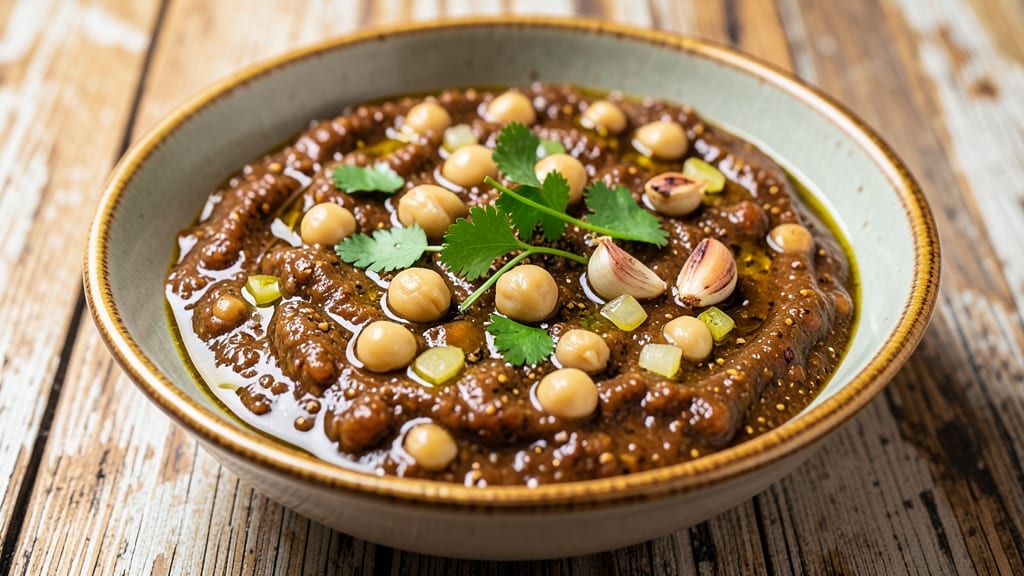
This bean chutney recipe transforms simple ingredients into a vibrant, multi-purpose condiment that elevates everything from sandwiches to curries. The secret lies in balancing earthy chickpeas with aromatic spices like cumin and coriander, creating a smooth yet complex sauce that’s both bold and versatile.
Perfect for those who love bold flavors without the fuss of complicated recipes, this chutney comes together in under 30 minutes and keeps well for days.
What makes this recipe stand out is its adaptability—use it as a dip for fresh vegetables, a spread for toast, or a flavor enhancer in curries and stews. The blend of spices and herbs delivers a perfect balance of heat, tang, and freshness, while the chickpeas add a satisfying texture.
Unlike store-bought versions, this homemade chutney is free from preservatives and packed with real, vibrant flavors that deepen as it sits.
The process is straightforward: sauté spices until fragrant, add cooked chickpeas and herbs, then blend until smooth or leave slightly chunky for added texture. A quick simmer ensures the flavors meld together seamlessly, and a splash of lemon juice brightens the finish.
The result is a restaurant-quality condiment that’s simple enough for weeknight meals but impressive enough for dinner guests.
Store it in the fridge for up to a week, or freeze for longer shelf life—this chutney only gets better with time as the flavors develop. Whether you’re a seasoned cook or just starting out, this recipe delivers professional results with minimal effort. Let’s get blending!
Ingredients for bean chutney
Simple ingredients blend into a restaurant-quality chutney with bold, aromatic flavors perfect for curries and dips.
| Ingredient | Amount | Notes |
|---|---|---|
| Cooked Chickpeas 🌾 | 1 ½ cups | Drained and rinsed well |
| Extra-Virgin Olive Oil 🫒 | ¼ cup | High quality, fruity |
| Yellow Onion 🧅 | 1 whole | Finely chopped, vibrant color |
| Garlic Cloves 🧄 | 4 cloves | Peeled, minced finely |
| Ground Cumin 🌿 | 1 tbsp | Freshly toasted preferred |
| Ground Coriander 🌿 | 1 tbsp | Freshly ground preferred |
| Turmeric Powder 🌶️ | ½ tsp | Bright yellow color |
| Red Chili Powder 🔥 | ½ tsp | Adjust for heat preference |
| Fresh Cilantro 🌿 | ¼ cup | Stems removed, chopped |
| Fresh Lemon Juice 🍋 | 2 tbsp | Freshly squeezed |
| Water 💧 | ½ cup | Room temperature |
| Salt 🧂 | ½ tsp | Adjust to taste |
The chickpeas are the heart of this chutney—canned chickpeas work fine, but for deeper flavor, use dried and cook them from scratch. Trader Joe's carries excellent canned chickpeas, but any brand with no added salt is fine. Look for vibrant yellow onions with no bruising, and fresh garlic that smells pungent. The spices should be freshly ground or toasted—Penzeys or bulk bins at natural food stores are great sources. For the cilantro, I always grab extra since it wilts fast, and the stems add great flavor when chopped finely.
No fresh cilantro? Dried cilantro at half the amount works in a pinch, though it lacks brightness. Short on lemon juice? Lime juice is a great swap, but the flavor shifts slightly. Want more heat? Add a pinch of cayenne or a dash of hot sauce. The olive oil should be high quality—extra-virgin with fruity notes makes all the difference. If you're making a large batch, double the spices and store them in airtight containers to keep them potent for future use.
This chutney tastes even better the next day as the flavors meld together. Store it in an airtight jar in the fridge for up to 7 days, or freeze for 3 months. For longer storage, portion into ice cube trays before freezing—perfect for single servings. The texture thickens as it sits, so stir in a splash of water if it becomes too dense. Always taste before serving and adjust salt or lemon as needed.
Why You'll Love This Recipe
- Pantry Magic: I swear by this one—no fresh herbs, no fancy prep. Just chickpeas you’ve got simmering, onions that take two minutes to dice, and garlic that actually does the work.
- Garlic Bomb: That raw garlic sizzling in olive oil? It’s the star. The cumin deepens it all, but honestly, the first bite of that crispy-onion, garlicky, slightly smoky bean mash is what makes me reach for seconds.
- Weeknight Swiss Army: Dip for chips, spread on toast, stir into scrambled eggs—it’s my secret weapon. I’ll be real: my lazy Sunday mornings wouldn’t survive without it lurking in the fridge.
- Budget Powerhouse: Chickpeas last forever, onions are cheap, and cumin costs pennies. This chutney stretches across meals, feeds the whole family, and still tastes like you slaved over it. (Spoiler: I didn’t.)
Step-by-step instructions for bean chutney
This vibrant chutney delivers bold, aromatic depth perfect for curries or as a standalone dip.
Sauté Aromatics in Olive Oil
Heat the 0.25 cup extra-virgin olive oil in a medium saucepan over medium heat. Add the 1 whole yellow onion and cook for 5-6 minutes until softened and translucent. The onion should release its natural sweetness without browning.
Add the 4 cloves garlic cloves and cook for another 1-2 minutes until fragrant—you'll know it's ready when the kitchen fills with that unmistakable garlic aroma. This foundational step builds the chutney's flavor base, so don't rush it. If the garlic starts to brown too quickly, reduce the heat slightly to prevent bitterness.
Toast Spices for Maximum Flavor
Stir in the 1 tablespoon ground cumin and 1 tablespoon ground coriander, cooking for 30 seconds until the spices become slightly aromatic. The cumin will darken slightly, releasing its earthy warmth, while the coriander adds a citrusy brightness.
Add the 0.5 teaspoon turmeric powder and 0.5 teaspoon red chili powder, stirring constantly for 20 seconds to distribute the spices evenly. This quick toasting step enhances their flavors without burning them. The mixture should smell rich and complex—like a warm spice market. If you prefer less heat, reduce the chili powder by half now.
Build the Chutney Base
Add the 1.5 cups cooked chickpeas to the pan and stir to combine with the spices. Pour in the 0.5 cup water and bring to a gentle simmer. Cook for 5 minutes until the chickpeas begin to break down slightly, releasing their starches into the mixture.
This step transforms the chickpeas from simple beans into the chutney's creamy foundation. You'll notice the mixture thicken slightly as the chickpeas soften. If it becomes too dry, add 1-2 tablespoons more water to maintain the right consistency for blending.
Finish with Fresh Herbs and Acid
Remove the pan from heat and stir in the 0.25 cup fresh cilantro and 2 tablespoons fresh lemon juice. The cilantro adds freshness that balances the spices, while the lemon juice brightens the entire chutney. Let the mixture sit for 5 minutes to allow the flavors to meld.
Season with the 0.5 teaspoon salt and taste. Adjust the salt or chili powder as needed—this is where you fine-tune the balance between bold spice and tangy freshness. The chutney should be vibrant, with a thick but pourable consistency, ready to elevate any dish.
Blend to Perfection
Transfer the chutney to a blender or food processor and blend until completely smooth. If you prefer texture, blend for 10-15 seconds instead of fully puréeing. The result should be a velvety, aromatic paste that coats the back of a spoon.
For the best texture, pulse occasionally while blending to avoid overheating the motor. If the chutney is too thick after blending, thin it with 1-2 teaspoons water at a time until it reaches your desired consistency. This chutney keeps well in the refrigerator for up to 5 days, making it perfect for meal prep.
Pro Tips For Making Bean Chutney
- CRUSH THE ONIONS: I used to chop onions for this chutney and wonder why it tasted raw. Grab a mortar and pestle—or even a heavy mug—and smash the onions with a pinch of salt first. The texture breaks down instantly, and you’ll taste that sweetness right away without waiting for them to cook.
- TOAST THE CUMIN LOW: Skip the high-heat burn risk—warm the cumin in a dry pan over medium-low for 30 seconds, stirring constantly. You’re not frying; you’re just waking up those earthy notes. If it darkens, you’ve gone too far.
- PRESS THE GARLIC: Minced garlic burns faster than you’d think. After crushing the cloves, let them sit in the oil for 30 seconds before adding anything else. This gives them time to soften and infuse without turning bitter.
- USE DRY CHICKPEAS: Canned chickpeas? Drain, rinse, and pat them thoroughly dry. The extra moisture in the chutney makes it watery. If you’re short on time, toss them with a paper towel first—it’s weird, but it works.
Common mistakes when making this recipe
Skipping Spice Toasting
Never skip toasting your spices—this step unlocks their full flavor potential. When you add cumin and coriander directly without toasting, they'll taste flat and underwhelming. I've made this mistake, and the difference is night and day.
Toasting for just 30 seconds over medium heat releases their aromatic oils, giving your chutney that professional depth. Use a 10-inch cast iron skillet for even heat distribution. 🔥
Over-Blending the Mixture
Blending too long turns your chutney into a gluey paste instead of a smooth, spreadable condiment. I've ruined batches by running the blender for more than 30 seconds at full speed.
Instead, pulse in 5-second bursts while scraping down the sides. For extra texture, leave a few chickpeas unblended. A Ninja BN601 blender handles this perfectly with its variable speed control.
Using Old or Low-Quality Spices
Stale spices make your chutney taste dull and lifeless. I once used coriander powder that was over 6 months old—the chutney lacked that bright citrusy note. Always check your spice dates and store them in airtight containers away from light.
For best results, toast whole spices and grind them fresh. Burlap & Barrel spices are my go-to for vibrant, freshly ground options.
Rushing the Flavor Development
Letting the chutney sit for 5 minutes after adding lemon juice and cilantro is crucial for flavor melding. I've been guilty of blending immediately, and the result tasted disjointed. The spices, herbs, and acid need time to marry.
For even better flavor, refrigerate overnight—the spices will deepen and the acidity will brighten. This patience makes the difference between good and restaurant-quality chutney. ✨
Incorrect Water Balance
Adding too much water makes your chutney watery, while too little creates a thick paste. I've had both disasters! Start with 0.5 cup water and adjust in 1-tablespoon increments during simmering. For blending, use 1 teaspoon water at a time if needed.
The ideal consistency should be thick enough to coat the back of a spoon but pourable. A measuring spoon set helps with precision.
Neglecting Fresh Ingredients
Fresh cilantro and lemon juice are non-negotiable for bright, vibrant flavor. I once used dried cilantro in a pinch, and the chutney tasted like it was missing something. Always use freshly squeezed lemon juice—bottled versions add preservatives that dull the flavor.
For cilantro, I buy extra and store stems separately in the freezer for future use. The fresher your ingredients, the more vibrant your chutney will be. 💛
Nutrition facts
Frequently asked questions
Can I use black-eyed peas instead of chickpeas?
Black-eyed peas work beautifully and add a slightly sweeter, nuttier flavor. Use the same 1.5 cups cooked measurement, and you may need to blend slightly longer to achieve a smooth texture. The starch in black-eyed peas creates a naturally thicker chutney, so adjust water as needed during blending.
How spicy should this chutney be?
The recipe starts with 0.5 teaspoon red chili powder for mild heat, but you can adjust to taste. For medium heat, add 1 teaspoon cayenne pepper or 1 chopped fresh red chili. For extra kick, blend in 1 teaspoon hot sauce after blending. Always taste before serving and adjust gradually.
Can I make this chutney without a blender?
Yes, but the texture will be chunkier. Use a food processor or immersion blender for best results. If you're making it by hand, mash the chickpeas with a fork first, then stir in the other ingredients. The flavor will still be delicious—just expect a rustic, textured consistency perfect for dipping or spreading.
What are the best ways to use this chutney?
This versatile chutney shines in so many ways! Spread it on toast with avocado, use it as a dip for veggie sticks, stir it into curries or soups for depth, or dollop it on grilled meats like chicken or lamb. It also pairs perfectly with Indian flatbreads or as a sandwich spread—just like hummus but with bold spice!
Why did my chutney separate after refrigerating?
This happens when the oil and water content separate, which is normal. Just stir it gently before using—it should re-emulsify. To prevent this, let the chutney cool completely before storing, and press plastic wrap directly on the surface to minimize air exposure. If it's too thick after refrigeration, thin it with 1 teaspoon water at a time.