
Desserts
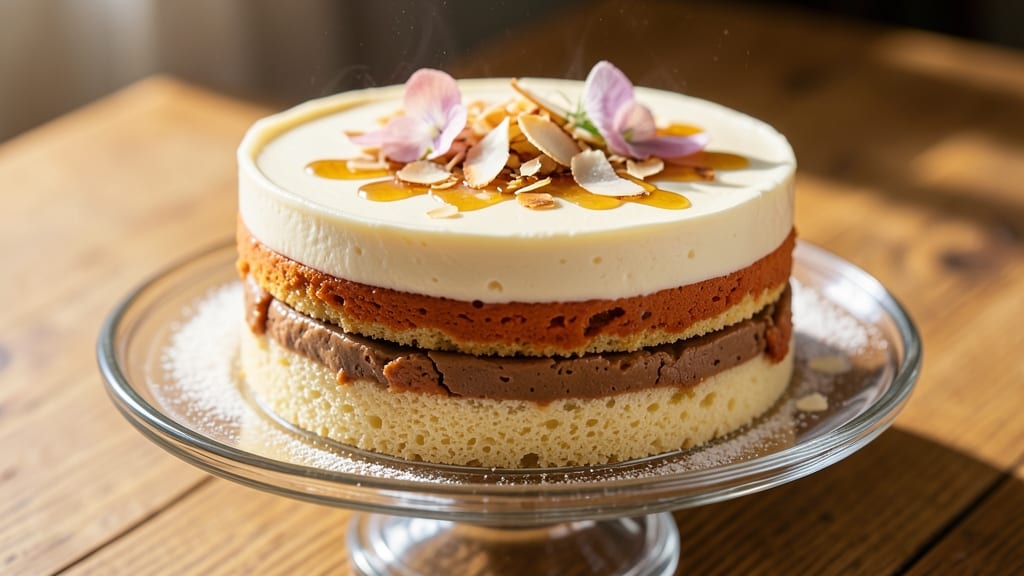
This bean curd cake recipe delivers a silky-smooth vegan dessert with no baking required—just a steamer and simple ingredients. The secret lies in blending silken tofu with sweet potato puree and coconut milk, creating a delicate yet sturdy texture that holds its shape beautifully.
Unlike traditional baked cakes, this version relies on steam to develop its signature softness and subtle sweetness.
The process is surprisingly straightforward: whisk together the batter, pour into molds, and steam for just 20 minutes. No eggs, no dairy, and no oven needed—just pure plant-based satisfaction.
This recipe balances traditional techniques with modern convenience, making it perfect for both beginners and experienced cooks looking for a lighter dessert option.
What you’ll end up with is a velvety, slightly chewy cake that’s naturally sweet from the sweet potato and coconut milk. The texture is firm yet tender, with a delicate crumb that crumbles easily. It’s the kind of dessert that feels indulgent but aligns with plant-based lifestyles.
Serve it chilled with a dusting of powdered sugar or a drizzle of agave syrup for extra sweetness. The versatility of this recipe also allows for savory variations—think miso or soy sauce for a Japanese-inspired twist. Let’s get started!
Ingredients for bean curd cake
Simple plant-based ingredients transform into an elegant, steamed bean curd cake with velvety texture.
| Ingredient | Amount | Notes |
|---|---|---|
| Silken Tofu 🥬 | 12 oz | Extra-firm for best texture |
| Sweet Potato Puree 🍠 | 1 cup | Homemade or store-bought |
| Coconut Milk 🥥 | 13 ½ oz | Full-fat canned variety |
| Granulated Sugar 🍚 | ½ cup | Organic preferred for purity |
| Powdered Sugar 🍚 | ¼ cup | For dusting finished cake |
| Baking Powder 🌶️ | 1 tsp | Aluminum-free preferred |
| Vanilla Extract 🌿 | 1 tsp | Pure Madagascar bourbon |
| Agave Nectar 🍯 | 2 tbsp | For subtle sweetness boost |
| Cornstarch 🌾 | 1 tbsp | For smooth batter consistency |
| Salt 🧂 | ¼ tsp | Fine sea salt preferred |
| Vegetable Oil 🫒 | 2 tbsp | Light, neutral flavor |
| Mold Release Spray 💦 | 1 spray | Or coconut oil alternative |
The silken tofu is the foundation—extra-firm yields the best texture, but don't drain it. Trader Joe's and Whole Foods carry excellent brands, or make your own by blending soft tofu. Sweet potato puree adds natural sweetness and moisture; organic brands like Amy's work perfectly, but homemade is ideal. Coconut milk should be full-fat—Thai Kitchen cans are widely available and reliable. For the vanilla, Madagascar bourbon extract provides the deepest flavor profile without artificial aftertaste. Every ingredient here serves a purpose in creating that signature delicate yet sturdy texture.
No sweet potato puree? Mashed roasted sweet potato works in a pinch—just blend until completely smooth. Substitute agave with maple syrup or date syrup at equal amounts, though texture may vary slightly. For a lighter cake, reduce sugar by 1 tbsp and increase agave by the same amount. The cornstarch is crucial—it prevents the batter from becoming too dense during steaming. If you're making savory versions, replace sugar entirely with white miso paste (1 tbsp) and agave with soy sauce (1 tbsp). The baking powder should be fresh; if it's over 6 months old, replace it for optimal rise.
Store finished cakes in an airtight container in the fridge for up to 5 days, though they're best enjoyed within 2 days for maximum freshness. For longer storage, wrap tightly in plastic wrap and freeze for up to 3 months. To serve, dust with powdered sugar immediately before eating—it melts beautifully onto the warm cake. The molds can be reused indefinitely if washed with hot soapy water and dried completely. For extra flair, brush the tops with a coconut milk glaze before dusting with sugar.
Why You'll Love This Recipe
- Here’s what sold me: this cake holds up perfectly for meal prep. Slice it into squares, wrap in parchment, and toss in a lunchbox. The silken tofu keeps it moist for days, and the coconut milk adds a creamy richness that’s way more interesting than a sad sandwich. My kids actually eat it.
- I’ll be real: this recipe costs me about $3 total for a whole cake. Silken tofu is cheap, sweet potatoes are dirt, and coconut milk’s the only splurge—and it stretches far. Plus, the leftovers? They’re better the next day. Cut a slice, microwave for 10 seconds, and it’s like eating a fresh-baked treat.
Step-by-step instructions for bean curd cake
This no-bake method delivers a velvety texture without oven or stove—just precise layering and patience.
Blend the Silken Tofu Base
Drain the 12 oz silken tofu thoroughly, then transfer it to a high-speed blender along with the 1 cup sweet potato puree, 13.5 oz coconut milk, 0.5 cup granulated sugar, 1 tsp vanilla extract, 2 tbsp agave nectar, 1 tbsp cornstarch, and 0.25 tsp salt. The sweet potato puree adds natural moisture and subtle sweetness, while the coconut milk creates that signature creamy texture.
Blend on high speed for 1-2 minutes until completely smooth with no visible lumps. The mixture should be thick but pourable—if it's too thin, chill it for 10 minutes to allow the cornstarch to fully activate. Scrape down the sides occasionally to ensure even blending. This step is critical for achieving that signature silky texture without any graininess.
Incorporate the Oil and Prepare the Pan
Transfer the blended mixture to a large mixing bowl. Slowly drizzle in the 2 tbsp vegetable oil while whisking continuously. The oil helps create a lighter, more stable cake structure. Meanwhile, lightly grease a 6-inch round cake pan with mold release spray (or coconut oil alternative) and dust it generously with 0.25 cup powdered sugar. This creates a non-stick barrier that prevents sticking and adds a delicate dusting to the finished cake.
Tap the pan gently on the counter to remove any air bubbles from the powdered sugar layer. This ensures an even base for your cake and prevents any potential tearing when unmolding. The pan should be ready to receive the batter immediately after preparing the base.
Layer and Chill for Stability
Pour the batter into the prepared pan and smooth the top with a spatula. Gently tap the pan on the counter again to eliminate any air bubbles that may have formed during pouring. Place the pan in the refrigerator and chill for at least 4 hours, or ideally overnight. This extended chilling period is essential—it allows the cornstarch to fully set the mixture, creating that firm yet tender texture characteristic of traditional bean curd cakes.
During this time, the cake will develop a slight sheen on the surface, indicating proper setting. Avoid disturbing it during chilling, as movement can cause the structure to weaken. The longer it chills, the more stable and sliceable the cake will become.
Unmold and Dust for Presentation
Once fully chilled, run a thin knife around the edges of the cake to loosen it from the pan. Place a plate upside down on top of the pan and quickly flip both over. The cake should release cleanly if properly chilled. If it sticks slightly, gently press on the bottom while inverting to encourage release. This is where that powdered sugar dusting pays off—it creates a perfect barrier for clean unmolding.
Immediately dust the top of the cake generously with additional powdered sugar using a fine-mesh sieve. This final step adds that signature decorative touch while keeping the cake's texture light. Serve the cake at room temperature for the best texture contrast—cool and creamy on the inside with a delicate dusting on top. Each slice should hold its shape beautifully while maintaining that signature silky smoothness.
Pro Tips For Making Bean Curd Cake
- Blend Silken Tofu Cold: I learned this the hard way—warm tofu blends into a gluey mess. Drain and rinse the silken tofu first, then blend it straight from the fridge with the sweet potato puree and coconut milk. The cold fat stays emulsified, giving you that silky texture instead of a gummy disaster.
- Sweeten Gradually: Dump all the sugar at once, and you’ll end up with a dense, syrupy cake. Start with half the granulated sugar in the batter, then fold in the rest with the powdered sugar after baking. This keeps the texture light while still getting that perfect sweetness.
- Steam Don’t Bake: Oven-baking dries out bean curd cake faster than you can say "overcooked." Use a steamer basket lined with parchment, and steam over boiling water for 20-25 minutes. The gentle heat keeps the inside tender while the outside stays just set—not rubbery.
- Chill Before Slicing: Cut it warm, and the layers will collapse like a sad soufflé. Let the cake cool completely in the pan, then refrigerate for at least 30 minutes before slicing. This guarantees clean cuts and keeps the structure intact—no one wants a crumbly mess.
Serving suggestions for this dish
Classic Presentation
Serve your bean curd cake chilled on a white porcelain plate with a dusting of powdered sugar—this highlights its delicate texture beautifully. I like to arrange fresh raspberries around the edges for a pop of color and natural sweetness.
The contrast between the cake's pale, velvety surface and the vibrant berries makes it visually stunning. 💫
Warm Comfort Pairings
Pair with jasmine tea or hot chai for a comforting dessert experience. The floral notes of jasmine tea complement the cake's subtle sweetness, while chai's spiced warmth balances the dessert's light texture. For a non-caffeinated option, try ginger tea—it adds a refreshing zing that cuts through the richness.
Savory Twist Serving
For a savory version, serve with soy-glazed mushrooms and pickled ginger on the side. The umami from the mushrooms and the tangy ginger create a perfect contrast to the cake's delicate flavor.
I drizzle with light soy sauce just before serving to enhance the savory notes. This works especially well for a Japanese-inspired meal.
Drizzle Variations
Add a coconut milk glaze (mix 2 tbsp powdered sugar with 1 tbsp coconut milk) for extra elegance. For a tropical twist, drizzle with mango purée or passionfruit sauce. These additions not only enhance flavor but also make the presentation more vibrant and appealing.
Portioning Tips
Use a small round cutter or a sharp knife to portion the cake neatly. For individual servings, cut into 6 equal wedges—this ensures each guest gets a perfect slice.
Serve with a small spoon on the side for easy scooping, especially if you're serving the coconut glaze or fruit toppings.
Occasion Adaptations
For tea parties, serve with finger sandwiches and macarons for a refined spread. For casual gatherings, pair with ice cream or fruit salad to create a balanced dessert table. The cake's versatility makes it perfect for any occasion, from intimate dinners to festive celebrations. 🍽️
Nutrition facts
Frequently asked questions
Can I make this bean curd cake without sweet potato puree?
Yes! For a similar texture, substitute the 1 cup sweet potato puree with 1 cup mashed roasted sweet potato blended until completely smooth. You can also use 1 cup unsweetened applesauce for a milder flavor, though the texture will be slightly less dense. The key is maintaining moisture—adjust other liquids if needed.
Why does my bean curd cake turn out too soft or crumbly?
This usually happens from improper chilling time or incorrect cornstarch ratio. The batter needs at least 4 hours in the fridge for proper setting—skipping this makes it too soft. For crumbly texture, ensure you used 1 tbsp cornstarch and blended thoroughly. If it's still crumbly, try adding 1 extra tbsp silken tofu next time.
Can I bake this instead of steaming?
While this recipe is designed for no-bake steaming, you can bake it at 325°F for 25-30 minutes in a greased pan. The texture will be slightly denser and less delicate, but still delicious. For best results, use a water bath (place pan in a larger pan with 1 inch of hot water) to mimic steaming conditions. Always check doneness with a toothpick—it should come out clean.
What's the best way to store leftover bean curd cake?
Store in an airtight container in the refrigerator for up to 5 days. For longer storage, wrap tightly in plastic wrap and freeze for up to 3 months. Thaw overnight in the fridge before serving. The texture remains excellent when properly stored—just avoid freezing with powdered sugar dusting as it may become clumpy.
How do I make a savory version of this recipe?
Replace the 0.5 cup sugar and 2 tbsp agave with 1 tbsp white miso paste and 1 tbsp soy sauce. Add 1 tbsp grated ginger and 1 tsp sesame oil to the batter. Serve with pickled vegetables or soy-glazed mushrooms for a Japanese-inspired dish. The texture remains the same, but the umami flavor transforms it completely!