
Beverages
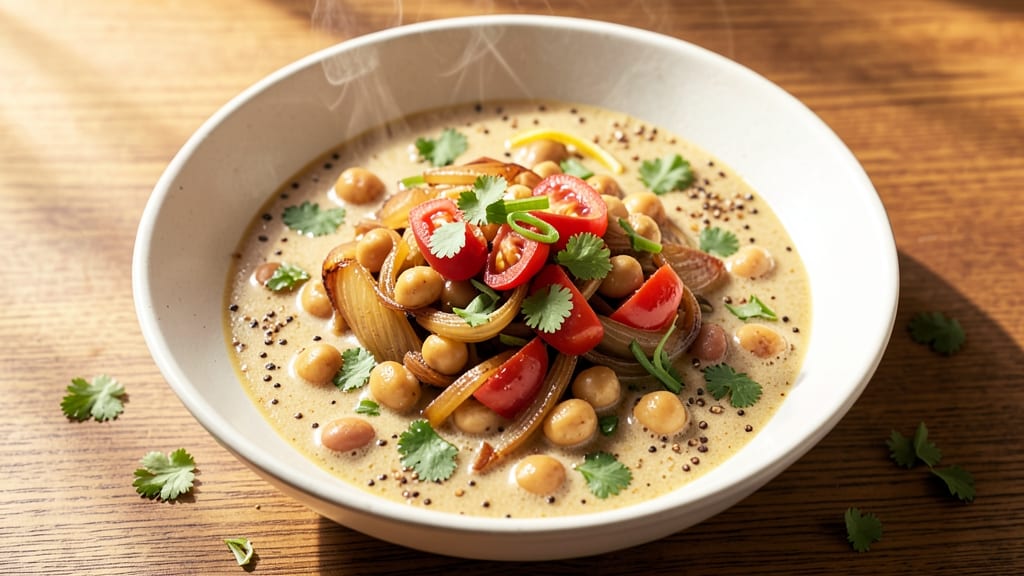
This bean curry recipe with coconut milk delivers the kind of velvety, aromatic richness that transforms simple ingredients into a restaurant-worthy dish. The secret lies in slow-simmered spices and coconut milk that create a creamy, fragrant sauce perfect for any weeknight.
Every spoonful balances earthy beans with tropical sweetness, making it a versatile favorite for plant-based meals.
The foundation starts with tempering whole spices—cumin, coriander, and turmeric—in hot oil to unlock their full flavor before adding onions and garlic. This technique builds layers of aroma that infuse the coconut milk, creating that signature creamy depth without heavy cream.
The beans soften just enough to soak up the spiced sauce, while a touch of lime brightens the finish.
What you end up with is a creamy, fragrant curry that pairs beautifully with steamed rice, warm naan, or crusty flatbread. The sauce clings to every bite, offering a perfect balance of spice and sweetness that satisfies even the most discerning palates.
This one-pot wonder is as comforting as it is impressive—ideal for feeding a crowd or meal prepping for the week.
Ready in about 45 minutes, this recipe requires minimal prep but delivers maximum flavor. The key is patience—letting the spices bloom and the coconut milk meld into a luscious, velvety sauce. Whether you're a seasoned home cook or new to curries, this method ensures foolproof results every time.
Ingredients for bean curry recipe coconut milk
Simple yet transformative ingredients create this velvety coconut bean curry masterpiece.
| Ingredient | Amount | Notes |
|---|---|---|
| Yellow Onions 🧅 | 1 whole | Finely diced for even cooking |
| Garlic Cloves 🧄 | 6 cloves | Peeled and minced finely |
| Fresh Ginger Root 🌿 | 1 ½ tbsp | Grated finely for aromatic depth |
| Cumin Seeds 🌶️ | 1 tbsp | Toasted for enhanced flavor |
| Ground Coriander 🌿 | 1 tbsp | Freshly ground preferred |
| Turmeric Powder 🌶️ | 1 tsp | Bright yellow for color |
| Garam Masala 🌶️ | 1 tsp | For aromatic complexity |
| Coconut Milk 🥥 | 1 can | Full-fat for creaminess |
| Diced Tomatoes 🍅 | 1 can | San Marzano preferred |
| Vegetable Broth 💧 | 1 cup | Low-sodium preferred |
| Yellow Lentils 🌾 | 1 ½ cups | Rinsed thoroughly |
| Extra-Virgin Olive Oil 🫒 | ¼ cup | For spice tempering |
| Fresh Lime Juice 🍋 | 2 tbsp | Brightens the finish |
| Salt 🧂 | 1 ½ tsp | Diamond Crystal preferred |
| Fresh Cilantro 🌿 | ¼ cup | Chopped for garnish |
The foundation of this curry lies in the spices. Whole cumin seeds should be toasted in hot oil until fragrant—this unlocks their full aromatic potential. For the best quality, Penzeys or Spicewalla offer premium whole spices, but the bulk bins at Whole Foods or Trader Joe's provide excellent options at lower prices. Fresh ginger and garlic are non-negotiable; frozen works in a pinch but lacks the vibrant punch of fresh. The San Marzano canned tomatoes provide that perfect balance of sweetness and acidity without being overly watery. For the lentils, yellow lentils hold their shape beautifully while absorbing the rich sauce.
No cumin seeds? Ground cumin at half the amount works, though the texture will differ slightly. Substituting coconut aminos for vegetable broth adds depth without altering the vegan profile. Fresh cilantro unavailable? Dried cilantro at one-third the amount provides a similar earthy note. The coconut milk must be full-fat for that signature creamy texture—Thai Kitchen or Native Forest brands deliver consistent quality. For an extra layer of complexity, a pinch of asafetida powder (hing) amplifies the umami, though it's optional for beginners. The lime juice should be freshly squeezed; bottled versions lack the bright acidity needed to cut through the richness.
This curry develops deeper flavor with time, so make it a day ahead if possible—the sauce will meld beautifully. Store in an airtight container in the refrigerator for up to 5 days, or freeze portions for 3 months. The sauce thickens as it cools, so adding a splash of warm water when reheating restores its velvety consistency. Garnish with fresh cilantro just before serving to preserve its vibrant color and aroma. For meal prep, portion into individual containers with a side of steamed rice—each serving maintains its restaurant-quality texture and flavor.
Why You'll Love This Recipe
- One-Pot Magic: I swear by this recipe because it’s literally one pot—no chopping boards, no extra dishes. Sauté the onions, toss in the garlic and ginger, add the spices, and boom: you’re done. The cumin seeds toast up in seconds, filling the kitchen with that warm, earthy aroma that says "dinner’s coming."
- Creamy Heat Crush: That first spoonful of coconut milk swirled with beans? Chef’s kiss. The ginger and garlic give it a bright kick, while the coriander grounds it into something rich and satisfying. It’s the kind of flavor that lingers—like a hug in a bowl, but better.
- Meal Prep MVP: This curry tastes just as good the next day, which is huge for me. I make a big batch on Sundays, and by Wednesday, it’s still the star of my lunch. Plus, it’s the perfect side for rice, toast, or even wrapped in tortillas for a quick wrap.
- Budget-Friendly Flex: Beans stretch this recipe into a full meal without breaking the bank. A can of beans, a can of coconut milk, and a handful of spices? That’s it. And honestly, the leftovers are just as good—if not better—because the flavors deepen overnight. My wallet and my taste buds win.
Step-by-step instructions for bean curry with coconut milk
This one-pot method delivers rich, velvety texture and balanced spice every time.
Toast Whole Spices and Bloom Aromatics
Heat the 0.25 cup extra-virgin olive oil in a heavy pot over medium heat. Add the 1 tbsp cumin seeds and toast for 30 seconds until they release their nutty aroma and begin to sizzle. Immediately add the 1 whole yellow onions, 6 cloves garlic cloves, and 1.5 tbsp fresh ginger root—all finely prepped as per your ingredients list.
Cook for 5-6 minutes until the onions soften and turn translucent. Here's the thing—don't rush this step. The onions should caramelize slightly at the edges, which builds deep flavor. Stir occasionally to prevent burning. Add the 1 tbsp ground coriander and 1 tsp turmeric powder now, stirring for 30 seconds to toast the spices gently. This releases their essential oils and prevents bitterness later.
Build the Spice Base and Add Tomatoes
Pour in the 1 can diced tomatoes and stir to combine with the spice mixture. Let this cook for 3-4 minutes until the tomatoes begin to break down and the sauce thickens slightly. The reason we cook the tomatoes first is that their acidity helps dissolve any remaining raw spices, creating a smoother base.
Next, add the 1 cup vegetable broth and scrape up any browned bits from the bottom of the pot with a wooden spoon. These bits, called fond, are packed with flavor. Stir well and bring the mixture to a gentle simmer. This is where the foundation of your curry develops—don't skip this step. The tomatoes should be fully incorporated, and you should see a rich, aromatic sauce forming.
Incorporate Lentils and Coconut Milk
Add the 1.5 cups yellow lentils (pre-rinsed) and 1 can coconut milk to the pot. Stir gently to combine, making sure the lentils are fully submerged in the liquid. Here's a pro tip: I like to press down on the lentils with a spoon to ensure they're evenly distributed and not clumping together.
Bring the mixture to a boil, then reduce heat to medium-low and let it simmer uncovered for 25-30 minutes. You want the lentils to soften but still maintain some texture—this ensures they hold their shape in the final dish. Stir occasionally, especially in the first 10 minutes, to prevent the coconut milk from sticking to the bottom. The curry should thicken gradually, and you'll notice the aroma intensify as the spices meld together.
Season and Finish with Lime
After the lentils are tender, taste and adjust seasoning with the 1.5 tsp salt. Real talk—this is where you can really make the curry shine. The salt should enhance all the flavors without overpowering them. Add the 1 tsp garam masala and stir well to distribute it evenly throughout the curry.
Remove the pot from heat and stir in the 2 tbsp fresh lime juice. This brightens the dish and cuts through the richness of the coconut milk. The lime juice also helps balance the spices, creating a harmonious flavor profile. Let the curry sit off the heat for 5 minutes to allow the flavors to meld together completely.
Garnish and Serve Immediately
Transfer the curry to serving bowls and garnish with the 0.25 cup fresh cilantro, chopped as specified. The cilantro adds a fresh, herbal note that contrasts beautifully with the rich, spiced lentils. Serve immediately while still warm—this curry tastes best fresh out of the pot when all the flavors are at their peak.
Each spoonful should deliver a perfect balance of creamy coconut milk, earthy lentils, and aromatic spices. The texture should be velvety yet still have a slight bite from the lentils. Pair with basmati rice or warm naan bread to soak up every bit of that luscious sauce.
Pro Tips For Making Bean Curry Recipe Coconut Milk
- Bloom the Spices Slowly: After burning three batches of cumin seeds, I finally learned to toast them low and steady—just until they smell like a spice market, not a smoke alarm. A medium-low flame for 30 seconds does the trick, then immediately add onions. Rush this, and you’ll taste bitterness instead of warmth.
- Finely Grate the Ginger: I used to chop ginger and wondered why my curry lacked depth. Now I grate it super fine—almost like wet sand—so it melts into the oil instead of sitting as chunks. A microplane works best, and don’t skip the squeeze to remove excess moisture.
- Simmer, Don’t Boil: The moment you add coconut milk, drop the heat to a gentle simmer—tiny bubbles, not rolling. I learned this the hard way when my curry split into a greasy, curdled mess. A lid helps, but keep an eye on it; coconut milk separates faster than you’d think.
- Use Two Cans of Beans: One can of beans makes a thin, watery curry. Two cans give you that thick, velvety texture without extra liquid. Drain them well, but save a splash of the juice—it adds body. (Yes, even if you’re impatient like me.)
Perfect pairings for bean curry recipe coconut milk
Side Dish Harmony
Steamed jasmine rice is my go-to pairing—its delicate floral notes complement the curry's bold spices without competing. Cook 1 cup rice with 1.5 cups water and ½ tsp salt for perfectly fluffy grains.
For extra flavor, add 1 tsp coconut milk to the cooking water. The rice should be warm but not mushy when serving. 💛
For a heartier option, try garlic naan from your local Indian market—I love Tandoor King brand. Warm the naan in a dry skillet for 30 seconds per side to crisp it slightly. The buttery richness contrasts beautifully with the curry's creamy texture.
Fresh Vegetable Balance
A simple cucumber-raita adds cooling freshness. Mix 1 cup yogurt, ½ cup grated cucumber, 1 tbsp chopped mint, and ½ tsp cumin powder.
Chill for 30 minutes before serving to let flavors meld. The yogurt's tang cuts through the coconut milk's richness while the cucumber provides a refreshing crunch.
Beverage Pairings
A crisp mango lassi is perfect for balancing the curry's spice. Blend 1 cup yogurt, ½ cup mango purée, ½ cup cold milk, and 1 tsp honey until smooth.
Serve chilled—the sweetness and creaminess complement the dish beautifully. For a non-dairy option, try Thai iced tea from Twinings—its citrusy notes cleanse your palate between bites. 🍹
Garnish Upgrades
Add toasted coconut flakes to garnish for extra texture and aroma. Heat 2 tbsp coconut flakes in a dry skillet over low heat for 2 minutes, stirring constantly, until golden.
Sprinkle over the curry just before serving—they add a delightful crunch and enhance the coconut flavor. For heat lovers, a pinch of red chili powder on top adds a subtle kick.
Make-Ahead Serving
If prepping ahead, store curry in airtight containers and reheat with 2 tbsp water to restore creaminess. Serve with warm flatbread—I recommend Mission brand tortillas toasted in olive oil. The bread's slight crispness contrasts perfectly with the velvety curry.
For a complete meal, include a side of quick-pickled onions—slice ½ red onion thin, soak in ½ cup vinegar, 1 tsp sugar, and ½ tsp salt for 20 minutes. The tangy crunch elevates every bite. ✨
Nutrition facts
Frequently asked questions
Can I substitute chickpeas for yellow lentils in this coconut bean curry?
Chickpeas work beautifully—they add a heartier texture and slightly nutty flavor. Use 2 cans (15 oz each) drained chickpeas instead of lentils and reduce the simmering time to 15 minutes since they're pre-cooked. The coconut milk will still create that same creamy sauce, but the dish will have a different mouthfeel. For extra richness, add 1 tbsp tahini at the end.
How do I adjust the spice level for sensitive stomachs?
Start by reducing the cumin and coriander to ½ tbsp each, and omit the garam masala entirely. For heat, add just ¼ tsp cayenne pepper instead of chili powder. The coconut milk naturally mellows spice, so the dish will still taste flavorful but much gentler. Always taste as you go—you can add more spice later if needed.
Why did my coconut curry turn out too thin? How can I fix it?
This usually happens if you didn't simmer long enough or used too much broth. For immediate fixing, mix 1 tbsp cornstarch with 2 tbsp water, stir into the curry, and simmer 2-3 minutes until thickened. For prevention next time, reduce the broth to ½ cup and simmer uncovered for 35 minutes to let excess moisture evaporate naturally. The coconut milk should create natural thickness when properly reduced.
Can I make this curry in an Instant Pot or pressure cooker?
Yes! Sauté onions, garlic, and ginger as directed, then add all remaining ingredients except lime juice. Seal the lid and cook on high pressure for 8 minutes. Quick-release the pressure, stir in lime juice, and let sit 5 minutes before serving. The pressure method cuts cooking time to 20 minutes total while keeping all the flavor. For extra creaminess, add ¼ cup coconut cream at the end.
What's the best way to reheat leftovers without drying it out?
Reheat gently on the stove over low heat with 2 tbsp water or coconut milk per serving. Stir frequently to prevent sticking. For microwave reheating, cover with a damp paper towel and heat in 30-second intervals, stirring between each. Never reheat to a boil—this breaks down the coconut milk's creaminess. The curry will taste just as rich when properly reheated!