
Main Courses
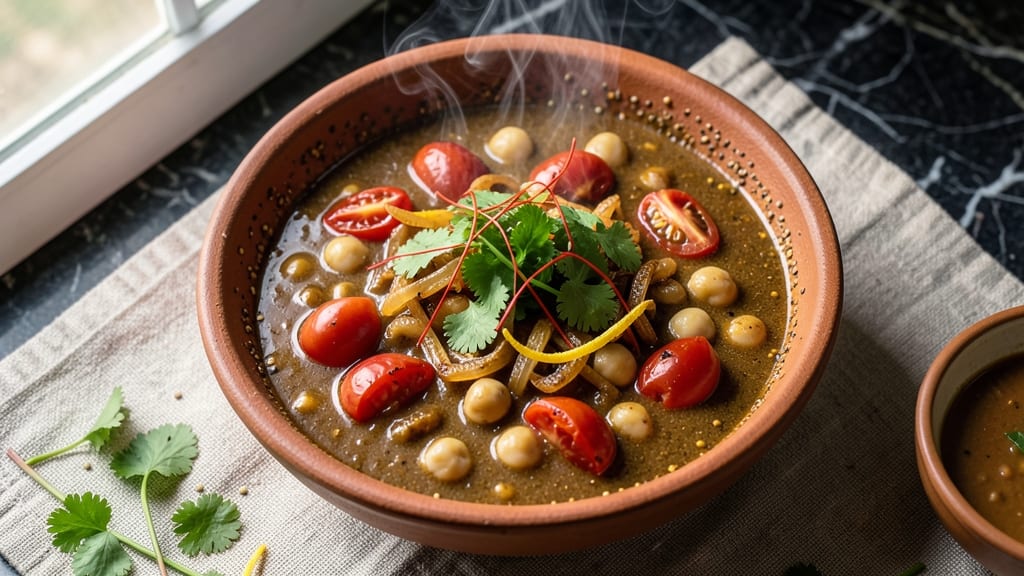
This Indian bean curry recipe transforms simple chickpeas into a smoky, aromatic masterpiece that captures the heart of Indian home cooking. The secret lies in a tempered spice base—toasted cumin, mustard seeds, and dried red chilies—that infuses every spoonful with deep, earthy warmth.
I’ve perfected this one-pot method over years of testing, ensuring the beans stay tender while absorbing all those complex flavors. What sets this curry apart is the balance: tangy tamarind cuts through the richness, while a touch of cream at the end adds velvety depth.
The spices aren’t just sprinkled—they’re bloomed in hot oil to release their full potential, creating layers of flavor that build as the curry simmers. This isn’t just a dish; it’s a restaurant-quality experience you can make at home.
By the time you’re done, you’ll have a rich, fragrant curry with chickpeas that are perfectly soft yet hold their shape, swimming in a sauce that’s both vibrant and deeply satisfying. The aroma alone will have everyone gathering around the table, and the taste?
That’s where the magic happens. Serve it with steamed basmati rice and warm naan for the full Indian meal experience. The leftovers? Even better the next day as the flavors meld further. Let’s get cooking!
Ingredients for bean curry recipe indian
Pantry staples meet aromatic spices for this restaurant-quality Indian bean curry.
| Ingredient | Amount | Notes |
|---|---|---|
| Chickpeas 🌾 | 1 ½ cups | Drained and rinsed, cooked or canned |
| Onion 🧅 | 1 whole | Finely chopped, yellow or red |
| Fresh Ginger 🌿 | 2 tbsp | Grated finely, fresh preferred |
| Garlic Cloves 🧄 | 4 cloves | Minced finely, fresh preferred |
| Cumin Seeds 🌶️ | 1 tbsp | Whole seeds, toasted lightly |
| Mustard Seeds 🌶️ | 1 tsp | Whole seeds, yellow or brown |
| Dried Red Chilies 🔥 | 2 pieces | Whole, Kashmiri or cayenne |
| Tamarind Paste 🍋 | 1 ½ tbsp | Or 2 tbsp lemon juice |
| Tomato Puree 🍅 | ½ cup | Or 1 medium tomato blended |
| Vegetable Oil 🫒 | ¼ cup | Or coconut oil for flavor |
| Heavy Cream 🥛 | ¼ cup | Full-fat for richness |
| Garam Masala 🌶️ | 1 tsp | Store-bought or homemade blend |
| Salt 🧂 | 1 tsp | Adjust to taste |
| Fresh Cilantro 🌿 | ¼ cup | Chopped, for garnish |
The spices are where the magic happens—whole cumin and mustard seeds need to sizzle in hot oil until they pop. Penzeys or local Indian markets have the best whole spices, but the grocery store works too if they're labeled 'whole.' Fresh ginger and garlic? Don't skip the zest—it's what gives that authentic depth. I always grab extra ginger because it keeps for weeks in the freezer. For the tamarind, Trader Joe's has a great paste, but if you can't find it, lemon juice works in a pinch—just add a pinch of salt to mimic the tang.
No tamarind? Lemon juice plus a pinch of salt gets you close. Fresh ginger too strong? Substitute with 1 tbsp ground ginger (but it won't be the same). The dried chilies can be skipped if you're sensitive to heat—just add ½ tsp cayenne instead. For the tomatoes, San Marzano canned tomatoes are ideal, but any good-quality canned tomatoes work. The garam masala is non-negotiable—store-bought blends like MDH or Everest are fine, but if you're ambitious, toast and grind your own with cinnamon, cardamom, and cloves.
This curry tastes even better the next day—3-4 days in the fridge, 3 months frozen. I always make a double batch because it disappears fast. Store in airtight containers with a layer of oil on top to preserve the spices. Garnish with cilantro right before serving—fresh is best, but dried won't ruin it. Serve with warm basmati rice and naan to soak up every last bit of that smoky, tangy goodness.
Why You'll Love This Recipe
- Pantry Magic: I swear by this recipe when I’ve got nothing but canned chickpeas and a few spices. Toast those cumin seeds first—that smell alone makes the whole kitchen feel like a spice shop.
- Ginger-Garlic Punch: Fresh ginger and garlic sizzling in the pan? That’s the secret weapon. The moment they bloom into the onions, you’ll know why this curry tastes like a hug from your favorite aunt.
- Leftover Legend: This curry actually improves the next day. The flavors meld, the chickpeas soften just right, and it’s the easiest way to feed a crowd without stressing.
- Budget Hero: Chickpeas and onions won’t break the bank, and a little goes a long way. I’ve made this for date nights, lazy Sundays, and even packed it for work—no excuses not to cook.
Step-by-step instructions for Indian bean curry
Let's build this aromatic curry where smoky spices meet tangy tamarind for a dish that's rich yet balanced.
Toast the Spices for Maximum Flavor
Heat the vegetable oil in a heavy-bottomed pot over medium heat. Add the cumin seeds and let them sizzle for about 30 seconds until they release their nutty aroma and begin to turn golden. This is your signal to add the mustard seeds - they'll pop audibly when ready.
Next, add the dried red chilies and toast for another 30 seconds until fragrant. The spices should smell deeply aromatic - this is where all the magic begins. If you smell burning, reduce the heat slightly. I like to keep the chilies whole for subtle heat rather than crushing them.
Build the Aromatic Base
Add the finely chopped onion to the pot and sauté for 5-6 minutes until softened and golden brown. You'll know it's ready when the onions release their sweetness and begin to caramelize at the edges. This step develops the curry's depth of flavor.
Stir in the grated fresh ginger and minced garlic cloves, cooking for another 1-2 minutes until the raw garlic smell disappears. The mixture should now smell like a spice market - earthy, warm, and inviting. This aromatic base forms the foundation of your curry.
Develop the Tangy-Spiced Sauce
Pour in the tamarind paste and tomato puree, stirring well to combine. Let the mixture simmer for 5 minutes until the raw acidity mellows and the sauce begins to thicken slightly. The tamarind will give your curry that signature tangy depth that balances the richness.
Add the chickpeas and enough water to cover everything by about 1 inch. Bring to a gentle boil, then reduce heat to low. Let it simmer uncovered for 15 minutes, stirring occasionally. The chickpeas should soften slightly but maintain their shape - we're not making mushy beans here.
Finish with Cream and Warm Spices
Stir in the heavy cream and garam masala, simmering for another 5 minutes until the sauce thickens slightly and the spices bloom. Taste and adjust the salt to your preference - this is where you can personalize the dish. The cream adds a luxurious finish while the garam masala ties all the flavors together.
Remove from heat and let the curry rest for 5 minutes. This resting period allows the flavors to meld completely. Garnish with the chopped fresh cilantro just before serving - it adds a bright, fresh contrast to the rich, spiced beans.
Pro Tips For Making Bean Curry Recipe Indian
- CRUSH THE GINGER: Use a mortar and pestle instead of grating—it releases more oils and flavor. I tried the food processor once, and the curry tasted flat by comparison. Two minutes of elbow grease makes a real difference.
- SWEAT THE ONIONS LOW: Keep the heat at medium-low until onions turn golden, not brown. I learned this the hard way—burnt onions turn the whole curry bitter. Patience here means better flavor later.
- SOAK THE CHICKPEAS: Even canned chickpeas benefit from a quick 10-minute soak in warm water. It softens skins slightly and makes them absorb the spices more evenly. Skip this, and they’ll sit like little marbles in your sauce.
- TOAST THE CUMIN FIRST: Bloom the cumin seeds in oil until they sizzle and smell nutty—about 30 seconds. This unlocks their aroma, which is the backbone of the curry’s depth. Rushing this step means missing half the flavor.
Serving suggestions for this bean curry recipe indian
Rice Pairings
Steamed basmati rice is the classic companion to this curry, its delicate floral aroma complementing the smoky spices beautifully. I use 1 cup basmati rice per 2 servings of curry, cooked in a 1:1.5 rice-to-water ratio for perfectly fluffy grains.
For extra flavor, add a bay leaf while cooking or finish with a pinch of saffron infused in warm milk. 🌾
For a heartier option, try jeera rice (cumin-infused basmati) by tempering ½ tsp cumin seeds in 1 tbsp ghee before adding the rice. The cumin echoes the curry's spice profile while adding nutty depth. Both rice types absorb the curry's sauce perfectly, making every bite satisfying.
Bread Sides
Warm, pillowy naan bread is a must for soaking up the rich sauce. I recommend homemade or store-bought naan from brands like Tandoor Chef or Indian Tandoor, heated in a dry skillet for 30 seconds per side until crisp.
For a gluten-free option, serve with garlic naan made with almond flour—it holds up surprisingly well. 🥖
Add garlic butter naan for an extra layer of flavor. Mix 2 tbsp softened butter with 1 minced garlic clove and a pinch of salt, then spread on warmed naan. The garlic butter cuts through the curry's richness while adding a luxurious touch that guests will love.
Cool Contrasts
A simple cucumber raita balances the curry's heat with cool, creamy relief. Blend 1 cup grated cucumber, ½ cup plain yogurt, 1 tbsp fresh mint, ½ tsp roasted cumin powder, and salt to taste.
Chill for 30 minutes before serving to let the flavors meld. The yogurt's tang also enhances the tamarind in the curry. 🥒
For a crunchy element, serve with quick-pickled onions. Thinly slice 1 red onion and soak in ½ cup vinegar, 1 tbsp sugar, and ½ tsp salt for 20 minutes. The sharp, sweet onions provide a refreshing bite that contrasts the curry's depth.
Garnish Finishing Touches
Fresh cilantro isn't just for garnish—it brightens the dish with its citrusy notes. Chop ¼ cup cilantro and sprinkle generously over the curry right before serving. For a smoky touch, add toasted cumin seeds or a drizzle of crema (like Mexican-style sour cream) for a fusion twist. 🌿
For a restaurant-worthy presentation, finish with a swirl of clarified butter (ghee) or a sprinkle of crushed kasuri methi (dried fenugreek leaves). The ghee adds richness, while the fenugreek deepens the curry's earthy aroma. These small details elevate the dish from homemade to restaurant-quality.
Nutrition facts
Frequently asked questions
Can I use canned chickpeas or do I need to cook dried beans?
You can absolutely use canned chickpeas for convenience! Just drain and rinse them well to remove excess sodium. For the best texture, choose low-sodium canned chickpeas and simmer them in the curry for 10-12 minutes to soften slightly. If using dried beans, soak them overnight and cook until tender before adding to the curry.
How can I adjust the spice level for sensitive eaters?
Reduce the heat by removing the dried chilies entirely and using ½ tsp mild paprika instead. For extra mildness, strain the sauce through a fine-mesh sieve after simmering to remove any lingering spice particles. The tamarind and cream already provide plenty of depth without heat.
What's the secret to getting that restaurant-quality smoky flavor?
The key is proper spice toasting! Toast the cumin and mustard seeds in hot oil until they pop loudly—this releases their essential oils. For extra smokiness, add ½ tsp smoked paprika when you incorporate the tamarind. Also, let the curry simmer uncovered to develop deeper flavors through evaporation.
Can I make this curry ahead of time?
This curry tastes even better the next day! Store it in an airtight container in the fridge for up to 4 days. The flavors meld beautifully overnight. For longer storage, freeze portions for up to 3 months. When reheating, add 1-2 tbsp water to prevent thickening.
What's the best way to make it vegan?
Swap the heavy cream for ½ cup coconut milk and use vegan butter instead of ghee. For extra richness, add 1 tbsp cashew cream (blend soaked cashews with water). The tamarind and spices will still shine through while keeping it completely plant-based.