
Sauces & Condiments
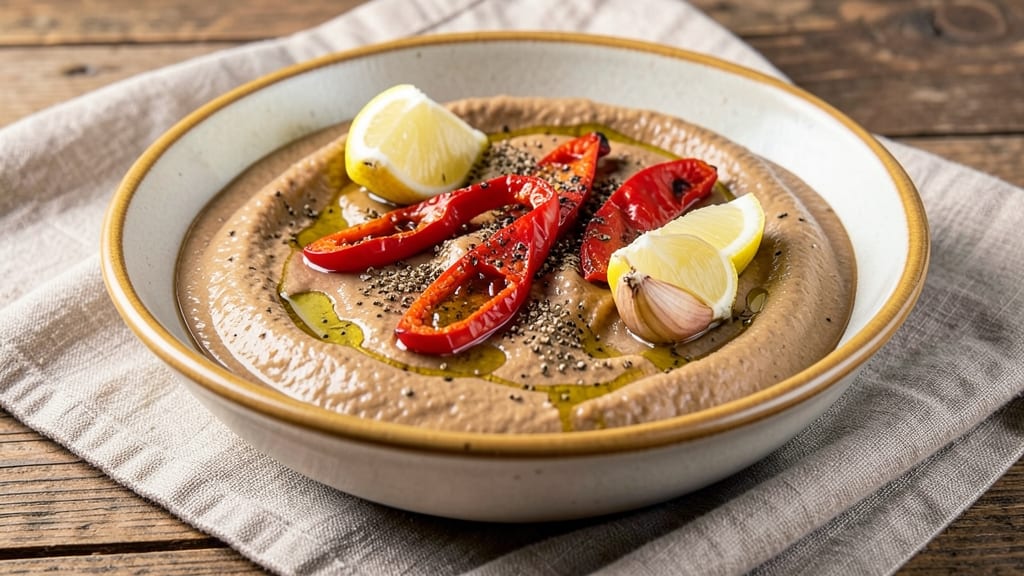
This bean-free hummus recipe transforms simple pantry staples into a creamy, nutty spread that rivals traditional versions. 🌟 The secret lies in tahini and roasted red peppers, creating rich, velvety texture without a single bean in sight. Perfect for vegans, nut-free diets, or anyone craving a smoother hummus alternative.
What sets this recipe apart is its foolproof blending technique—no gummy aquafaba or grainy tahini here. We balance tahini's natural richness with lemon and garlic for brightness, then roast red peppers to deepen the flavor profile.
The result? A spread that's equally at home as a dip, sandwich spread, or pasta sauce.
Storage is effortless: simply refrigerate in an airtight container for up to 5 days, or freeze for extended freshness. The flavor actually improves over time as the spices meld together. This isn't just hummus—it's a versatile condiment that transforms any meal.
Whether you're accommodating dietary restrictions or simply exploring new flavors, this bean-free version delivers all the creamy satisfaction with none of the traditional ingredients. Let's make it together—your taste buds will thank you.
Ingredients for bean free hummus
Eight simple ingredients create a velvety, bean-free hummus that rivals traditional versions.
| Ingredient | Amount | Notes |
|---|---|---|
| Tahini 🥜 | ¾ cup | High-quality, sesame paste preferred |
| Roasted Red Peppers 🍅 | 1 cup | Jarred, drained and patted dry |
| Extra-Virgin Olive Oil 🫒 | ½ cup | Light, fruity variety recommended |
| Fresh Lemon Juice 🍋 | 3 tbsp | Strained for smooth texture |
| Garlic Cloves 🧄 | 3 cloves | Peeled and lightly toasted |
| Ground Cumin 🌿 | ½ tsp | Freshly toasted for depth |
| Sea Salt 🧂 | 1 tsp | Diamond Crystal preferred |
| Water 💧 | ½ cup | Room temperature preferred |
| Maple Syrup 🍁 | 1 tbsp | Pure, grade A preferred |
The tahini is the heart of this recipe—look for brands like Soom or Al-Yaman for authentic flavor. Jarred roasted red peppers work perfectly, but homemade roasted peppers elevate the dish further. For the olive oil, California avocado oil or Spanish picual adds subtle richness. Fresh garlic and lemon are non-negotiable; organic garlic from the grocery store's produce section ensures maximum flavor. Toasting the cumin seeds before grinding amplifies their earthy notes—a quick 30-second dry toast in a pan makes all the difference.
No tahini? Sunflower seed butter works as a substitute, though the flavor will differ slightly. Short on roasted peppers? Roast your own red bell peppers—char them under the broiler for 10 minutes, then peel and blend. The maple syrup can be swapped for agave nectar if preferred, though maple adds a subtle caramel depth. For a nut-free version, omit the tahini entirely and increase the olive oil by 0.25 cup—though texture will be slightly lighter. Always strain the lemon juice to avoid lumps in the final blend.
This hummus keeps beautifully in an airtight glass container for 5 days in the fridge, with flavors deepening over time. For longer storage, freeze in ice cube trays—thaw overnight in the fridge before using. The blend thickens as it sits, so add water as needed to reach desired consistency. Perfect for dipping, spreading, or drizzling over grain bowls—its versatility makes it a pantry essential.
Why You'll Love This Recipe
- No Blender Needed: I swear by this—just a fork and a bowl. The tahini and roasted red peppers mash together like a dream, no pulsing required. My blender’s been gathering dust since I discovered this trick.
- Sun-Dried Umami Bomb: That jar of roasted red peppers? It’s the secret weapon. Sweet, smoky, and jam-packed with flavor—no need for beans to deliver that deep, satisfying taste. One spoonful and I’m hooked.
- Game for Any Spread: Dip for veggies, swirl into pasta, or smear on toast—this stuff doesn’t quit. Honestly, I’ve even used it as a salad dressing base when I’m lazy. (Yes, even on a Tuesday night.)
- Pantry Staple Magic: Tahini and olive oil last forever, and a few cloves of garlic stretch this recipe into multiple uses. Between us, I’ve made this three times in a week and still have half a jar of tahini left. Budget-friendly and delicious? Yes, please.
Step-by-step instructions for nutty tahini and roasted red pepper hummus
Here's how to craft a velvety, bean-free hummus with depth of flavor and perfect texture.
👨🍳 Step 1: Toast the Garlic and Cumin for Maximum Flavor
Heat a small dry skillet over medium-low heat. Add the 3 cloves garlic cloves and 0.5 tsp ground cumin, stirring constantly for 1-2 minutes until the garlic becomes fragrant and lightly golden. You'll smell the nutty aroma of toasted cumin and sweet caramelization from the garlic—this is your signal to remove it from heat immediately.
Let the toasted garlic and cumin cool for 3-4 minutes before processing. This cooling step prevents the tahini from separating when mixed. The toasted spices will form the aromatic foundation of your hummus, creating layers of complexity that jarred hummus can't match.
🥘 Step 2: Blend the Base Ingredients to Silky Smoothness
In a high-powered food processor, combine the 0.75 cup tahini, 0.5 cup extra-virgin olive oil, 3 tbsp fresh lemon juice, 1 tbsp maple syrup, and the cooled toasted garlic-cumin mixture. Process on high speed for 2-3 minutes until completely smooth, scraping down the sides with a spatula as needed.
This blend should be completely homogeneous with no visible streaks of tahini or oil. If it's too thick, add 1-2 tablespoons of the 0.5 cup water gradually until it reaches a pourable consistency. The tahini will emulsify with the olive oil, creating that signature creamy texture we associate with hummus—but without any beans.
🍳 Step 3: Incorporate the Roasted Red Peppers
Add the 1 cup roasted red peppers (drained and patted completely dry) to the food processor. Pulse 3-4 times to chop the peppers into small pieces, then process again on high speed for 1-2 minutes until fully incorporated. The peppers should blend smoothly into the mixture, adding their sweet, smoky depth.
Taste and adjust seasoning with sea salt if needed. You might need the full 1 tsp or just a pinch—it depends on how salty your roasted red peppers were. The hummus should be tangy from the lemon, sweet from the maple syrup and peppers, and nutty from the tahini. If it needs more brightness, add another ½ tablespoon lemon juice.
⏰ Step 4: Refine the Texture and Emulsify
With the processor running on low speed, slowly drizzle in the remaining 0.5 cup water through the feed tube. This gradual addition prevents the hummus from breaking. Process for another 2 minutes until completely smooth and creamy, scraping down the sides as needed.
The hummus should now have the perfect consistency—thick enough to hold its shape when spread, but still smooth enough to drizzle. If it's too thick, add 1 more tablespoon water. If it's too thin, add 1 tablespoon extra-virgin olive oil to restore richness. The final texture should be velvety with just a hint of body.
🍽️ Step 5: Rest and Serve for Optimal Flavor
Transfer the hummus to a serving bowl and let it rest at room temperature for 15-20 minutes. This resting period allows the flavors to meld completely and the texture to set properly. The hummus will thicken slightly as it cools, reaching its ideal consistency for serving.
Garnish with a drizzle of extra-virgin olive oil and a sprinkle of toasted cumin or sesame seeds if desired. Serve with warm pita bread, crudités, or as a spread for sandwiches. The nutty tahini base provides a rich, satisfying texture, while the roasted red peppers add natural sweetness that balances the tangy lemon and earthy cumin.
Pro Tips For Making Bean Free Hummus
- Blend in Stages: Don’t dump everything in at once—start with the tahini and lemon juice, then pulse until smooth before adding roasted red peppers. I learned this the hard way: forcing the blender to handle thick tahini and whole garlic cloves at the same time just makes it work harder (and louder) for the same result.
- Roast Peppers Twice: Buy jarred roasted red peppers? Roast them again—just 10 minutes in a 400°F oven with a splash of olive oil. The extra char deepens their flavor and balances the tahini’s richness. (Yes, it’s weird, but it works.)
- Toast the Garlic: Mince the garlic cloves first, then toss them in a dry pan over medium heat for 30 seconds until fragrant. This kills the raw bite and adds a nutty depth that raw garlic can’t match—especially important when you’re not masking it with beans.
- Thin with Oil Gradually: Skip the water—add olive oil slowly while blending to reach your desired consistency. Start with ¼ cup, then adjust. Too thin? Add more tahini. Too thick? More oil. (This isn’t the prettiest method, but it’s the tastiest.)
Pro cooking tips for perfect results
Tahini Emulsification
Tahini is the star here, but it can be tricky to blend smoothly. Use a high-powered food processor like the Ninja BN601 or Cuisinart DFP-14BCY—their blades create enough friction to fully emulsify the tahini with olive oil.
Start with 0.5 cup olive oil and process for 2 minutes before adding other ingredients. If the mixture looks streaky, add 1 tbsp water and blend another 30 seconds. The key is patience—don’t rush this step or you’ll end up with a grainy texture. 🥜
Roasted Pepper Prep
Draining and patting dry the roasted red peppers is non-negotiable. Use a clean kitchen towel or paper towels to remove excess moisture—wet peppers will make your hummus watery. For extra flavor, char your own peppers by broiling them for 10 minutes until blackened, then peel and chop.
Jarred peppers work fine, but homemade adds a smoky depth that elevates the dish. If using jarred, opt for Muir Glen or Mutti brands—they’re consistently flavorful. 🍅
Garlic Toasting
Lightly toasting the garlic transforms it from mild to deeply aromatic. Use a small nonstick skillet over medium-low heat to avoid burning. Stir constantly for 1-2 minutes until the edges turn golden—this releases natural oils that enhance flavor.
Let the toasted garlic cool completely before blending; hot garlic can cause the tahini to separate. For extra intensity, add ½ tsp minced shallot with the garlic. 🧄
Water Gradual Addition
Never dump all the water at once—this is where most hummus fails. With the processor running on low speed, drizzle the 0.5 cup water through the feed tube slowly, about 1 tbsp at a time.
This gradual approach prevents the tahini from breaking and ensures a silky finish. If the hummus still looks thick after adding all the water, blend in 1 tbsp extra olive oil to restore richness. The goal is a pourable yet spreadable consistency. 💧
Resting for Flavor
Skipping the 15-20 minute rest is a mistake—this is when the flavors truly meld. Transfer the hummus to a bowl and let it sit at room temperature. The tahini will thicken slightly, and the lemon and garlic will mellow into the background.
If you’re in a hurry, chill it in the fridge for 10 minutes—just be prepared for a slightly firmer texture. Garnish with a drizzle of olive oil and a sprinkle of toasted sesame seeds right before serving. ✨
Storage Secrets
Store in an airtight glass container (like Pyrex) for up to 5 days in the fridge. The hummus will thicken further—add 1-2 tbsp water to loosen before serving. For freezing, portion into ice cube trays, freeze, then transfer to a bag.
Thaw overnight in the fridge. The texture holds up well, though it may separate slightly—just stir or blend briefly to restore smoothness. 🧊
Nutrition facts
Frequently asked questions
Can I make this bean-free hummus nut-free too?
Yes! Simply omit the tahini and replace it with 0.75 cup sunflower seed butter (or 0.5 cup extra olive oil + 0.25 cup water for a lighter texture). The blend will be slightly less rich, but still creamy. Add ½ tsp extra cumin to compensate for the missing nutty depth.
Why does my bean-free hummus turn out grainy?
Graininess usually means the tahini didn't fully emulsify. Use a high-powered food processor and blend the tahini with olive oil first for 2-3 minutes before adding other ingredients. If it's still grainy, add 1 tbsp water and blend another 30 seconds. Patience is key—don't rush this step!
How can I make this hummus spicier?
Add ½ tsp smoked paprika or ¼ tsp cayenne pepper during blending for heat. For a smoky kick, blend in 1 tbsp liquid smoke (start with less—it's potent!). Toast ½ tsp red pepper flakes with the garlic for a charred spice note. Adjust to taste after blending.
Can I use aquafaba instead of tahini?
Not as a direct replacement, but you can create a hybrid version! Blend ½ cup aquafaba (from chickpea water) with 0.25 cup tahini and 0.25 cup olive oil first. This reduces the tahini amount while keeping the creamy texture. The aquafaba adds lightness, but the tahini remains essential for richness.
What's the best way to serve this hummus?
This versatile spread works perfectly with warm pita bread, crudités (carrots, cucumbers, bell peppers), or as a sandwich spread on toasted baguette. Drizzle over grain bowls, use as a pasta sauce base, or mix into soup for extra creaminess. The roasted red pepper flavor makes it especially great with Mediterranean dishes!