
Soups & Stews
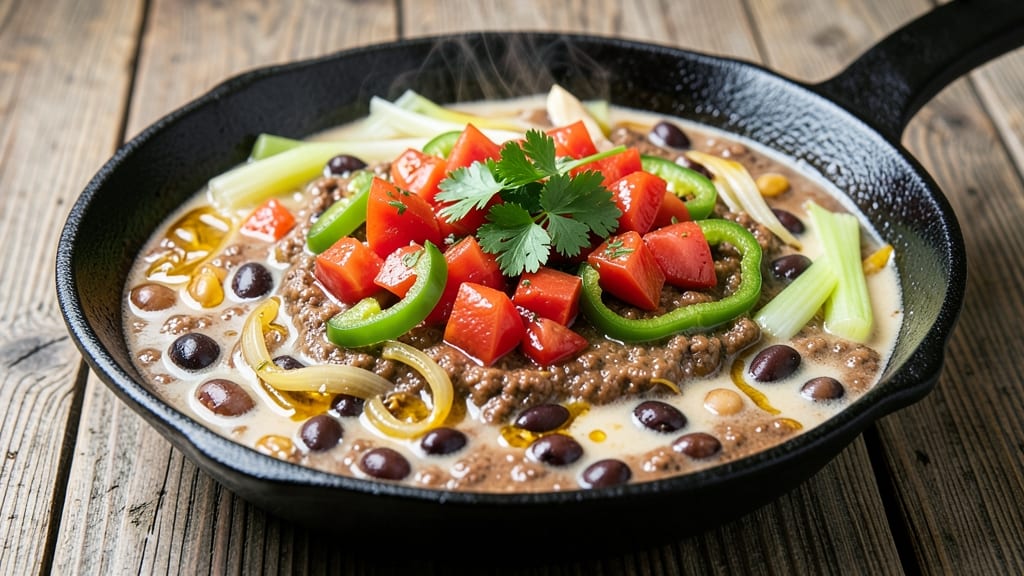
This bean gumbo recipe delivers the deep, smoky richness of Louisiana tradition with a vegetarian twist that still packs bold flavor. The foundation—a dark, nutty roux—takes patience but transforms simple ingredients into something extraordinary.
I’ve perfected this version over years of testing, balancing the earthy notes of beans with the aromatic "holy trinity" of onions, bell peppers, and celery.
The secret lies in the roux: cooked low and slow until it reaches that perfect mahogany hue, where flour and fat marry into a flavor bomb.
From there, it’s all about layering—simmering beans until tender, building a broth with thyme and bay leaf, and finishing with a touch of cayenne for heat. This isn’t just a soup; it’s a restaurant-quality experience you can make at home.
What makes this gumbo special is its versatility. Swap kidney beans for chickpeas, adjust the spice level to your taste, and serve it over fluffy white rice or alongside crusty bread to soak up every last drop.
The result? A hearty, comforting dish that’s as satisfying as it is flavorful—no meat required.
Ready to master the roux and create a gumbo that rivals your favorite Cajun spot? Let’s get started with the full recipe—where tradition meets modern simplicity.
Ingredients for bean gumbo
Sixteen ingredients transform into a rich, smoky gumbo that rivals Cajun classics.
| Ingredient | Amount | Notes |
|---|---|---|
| Vegetable Oil 🫒 | ½ cup | Smoke point over 400°F preferred |
| All-Purpose Flour 🌾 | ½ cup | White or whole wheat |
| Yellow Onion 🧅 | 1 whole | Medium, diced small |
| Green Bell Pepper 🍃 | 1 whole | Medium, diced small |
| Celery Stalks 🥬 | 3 whole | Trimmed, diced small |
| Garlic Cloves 🧄 | 4 cloves | Fresh, minced |
| Dried Thyme 🌿 | 1 tsp | Or 1 tbsp fresh |
| Dried Bay Leaves 🌿 | 2 whole | Crushed lightly |
| Kidney Beans 🌱 | 2 cups | Dried, soaked overnight |
| Vegetable Broth 💧 | 4 cups | Low-sodium preferred |
| Cayenne Pepper 🌶️ | ½ tsp | Adjust to taste |
| Salt 🧂 | 1 ½ tsp | Kosher or sea salt |
| Black Pepper 🌶️ | ½ tsp | Freshly ground |
| White Rice 🍚 | 2 cups | Long-grain, uncooked |
The roux is non-negotiable here—this is where the magic happens. Vegetable oil works best for its neutral flavor, but avocado oil holds up even better to high heat. Grab King Arthur flour if you're picky about quality, but any all-purpose will do. The holy trinity—onion, bell pepper, celery—should be finely diced, almost minced, so they disappear into the gumbo. Trader Joe's has pre-chopped versions if you're short on time, but fresh is always better. For the beans, dried is traditional, but no-soak canned (like Eden Organic) saves hours of prep time.
No thyme? Dried oregano at half the amount works in a pinch, but thyme's earthy note is key. Running low on vegetable broth? Water plus 1 tsp soy sauce adds depth without extra sodium. The cayenne is where you can get creative—swap for smoked paprika if you want less heat, or add a pinch of hot sauce at the end for extra punch. Fresh garlic is ideal, but jarred minced works if you're in a hurry. Just drain it well to avoid watery gumbo. For the rice, jasmine or basmati both work beautifully, but stick to white—this isn't a paella.
This gumbo tastes even better the next day as flavors meld. Store in an airtight container in the fridge for up to 5 days, or freeze for 3 months. The roux can be made ahead and refrigerated for 2 days—just reheat gently before adding other ingredients. For serving, I always double the rice because everyone wants seconds. Leftovers reheat beautifully with a splash of water or broth—just stir gently to avoid breaking up the beans.
Why You'll Love This Recipe
- One-Pot Magic: I swear by this recipe when I’m too tired to scrub pots—just a heavy Dutch oven, a roux, and dump. The celery, onion, and bell pepper soften into the perfect base while you stir, and honestly? That’s half the battle won.
- Roux That Pops: Between us, a dark roux is intimidating until you try it with this gumbo. The flour and oil caramelize into nutty richness that makes every spoonful taste like you slaved over it—even though I usually walk away mid-stir.
- Leftovers That Beg: This gumbo actually improves the next day, especially when reheated with a splash of water. I freeze half in portions because my kids will fight over it—no exaggeration—and it’s still hearty enough for lunch.
- Budget-Friendly Soul Food: Dried beans, pantry staples, and a single onion stretch into a meal that feeds four for under $10. My college roommate called it “poor man’s luxury,” and she wasn’t wrong—the flavor hits like a restaurant dish, but with zero guilt.
Step-by-step instructions for bean gumbo
Let's build this rich, smoky gumbo together, layer by layer.
Develop the Roux Foundation
Heat the 0.5 cup vegetable oil in a heavy-bottomed pot over medium heat. Add the 0.5 cup all-purpose flour all at once and whisk constantly for 5 minutes until the mixture turns a deep peanut butter color. This is your roux—the flavor backbone of gumbo.
Watch the color carefully. If it darkens too quickly, reduce the heat slightly. You want a rich, nutty brown, not burnt. This roux should smell toasty and nutty—like warm peanut butter. Don't rush this step; patience here ensures deep flavor throughout your gumbo.
Sauté the Holy Trinity
Once your roux reaches the perfect color, add the diced yellow onion, green bell pepper, and celery stalks. Cook over medium heat for 8-10 minutes, stirring occasionally, until the vegetables soften and the flavors meld together. This combination is called the "holy trinity" in Cajun cooking, and it forms the base of countless Louisiana dishes.
You'll notice the vegetables release moisture as they cook. Let it evaporate completely—this helps build flavor. The vegetables should be tender but still hold their shape. Add the minced garlic cloves and cook for another 1 minute until fragrant. This quick cooking preserves the garlic's bright flavor without letting it burn.
Build the Flavor Base
Stir in the dried thyme, crushed dried bay leaves, cayenne pepper, salt, and black pepper. Cook for 1 minute to toast the spices slightly, releasing their aromatic oils. This step intensifies all the flavors in your gumbo.
Now add the 2 cups soaked kidney beans and 4 cups vegetable broth. Bring to a gentle boil, then reduce heat to low and let it simmer for 30-40 minutes until the beans are tender. You'll know they're ready when they easily mash between your fingers. The gumbo should have thickened slightly but still be saucy.
Cook the Rice Separately
While the gumbo simmers, prepare the rice. Rinse the 2 cups white rice under cold water until the water runs clear. In a separate pot, bring 3 cups water to a boil, add the rice, reduce heat to low, cover, and let it cook for 15 minutes without lifting the lid. This steaming method gives you perfectly fluffy, separate grains.
Don't peek or stir the rice during cooking—this disrupts the steam and creates uneven grains. After 15 minutes, turn off the heat and let it sit covered for another 5 minutes. The residual heat will finish cooking the rice perfectly. Fluff with a fork before serving.
Combine and Serve
Once the beans are tender, taste the gumbo and adjust seasoning if needed. The gumbo should be rich, slightly spicy, and full of vegetable flavor. Ladle the gumbo over the prepared rice and serve immediately while hot.
Each bowl should have a perfect balance of tender beans, flavorful gumbo, and fluffy rice. The smoky roux flavor should shine through, creating a dish that's hearty and comforting. This gumbo tastes even better the next day as the flavors continue to meld together.
Pro Tips For Making Bean Gumbo
- Cook the roux low and slow: I learned this the hard way—rushing the roux with flour and oil turns it into burnt paste instead of golden perfection. Keep the heat at a steady simmer (around 200°F) and stir relentlessly with a wooden spoon. If it darkens too fast, you’ve gone too hot; if it’s pale after 20 minutes, crank it up a notch. This is the foundation of your gumbo, so don’t skimp.
- Slice celery and bell pepper thin: Thick chunks of celery and bell pepper won’t soften evenly and leave you with a gumbo that’s chewy in spots. Cut the celery into ¼-inch slices and dice the bell pepper into matchsticks—small enough to disappear quickly but big enough to hold shape. This ensures they cook down smoothly without turning to mush.
- Deglaze with beer or broth: After browning your onions and peppers, don’t just add water—scrape up those flavorful bits with a splash of dark beer (like a stout) or rich chicken/vegetable broth. It pulls more depth out of the pan, and the alcohol cooks off, leaving behind a deeper taste. Skip this, and your gumbo will taste flat.
- Add beans in stages: Dumping all your beans at once turns your gumbo into a watery soup. Start with half the beans, simmer for 15 minutes, then add the rest. This lets the flavors meld properly and prevents the gumbo from thinning out too fast. If it’s still too thick, a splash of broth later fixes it—if it’s too thin, you’re stuck.
Troubleshooting perfect results
Roux Gone Wrong
If your roux turns black instead of mahogany, you've gone too far—burnt roux tastes bitter and ruins the gumbo. 🔥 Fix: Start over with fresh oil and flour, but this time lower the heat to medium-low and whisk constantly.
For extra insurance, use a heavy-bottomed Dutch oven like Le Creuset—it distributes heat evenly and prevents hot spots. I’ve learned the hard way: burnt roux isn’t salvageable, so stay patient and watch closely.
Vegetables Too Soft
Overcooking the "holy trinity" makes them mushy and watery. The goal is tender but still holding shape—about 8-10 minutes total. If they’re already soft after 5 minutes, reduce heat to medium-low. Pro tip: Slice them uniformly—smaller pieces cook faster.
For extra flavor without mushiness, add a splash of vegetable broth at the end to deglaze the pot and lift stuck-on bits.
Gumbo Too Thin
A watery gumbo usually means too much liquid or beans that released starch. Fix: Simmer uncovered for 5-10 minutes to reduce. If it’s still thin, mash 1-2 beans with a fork to thicken naturally.
For prevention, use dried beans (not canned) and rinse them well before cooking. Bonus trick: A cornstarch slurry (1 tbsp cornstarch + 2 tbsp cold water) stirred in at the end can rescue thin gumbo in a pinch.
Beans Not Tender
Undercooked beans? Check your soaking time—dried beans need at least 8 hours (overnight is best).
If they’re still firm after 40 minutes of simmering, add ½ cup more broth and cook another 15 minutes. Shortcut: Use no-soak canned beans (like Eden Organic) and reduce simmer time to 20 minutes. Just drain them well to avoid a watery gumbo. 🌱
Spice Level Too Mild
If your gumbo lacks heat, cayenne pepper alone won’t cut it. Boost flavor by adding ½ tsp smoked paprika or 1 tbsp hot sauce (like Crystal or Tabasco) at the end.
For depth, toast whole cumin seeds in the roux for 1 minute before adding other spices—this adds warmth without overpowering. Warning: Adjust spices gradually; you can’t reverse too much heat!
Rice Too Sticky
Sticky rice happens when you lift the lid or stir too soon. Fix: Rinse the rice 3 times to remove excess starch, then cook with 3 cups water (not broth—it adds salt). Pro move: Use a fine-mesh strainer for rinsing and a heavy pot with a tight-fitting lid (like Calphalon) to trap steam.
If it’s already sticky, fluff with a fork and let it sit 5 minutes covered—residual heat will help separate the grains.
Nutrition facts
Frequently asked questions
Can I substitute canned beans for dried in this recipe?
Yes, but with adjustments! Use 2 (15-oz) cans of no-soak beans (like Eden Organic) instead of dried. Drain and rinse them well to remove excess sodium, then reduce simmering time to 20 minutes instead of 30-40 minutes. The texture will be slightly softer, but still delicious.
How do I make the roux darker without burning it?
Lower the heat to medium-low and whisk constantly in 1-minute intervals to prevent hot spots. Use a heavy-bottomed Dutch oven like Le Creuset for even heat distribution. The perfect mahogany color should take 5-7 minutes total—watch closely and stay patient!
What can I serve with bean gumbo besides rice?
Crusty French bread or cornbread work perfectly for soaking up the broth. For a heartier meal, add a side of collard greens or roasted sweet potatoes. The gumbo's rich flavors pair well with citrus wedges (like lemon or lime) to cut through the richness.
Can I make this gumbo in a slow cooker?
Cook the roux on the stovetop first, then transfer everything to the slow cooker on low for 6-8 hours or high for 3-4 hours. Add ½ cup broth if it gets too thick. The low-and-slow method enhances the flavors beautifully—just check the beans for tenderness before serving.
Why does my gumbo taste bland after reheating?
Reheating can mute flavors, especially if stored too long. Fix: Add 1 tbsp hot sauce or ½ tsp smoked paprika when reheating, or deglaze the pot with 1 tbsp vegetable broth to lift stuck-on flavor bits. For best results, store gumbo in an airtight container for no more than 5 days—it tastes best within 2 days.