
Main Courses
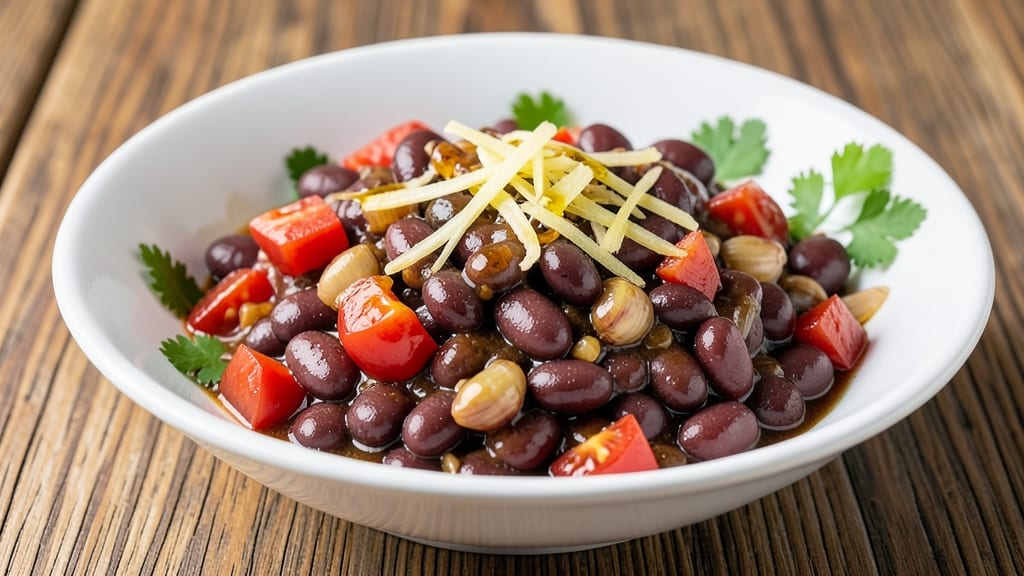
This bean masala recipe transforms simple ingredients into a rich, aromatic curry that balances spice, acidity, and earthy flavors in every bite. The secret lies in slow simmering—letting the beans soften while the spices meld into a velvety sauce.
I developed this version after years of testing, ensuring the perfect balance between traditional techniques and modern convenience. The foundation begins with a spice tempering—toasting whole spices in hot oil to release their natural oils—before adding tomatoes and herbs that form the base.
Kidney beans or chickpeas work beautifully here, but the method adapts to any sturdy bean variety. The dish develops deeper flavor the longer it simmers, making it ideal for meal prep or special occasions.
By the end, you’ll have a lush, golden curry with tender beans swimming in a sauce that’s both tangy and slightly sweet. Serve it with basmati rice or warm naan to soak up every last drop.
This recipe delivers restaurant-quality results without the fuss, proving that homemade Indian cuisine can be both impressive and approachable. Whether you’re feeding a family or meal prepping for the week, this bean masala adapts effortlessly.
The slow-cooked method ensures maximum flavor extraction, while the spice blend can be adjusted to suit your heat preference. Let’s get cooking!
Ingredients for bean masala
Simple pantry staples and fresh aromatics create this restaurant-worthy bean masala.
| Ingredient | Amount | Notes |
|---|---|---|
| Kidney Beans 🌿 | 1 ½ cups | Dried, soaked overnight or canned (drained) |
| Medium Yellow Onion 🧅 | 1 whole | Finely diced for base |
| Fresh Tomato 🍅 | 2 medium | Chopped, or 1 cup canned tomatoes |
| Fresh Ginger | 1 inch | OR 0.5 tbsp grated ginger |
| Fresh Ginger 🌿 | ½ tbsp | Grated, for aromatic base |
| Garlic Cloves 🧄 | 4 cloves | Minced for depth of flavor |
| Vegetable Oil 🫒 | ¼ cup | For spice tempering |
| Cumin Seeds 🌶️ | 1 tbsp | Toasted for earthy aroma |
| Ground Coriander 🌿 | 1 tbsp | For citrusy brightness |
| Turmeric Powder 🌶️ | ½ tsp | For golden color |
| Garam Masala 🌶️ | 1 tsp | Warm spice blend |
| Fresh Cilantro 🌿 | ¼ cup | Chopped, for garnish |
| Lemon Juice 🍋 | 1 tbsp | Freshly squeezed for acidity |
| Salt 🧂 | 1 ½ tsp | Adjust to taste |
| Water 💧 | 2 cups | For simmering beans |
The ginger and garlic form the aromatic base—fresh is non-negotiable here. For the ginger, peel a 1-inch piece (about 0.5 tbsp grated) and finely mince it. Whole Foods or Indian grocery stores carry the freshest ginger with vibrant color. The cumin seeds need toasting—heat them in oil until fragrant (about 30 seconds) to unlock their full flavor. If you're short on time, ground cumin works but lacks that toasty depth. For the beans, kidney beans are traditional but chickpeas or black beans work equally well if you prefer a different texture.
No fresh cilantro? Dried cilantro works at half the amount, though it lacks the bright freshness. Substituting canned tomatoes? Drain them well and crush by hand for better texture. The garam masala is key—MDH or Everest brands are widely available and reliable. For heat preference, add cayenne pepper (start with 0.25 tsp) or red chili flakes. The lemon juice should be freshly squeezed—bottled juice lacks the bright acidity that balances the richness. If you're meal prepping, double the recipe and freeze portions for up to 3 months.
Store the fresh ginger in a sealed container in the fridge for up to 2 weeks or freeze it for longer storage. The garam masala keeps its potency for 6-12 months in a cool, dark place. This curry tastes even better the next day as flavors meld—plan ahead and make extra for leftovers. Reheat gently on low heat with a splash of water to maintain the sauce's consistency. The beans should be tender but not mushy—adjust simmering time based on your bean variety.
Why You'll Love This Recipe
- One-Pot Magic: I swear by this recipe—just toss everything into one pot, and the onions caramelize while the tomatoes break down into a rich, spiced base. No chopping boards to clean, no extra dishes. The beans soften perfectly as the flavors meld, and honestly? That’s my kind of cooking.
- Ginger-Garlic Bomb: Between us, the fresh ginger and garlic in this masala are chef’s kiss. I don’t even bother with paste—grating it yourself makes all the difference. The heat builds slowly, then settles into something warm and lingering, like a hug in a bowl. My husband steals my plate before I finish mine.
- Weeknight to Potluck: This dish is my go-to for lazy Tuesdays and Sunday gatherings. Double the batch, and you’ve got leftovers for lunches or a crowd-pleaser for dinner parties. Serve it with rice, naan, or even over toast—it’s that adaptable. (Yes, even on a Tuesday night.)
- Budget Hero: Kidney beans and onions stretch this recipe into a full meal without breaking the bank. A single can of beans and a few fresh veggies feed four for under $5. I’ll be real: it’s the kind of recipe that makes me feel like I’m feeding a family on a teacher’s salary, not a food blogger’s budget.
Step-by-step instructions for spiced tomato and herb simmered beans
This method builds deep, aromatic flavors through careful layering of spices and slow simmering.
Prepare the Base Ingredients
Begin by rinsing the 1.5 cups kidney beans thoroughly under cold water to remove any impurities. If using dried beans, ensure they've been soaked overnight. For canned beans, drain and rinse well to remove excess sodium. Finely dice the 1 whole medium yellow onion into small, even pieces—this ensures even cooking and better flavor distribution.
Chop the 2 medium fresh tomatoes into small chunks, removing any seeds or tough cores. Peel and finely grate the 1-inch fresh ginger and 0.5 tablespoon fresh ginger separately—this dual approach adds both aromatic depth and subtle heat. Mince the 4 cloves garlic finely to release their full flavor potential. Keep all prepared ingredients within easy reach for the next step.
Temper the Spices in Oil
Heat the 0.25 cup vegetable oil in a heavy-bottomed pot over medium heat. Add the 1 tablespoon cumin seeds and toast them for 30 seconds until they begin to sizzle and release their earthy aroma. Immediately add the 1 tablespoon ground coriander, 0.5 teaspoon turmeric powder, and stir continuously for 1 minute to prevent burning.
This spice tempering step is crucial—it blooms the flavors and prevents them from becoming bitter. You'll see the spices darken slightly and fill your kitchen with a warm, aromatic scent. Remove the pot from heat and let the spice mixture cool for 2 minutes before adding any other ingredients.
Build the Flavor Base
Return the pot to medium-low heat and add the diced onion. Cook for 5-6 minutes until the onions soften and turn translucent. Add the grated ginger and minced garlic, cooking for another 2 minutes until the raw garlic aroma disappears and the mixture becomes fragrant.
Stir in the chopped tomatoes, 1 teaspoon garam masala, and 1.5 teaspoons salt. Cook for 5 minutes until the tomatoes break down and release their juices. The mixture should thicken slightly and develop a rich, tomatoey aroma. This is your flavor foundation—where all the spices meld together.
Simmer the Beans
Add the rinsed kidney beans and 2 cups water to the pot. Bring the mixture to a gentle boil, then reduce heat to low and cover partially. Let it simmer for 25-30 minutes, stirring occasionally, until the beans are tender but still hold their shape. You'll know they're ready when a bean easily crushes between your fingers but doesn't fall apart completely.
If the mixture looks too thick, add 2-3 tablespoons water to maintain a loose consistency. The beans should be swimming in their flavorful broth. During this time, the spices will continue to infuse, creating that signature bean masala depth. Keep the lid slightly ajar to allow any excess steam to escape.
Finish and Garnish
Once the beans are tender, stir in the 1 tablespoon lemon juice and 0.25 cup chopped fresh cilantro. The acidity brightens the dish, cutting through the richness of the spices. Taste and adjust the seasoning—you may need a pinch more salt or a squeeze of additional lemon juice to balance the flavors.
Let the bean masala sit off the heat for 5 minutes to allow the flavors to fully meld. Garnish with extra cilantro and serve warm with crusty bread or over steamed rice. The dish should be vibrant, aromatic, and bursting with layered spice notes that dance between earthy, citrusy, and slightly sweet.
Pro Tips For Making Bean Masala
- SOAK BEANS OVERNIGHT: I learned this the hard way—rushing kidney beans with a quick soak leaves them tough and mealy. Toss them in water for 8-12 hours (yes, even if you’re impatient like me), then rinse before cooking. The longer they soak, the creamier the final texture, and you’ll skip the bloated, half-cooked beans that ruin the dish.
- CARAMELIZE ONIONS LOW: Medium yellow onions turn bitter if you rush them. Cook them on medium-low heat for 15-20 minutes, stirring occasionally, until they’re deep golden—not brown. This sweetens the base of your masala, balancing the earthy beans and spice. (Pro tip: Add a pinch of salt halfway through to draw out moisture.)
- BLITZ THE TOMATO-GINGER MIX: Skip the chopping—puree the tomatoes and ginger together in a blender first. This cuts prep time by half and ensures a smooth, consistent sauce. For extra depth, add a splash of water to loosen any stubborn pulp. (Your future self will thank you.)
- TASTE BEFORE ADDING BEANS: Build the masala (onions, ginger, spices) until it’s fragrant and deep-colored, then taste it raw. If it’s bland, add a splash of water or a pinch of sugar to brighten the flavors before the beans go in. This prevents the dish from tasting like "spiced beans" and more like a proper masala.
Make-ahead tips for bean masala
Prep Ahead Strategy
Start by prepping all your spices and aromatics the night before—grate the ginger, mince the garlic, and chop the onions and tomatoes. Store them in airtight containers in the fridge.
This saves 20 minutes of prep time the next day and keeps your ingredients fresh. I like using glass containers with snap lids for easy storage and reheating. 💡
Slow Cooker Adaptation
For hands-off cooking, use a 6-quart slow cooker on low for 6-7 hours or high for 3-4 hours. Add all ingredients as directed, but reduce water to 1 cup—the beans will absorb more liquid during slow cooking.
The result is even more tender beans with deeply infused flavors. Just stir in lemon juice and cilantro at the end. ⏰
Freezer-Friendly Packaging
Portion cooled bean masala into quart-sized freezer bags or airtight containers, leaving 1 inch headspace for expansion. Label with the date—it keeps for up to 3 months. When reheating, thaw overnight in the fridge, then warm on the stovetop with 2 tablespoons water to restore texture.
Microwave reheating works too but can make the sauce watery. ❄️
Spice Blend Shortcut
Make a double batch of the spice tempering and store it in a small jar for up to 2 weeks. This pre-mixed blend saves time and ensures consistent flavor.
Just toast the cumin seeds fresh each time for maximum aroma, then mix with the ground coriander and turmeric. Use 2 tablespoons of this blend for future batches. 🌶️
Bean Swaps for Variety
Try black beans for a creamier texture or chickpeas for a nuttier profile. Adjust cooking time—black beans need 10-15 minutes less while chickpeas may require 5-10 minutes more.
For extra protein, add ½ cup cooked lentils in the last 10 minutes of simmering. The flavor base remains the same, so the method stays identical. 🌿
Make-Ahead Serving Tips
Reheat portions in a skillet with 1 tablespoon oil over medium heat for 5-7 minutes to revive the sauce's richness. For extra brightness, finish with a squeeze of lemon juice and fresh cilantro.
Serve with pre-cooked rice or store-bought naan to save even more time. The dish tastes best the next day as flavors meld further. 💛
Nutrition facts
Frequently asked questions
Can I use canned beans instead of dried?
Yes, canned beans work perfectly! Just drain and rinse them thoroughly to remove excess sodium. Use the same quantity as dried beans (1.5 cups), but reduce simmering time by about 10 minutes since they're pre-cooked. For extra flavor, add ½ cup water during simmering to compensate for lost liquid.
How do I adjust the spice level?
Start with the recipe as written for a mild-medium heat. For extra spice, add ½ teaspoon cayenne pepper or 1 teaspoon red chili flakes during the spice tempering. For a milder version, reduce garam masala to ½ teaspoon and omit cayenne entirely. Always taste before serving!
What's the best way to store leftovers?
Transfer cooled bean masala to an airtight container and refrigerate for up to 5 days. For longer storage, freeze in portions for 3 months. When reheating, add 2 tablespoons water per serving to restore sauce consistency. Never reheat directly from frozen—thaw first in the fridge.
Can I make this in an Instant Pot?
Use the sauté function to temper spices, then add all ingredients (including 1.5 cups water) and cook on high pressure for 8 minutes. Quick-release the pressure, then stir in lemon juice and cilantro. The Instant Pot version cooks 30 minutes faster but delivers equally rich flavors.
Why did my beans turn mushy?
Overcooking or using too much water are the most common causes. For future batches, check doneness by crushing a bean between your fingers—it should be tender but still hold shape. If using dried beans, always soak them overnight first. For canned beans, reduce simmering time to 15-20 minutes total.