
Sauces & Condiments
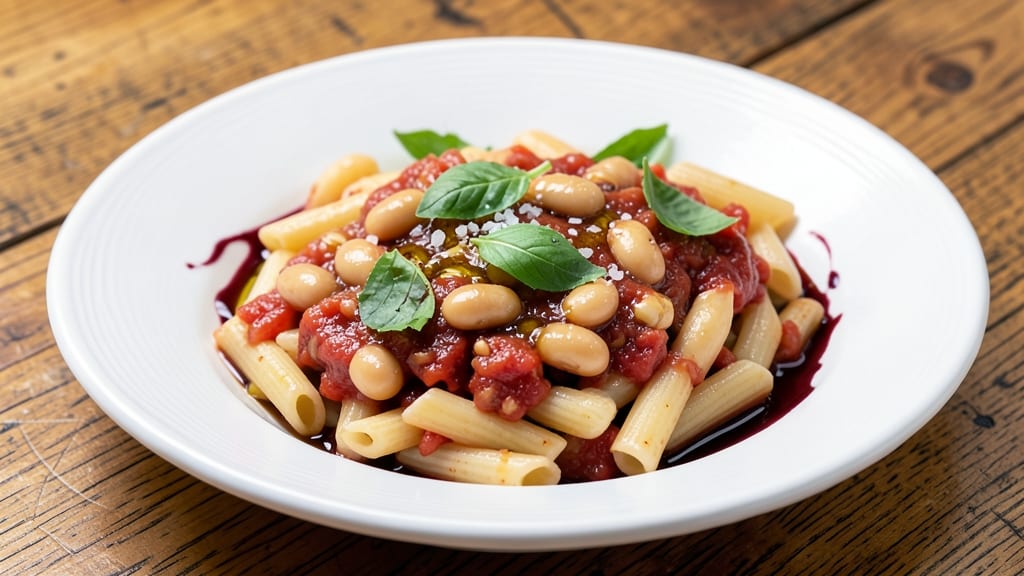
This bean pasta sauce recipe transforms simple pantry staples into a deeply flavorful, umami-rich sauce that elevates any pasta dish. The combination of cannellini beans, crushed tomatoes, and aromatic herbs creates a creamy yet chunky texture with layers of earthy depth that cling perfectly to noodles.
I developed this sauce after realizing how often store-bought options fell short of restaurant-quality richness—this version delivers that same satisfying complexity at home.
The beauty of this recipe lies in its versatility and simplicity. With just 10 ingredients and 30 minutes of active time, you’ll create a sauce that works equally well with penne, spaghetti, or gluten-free pasta.
The beans blend seamlessly into the tomato base, adding protein and a velvety consistency without overpowering the dish. Garlic, red wine vinegar, and fresh basil ensure bright, balanced flavors that shine even after reheating.
What makes this sauce truly special is its ability to adapt to dietary needs—it’s vegetarian by default but easily vegan when you skip the parmesan. The sauce thickens beautifully as it simmers, creating a luxuriously clingy finish that coats every bite.
Store leftovers in the fridge for up to 5 days or freeze for 3 months, making it perfect for meal prep or batch cooking.
Pair it with crusty bread for dipping, or toss it with your favorite pasta and top with toasted pine nuts and extra basil. The possibilities are endless, but the result is always restaurant-worthy—rich, hearty, and full of umami depth that turns a simple pasta night into something extraordinary.
Ingredients for bean pasta sauce
Ten ingredients, umami-packed sauce that turns basic pasta into a restaurant-worthy dish.
| Ingredient | Amount | Notes |
|---|---|---|
| Cannellini Beans 🌱 | 1 ½ cups | Drained and rinsed, cooked or canned |
| Crushed Tomatoes 🍅 | 28 oz | High-quality canned, San Marzano preferred |
| Extra-Virgin Olive Oil 🫒 | ½ cup | For richness and depth |
| Garlic Cloves 🧄 | 4 cloves | Freshly minced, aromatic |
| Red Wine Vinegar 🍷 | 2 tbsp | For bright acidity balance |
| Fresh Basil Leaves 🌿 | ½ cup | Chopped, vibrant green |
| Vegetable Broth 💧 | 1 cup | Low-sodium preferred |
| Parmesan Cheese 🧀 | ¼ cup | Freshly grated, vegetarian rennet |
| Salt 🧂 | 1 tsp | Diamond Crystal kosher preferred |
| Black Pepper 🌶️ | ½ tsp | Freshly cracked |
The cannellini beans are the secret weapon here—drained and rinsed for perfect texture. Trader Joe's has the best canned variety, but any high-quality canned beans work. For the tomatoes, San Marzano crushed tomatoes are worth the splurge—they're sweeter and less acidic. If you can't find them, Muir Glen is a solid backup. Fresh basil is non-negotiable for that bright, aromatic finish, but if you're in a pinch, dried basil works at half the amount. The garlic? Freshly minced makes all the difference—pre-minced loses flavor fast.
No red wine vinegar? White wine vinegar or apple cider vinegar works in a bind, though the flavor won't be identical. Short on vegetable broth? Water plus a bouillon cube gets you close. The Parmesan can be swapped for nutritional yeast to make it vegan, though it'll have a different flavor profile. Want more depth? Add a pinch of smoked paprika or a dash of miso paste. The sauce thickens as it simmers, so if it looks too thin after 20 minutes, simmer uncovered for 5-10 more minutes—the beans help bind it naturally.
This sauce tastes even better the next day as the flavors meld. Store in an airtight container in the fridge for up to 5 days, or freeze for 3 months—it reheats beautifully. I always make a double batch because it disappears fast. The sauce pairs perfectly with toasted pine nuts or crispy breadcrumbs for extra texture. If you're prepping for the week, portion it into containers with your favorite pasta—just toss and heat when ready.
Why You'll Love This Recipe
- No-Cook Shortcut: I’ll admit, I used to skip this step—but now I just toss canned beans and crushed tomatoes into a pot, let them simmer while I chop garlic. That’s it. The vinegar brightens everything in minutes, no fancy technique needed.
- Umami Bomb: Between the creamy cannellini beans and that little splash of red wine vinegar, this sauce has depth without being heavy. Honestly, the garlic and olive oil make it taste like you spent hours, but it’s really just 15 minutes of simmering.
- Lunchbox Hero: This sauce keeps perfectly for days, so I make a big batch on Sundays and portion it into jars. Toss with pasta for dinner, or pack it cold over greens for a no-cook lunch. My kids actually eat their veggies this way—no complaints.
- Pantry Magic: You’re looking at a $3 sauce that feeds four. Cannellini beans are cheap, tomatoes are cheap, and olive oil? Well, it’s worth every penny. I’ll be real: this is the kind of recipe that makes me feel like I’m feeding a crowd without breaking the bank.
Step-by-step instructions for bean pasta sauce
This umami-packed sauce brings hearty texture and deep flavor to any pasta dish—let's build it together.
Sauté Garlic in Olive Oil Until Fragrant
Heat the 0.5 cup extra-virgin olive oil in a large pot over medium-low heat. Add the 4 minced garlic cloves and cook for 2-3 minutes until they turn a pale golden color and release their signature aroma. This step is crucial—don't let the garlic brown or it'll turn bitter. Stir occasionally to prevent sticking, and keep the heat gentle to avoid burning.
Here's the thing—this initial sauté creates the flavor foundation. The olive oil carries the garlic's essence throughout the sauce, so take your time. If you smell anything acrid, reduce the heat immediately. Once the garlic is just golden, you're ready to move forward.
Build the Sauce Base with Tomatoes and Beans
Pour in the 28 oz crushed tomatoes and stir to combine with the garlic. Add the 1.5 cups drained cannellini beans and 1 cup vegetable broth, then bring everything to a gentle simmer over medium heat. The sauce should bubble softly—this helps the flavors meld without breaking down the beans' texture.
Let it simmer uncovered for 15 minutes, stirring occasionally. You'll notice the sauce thicken slightly as moisture evaporates. This is when the tomatoes' natural sweetness starts to emerge, and the beans contribute their earthy depth. If the sauce looks too thin after 15 minutes, reduce the heat to low and let it cook another 5 minutes—it'll thicken as it cools slightly.
Balance Flavors with Vinegar and Seasonings
Stir in the 2 tbsp red wine vinegar, 1 tsp salt, and 0.5 tsp black pepper. The vinegar brightens the sauce, cutting through the richness of the tomatoes and beans. Taste and adjust seasoning—this is your chance to fine-tune the balance. You might need a pinch more salt or a splash more vinegar, depending on your tomatoes' acidity.
Simmer for another 5 minutes to let the vinegar integrate fully. The sauce should now have a harmonious blend of sweet, tangy, and savory notes. If you're using high-quality San Marzano tomatoes, you'll taste their natural sweetness more prominently. This is the moment that matters—don't rush it, as proper seasoning ensures the sauce shines.
Finish with Basil and Parmesan for Depth
Remove the pot from heat and stir in the 0.5 cup chopped fresh basil leaves and 0.25 cup freshly grated Parmesan cheese. The basil adds vibrant freshness, while the Parmesan contributes a nutty umami richness. Let the sauce sit off the heat for 2-3 minutes—this allows the basil to soften slightly and the Parmesan to melt into the sauce rather than stay in chunks.
Give it one final taste. The sauce should be balanced—bright from the vinegar and basil, rich from the tomatoes and beans, and savory from the Parmesan. If it's too thick, whisk in 1-2 tablespoons of pasta water to loosen it slightly. The sauce will continue to thicken as it cools, so aim for a consistency that's just slightly thicker than you'd like when served.
Serve Over Al Dente Pasta
Toss the sauce with cooked al dente pasta (about 1 pound dry pasta, cooked to 1 minute shy of package directions). The residual heat from the sauce will finish cooking the pasta perfectly. If the sauce seems too thick after tossing, add another splash of pasta water to achieve a silky, clinging consistency.
Serve immediately, garnished with additional fresh basil leaves and grated Parmesan cheese. The sauce should coat each strand of pasta beautifully, delivering layers of flavor with every bite. This bean-rich sauce holds its own against even the heartiest pasta shapes—try it with rigatoni, pappardelle, or cavatappi for maximum texture contrast.
Pro Tips For Making Bean Pasta Sauce
- CRUSH BEANS HALFWAY: Drain canned cannellini beans but leave them whole—crush about half of them with a fork or potato masher before adding to the sauce. The mix of textures gives you both creamy pockets and chunky bites, and it prevents the sauce from turning into a gluey blob when simmered.
- SWEAT GARLIC LOW: After sautéing garlic in olive oil, reduce heat to the lowest setting you can tolerate and let it sit for 30 seconds before stirring. I learned this the hard way—burnt garlic turns the whole sauce bitter, and no amount of vinegar or tomatoes can fix it.
- SALT THE TOMATOES FIRST: Sprinkle crushed tomatoes with ½ teaspoon salt and let them sit for 5 minutes before adding to the pot. This draws out water and concentrates their flavor, so your sauce won’t taste like watered-down pulp by the end.
- DEGLAZE WITH VINEGAR LAST: Wait until the garlic and beans are cooked before adding red wine vinegar—toss it in with the tomatoes at the very end. Vinegar’s acidity cuts through the richness of the olive oil and beans, but adding it too early can make the sauce taste sharp and unfinished.
Best sauces and condiments for this recipe
Creamy Garlic White Bean Sauce
Blend 1 cup white beans (cannellini or great northern) with 1 cup heavy cream or coconut cream for a velvety, dairy-free version. Add 3 minced garlic cloves, 1 tsp lemon zest, and ½ cup reserved pasta water to create a rich, garlicky sauce.
Finish with 2 tbsp chopped parsley and a pinch of nutmeg. This sauce works beautifully with fettuccine or gluten-free spaghetti and pairs well with grilled shrimp or roasted vegetables. 🌿
Spicy Tomato-Bean Chili Sauce
For a bold, spicy twist, blend 1 cup cooked black beans with 1 cup fire-roasted diced tomatoes, 1 tbsp chili powder, ½ tsp cayenne pepper, and 1 tsp smoked paprika.
Simmer for 10 minutes and finish with 2 tbsp lime juice and ¼ cup chopped cilantro. This sauce adds heat and depth to penne or bowtie pasta and complements grilled chicken or tofu. 🌶️
Herbed Olive Oil & Bean Pesto
Combine 1 cup cooked white beans with ½ cup extra-virgin olive oil, 2 cloves roasted garlic, ¼ cup pine nuts, 2 tbsp lemon juice, and ¼ cup fresh parsley in a food processor.
Pulse until smooth, then toss with 1 pound cooked pasta. Add ½ cup grated Pecorino Romano for extra richness. This pesto-style sauce is perfect for farfalle or gluten-free lasagna. 🫒
Miso-Infused Bean Sauce
Create an umami-packed sauce by blending 1 cup cooked chickpeas with 1 tbsp white miso paste, 1 tbsp soy sauce, 1 tsp sesame oil, and ½ cup vegetable broth.
Simmer for 10 minutes and finish with 1 tbsp rice vinegar and 1 tsp toasted sesame seeds. This sauce pairs wonderfully with udon noodles or soba pasta, adding a savory, Japanese-inspired twist. ✨
Roasted Red Pepper & Bean Sauce
Roast 2 red bell peppers until charred, then blend with 1 cup cooked kidney beans, 1 cup marinara sauce, and 1 tsp smoked salt. Simmer for 15 minutes and finish with 2 tbsp balsamic vinegar and ¼ cup chopped basil.
This sauce adds a smoky, sweet depth to rigatoni or gluten-free penne and complements grilled meats or plant-based proteins. 🍅
Nutrition facts
Frequently asked questions
Can I use dried beans instead of canned for this bean pasta sauce?
Yes, but you'll need to soak them first! Use 1 cup dried cannellini beans soaked overnight in 4 cups water (or quick-soaked for 2 hours in boiling water). After soaking, drain and rinse thoroughly before adding to the sauce. Dried beans add a slightly nuttier flavor but require longer cooking time to soften completely.
How do I make this sauce vegan?
Skip the Parmesan and use nutritional yeast (2 tbsp) for a cheesy flavor. For extra richness, stir in 1 tbsp olive oil at the end. The sauce will still be hearty and flavorful—just omit any dairy-based ingredients. The beans provide plenty of protein without animal products.
What's the best pasta shape for this bean sauce?
This sauce works beautifully with rigatoni, pappardelle, or fettuccine—the ridges and flat surfaces help it cling perfectly. For a lighter option, try linguine or gluten-free spaghetti. Avoid delicate shapes like angel hair, as they can get soggy with the chunky bean-tomato texture.
Why did my sauce turn out too thick?
This often happens when simmering too long or using low-moisture tomatoes. To fix it, whisk in 2-3 tablespoons of pasta water while the sauce is still warm. For prevention, use San Marzano crushed tomatoes (they're juicier) and simmer for exactly 15-20 minutes. The beans help thicken naturally, but balance is key!
Can I make this sauce ahead and freeze it?
Let the sauce cool completely, then store it in an airtight container in the fridge for up to 5 days or freeze for 3 months. Thaw overnight in the fridge and reheat gently on the stove. The flavors actually improve after resting, making it perfect for meal prep. Just add a splash of water when reheating if it thickens too much.