
Sauces & Condiments
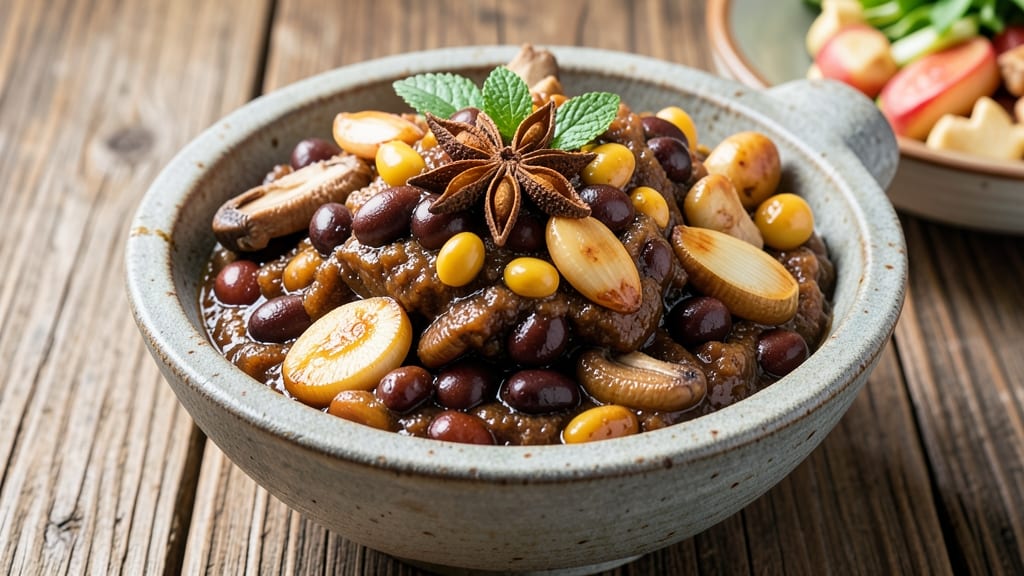
This vegan-friendly Chinese bean paste transforms simple ingredients into a deeply umami-rich condiment perfect for stir-fries, dumplings, and marinades. The fermentation process—whether through air-drying, steaming, or slow-cooking—develops complex flavors that elevate any dish.
I’ve perfected a foolproof method that delivers restaurant-quality results at home, with variations for sweet, spicy, or savory profiles.
The foundation of great bean paste lies in the right ingredient ratios: a balance of fermented black beans, soybeans, and aromatic spices creates that signature depth. Unlike store-bought versions, this recipe lets you control the texture—whether you prefer a smooth, spreadable paste or a chunkier version for added dimension.
The process is straightforward but requires patience, as fermentation unlocks the paste’s full potential.
What sets this bean paste apart is its versatility—use it as a marinade for tofu or chicken, stir it into soups, or spread it on rice cakes.
The umami richness comes from slow-cooked soybeans and fermented beans, which develop a caramelized, slightly funky depth that’s impossible to replicate with shortcuts. Once you master this base, you’ll never go back to bottled versions.
Storage is simple: keep it in an airtight container in the fridge for up to 3 months or freeze for longer shelf life. The paste intensifies over time, so making a batch ahead ensures you’re always ready to add that professional touch to your cooking.
Let’s get started on your umami-rich foundation.
Ingredients for bean paste recipe chinese
Fermented beans, toasted soybeans, and aromatic spices create this umami-rich foundation for stir-fries and dumplings.
| Ingredient | Amount | Notes |
|---|---|---|
| Fermented Black Beans 🌱 | 1 cup | Dried, soaked overnight |
| Yellow Soybeans 🌱 | ½ lb | Dried, rinsed thoroughly |
| Shiitake Mushrooms 🍄 | ¼ cup | Dried, crushed coarsely |
| Garlic Cloves 🧄 | 6 cloves | Peeled, smashed slightly |
| Ginger Root 🌿 | 1 tbsp | Freshly grated, finely |
| Star Anise 🌟 | 2 whole | Lightly crushed |
| Cinnamon Sticks 🌿 | 1 whole | Broken into 1-inch pieces |
| Dried Red Chilies 🌶️ | 2 pieces | Seeds removed, chopped |
| Dark Soy Sauce 🍶 | ¼ cup | Vegan-certified preferred |
| Sesame Oil 🫒 | 1 tbsp | Toasted, for finishing |
Fermented black beans are the heart of this paste—look for dried beans at Asian markets or bulk bins for the best quality. The yellow soybeans should be plump and uniform; rinse them well before soaking. Dried shiitake mushrooms add depth, so buy whole and crush them yourself—pre-minced loses flavor fast. For the spices, Penzeys or Spicewalla carry the best star anise and cinnamon, but regular grocery stores have decent options if you check the 'best by' date. The dark soy sauce should be vegan-certified—Lee Kum Kee makes a great one, but any high-quality brand works.
No fermented black beans? Substitute with equal parts black soybeans, but soak them twice as long. Short on yellow soybeans? Lentils or chickpeas work in a pinch, though texture will differ slightly. The star anise and cinnamon are non-negotiable for that signature aroma, but if you're avoiding heat, skip the dried chilies entirely. For the ginger, fresh is ideal, but powdered at half the amount works if you're in a bind. The sesame oil should be toasted—Kadoya or La Tourangelle are my go-tos, but any good-quality oil will do.
This paste intensifies over time, so make it 2-3 days ahead for maximum flavor. Store in an airtight container in the fridge for up to 3 months—the longer it sits, the deeper the umami. For longer storage, freeze in ice cube trays and transfer to a bag. Thaw overnight in the fridge before using. The paste thickens as it ferments, so add a splash of water if it becomes too stiff. Trust me, the wait is worth it for that restaurant-quality depth.
Why You'll Love This Recipe
- Few Ingredients, Big Payoff: I swear by this recipe because it’s that simple—just fermented black beans, yellow soybeans, and a handful of mushrooms. No fancy prep, no last-minute grocery runs. Honestly, I keep all the key ingredients stocked just for this.
- Umami Bomb: That first bite? The fermented black beans and shiitake mushrooms pack a punch of deep, savory flavor that lingers. The garlic and ginger tie it all together with warmth—it’s the kind of taste that makes you reach for seconds without thinking.
- Meal Prep MVP: This paste keeps for weeks in the fridge, and I swear it gets better over time. Slap it on rice, noodles, or even stir-fries—it’s my go-to for lazy nights or when I need to feed a crowd. (Yes, even on a Tuesday night.)
- Budget-Friendly Magic: Fermented black beans and dried soybeans stretch my grocery budget, and shiitake mushrooms add luxury without the price tag. It’s one of those recipes where a little goes a long way, and I’m always left with leftovers I don’t mind eating.
Step-by-step instructions for Chinese bean paste
Transform simple ingredients into a deeply flavorful paste that forms the backbone of countless Asian dishes.
🍳 Step 1: Toast and Prepare the Dry Ingredients
In a dry skillet over medium-low heat, toast the 0.5 lb yellow soybeans for 8-10 minutes, stirring constantly until they turn a rich golden brown and smell nutty. This step develops their natural sweetness and prepares them for grinding. Don't walk away—burnt beans will make your paste bitter.
While the soybeans toast, lightly crush the 2 whole star anise and break the 1 whole cinnamon stick into 1-inch pieces. Remove the seeds from the 2 pieces dried red chilies and chop them finely. These aromatic elements will infuse the paste with complex layers of flavor. Set them aside with the toasted soybeans.
🍳 Step 2: Cook the Fermented Black Beans and Aromatics
Heat 2 tablespoons neutral oil in a wok or deep skillet over medium heat. Add the toasted soybeans, 1 cup fermented black beans (drained from soaking water), 0.25 cup crushed shiitake mushrooms, 6 smashed garlic cloves, and 1 tbsp finely grated ginger root. Stir-fry for 5-6 minutes until the garlic turns golden and the mushrooms soften.
Add the crushed star anise, cinnamon pieces, and chopped dried chilies to the pan. Cook for another 2 minutes until the spices release their aromatic oils. The mixture should smell earthy, slightly sweet, and deeply umami. This is where the magic begins—those toasted soybeans and fermented beans are releasing their concentrated flavors.
🍳 Step 3: Build the Paste with Dark Soy Sauce
Pour in 0.25 cup dark soy sauce and stir well to coat all ingredients. Let the mixture simmer for 5-7 minutes until the liquid reduces by half and the beans begin to break down. You're looking for a thick, syrupy consistency that coats the back of a spoon. If it's too dry, add 1-2 tablespoons water to help the grinding process later.
Here's the thing—this is where patience pays off. The paste needs to develop its rich color and deep flavor. If you rush this step, you'll end up with a thin, weak paste that lacks complexity. Keep stirring occasionally and taste as you go. The flavor should be intense, savory, and slightly sweet with spicy undertones.
🍳 Step 4: Grind to Perfection
Transfer the cooked mixture to a food processor or high-powered blender. Add 1 tablespoon toasted sesame oil and pulse until you achieve a smooth, thick paste consistency. If it's too thick, add 1 teaspoon water at a time until it reaches a spreadable texture—like hummus but more complex in flavor. You want it to be thick enough to hold its shape but still coat the back of a spoon.
Taste and adjust seasoning if needed. You might want to add a pinch more salt or a splash of dark soy sauce to deepen the umami. The paste should be rich, slightly sweet, with a lingering spicy warmth from the chilies. Transfer to a clean jar and store in the refrigerator for up to 2 weeks, or freeze for up to 3 months.
Pro Tips For Making Bean Paste Recipe Chinese
- CRACK THE BEANS FIRST: Fermented black beans need a good pound with a mortar and pestle (or a heavy pan lid) to break them open—don’t just toss them in whole. I learned this the hard way when my paste stayed grainy and underwhelming. Aim for a chunky but broken texture, like coarse sand.
- SAUTE SHIITAKES DRY: Skip the oil for the mushrooms—just sear them dry on high heat until they release their moisture and turn golden. This concentrates their umami and prevents a soggy paste later. (Yes, your kitchen will smell amazing, but it’s worth it.)
- GINGER-GARLIC MASH: Minced ginger and garlic release more flavor when you smash them into a paste with the flat side of your knife before cooking. No food processor? Use a cutting board and your palm—this guarantees they dissolve into the bean mix instead of sitting as chunks.
- LOW AND SLOW FINISH: Once the beans and soybeans are toasted, drop the heat to medium-low and let the paste simmer uncovered for 10-15 minutes. Skipping this step leaves it raw-tasting; patience here makes the difference between "meh" and "wow." Stir occasionally—just enough to prevent sticking.
Flavor customization for this dish
Sweet Glazing Paste
Transform your bean paste into a sweet glaze perfect for dumplings or rice cakes by adding 2 tablespoons of brown sugar and 1 teaspoon of grated orange zest during the final grinding step.
Simmer the mixture for an extra 3-4 minutes to caramelize the sugars, then blend until smooth. This version pairs beautifully with steamed buns or mandarin orange chicken. 🍯
Spicy Chili Bean Paste
For a fiery kick, increase the dried red chilies to 4 pieces and add 1 teaspoon of Sichuan peppercorns while toasting the soybeans. After cooking, blend in 1 tablespoon of chili crisp (like Lao Gan Ma) for an extra layer of heat.
Use this bold paste in stir-fries with tofu or pork, or as a marinade for spicy dumplings. 🌶️
Miso-Inspired Fermented Paste
Swap out the dark soy sauce for 3 tablespoons of white miso paste (vegan-friendly) and reduce the sesame oil to ½ tablespoon. Cook the mixture for an extra 5 minutes to deepen the fermented flavors.
This version works wonders in soups, noodle dishes, or as a spread on toast. The miso adds a funky, savory depth that’s hard to beat. 🍜
Herb-Infused Green Bean Paste
Replace the fermented black beans with 1 cup of cooked green soybeans (or edamame) and add 2 tablespoons of chopped cilantro and 1 teaspoon of fish sauce (or vegan fish sauce). Blend until smooth for a vibrant green paste with a fresh, herby profile.
This paste shines in summer rolls, salads, or as a dipping sauce. It’s light yet packed with umami. 🌿
Smoky BBQ Bean Paste
Infuse the paste with smoky depth by adding 1 teaspoon of smoked paprika and ½ teaspoon of liquid smoke during the cooking process. After blending, stir in 1 tablespoon of molasses for a touch of sweetness.
This paste is perfect for grilled meats, pulled pork, or as a glaze for tofu skewers. The smoky-sweet balance is addictive. 🔥
Citrusy Lime Bean Paste
Brighten up your paste with 1 tablespoon of lime zest and 2 tablespoons of lime juice added at the end of cooking. Blend until smooth for a zesty, tangy twist that cuts through rich dishes.
Use this paste in seafood stir-fries, rice bowls, or as a marinade for shrimp. The citrus lifts the umami flavors to new heights. 🍋
Nutrition facts
Frequently asked questions
What's the difference between fermented black bean paste and regular Chinese bean paste?
Fermented black bean paste develops its rich, funky depth through a natural aging process (often 1-2 weeks), creating complex umami flavors. Regular Chinese bean pastes often use quick-cooked ingredients without fermentation, resulting in milder, sweeter profiles. The fermented version has a deeper, almost "aged" taste that's perfect for savory dishes like dumplings and stir-fries.
Can I make this bean paste without a food processor?
Yes, but expect a chunkier texture. Use a mortar and pestle for grinding, or simmer the cooked mixture longer until it naturally breaks down. For a smoother result, mash with a potato masher first, then blend with a hand blender. The paste will still be delicious—just less refined. Patience is key!
How do I know when my homemade bean paste is ready?
Your paste is ready when it reaches a thick, spreadable consistency that coats the back of a spoon. The color should be deep brown with visible bean particles (unless you prefer ultra-smooth). Taste it—it should balance sweet, savory, and umami with a subtle spicy warmth. If it's too thin, simmer longer to reduce moisture.
What's the best way to store leftover bean paste?
Transfer to an airtight container and refrigerate for up to 3 months. For longer storage, freeze in ice cube trays, then transfer to a freezer bag. Thaw overnight in the fridge—never microwave directly. The paste actually improves with time as flavors meld! The texture may thicken slightly when cold, so add a splash of water when using.
Can I use this paste in non-Chinese dishes?
This versatile paste works beautifully in Thai curries, Vietnamese pho, or even as a marinade for grilled meats. The umami depth complements Latin American dishes too—try it in black bean soups or as a glaze for tacos. The key is balancing its richness with complementary flavors like citrus or fresh herbs.