
Soups & Stews
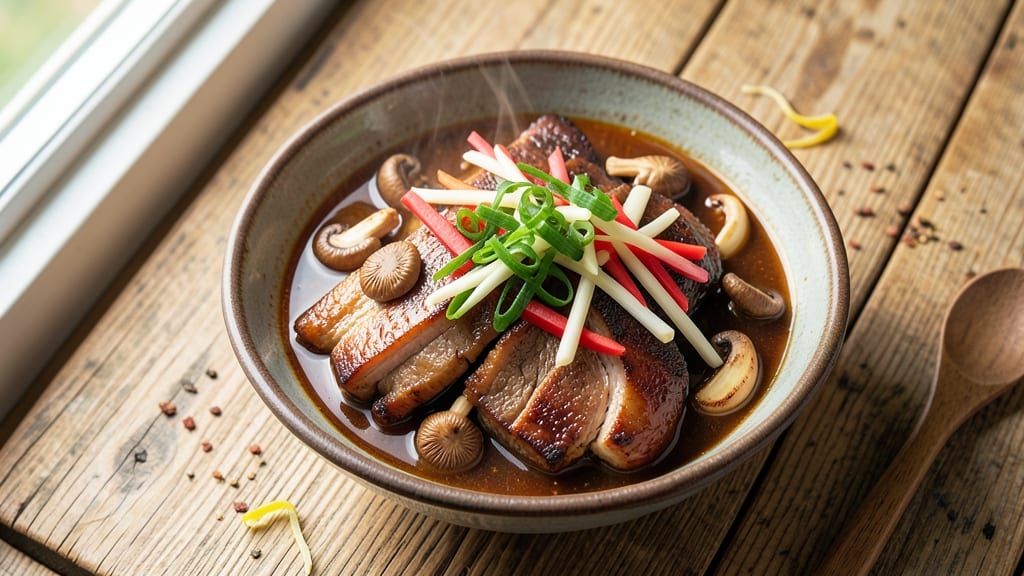
This Korean bean paste stew delivers deep umami richness in every spoonful, transforming simple ingredients into a hearty, comforting meal. The secret lies in fermented bean paste (doenjang), which builds complex flavors as it simmers for hours.
I’ve perfected this one-pot recipe to balance earthy, savory notes with tender vegetables and protein—no shortcuts, just authentic Korean home-cooking techniques.
The beauty of this stew is its versatility—it works with pork, mushrooms, or tofu, making it adaptable for any meal. The key steps involve toasting the bean paste to deepen its aroma, then letting it meld with vegetables and broth until everything is tender and infused with flavor.
No advanced skills required, just patience and a little attention to heat control.
What you’ll end up with is a fragrant, velvety stew with a glossy surface from a drizzle of sesame oil and bright green onions. The broth clings to every bite, delivering layers of fermented funk, caramelized sweetness, and subtle heat.
Serve it over steamed rice to soak up every last drop—this is the kind of meal that tastes even better the next day.
Perfect for chilly evenings or family gatherings, this stew scales effortlessly. The leftovers reheat beautifully, making it an ideal make-ahead dish. Whether you’re new to Korean cooking or a seasoned fan, this recipe delivers restaurant-quality results with minimal effort. Let’s get started!
Ingredients for bean paste stew korean
Authentic Korean flavors start with fermented bean paste and tender protein, simmered into velvety umami richness.
| Ingredient | Amount | Notes |
|---|---|---|
| Korean Fermented Bean Paste (Doenjang) 🥫 | ½ cup | High-quality, fermented for deep flavor |
| Pork Shoulder 🐖 | 1 ½ lb | Cut into 1-inch cubes, boneless |
| Dried Shiitake Mushrooms 🍄 | ¼ lb | Rehydrated in warm water |
| Korean Radish (Mu) 🥬 | 1 whole | Cut into 1-inch cubes, skin on |
| Green Onions 🧅 | ¼ cup | Sliced, white and green parts separated |
| Garlic Cloves 🧄 | 6 cloves | Minced, for aromatic depth |
| Ginger 🌿 | 1 tbsp | Fresh, grated, for balance |
| Sesame Oil 🫒 | 1 tbsp | For finishing, toasted aroma |
| Korean Red Pepper Flakes (Gochugaru) 🌶️ | 1 tsp | Adjust for heat preference |
| Korean Sea Salt 🧂 | 1 tsp | Diamond Crystal preferred |
| Korean Rice Wine (Mirin) 🍶 | ¼ cup | Sweetens and tenderizes |
| Vegetable Broth 💧 | 3 cups | Homemade or low-sodium store-bought |
| Toasted Sesame Seeds 🌰 | 1 tbsp | For garnish, toasted in dry pan |
The doenjang is non-negotiable—look for dark, crumbly blocks at Korean markets or specialty grocers like H Mart. The deeper the fermentation, the more complex the flavor. If you can't find it, miso paste is a decent substitute, though it lacks the funky depth. For the pork, shoulder is ideal—it stays tender through long cooking. If using mushrooms, shiitake adds earthy notes that complement the bean paste beautifully. The radish should be firm, not mealy, and the green onions should be bright green with crisp stems.
No doenjang? Miso paste plus 1 tsp soy sauce gets you closer, though the texture won't be identical. Swapping pork for extra-firm tofu? Press it for 30 minutes first to remove excess water. The mirin can be replaced with 1 tbsp sugar plus 1 tbsp rice vinegar, but it won't have the same umami punch. For extra heat, add 1 tsp gochujang (Korean chili paste) to the broth. The broth should be low-sodium—you're adding salt separately for balance. If your green onions are wilty, soak them in ice water for 10 minutes before slicing for crispness.
This stew tastes even better the next day as flavors meld. Store in an airtight container in the fridge for up to 5 days, or freeze for 3 months—portion into single servings for easy reheating. The bean paste aroma intensifies when reheated, so cover tightly and warm gently on low heat. Garnish with sesame seeds and green onions just before serving to keep them vibrant. For a restaurant-style finish, drizzle with a thin layer of sesame oil before serving—it adds a glossy sheen and extra aroma.
Why You'll Love This Recipe
- No-Chop Nightmare: I swear, this stew only asks for three actual cuts—pork into chunks, radish into wedges, and mushrooms rehydrated in hot water. The rest? Just stir. Even my lazy Sundays end with a bowl on the table.
- Umami Bomb: That first spoonful of doenjang—fermented, funky, deep—hits like a flavor revelation. The pork shoulder melts into tender shreds while the mushrooms and radish soak up the sauce, turning every bite into a savory hug.
- Leftover Goldmine: Make a double batch and thank me later. The flavors get better the next day as the bean paste mellows and the pork gets even more fall-apart perfect. Pack it for lunches or freeze portions—zero waste, all win.
- Budget Powerhouse: Pork shoulder and dried shiitake stretch forever, and a tub of doenjang lasts for ages. This is the kind of recipe where you spend less but feed more—my wallet and I both approve. (Yes, even on a Tuesday night.)
Step-by-step instructions for Korean bean paste stew
This method delivers restaurant-quality depth with simple techniques you can master at home.
Rehydrate Shiitake Mushrooms and Prep Vegetables
Place the 0.25 lb dried shiitake mushrooms in a bowl and cover with hot (not boiling) water. Let them soak for 20 minutes until fully rehydrated and pliable. Drain, reserving ¼ cup of the soaking liquid for later.
While the mushrooms soak, peel and cut the 1 whole Korean radish (mu) into 1-inch cubes, leaving the skin on for texture. Separate the 0.25 cup green onions into white and green parts. Mince the 6 cloves garlic and grate the 1 tbsp ginger. Keep all prepped ingredients within reach for efficient assembly.
Sear Pork Shoulder for Deep Flavor
Heat a large Dutch oven over medium-high heat with 1 tbsp sesame oil. Add the 1.5 lb pork shoulder in a single layer, working in batches if needed. Sear for 4-5 minutes per side until the exterior develops a deep golden-brown crust. This step builds the stew's foundational richness.
Remove the pork and set aside. In the same pot, add the rehydrated mushrooms and cook for 3 minutes until they release their moisture and begin to caramelize. Transfer the mushrooms to a plate and set aside with the pork.
Build the Umami Base with Doenjang
Reduce heat to medium-low and add the 0.5 cup Korean fermented bean paste (doenjang) to the pot. Stir continuously for 2-3 minutes until it darkens and coats the bottom, creating a flavorful maillard crust. This is where the stew's signature depth develops.
Add the 0.25 cup Korean rice wine (mirin), 1 tsp Korean red pepper flakes (gochugaru), and 1 tsp Korean sea salt. Stir well to combine, then pour in the 3 cups vegetable broth and the reserved ¼ cup mushroom soaking liquid. Scrape up any browned bits from the bottom with a wooden spoon.
Simmer Until Pork is Fork-Tender
Return the pork shoulder and mushrooms to the pot. Bring to a gentle simmer and cover partially. Cook for 1 hour and 15 minutes, stirring occasionally, until the pork is fork-tender and easily pulls apart. The stew should reduce slightly, concentrating flavors.
Add the white parts of green onions, garlic, and ginger to the pot. Simmer uncovered for an additional 10 minutes to allow the aromatics to infuse. Taste and adjust seasoning with additional salt or gochugaru if needed.
Finish and Garnish for Presentation
Remove the stew from heat and let it rest for 5 minutes. Stir in the green onion tops and 1 tbsp sesame oil just before serving. Ladle the stew into bowls, garnishing each serving with 1 tbsp toasted sesame seeds. The contrast of toasted seeds against the rich broth adds both texture and visual appeal.
Serve immediately with steamed rice to soak up the deep, umami-packed sauce. The pork should be tender enough to pull apart with chopsticks, and the mushrooms should retain their meaty texture. Each spoonful should deliver layers of fermented bean paste complexity balanced by the sweetness of mirin and the subtle heat of gochugaru.
Pro Tips For Making Bean Paste Stew Korean
- Bloom the Shiitakes First: Toss dried shiitakes in hot water for 10 minutes before adding them to the stew—this jumpstarts their flavor and prevents them from turning to mush later. I used to skip this and ended up with sad, waterlogged mushrooms every time.
- Salt the Pork Shoulder: Generously coat the pork shoulder with coarse salt and let it sit uncovered in the fridge for at least 30 minutes before cooking. My grandmother swore by this, and it makes the meat tender and the stew richer—no guessing about seasoning later.
- Simmer Low After Boiling: Once the stew reaches a rolling boil, immediately reduce the heat to the lowest setting that keeps it bubbling gently. I learned this the hard way—high heat burns the doenjang and makes the stew bitter, and nobody wants that.
- Grate the Korean Radish: Skip the chopping—grate the Korean radish (mu) into fine, even shreds for a silky texture that blends into the stew instead of sitting as chunks. It’s a little extra work, but it makes the dish noticeably smoother.
Make-ahead tips for this bean paste stew korean
Prep Ahead for Flavor
Toast the doenjang in advance to deepen its aroma—simply spread 0.5 cup on a baking sheet and broil for 2-3 minutes until fragrant. Store in an airtight container in the fridge for up to 1 week. This step intensifies the stew’s umami profile without extra effort. 🌟
Mushroom Prep Shortcut
Rehydrate the 0.25 lb dried shiitake mushrooms in 1 cup hot water for 20 minutes, then drain and store the mushrooms and soaking liquid separately in the fridge for 3 days. This saves time on cooking day and ensures they’re ready to add directly to the pot.
Pork Prep for Efficiency
Cut the 1.5 lb pork shoulder into 1-inch cubes and marinate overnight in 1 tbsp soy sauce and 1 tbsp mirin. Store in an airtight container in the fridge. The marinade tenderizes the meat and adds depth, while the prep work is done ahead of time. ⏰
Vegetable Prep Station
Peel and cube the 1 Korean radish (mu) and slice the 0.25 cup green onions in advance. Store in separate containers in the fridge for 3 days.
Mince the 6 garlic cloves and grate the 1 tbsp ginger just before cooking to preserve freshness. This keeps your cooking day streamlined.
Broth and Seasonings
Combine the 3 cups vegetable broth, 0.25 cup mirin, 1 tsp gochugaru, and 1 tsp Korean sea salt in a pitcher. Store in the fridge for 2 days.
This pre-mixed broth and seasoning blend ensures balanced flavor without last-minute measuring. Stir well before adding to the pot.
Freezer-Friendly Leftovers
Portion cooled stew into quart-sized freezer bags, leaving 1 inch headspace for expansion. Label with the date and freeze for up to 3 months. To reheat, thaw overnight in the fridge, then warm on the stovetop over low heat for 10-15 minutes.
The flavors deepen further after reheating, making it taste even more restaurant-worthy. ❄️
Nutrition facts
Frequently asked questions
What makes Korean bean paste stew different from regular stews?
The key lies in the fermented bean paste (doenjang), which provides deep umami flavor through fermentation. Unlike Western stews that rely on tomatoes or herbs, this dish builds complexity through slow simmering and toasted aromatics like garlic and ginger. The balance of sweet (mirin), salty (bean paste), and spicy (gochugaru) creates a unique Korean profile.
Can I make this stew vegetarian or vegan?
Yes! Replace pork with extra-firm tofu (pressed for 30 minutes) or mushrooms like shiitake. For vegan, use vegetable broth and check your bean paste is vegan-certified. Add 1 tbsp soy sauce to compensate for lost meaty depth. The texture will be heartier but still packed with umami.
How do I fix a stew that's too salty?
Add 1 potato cut into chunks or ½ cup cooked rice to absorb excess salt. Simmer for 15-20 minutes, then remove. For immediate balance, stir in 1 tbsp sugar or 1 tsp mirin to cut saltiness. Never add water—it dilutes flavors rather than fixing the problem.
Why does my stew taste bitter?
Overcooking the bean paste or pork releases bitter compounds. Keep simmering gentle (small bubbles) and reduce time to 1 hour if pork isn't fully tender. Add 1 tsp sugar or ½ cup coconut milk to mellow bitterness. Fresh ingredients (especially radish) also prevent bitterness.
Can I use canned mushrooms instead of dried?
Yes, but adjust the cooking time. Drain and rinse 0.25 lb canned mushrooms, then add them 10 minutes before the end to prevent mushiness. Skip the rehydration step—they won't contribute the same earthy depth, but they'll work in a pinch. For best results, stick with dried shiitake.