
Appetizers
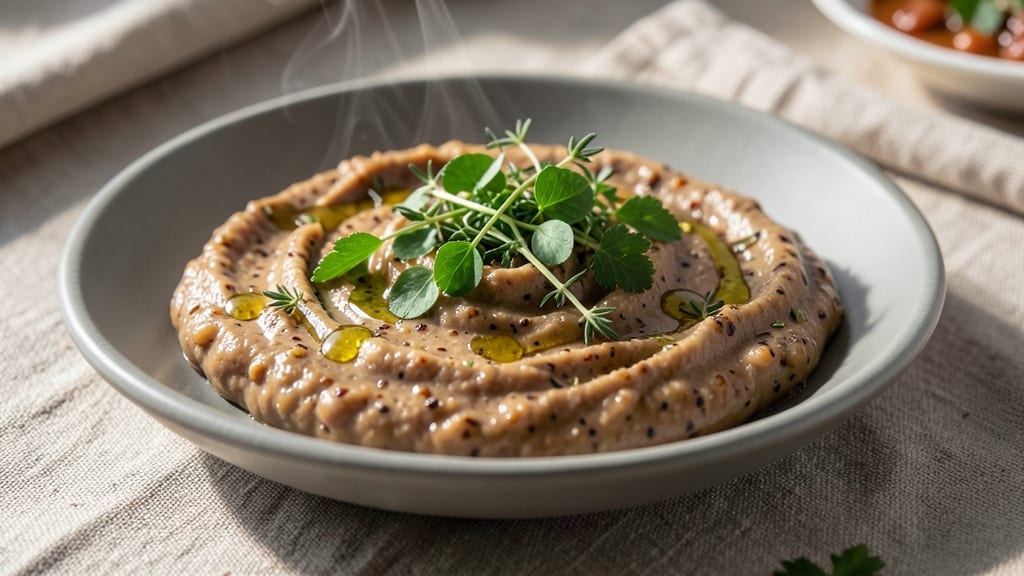
This bean pâté recipe transforms humble white beans into a velvety-smooth, herbaceous spread that elevates any appetizer spread. The secret lies in slow-cooking the beans until tender, then blending them with aromatic herbs, garlic, and a touch of olive oil for that signature French pâté texture.
Unlike store-bought versions, this recipe builds layers of flavor through proper seasoning and technique—no shortcuts, just pure, restaurant-quality results.
What sets this recipe apart is its versatility—you can achieve a silky-smooth finish or keep it slightly rustic with visible bean flecks.
The base uses white beans for their natural creaminess, but the real magic happens in the seasoning: fresh thyme, parsley, and a hint of smoked paprika create a herbal depth that pairs beautifully with crusty bread or crackers.
The process is straightforward, but the patience in simmering and blending ensures a spread that’s both impressive and foolproof.
The finished pâté should be spreadable yet substantial, with a glossy sheen from the olive oil and a bright, herbaceous aroma. Serve it chilled on a platter with toasted baguette slices, smoked salmon, or even as a dip for fresh vegetables.
It keeps well in the refrigerator for up to a week, making it perfect for meal prep or entertaining. This isn’t just an appetizer—it’s a flavor-packed centerpiece that turns simple ingredients into something extraordinary.
For those who love to experiment, variations like adding roasted red peppers or a dash of Dijon mustard can take this pâté in bold new directions. Whether you’re hosting a dinner party or just craving a sophisticated snack, this recipe delivers elegance without effort.
Let’s get started on creating your own silky-smooth masterpiece.
Ingredients for bean pate
Transform humble white beans into a velvety-smooth pâté with aromatic herbs and French-inspired technique.
| Ingredient | Amount | Notes |
|---|---|---|
| Great Northern White Beans 🌾 | 1 ½ cups | Dried, soaked overnight |
| Extra-Virgin Olive Oil 🫒 | ⅓ cup | High-quality, fruity variety |
| Fresh Thyme Leaves 🌿 | ¼ cup | Finely chopped, stems removed |
| Fresh Parsley Leaves 🌿 | ¼ cup | Finely chopped, flat-leaf preferred |
| Garlic Cloves 🧄 | 4 cloves | Peeled, minced for depth |
| Smoked Paprika 🌶️ | 1 tsp | For subtle smokiness |
| Dijon Mustard 🍯 | 1 tbsp | For tangy brightness |
| Lemon Zest 🍋 | 1 tsp | Freshly grated for aroma |
| Vegetable Broth 💧 | ½ cup | Low-sodium for seasoning control |
| Salt 🧂 | 1 ½ tsp | Diamond Crystal preferred |
| Black Pepper 🌶️ | ½ tsp | Freshly cracked for heat |
| Baguette Slices 🍞 | 8 slices | For serving, toasted |
| Roasted Red Peppers 🍅 | ¼ cup | Optional for variation |
The quality of your white beans is non-negotiable for this pâté. Great Northern beans are ideal—they hold their shape during simmering while still achieving a creamy texture. For best results, purchase dried beans from a specialty store like Penzeys or the bulk section at Whole Foods, as canned beans often contain additives that interfere with the silky finish. Soak them overnight in plenty of water (discard the soaking liquid)—this ensures even cooking and eliminates any bitterness. Fresh herbs are equally critical: thyme and parsley should be vibrant green with no wilting. If using dried herbs, reduce to one-third the amount, but fresh delivers that restaurant-quality aroma you’re aiming for.
No smoked paprika? Substitute with a pinch of liquid smoke (¼ tsp) for depth, though the flavor profile will shift slightly. For the olive oil, avoid light or refined varieties—they lack the fruity notes that elevate the pâté. Short on Dijon? Yellow mustard thinned with water works, but the sharpness won’t be as pronounced. The garlic can be roasted (wrap cloves in foil, bake at 400°F for 10 minutes) to mellow its intensity, which pairs beautifully with the herbs. For a rustic finish, skip the blending step entirely and leave visible bean flecks—this adds texture while maintaining the pâté’s elegance. If you’re experimenting with variations, roasted red peppers (jarred or fresh) add a sweet, smoky contrast that’s particularly striking when paired with smoked salmon.
This pâté develops deeper flavor when refrigerated for at least 4 hours before serving, allowing the herbs to infuse fully. Store in an airtight container with a thin layer of olive oil on top to preserve freshness—it keeps for 1 week in the fridge or 3 months frozen. For meal prep, portion into small ramekins or silicone molds for elegant serving. The pâté reheats beautifully (gentle warming in a saucepan or microwave) but is best enjoyed chilled. If you’ve made extra, freeze individual portions in ice cube trays for quick snacking—just thaw overnight in the fridge before serving. The texture may slightly firm up when chilled, but it softens perfectly at room temperature.
Why You'll Love This Recipe
- No-Chop Nightmare: I swear by this recipe because you can skip the dicing entirely. Just toss whole garlic cloves and fresh herbs into the food processor with the beans—no prep, no mess. The blades do all the work while you stir in that golden olive oil, and suddenly, you’ve got a spread that looks like you slaved over it.
- Taste Like a Café: That first bite? Rich, garlicky, and bright all at once. The thyme and parsley cut through the beans’ creaminess while the olive oil adds this silky, almost luxurious texture. Honestly, it’s the kind of flavor that makes you want to eat it straight from the jar—no judgment here.
- Party in a Jar: This stuff is my secret weapon for game nights, holiday boards, or just because. Spread it on crusty bread, dollop it on toasted baguette slices, or even mix it into hummus for a protein boost. It disappears faster than I can say “second round,” and guests will ask for the recipe every time.
- Budget Magic: Great Northern beans are dirt cheap, and olive oil stretches far when you’re blending it into a spread. I make a big batch on Sundays, and it lasts me all week—perfect for lunches, snacks, or when I’m too tired to cook. Plus, fresh herbs keep it tasting vibrant, not stale. Smart, simple, and satisfying.
Step-by-step instructions for bean pâté recipe
Transform simple ingredients into a velvety bean pâté with professional texture and layered flavor.
Prepare the Great Northern White Beans
Drain and rinse the soaked 1.5 cups Great Northern White Beans thoroughly to remove excess starch. Transfer them to a medium saucepan and cover with fresh water by about 2 inches. Bring to a boil over medium-high heat, then immediately reduce to a simmer. Cook for 45-60 minutes until the beans are fork-tender but still hold their shape—you want them to break down slightly when mashed but not turn to mush.
Here's the thing—don't skip the soaking. Overnight soaking reduces cooking time and ensures the beans break down smoothly into a silky texture. If you're short on time, quick-soak them for 2 hours in boiling water, then proceed. Drain the beans again before transferring to a food processor, removing any remaining liquid to prevent a watery pâté.
Build the Herbal Base
In the food processor, add the drained beans along with the 0.33 cup Extra-Virgin Olive Oil, 4 cloves Garlic Cloves, 1 tsp Smoked Paprika, 1 tbsp Dijon Mustard, 1 tsp Lemon Zest, 1.5 tsp Salt, and 0.5 tsp Black Pepper. Process on pulse for 30 seconds to break down the ingredients without over-processing. Stop occasionally to scrape down the sides—this ensures even distribution of flavors.
The olive oil here isn't just fat; it's the emulsifier that creates that luxurious, spreadable texture. The smoked paprika adds subtle depth, while the Dijon mustard and lemon zest brighten the earthy beans. Pulse, don't blend continuously—you want some texture, not a puree. Taste the mixture now; you should detect the garlic, herbs, and a hint of smokiness without any bitterness.
Incorporate Fresh Herbs and Roasted Red Peppers
Add the 0.25 cup Fresh Thyme Leaves and 0.25 cup Fresh Parsley Leaves to the processor along with the 0.25 cup Roasted Red Peppers. Pulse again for 10-15 seconds until the herbs are finely chopped but still visible—this prevents the pâté from becoming too green. The roasted red peppers add a subtle sweetness and moisture that balances the earthy beans.
This is where the pâté gets its herbal depth. The thyme and parsley should be finely minced but not pulverized—you want flecks of green throughout for visual appeal and texture contrast. If the mixture seems too dry, add 1-2 tablespoons of Vegetable Broth to loosen it slightly. The pâté should hold its shape when spooned but still be smooth and spreadable.
Refine the Texture and Season
Transfer the mixture to a mixing bowl and use a silicone spatula to fold in any additional Vegetable Broth if needed—just enough to create a silky, pipeable consistency. The pâté should coat the back of a spoon smoothly without being runny. Taste again and adjust the seasoning: add more salt if needed, or a pinch of black pepper for heat. The lemon zest should brighten the flavors, but if it's too sharp, balance it with a touch more olive oil.
For the ultimate texture, press the pâté through a fine-mesh sieve to remove any remaining herb stems or skin. This step ensures a velvety finish, but it's optional if you prefer a rustic texture with visible flecks. Cover the bowl with plastic wrap pressed directly onto the surface to prevent a skin from forming, and let it rest at room temperature for 30 minutes. This resting period allows the flavors to meld completely.
Serve with Toasted Baguette
Toast the 8 slices Baguette Slices in a dry skillet over medium heat for 1-2 minutes per side until golden brown and crisp. Spread the chilled pâté generously onto each slice, creating a thick, even layer. The contrast of the crispy baguette with the silky pâté is what makes this dish special.
Serve immediately for the best texture—this pâté is best enjoyed fresh. If storing, keep it refrigerated in an airtight container for up to 5 days, or freeze for 3 months. When reheating, warm gently in a saucepan over low heat with a splash of Vegetable Broth to restore its creamy texture. The pâté should be rich, herby, and perfectly balanced—each bite should deliver the smoky depth of the beans, the brightness of the lemon, and the crispness of the baguette.
Pro Tips For Making Bean Pate
- SOAK BEANS OVERNIGHT: I learned this the hard way—skipping the soak leaves your pâte with a gritty texture no amount of blending can fix. Toss dried Great Northerns in a bowl with cold water (about 3 cups per cup of beans) and let them sit 12+ hours. The longer they soak, the creamier the result.
- SWEAT GARLIC LOW: After burning three batches of garlic, I finally figured out: low and slow is the only way. Heat your olive oil to just under a simmer (180°F/82°C), then add minced garlic and let it bubble gently for 2–3 minutes. Overheating turns it bitter—trust the process.
- PULSE DON’T PUREE: Your blender will fight you if you dump everything in at once. Start with half the beans, pulse until chunky, then add the rest in batches with olive oil. This prevents a gummy mess and lets you adjust texture mid-blend—smooth or rustic, your call.
- FINISH WITH ACID: Sounds weird, but it works: a splash of lemon juice or vinegar at the end cuts through the richness and brightens the herbs. I use about 1 teaspoon—just enough to taste the parsley and thyme without overpowering. (Your future self will thank you.)
Creative variations of this dish
Herb-Infused Twist
Swap the classic thyme and parsley for fresh rosemary and tarragon—just ¼ cup each—for a more complex, piney aroma. I find this works beautifully with a splash of white wine vinegar (1 tsp) to cut through the richness.
The rosemary adds a fresh, slightly citrusy note that pairs wonderfully with crusty bread. For a Mediterranean touch, add 1 tbsp chopped sun-dried tomatoes (oil-packed) and ½ tsp dried oregano—this version tastes like a vacation in Provence. 🌿
Spicy Smoky Version
Turn up the heat with 1 tbsp chipotle powder or 1-2 slices of smoked jalapeño (seeds removed) blended right into the base. This adds a slow-building smokiness that’s perfect with corn tortilla chips or on avocado toast.
For balance, increase the Dijon mustard to 2 tbsp and add ½ tsp honey to mellow the heat. The result is a pâté with layers of complexity that’s still approachable for everyday snacking. 🌶️
Creamy Garlic-Ginger Adaptation
For an Asian-inspired twist, replace half the olive oil with ¼ cup tahini and add 1 tbsp grated fresh ginger and 1 tsp sesame oil. Swap the smoked paprika for ½ tsp five-spice powder and serve with steamed rice cakes or cucumber slices.
The ginger brightens the beans while the tahini adds a nutty depth that’s completely unexpected but utterly delicious. Garnish with toasted sesame seeds before serving. ✨
Roasted Garlic & Miso Fusion
Roast the 4 garlic cloves whole (wrapped in foil at 400°F for 30 minutes) until caramelized, then mash them into the pâté along with 1 tbsp white miso paste. This umami-rich version pairs perfectly with sushi-grade fish or crispy wonton chips.
The miso adds a savory depth that elevates the beans into something entirely new—think of it as a cross between traditional pâté and Japanese teriyaki. 🍜
Sweet & Smoky Butternut Squash Addition
For a fall-inspired variation, blend in ½ cup roasted butternut squash purée (cooked until tender) along with the beans. Add 1 tsp cinnamon and ½ tsp nutmeg for warmth, and serve with toasted sourdough or apple slices.
The natural sweetness of the squash balances the earthy beans, creating a pâté that’s perfect for holiday gatherings. The texture remains silky, but the flavor profile becomes rich and comforting. 🍂
Nutrition facts
Frequently asked questions
Can I use canned beans instead of dried for this bean pâté?
Canned beans work in a pinch, but they lack the depth of flavor and texture dried beans provide. For best results, use high-quality canned white beans (like Great Northern) and drain them thoroughly. However, you’ll need to add 1-2 extra tablespoons of vegetable broth to compensate for their higher moisture content. The pâté will still be delicious, but it won’t have the same silky, restaurant-quality finish.
How do I achieve the perfect smooth texture without over-processing?
The key is to pulse the ingredients in short bursts while scraping down the sides. Start with 30-second pulses in the food processor, then transfer to a bowl and fold in any remaining broth by hand. For an ultra-smooth finish, press the mixture through a fine-mesh sieve. If it’s too thick, add broth 1 tablespoon at a time—the pâté should coat the back of a spoon but still hold its shape.
Can I make this pâté ahead of time, and how should I store it?
This pâté tastes even better after resting. Store it in an airtight container in the fridge for up to 5 days, or freeze for 3 months. To reheat, warm gently in a saucepan with a splash of broth until creamy. For serving, let it sit at room temperature for 10-15 minutes to soften slightly—this restores its spreadable texture beautifully.
What’s the best way to serve bean pâté beyond bread?
This versatile spread shines in unexpected ways! Try it as a dip for crudités (carrots, celery, bell peppers), a sandwich filling with avocado and smoked salmon, or even a topping for tortilla chips. For a gourmet touch, pipe it into mini phyllo cups and bake until golden. The possibilities are endless—don’t be afraid to experiment!
Why did my pâté turn out too dry or crumbly?
This usually happens when beans aren’t cooked long enough or broth isn’t added gradually. Next time, simmer beans until fork-tender (not mushy), and blend in broth 1 tablespoon at a time until silky. If it’s still too dry, stir in 1 teaspoon of olive oil to bind the mixture. The texture should be thick but spreadable—like hummus but richer!