
Main Courses
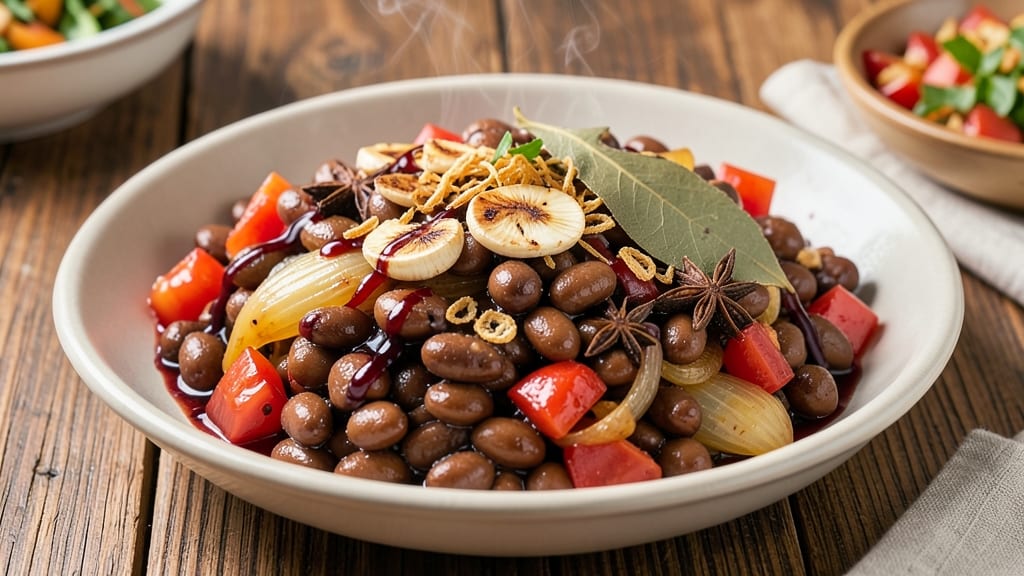
This bean ragout recipe transforms humble dried beans into a rich, slow-simmered masterpiece with layers of smoky depth from star anise and bay leaves.
The French ragout technique—sautéing aromatics, deglazing with wine, and simmering until tender—creates a dish that's hearty enough for a winter supper but versatile enough for weeknight dinners.
What sets this apart is the balance of earthy beans, caramelized onions, and a touch of sweetness from the star anise, which infuses the broth with a subtle licorice warmth.
Unlike quick-cook methods, this recipe relies on patience: beans soak overnight for even texture, then simmer for 2 to 3 hours until the sauce thickens into a velvety consistency. The result is a dish that's restaurant-quality without requiring advanced skills—just time and attention.
I’ve included adaptations for slow cookers and Instant Pots, so you can achieve the same depth with minimal effort. The star anise isn’t just for flavor; it’s the secret weapon that elevates this ragout from ordinary to extraordinary.
Serve this ragout over crusty bread to soak up every last drop of the smoky, aromatic sauce, or pair it with buttery polenta for a touch of indulgence. The beans become tender yet hold their shape, while the onions caramelize into sweet, jammy pockets of flavor.
This is the kind of dish that tastes even better the next day, making it perfect for meal prep or holiday gatherings. Whether you’re feeding a family or treating yourself to a cozy solo meal, this ragout delivers comfort in every bite.
The beauty of this recipe lies in its adaptability: swap in white beans for a lighter texture, add smoked paprika for extra depth, or stir in wilted greens at the end for freshness.
It’s vegetarian by nature but easily upgraded with crispy pancetta or crumbled bacon for those who prefer a meaty element. The key is letting the flavors meld slowly—rushing the process will leave you with a dish that’s short on complexity. Trust me, the wait is worth it.
Ingredients for bean ragout
Pantry staples plus a few special touches—star anise and bay leaves make this ragout unforgettable.
| Ingredient | Amount | Notes |
|---|---|---|
| Dried Brown Beans 🌱 | 1 ½ cups | Unsoaked, rinsed thoroughly |
| Yellow Onions 🧅 | 2 whole | Thinly sliced for caramelizing |
| Garlic Cloves 🧄 | 6 cloves | Minced for aromatic depth |
| Star Anise Pods 🌶️ | 2 whole | Crushed lightly for licorice flavor |
| Bay Leaves 🍃 | 2 whole | Fresh for maximum aroma |
| Dry Red Wine 🍷 | ½ cup | Bold Cabernet or Merlot |
| Vegetable Broth 💧 | 3 cups | Low-sodium preferred |
| Tomato Paste 🍅 | 2 tbsp | Smooth, not chunky |
| Olive Oil 🫒 | ½ cup | Extra-virgin for richness |
| Smoked Paprika 🌶️ | 1 tsp | For extra smoky depth |
| Salt 🧂 | 1 ½ tsp | Kosher or sea salt |
| Black Peppercorns 🌶️ | ½ tsp | Freshly cracked |
| Fresh Thyme Leaves 🌿 | 1 tbsp | Or 1 tsp dried thyme |
| Fresh Parsley 🌿 | ¼ cup | Chopped for garnish |
| Crusty Bread 🍞 | 6 slices | For serving (optional) |
The star anise is non-negotiable here—it’s what gives this ragout its signature smoky-sweet depth. Whole Foods or Trader Joe's usually carry it in the spice aisle, but if you can’t find it, Penzeys sells it online. Look for pods that are plump and slightly shiny, not brittle. The bay leaves should be vibrant green, not brown or dried out—those sad little dried leaves at the grocery store still work, but fresh is ideal. For the beans, dried brown or cannellini beans are classic, but any white bean will do. Soak them overnight in plenty of water (about 4 cups per cup of beans) to ensure even cooking.
No star anise? 1/2 tsp ground anise seed is a close second, though it lacks the same depth. Running out of red wine? Substitute extra vegetable broth with 1 tbsp balsamic vinegar for acidity. Fresh thyme is best, but dried works at one-third the amount—just make sure it’s labeled as culinary thyme, not ornamental. The tomato paste can be the squeeze-tube kind from Trader Joe's if you’re in a pinch, but smooth canned paste gives better results. For extra richness, stir in 1 tbsp of nutritional yeast at the end—it adds a cheesy note without dairy.
This ragout tastes even better the next day, so make extra. Store in an airtight container in the fridge for up to 5 days, or freeze portions for 3 months. The flavors deepen with time, so don’t rush it. To reheat, add a splash of water or broth and simmer gently. The crusty bread is optional but recommended—it soaks up all that smoky sauce like a dream. If you’re prepping ahead, soak the beans and chop the onions the night before, then just assemble and simmer when you’re ready.
Why You'll Love This Recipe
- Soak-and-Simplicity Magic: Honestly, dried beans sound intimidating—but this ragout? Just toss them in overnight, then simmer. No fancy soaking tricks, no peeling, no stress. That star anise and bay leaf combo does all the deep-flavor work while you sip your coffee.
- Umami Bomb: Between us, the garlic and onions caramelize into something next-level—sweet, then savory, then that little kick from the star anise. It’s the kind of depth that makes you pause mid-spoonful, like, "Wait, how did this get so good?"
- Leftovers That Shine: I make a double batch on Sunday, and by Wednesday, it’s still the star of the show. Toss it over rice, mash it into a dip, or just reheat it straight—it’s always better the second time around. (Yes, even on a Tuesday night.)
- Pantry Staple Power: Four ingredients you already own, plus a handful of spices. This is the kind of recipe that turns $3 worth of beans into a meal that feels like a restaurant dish. Budget-friendly? More like budget-busting in the best way.
Step-by-step instructions for slow-simmered smoky bean ragout
This bean ragout builds flavor gradually—let's make it rich, smoky, and perfectly balanced.
Prepare the Beans for Maximum Texture
Start by rinsing the 1.5 cups dried brown beans thoroughly under cold water to remove any debris. I like to soak them overnight in plenty of water, but if you're short on time, you can use the quick-soak method: cover the beans with boiling water, let them sit for 1 hour, then drain.
The key here is proper hydration—under-soaked beans stay tough, while over-soaked ones turn mushy. After draining, give them a quick rinse to remove any excess starch. Set them aside while you prep the aromatics. This step ensures your beans will be tender but hold their shape beautifully in the finished ragout.
Build Deep Flavor with Caramelized Aromatics
Heat the 0.5 cup olive oil in a large Dutch oven over medium-low heat. Add the 2 whole yellow onions, sliced thinly, and cook them slowly for 15-20 minutes until they're deeply golden and caramelized. This isn't something you can rush—you'll know they're ready when the onions smell sweet and rich, almost like candy.
Once the onions are perfect, stir in the 6 cloves minced garlic, 2 lightly crushed star anise pods, and 2 whole bay leaves. Cook for another 1-2 minutes until the garlic is fragrant but not browned. The star anise will release its licorice-like aroma, which is essential for that smoky depth we're after. Keep the heat gentle to avoid burning these delicate spices.
Develop the Sauce Base with Wine and Tomato
Pour in the 0.5 cup dry red wine and let it simmer for 3-4 minutes until it reduces by about half. This step is crucial—it concentrates the wine's flavors and prevents a thin, watery ragout. Next, add the 2 tbsp tomato paste and stir it in completely, breaking up any lumps. Cook for another 2 minutes until the raw taste of the tomato paste disappears.
This is where the magic happens—the wine and tomato create a rich foundation that will carry all the other flavors. If you notice the mixture sticking to the bottom, just add a splash of water to deglaze and keep everything moving. The goal is a smooth, velvety base that's ready to absorb all the bean flavors.
Simmer the Beans Until Tender and Flavorful
Add the drained beans, 3 cups vegetable broth, 1 tsp smoked paprika, 1.5 tsp salt, 0.5 tsp cracked black peppercorns, and 1 tbsp fresh thyme leaves to the Dutch oven. Stir everything together, then bring the mixture to a gentle boil. Once boiling, reduce the heat to low and let it simmer uncovered for 1.5 to 2 hours, stirring occasionally.
You'll know the beans are done when they're fork-tender but still hold their shape. The ragout should have thickened slightly, with a rich, aromatic liquid clinging to the beans. If it looks too thin after an hour, you can reduce it further by simmering uncovered for another 15-20 minutes. The star anise and bay leaves will infuse their flavors into the broth, creating that signature smoky depth.
Finish and Serve with Fresh Herbs
Once the beans are tender, remove the 2 star anise pods and 2 bay leaves—they've done their job and can be discarded. Taste the ragout and adjust the seasoning if needed. I usually find it needs just a touch more salt or a splash of red wine to balance the flavors.
Stir in the 0.25 cup chopped fresh parsley just before serving to brighten the dish with a fresh, herbal note. This ragout tastes even better the next day as the flavors continue to meld, but it's delicious fresh too. Serve it warm with the 6 slices crusty bread on the side for dipping—each bite should be hearty, flavorful, and perfectly balanced between earthy beans and aromatic spices.
Pro Tips For Making Bean Ragout
- SOAK BEANS TWICE: First soak dried brown beans overnight in cold water, then drain and give them a fresh 2-hour soak in fresh water with a pinch of salt. I learned this the hard way—skipping the second soak leaves them gummy no matter how long you simmer. (Yes, it’s extra work, but the texture makes all the difference.)
- CARAMELIZE ONIONS LOW: Cook onions slow and steady at medium-low heat—this isn’t a sear, it’s a melt. I used to rush it and ended up with bitter, dark bits instead of sweet, jammy base. Stir occasionally and let them bubble gently for 20-25 minutes. Patience here means flavor later.
- CRUSH STAR ANISE: Lightly smash the star anise pods with the flat of a knife before adding them to the pot. This releases more aroma without turning the ragout bitter. My grandmother swore by this, and she was right: the scent lingers like a whisper, not a shout.
- SIMMER UNTIL TENDER: Check beans for doneness at 45 minutes, but don’t rush—aim for 1-1.5 hours total. They should mash slightly between fingers but still hold shape. Skim foam off the top every 15 minutes to keep the broth clean. (Your future self will thank you for not cutting corners here.)
Storing and reheating your leftovers
Refrigerator Storage
Let your bean ragout cool to room temperature, then transfer it to an airtight container with a tight-fitting lid. I love using glass Pyrex containers because they keep the flavors sealed in beautifully.
Store it in the fridge at 40°F or below for up to 5 days—the flavors actually deepen overnight as the spices meld together. The ragout will thicken slightly, making it even more satisfying the next day. 💫
Freezer Storage
For long-term storage, portion the ragout into freezer-safe containers or quart-sized freezer bags, leaving 1-inch headspace for expansion. I recommend using glass containers or BPA-free plastic to maintain quality. Label with the date and freeze for up to 3 months.
The texture might change slightly after thawing, but the rich, smoky flavors remain intact. Thaw overnight in the fridge before reheating. ❄️
Stovetop Reheating
This is my go-to method because it restores the ragout’s velvety texture perfectly. Transfer the desired portion to a heavy-bottomed pot and add ¼ cup water or vegetable broth to prevent sticking. Heat over medium-low heat for 10-15 minutes, stirring occasionally, until warmed through.
If it thickens too much, add a splash more liquid. Taste and adjust seasoning—it often needs a pinch of salt or a drizzle of red wine to brighten the flavors. 🔥
Microwave Reheating
For a quick fix, transfer the ragout to a microwave-safe dish and cover loosely with a damp paper towel. Heat on 50% power for 3-4 minutes, stir, then continue in 30-second intervals until heated through.
Avoid overcooking, as microwaves can make the beans mushy. If the ragout looks dry, add a splash of broth or water to restore moisture. This method works best for single servings. ⏱️
Slow Cooker Revival
If you’re reheating a large batch, the slow cooker is a game-changer. Transfer the ragout to the slow cooker and cook on low heat for 2-3 hours, stirring occasionally. This method gently reheats the beans while keeping the sauce rich and flavorful.
It’s perfect for feeding a crowd or prepping meals for the week. The slow cooker’s even heat ensures no hot spots or dryness. 💡
Reviving Texture
If your reheated ragout seems too thick, stir in 1-2 tablespoons of water, broth, or even a splash of red wine to loosen it up. For extra richness, add a pat of butter or a drizzle of olive oil while reheating.
Freshly chopped parsley or thyme can also brighten the flavors if the ragout tastes flat after storage. A sprinkle of smoked paprika adds back that signature depth if needed. 🌿
Nutrition facts
Frequently asked questions
Can I use canned beans instead of dried for this ragout? You can absolutely use canned beans, but the texture and flavor won't be the same. Canned beans cook in 5-10 minutes instead of hours, so they won't absorb the smoky star anise and bay leaf flavors as deeply. For best results, use dried beans—just
How do I know when the onions are properly caramelized?
The onions are ready when they're deep golden brown and smell intensely sweet, almost like caramel candy. This takes 15-20 minutes on low heat—don't rush it! They should be soft enough to mash between your fingers but still hold their shape. If they darken too quickly, reduce the heat slightly. The longer they cook, the more complex their flavor becomes.
What if I don't have star anise? Can I substitute something else?
Yes! You can use ½ teaspoon ground anise seed for a similar licorice note, though it won't be as aromatic. For a smoky depth without star anise, try ½ teaspoon smoked paprika plus ¼ teaspoon cinnamon. If you're avoiding anise entirely, a pinch of ground coriander adds warmth. The key is balancing the flavors—taste as you go and adjust with salt or a splash of wine.
Can I make this ragout in a slow cooker or Instant Pot?
For a slow cooker, sauté the onions and aromatics first, then add everything else and cook on low for 6-8 hours or high for 3-4 hours. For an Instant Pot, sauté the onions, then add all ingredients and cook on high pressure for 20 minutes, followed by a 10-minute natural release. The Instant Pot version will be slightly softer but just as flavorful.
Why does my ragout taste bland after reheating?
Reheating can mute flavors, especially if the ragout thickens too much. To fix this, add 1-2 tablespoons of liquid (water, broth, or wine) while reheating and taste frequently. A sprinkle of smoked paprika or fresh herbs like parsley can also brighten the flavors. For extra depth, stir in a pat of butter or olive oil while warming. The key is to restore moisture and balance the seasoning.