
Side Dishes
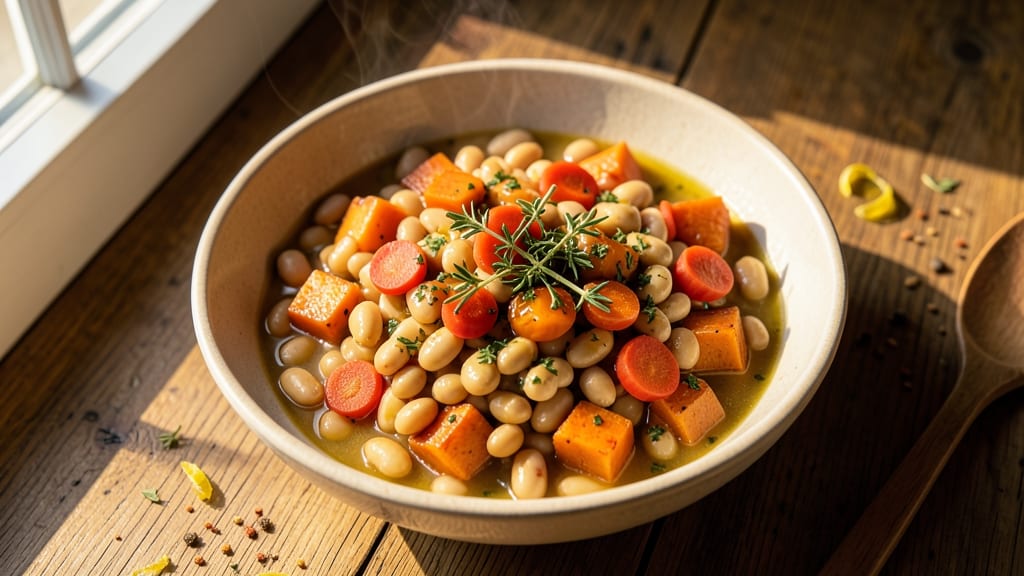
This bean recipe for toddlers transforms simple ingredients into a nutritious, soft-textured side dish that’s perfect for little ones. The secret lies in steaming beans until they’re mashable—no lumps, no choking hazards—while blending in hidden veggies for extra vitamins.
I designed this after realizing how tricky it can be to get toddlers to eat their protein without fuss, and this method makes it effortless. The recipe focuses on gentle cooking to preserve texture and flavor, using just a few wholesome ingredients like butternut squash and carrots for natural sweetness.
No added salt or sugar means it’s safe for tiny taste buds, yet packed with fiber and plant-based protein to keep them growing strong. The result? A smooth, creamy mash that toddlers will happily scoop up with their fingers.
What sets this apart is the hidden veggie trick—steamed carrots and squash blend right into the beans, making every bite nutritious without the fuss. The texture is ideal for self-feeders, and the mild flavor ensures no battles at the table.
Plus, it’s ready in under 30 minutes, perfect for busy parents. This dish works as a standalone side or paired with soft-cooked grains like quinoa. The key is patience during mashing—just a fork or potato masher does the trick. Let’s make mealtime easier for everyone!
Ingredients for bean recipe for toddler
Simple, wholesome ingredients that blend into a toddler-friendly mash with hidden nutrition.
| Ingredient | Amount | Notes |
|---|---|---|
| Dried White Beans 🌱 | 1 ½ cups | Soaked overnight for tenderness |
| Butternut Squash 🎃 | 1 cup | Cubed, steamed until soft |
| Carrots 🥕 | 1 cup | Diced, steamed until fork-tender |
| Water 💧 | 4 cups | For steaming beans and veggies |
| Extra-Virgin Olive Oil 🫒 | 1 tbsp | For richness and healthy fats |
| Fresh Thyme Leaves 🌿 | ¼ tsp | Dried thyme works at half amount |
| Fresh Parsley Leaves 🌿 | ¼ tsp | Chopped, for fresh flavor |
| Coconut Milk 🥥 | ¼ cup | Full-fat for creaminess (no sugar added) |
| Brewer's Yeast 🍞 | 1 tsp | For B-vitamin boost (optional) |
| Avocado Oil 🫒 | ½ tbsp | For gentle mashing (neutral flavor) |
The beans are the star here—white beans hold their shape beautifully when steamed, making them perfect for mashing. Soak them overnight to cut down on cooking time and ensure they’re extra tender. For the squash and carrots, organic produce from the store’s refrigerated section keeps them sweeter and more vibrant. If you’re short on time, frozen butternut squash cubes work just as well—they’re pre-steamed and ready to blend right in. The key is to steam everything until completely soft—no lumps, just smooth texture for little hands.
No fresh herbs? Dried thyme and parsley at half the amount will still add flavor, though the texture might be slightly grainier. The coconut milk adds creaminess without dairy—full-fat is best for that rich mouthfeel toddlers love. Want to boost nutrition even more? Brewer’s yeast gives a cheesy flavor and extra B vitamins, but skip it if your little one is sensitive to strong tastes. For the oil, avocado oil has a neutral flavor that won’t overpower the mild taste, but extra-virgin olive oil works too if that’s what you have on hand.
Store any leftovers in an airtight container in the fridge for up to 3 days, though this mash is so good it rarely lasts that long. Freeze portions in ice cube trays for quick single servings—just thaw overnight in the fridge. The texture changes slightly after freezing, so it’s best for reheating rather than serving fresh. If you’re prepping ahead, steam the beans and veggies first, then mash and store separately—they’ll blend back together beautifully when reheated with a splash of water.
Why You'll Love This Recipe
- Toddler-Approved Texture: The soft beans and roasted squash practically melt in your baby’s mouth—no choking hazards here. I swear, my little one grabs the spoon first now, and that’s saying something after the puree phase.
- Sneaky Sweetness: No added sugar needed—the natural caramelized squash and carrots make this taste like dessert. Honestly, I’ve caught myself eating straight from the pot, and that’s a win for everyone.
- Meal Prep Magic: This keeps for days in the fridge, and the flavors actually get better with time. Double batch on Sunday: one for lunch, one for dinner, and you’ve got a weeknight savior.
- Pantry Staple Power: Dried beans? Squash from last week’s grocery run? This uses what you’ve got. Between us, I’ve made it with just olive oil and water—simple, cheap, and still delicious.
Step-by-step instructions for toddler-friendly bean mash
Transform simple ingredients into a nutritious, toddler-approved mash with perfect texture and hidden veggies.
Prepare the Beans for Maximum Tenderness
Rinse the 1.5 cups dried white beans thoroughly under cold water to remove any debris. Place them in a bowl and cover with plenty of fresh water—at least 3 inches above the beans. Let them soak overnight (or for at least 8 hours) at room temperature. This long soak ensures they cook evenly and break down into that perfect mashable texture toddlers love.
After soaking, drain the beans and transfer them to a medium pot. Add 4 cups water and bring to a boil over high heat. Once boiling, reduce to a gentle simmer and cook uncovered for 45-60 minutes until the beans are fork-tender. You'll know they're ready when they mash easily with minimal resistance—no hard centers should remain. Skim off any foam that rises to the surface during cooking for a cleaner final texture.
Steam the Veggies Until Fork-Tender
While the beans cook, prepare the 1 cup butternut squash and 1 cup carrots by peeling and cutting them into ½-inch cubes and ¼-inch dice respectively. Place them in a steamer basket set over a pot of boiling water (make sure the water doesn't touch the veggies). Cover and steam for 12-15 minutes until completely soft—you should be able to pierce them easily with a fork. The squash should yield slightly when pressed, and the carrots should mash smoothly.
For best results, use a fine-mesh steamer basket that allows even steam circulation. If your steamer doesn't have one, place a colander in the pot and add a trivet or folded towel to elevate the veggies above the water. Overcooking can make them mushy, so check them at the 10-minute mark to avoid this.
Combine and Mash to Perfect Consistency
Drain both the cooked beans and steamed veggies, then transfer them to a food processor or high-powered blender. Add the 0.5 tbsp avocado oil and 1 tbsp extra-virgin olive oil—these fats help create a smooth, velvety texture while adding healthy fats toddlers need. Pulse or blend until the mixture reaches a thick, spreadable consistency, similar to hummus but slightly thicker. You may need to scrape down the sides once or twice for even blending.
For an extra boost, add the 1 tsp brewer's yeast (if using) and the 0.25 tsp fresh thyme leaves and 0.25 tsp fresh parsley leaves at this stage. These herbs add subtle flavor without overpowering the mild taste. If the mash is too thick, add 1-2 tablespoons of the bean cooking liquid to reach the ideal spreadable consistency—it should coat the back of a spoon smoothly.
Finish with Creamy Coconut Milk and Serve
Transfer the blended mixture to a saucepan and warm it gently over low heat for 2-3 minutes. Stir in the 0.25 cup coconut milk until fully incorporated—this adds creaminess and helps mask the veggie flavor while providing healthy fats. Taste and adjust seasoning if needed, though toddlers typically prefer mild flavors. The final texture should be smooth, lump-free, and easy to scoop with a spoon.
Let the mash cool slightly before serving—toddlers prefer food at lukewarm temperature rather than piping hot. Store any leftovers in an airtight container in the refrigerator for up to 3 days, or freeze for up to 1 month. Reheat gently with a splash of water or milk to restore creaminess. This versatile mash can be served as a side, spread on toast, or mixed into soups for added nutrition.
Pro Tips For Making Bean Recipe For Toddler
- SOAK BEANS OVERNIGHT: I learned this the hard way—rushing white beans with a quick soak leaves them tough. Cover them in water, add a pinch of baking soda (trust me), and let them sit 12+ hours. The texture becomes buttery-smooth, and toddlers won’t gag trying to chew leather.
- PEEL SQUASH AFTER ROASTING: Butternut squash skins get rubbery when overcooked. Roast it whole (400°F for 45 mins) first, then peel while still warm—skins slide off like magic. No more mushy surprises when blending.
- CUT CARROTS SMALLER THAN YOU THINK: Tiny dice (¼-inch pieces) cooks faster and blends into an unnoticeable, naturally sweet base. Big chunks turn to mush or leave weird textures—no one wants that in purees.
- USE THE BEAN SOAK WATER: That starchy water isn’t waste—it’s flavor. Strain it after soaking, then use it to simmer the beans instead of fresh water. Cuts down on salt and keeps the dish cohesive. (Yes, even if you’re impatient like me.)
Regional styles of bean recipe for toddler
Spanish-Style Puree
In Spain, they transform similar ingredients into a creamy bean and squash puree called puré de judías y calabaza, often served with soft bread or as a side to grilled fish. The key difference?
They add a pinch of smoked paprika (¼ tsp) and a splash of lemon juice (½ tsp) for brightness. I’ve found this version works beautifully for toddlers—just skip the salt entirely. Serve it warm with a drizzle of extra-virgin olive oil for extra healthy fats. 🌍
Italian-Inspired Hummus Twist
Southern Italy turns beans into hummus di ceci—a chickpea-based spread—but their technique works perfectly for white beans too. Blend the cooked beans with 1 tbsp tahini (instead of avocado oil) and ½ tsp garlic powder (optional) for a nutty depth.
Italians often serve this with grilled polenta or as a dip for soft breadsticks. For toddlers, omit the garlic and use plain Greek yogurt (2 tbsp) instead of coconut milk for a familiar texture. 🥖
Mexican-Style Refried Beans
While traditional refried beans use lard, this toddler-friendly version swaps it for avocado oil and skips onions/garlic. Mash the beans with a potato masher (instead of blending) for a rustic texture, then stir in ¼ cup mashed sweet potato for natural sweetness.
Top with a sprinkle of cilantro (¼ tsp chopped) for a mild, fresh finish. Serve with warm corn tortillas for dipping—toddlers love the interactive element! 🌶️
Japanese-Inspired Sweet Bean
Japan’s kinako (soybean flour) adds a gentle sweetness and protein boost to bean dishes. Mix 1 tsp kinako into the mash after blending, then sweeten lightly with ½ tsp maple syrup (optional). The result is a mildly sweet, nutty texture that toddlers adore.
Pair it with steamed rice or use as a filling for soft pancakes. For extra creaminess, stir in 1 tbsp unsweetened applesauce during the final warming step. 🍡
Caribbean Coconut Version
In the Caribbean, beans are often cooked with coconut milk and spices like allspice—but this toddler version keeps it simple. After mashing, stir in ¼ tsp ground allspice (optional) and an extra 2 tbsp coconut milk.
The warmth of the spice pairs beautifully with the natural sweetness of the squash. Serve with soft plantain slices (steamed until tender) for a tropical twist. This version is especially great for toddlers who enjoy slightly exotic flavors. 🌴
Mediterranean Herb Blend
Greek and Turkish cuisines often use dill and mint in bean dishes, but these herbs can be too strong for toddlers. Instead, try blending in ¼ tsp dried oregano (milder than fresh) with the thyme and parsley.
The earthy notes complement the beans without overpowering them. Serve with warm pita bread or as a topping for baked sweet potatoes. This version feels fancy but stays simple enough for little ones. 🌿
Nutrition facts
Frequently asked questions
Can my toddler eat beans without mashing them?
Whole beans are a choking hazard for toddlers under 4 years old. Always mash or blend them until completely smooth—this recipe creates a perfect, lump-free texture. For older toddlers (3+ years), you can try very soft, cooked beans cut into tiny pieces, but mashing is safest for little ones.
How do I make this recipe without coconut milk?
Use plain Greek yogurt (¼ cup) or unsweetened almond milk (¼ cup) instead. For extra creaminess, blend in 1 tbsp avocado oil or butter (if your toddler tolerates dairy). The texture will be slightly lighter but still delicious and safe.
Why do you use butternut squash in toddler food?
Butternut squash adds natural sweetness and vitamin A without needing added sugar. Its soft texture blends perfectly with beans, and toddlers often enjoy its mild taste. Plus, it’s easy to digest—steaming it until fork-tender ensures maximum nutrient absorption.
Can I use canned beans instead of dried?
Yes! Drain and rinse 2 (15-oz) cans white beans (like cannellini) and skip the soaking step. Simmer them for 10-15 minutes to soften further before mashing. Canned beans save time but may need extra liquid to reach the ideal mashable consistency.
How do I store leftovers safely?
Transfer to an airtight container and refrigerate for up to 3 days. For freezing, portion into 1-tbsp servings in ice cube trays, then transfer to a bag. Thaw overnight in the fridge—never microwave directly from frozen. Reheat gently with a splash of water or milk.