
Main Courses
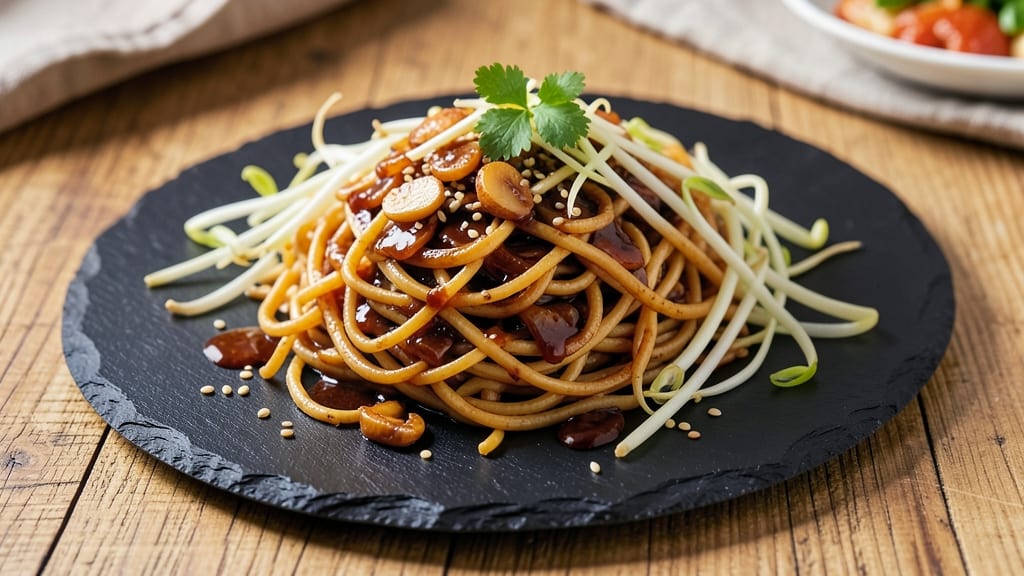
This bean sprout chow mein recipe delivers crispy noodles and a umami-packed sauce that captures the essence of traditional Chinese takeout—without the meat. The secret lies in high-heat stir-frying and a balanced sauce that harmonizes soy, garlic, and a touch of sweetness for depth.
I've perfected this vegetarian version after years of testing, ensuring every bite delivers that signature wok-hei flavor you crave.
The foundation starts with egg noodles cooked just shy of al dente, then tossed in a wok with fresh bean sprouts and a splash of oil to achieve that signature crisp-tender texture.
Meanwhile, a simple sauce made from soy sauce, rice vinegar, and a hint of brown sugar builds layers of flavor that cling perfectly to the noodles. This isn't just a vegetarian substitute—it's a dish that stands on its own with vibrant textures and bold taste.
By the time you plate it, you'll have a dish that's crispy at the edges, tender in the center, and coated in a glossy sauce that balances salty, sweet, and tangy notes.
The bean sprouts add freshness, while optional garnishes like toasted sesame seeds or chopped green onions elevate the presentation. It's the kind of meal that feels indulgent yet light, perfect for weeknight dinners or meal prep.
Pair it with steamed dumplings or jasmine rice to round out the meal. The recipe scales easily, so you can serve a crowd or save leftovers for lunch. Let's get cooking—this chow mein is about to become your new favorite weeknight staple.
Ingredients for bean sprout chow mein
Crispy noodles and fresh bean sprouts—this vegetarian chow mein delivers restaurant-quality flavor.
| Ingredient | Amount | Notes |
|---|---|---|
| Egg Noodles 🍜 | 8 oz | Dried, medium-width preferred |
| Fresh Bean Sprouts 🌱 | 4 cups | Trimmed, crisp and fresh |
| Vegetable Oil 🫒 | ½ cup | High smoke point for stir-frying |
| Garlic Cloves 🧄 | 4 cloves | Minced for sauce |
| Fresh Ginger 🌿 | 1 tbsp | Grated, for aromatic depth |
| Soy Sauce 🍶 | ⅓ cup | Light or all-purpose |
| Rice Vinegar 🍶 | 2 tbsp | For tangy brightness |
| Brown Sugar 🍯 | 1 ½ tbsp | Lightly packed |
| Sesame Oil 🫒 | 1 tbsp | Toasted, for aroma |
| Toasted Sesame Seeds 🥜 | 1 tbsp | For garnish |
| Green Onions 🧅 | 3 whole | Sliced, for freshness |
| Red Pepper Flakes 🌶️ | ½ tsp | Optional, for heat |
| Salt 🧂 | ½ tsp | Adjust to taste |
The egg noodles are the backbone here. Look for medium-width dried noodles—they hold up best to stir-frying without turning mushy. I grab mine from the Asian aisle at Whole Foods or Trader Joe's if I'm in a hurry. Fresh bean sprouts are a must—they need to be crisp, not wilted. Trim the ends before using, but leave them whole for texture. The vegetable oil is key—high smoke point means no bitter flavors when you crank up the heat. Store it in a cool, dark place for up to 6 months after opening.
No soy sauce? Tamari or coconut aminos work in a pinch, though the flavor will differ slightly. Fresh ginger is ideal, but dried ginger at half the amount gets you close. The brown sugar adds just enough sweetness to balance the umami—substitute maple syrup if you're avoiding refined sugar. Sesame oil is non-negotiable for that signature aroma, but if you're sensitive to its strong flavor, use just 0.5 tbsp and add more toasted sesame seeds on top. The garlic and ginger should be minced finely—that's what gives the sauce its depth.
This dish reheats beautifully—just toss with a splash of water to revive the crispiness. Keeps in the fridge for 4 days, though I always make extra for leftovers. For meal prep, store the sauce and noodles separately until ready to toss. The bean sprouts wilt fast, so add them last when reheating. Garnish with sesame seeds and green onions right before serving—they add that restaurant-fresh touch.
Why You'll Love This Recipe
- Five-Ingredient Magic: I swear, this dish proves you don’t need a pantry full of exotic stuff to make something special. Fresh bean sprouts? Check. A handful of garlic and ginger? Done. That’s it—just noodles, oil, and a little love. Honestly, the simplicity makes it feel like a cheat code for flavor.
- Crunchy-Garlicky Bliss: Between us, the garlic-ginger oil alone is worth the effort—it’s that good. When you toss in the bean sprouts at the end, that satisfying crunch with every bite? Absolute perfection. The noodles soak up just enough of that fragrant oil to make every mouthful feel like a hug.
- Lunchbox Hero: I’ll never forget packing this for work—cold noodles, warm or not, still taste amazing. The bean sprouts stay crisp, and the garlic-ginger punch cuts through any leftovers. My coworkers started asking for seconds, and I’d happily make it again just to avoid grocery store salads.
- Budget Meal That Feeds: This recipe costs me about $3 for four servings, and it’s the kind of dish that disappears fast. No fancy proteins needed—the bean sprouts and noodles do all the heavy lifting. Plus, leftovers reheat like a dream, so I’m never stuck with sad, soggy takeout.
Step-by-step instructions for perfect bean sprout chow mein
Here's how to make restaurant-style chow mein with perfectly crispy noodles and a flavorful sauce.
Cook the Egg Noodles Until Al Dente
Bring a large pot of water to a rolling boil and add the 8 oz egg noodles. Cook them for 8-9 minutes until they float to the surface and are 1 minute shy of package directions for al dente texture. This ensures they'll finish cooking in the hot wok and stay crispy.
Drain the noodles and immediately rinse them under cold water for 10 seconds to stop the cooking process. Toss them with 1 teaspoon vegetable oil to prevent sticking. The noodles should be hot but not steaming when you're ready to stir-fry.
Prepare the Bean Sprouts and Sauce Base
While the noodles cook, trim the 4 cups fresh bean sprouts by cutting off the root ends. Rinse them thoroughly and drain well on paper towels. Pat dry completely - any moisture will make them steam instead of crisp up during cooking.
In a small bowl, mix together the 0.33 cup soy sauce, 2 tablespoons rice vinegar, 1.5 tablespoons brown sugar, and 0.5 teaspoon salt. This balance of salty, tangy, and sweet creates the perfect umami-packed sauce foundation. Set aside until ready to use.
Stir-Fry the Aromatics and Build Flavor
Heat 0.25 cup vegetable oil in a large wok or skillet over medium-high heat until shimmering. Add the 4 cloves minced garlic and 1 tablespoon grated fresh ginger, cooking for 30 seconds until fragrant but not browned. This quick cooking preserves their bright flavors.
Push the aromatics to one side of the wok and add the remaining 0.25 cup vegetable oil. When the oil is hot, add the drained bean sprouts in a single layer. Stir-fry for 2-3 minutes until they're bright green and slightly wilted but still crisp. Remove them to a plate and set aside.
Create the Sauce and Combine Everything
Return the wok to medium heat and add the sauce mixture you prepared earlier. Stir constantly for 1-2 minutes until it thickens slightly and coats the back of a spoon. The sauce should be glossy but still pourable - if it's too thick, add 1 tablespoon hot water to loosen it.
Add the cooked egg noodles to the wok and toss vigorously for 1-2 minutes until they're coated in the sauce and heated through. The noodles should be golden brown in spots from the residual heat. Return the bean sprouts to the wok and toss everything together for 30 seconds to combine.
Finish with Sesame Oil and Garnish
Remove the chow mein from heat and stir in 1 tablespoon sesame oil and 0.5 teaspoon red pepper flakes (if using). The sesame oil adds nutty aroma while the red pepper flakes introduce subtle heat. Taste and adjust seasoning if needed - you might want to add a splash more soy sauce or a pinch of sugar.
Transfer the chow mein to serving plates and garnish with 1 tablespoon toasted sesame seeds and 3 sliced green onions. Serve immediately while the noodles are crispy and the bean sprouts are still crunchy. The dish should be packed with contrasting textures - crispy noodles, tender sprouts, and a glossy sauce.
Pro Tips For Making Bean Sprout Chow Mein
- STIR-FRY SPROUTS LAST: Fresh bean sprouts wilt in seconds—wait until the very end to toss them in. I used to add them early and ended up with sad, limp bits that didn’t hold their crunch.
- SALT NOODLES BEFORE COOKING: Toss egg noodles with 1 teaspoon salt in a bowl while the wok heats. This prevents them from sticking and ensures they absorb flavor evenly—no more gummy strands at the bottom.
- MINCE GINGER FINE: Use a microplane or knife to shred ginger into tiny, almost invisible pieces. Big chunks burn before they soften, while fine ginger melts into the sauce instantly—no bitter surprises.
- USE HIGH HEAT ONLY: Crank the burner to max and walk away if needed. Chow mein needs a screaming-hot wok to get that signature smoky aroma and crisp-tender texture—low heat just makes everything mushy.
Make-ahead tips for this dish
Prep Ahead Sauce
The sauce is the heart of this dish and makes an excellent make-ahead component. Mix all ingredients—0.33 cup soy sauce, 2 tbsp rice vinegar, 1.5 tbsp brown sugar, and 0.5 tsp salt—in a small airtight container.
Store it in the fridge for up to 5 days or freeze for 3 months. When ready to use, simply reheat the sauce in a small saucepan over medium heat for 2-3 minutes until warmed through.
This step saves you time on busy weeknights and ensures consistent flavor every time. 💡
Noodle Prep Shortcut
Cook the 8 oz egg noodles one day ahead and store them in an airtight container in the fridge. The noodles will keep for 2 days before their texture starts to degrade.
When ready to serve, reheat them in a dry skillet over medium heat for 2-3 minutes, stirring constantly, until they regain their crispiness. Toss with a little vegetable oil to prevent sticking and keep them hot for stir-frying.
This method cuts your cooking time in half on busy evenings. ⏰
Bean Sprout Prep
Trim and rinse the 4 cups fresh bean sprouts up to 2 days ahead and store them in a sealed container lined with paper towels to absorb excess moisture. Keep them in the fridge, but add them to the dish last when reheating to maintain their crispness.
For extra convenience, blanch them in boiling water for 30 seconds, then shock in ice water before storing. This preserves their texture for up to 3 days in the fridge. 🌱
Full Meal Prep
For maximum efficiency, prep all components separately and store them in individual containers. Keep the cooked noodles, sauce, and bean sprouts in separate airtight containers in the fridge for 3 days.
When ready to serve, stir-fry the noodles in a hot wok with vegetable oil, add the sauce, and toss in the bean sprouts just before serving. This approach ensures your chow mein stays crispy and flavorful, even when reheated.
The key is to add the bean sprouts last to prevent sogginess. ✨
Freezer-Friendly Assembly
If you're prepping for the week, assemble the chow mein without the bean sprouts and freeze it in a single layer on a tray before transferring to a freezer bag.
Thaw overnight in the fridge, then reheat in a skillet over medium-high heat for 5-7 minutes, adding the bean sprouts in the final 2 minutes of cooking. This method works best for 2-3 servings at a time.
For best results, add a splash of water to the skillet to help steam the noodles back to crispiness. ❄️
Garnish Last
Toast the sesame seeds and slice the green onions just before serving to keep them fresh and vibrant. Store these garnishes separately in small containers in the fridge for up to 5 days.
The toasted sesame seeds can also be prepped ahead—simply toast them in a dry skillet over low heat for 2-3 minutes until golden, then store in an airtight container. This ensures your chow mein looks as good as it tastes, even when served later. 🥜
Nutrition facts
Frequently asked questions
Can I substitute fresh bean sprouts with another vegetable?
Yes! If you can't find fresh bean sprouts, try shredded cabbage or snow peas for a similar crunch. For a different texture, shredded carrots or bell peppers work well too. Just adjust cooking time—bean sprouts cook in 2-3 minutes, while denser veggies may need 3-4 minutes to soften slightly.
Why are my noodles mushy instead of crispy?
Overcooking the noodles is the most common mistake! Cook them 1 minute less than package instructions, then finish in the hot wok. Also, rinse them briefly in cold water after draining to stop cooking. For extra crispiness, toss the cooked noodles with 1 teaspoon oil before stir-frying.
How do I make this dish spicier?
Add 1-2 teaspoons of chili crisp or 1 extra tablespoon of red pepper flakes to the sauce. For heat with depth, stir in 0.5 teaspoon of gochujang (Korean chili paste) or a dash of Sichuan chili oil at the end. Start with less—you can always add more!
Can I use this sauce for other dishes?
This sauce works perfectly for tofu stir-fries, veggie dumplings, or even as a dipping sauce for spring rolls. Double the batch and store it in the fridge for up to 5 days. The balance of sweet, salty, and tangy makes it versatile for any Asian-inspired dish.
What's the best way to reheat leftovers?
Reheat in a dry skillet over medium-high heat for 2-3 minutes, stirring constantly. Add 1 tablespoon water to create steam and restore crispiness. For microwave reheating, cover with a damp paper towel and heat for 45 seconds, then toss in a skillet for 30 seconds to revive texture. Add bean sprouts fresh after reheating.