
Side Dishes
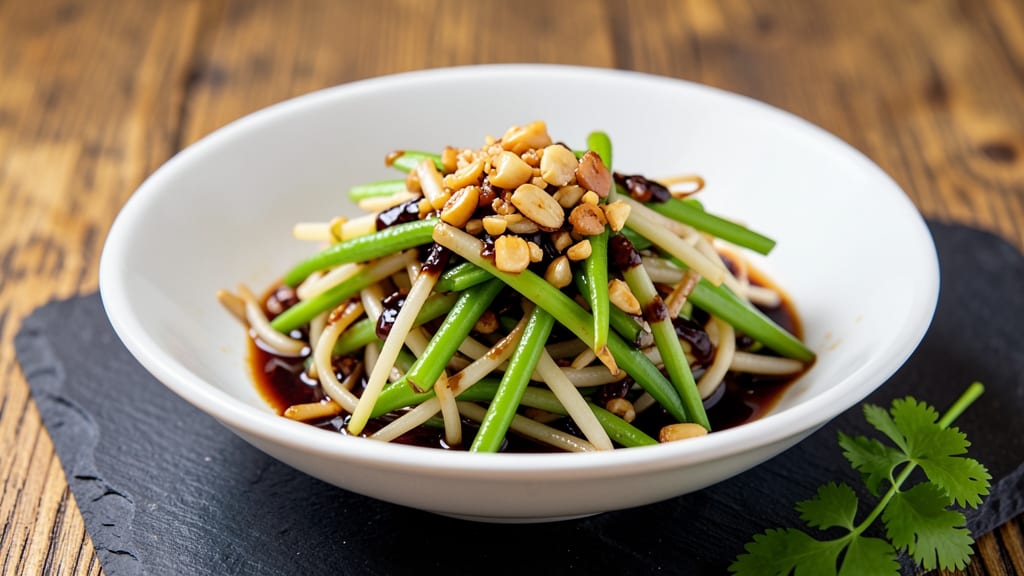
This Chinese-style bean sprouts recipe transforms humble sprouts into a crisp-tender stir-fry bursting with garlic and ginger zing—perfect for weeknight dinners or as a vibrant side dish. The secret lies in high-heat stir-frying that preserves their delicate crunch while infusing bold flavors through quick cooking.
I developed this recipe after discovering how easily store-bought sprouts elevate simple meals when treated with proper technique.
The foundation of this dish is a foolproof stir-fry method that balances texture and flavor: blanching the sprouts briefly to soften them just enough, then searing in a hot wok with garlic, ginger, and soy sauce until crisp-tender.
This approach delivers restaurant-quality results without requiring special equipment—just a skillet and 15 minutes of focused cooking. The aroma alone transforms any meal into something special.
What you'll achieve is a dish that's both restaurant-quality and effortlessly adaptable—serve it as a standalone side, pair it with rice for a complete meal, or use it as a topping for noodles.
The garlic-ginger sauce clings perfectly to each sprout, creating a balance of savory, aromatic, and slightly sweet notes that make every bite satisfying. This recipe proves that simple ingredients can deliver extraordinary flavor when prepared with care.
One of the best aspects of this preparation is its versatility—double the batch for meal prep, adjust the spice level to taste, or swap in different vegetables like bell peppers or mushrooms.
The technique works equally well for both quick weeknight meals and special occasions. Let's get started on creating this crisp-tender, flavor-packed dish that will become a staple in your kitchen.
Ingredients for bean sprouts recipe chinese style
Transform simple bean sprouts into a restaurant-quality stir-fry with these carefully chosen ingredients.
| Ingredient | Amount | Notes |
|---|---|---|
| Bean Sprouts 🌱 | 4 cups | Fresh, organic preferred |
| Garlic Cloves 🧄 | 4 cloves | Minced, fresh for best flavor |
| Fresh Ginger 🌿 | 1 ½ tbsp | Grated, peeled |
| Light Soy Sauce 🥢 | 2 tbsp | Kikkoman preferred |
| Dark Soy Sauce 🥢 | 1 tbsp | For depth of color |
| Sesame Oil 🫒 | 1 tbsp | Toasted, for aroma |
| Neutral Oil 🫒 | 2 tbsp | Vegetable or peanut oil |
| Green Onions 🧅 | 3 whole | Thinly sliced, white and green parts |
| Sesame Seeds 🌾 | 1 tbsp | Toasted lightly |
| White Pepper 🌶️ | ½ tsp | Freshly ground |
| Red Chili Flakes 🔥 | ½ tsp | Adjust to taste |
| Rice Vinegar 🍶 | 1 tbsp | For brightness |
| Salt 🧂 | ½ tsp | Diamond Crystal preferred |
The quality of your bean sprouts makes all the difference here. Fresh, organic sprouts from the produce section at Whole Foods or a local Asian market deliver the best texture. Look for vibrant green sprouts with no yellowing—those are the ones that'll hold their crisp-tender bite. If you're using store-bought sprouts, rinse them well before using to remove any dirt or debris. I always buy a larger quantity than needed because they wilt quickly after cutting, and having extras means I can use them in salads or soups later in the week. For the garlic and ginger, fresh is non-negotiable—they provide that authentic aromatic punch that dried powders simply can't match. Penzeys or your local Asian market are great places to find high-quality, aromatic ginger root.
No sesame oil? Toasted peanut oil or avocado oil works in a pinch, though the flavor will be slightly different. Running short on light soy sauce? Substitute with tamari or coconut aminos, but reduce the amount slightly since they have different salt profiles. If you can't find dark soy sauce, a teaspoon of molasses or brown sugar in your light soy sauce will give you that rich color. The red chili flakes are optional—if you prefer less heat, simply omit them. For the green onions, if you're using the frozen section, thaw and pat them completely dry before slicing to prevent excess moisture in your stir-fry. The rice vinegar adds that bright, tangy note that balances the richness of the soy sauce and sesame oil—don't skip it if you can find it at your local Trader Joe's or Asian grocery.
Bean sprouts lose their crispness quickly after cutting, so prepare them last minute. Store any unused sprouts in a sealed container lined with a paper towel to absorb moisture, keeping them in the fridge for up to 3 days. The garlic and ginger can be pre-minced and stored in airtight containers in the freezer for up to 3 months, though fresh is always better. This dish reheats beautifully—simply stir-fry again in a hot pan with a splash of water to revive the texture. For meal prep, portion into airtight containers and store for 2-3 days. The flavors actually deepen overnight, making leftovers even more delicious. If you're making this ahead for a party, keep the components separate until serving—blanch the sprouts, store them in one container, and keep the sauce and aromatics in another.
Why You'll Love This Recipe
- No-Chop Night: I swear by this recipe when I’m too tired to dice anything. Just rinse the sprouts, mince the garlic and ginger roughly—no knife skills required—and toss it all in the pan. The sprouts soften in minutes, so you’re done faster than a takeout delivery arrives.
- Umami Bomb: That combo of light and dark soy sauce? Chef’s kiss. The dark soy adds a deep, caramelized richness while the light keeps it bright—like a flavor punch in your mouth. Honestly, I’ve made this with just salt before, and it still hits, but the soy? It’s the difference between "good" and "I’ll make this again."
- Lunchbox Hero: Pack this cold or at room temp—it’s perfect for work lunches or kids’ school meals. The texture holds up, and the flavors only get better after sitting. (Yes, even on a Tuesday.) Plus, it’s one of those rare dishes where leftovers taste just as good reheated as they do fresh.
- Pocketbook Pleaser: Bean sprouts are dirt cheap, and a few cloves of garlic plus a thumb of ginger won’t break the bank. I’ve fed four people for under $5 with this—no fancy ingredients, just bold flavor. Between us, it’s my go-to when I’m trying to stretch a grocery budget without sacrificing taste.
Step-by-step instructions for crisp-tender Chinese-style bean sprouts
Master this classic stir-fry technique for perfectly balanced texture and flavor every time.
Prepare the Aromatic Base
Heat the 2 tablespoons neutral oil in a large wok or skillet over medium-high heat until shimmering. Add the 4 cloves minced garlic cloves and 1.5 tablespoons grated fresh ginger, stirring constantly for 30 seconds until fragrant but not browned. This quick cooking preserves their bright flavors without bitterness.
Watch closely—garlic burns faster than you think. Once you see the aromatics sizzle and release their oils, they're ready. Remove from heat immediately if they start to darken, as overcooking will make the dish taste harsh. This aromatic foundation is what transforms simple bean sprouts into a restaurant-quality dish.
Stir-Fry the Bean Sprouts
Return the wok to medium-high heat and add the 4 cups bean sprouts in a single layer. Stir-fry for 2-3 minutes until they develop a vibrant green color and begin to soften just slightly at the edges. The key is constant movement—keep them tossing so they cook evenly without sticking.
You're aiming for "crisp-tender"—the sprouts should still have a satisfying bite but be soft enough to eat. If they're still crunchy after 3 minutes, continue cooking for another 30 seconds. Overcooking turns them mushy, which defeats the purpose of this dish entirely. This is where most home cooks go wrong—patience is crucial.
Season with Soy Sauce and Vinegar
Add the 2 tablespoons light soy sauce, 1 tablespoon dark soy sauce, and 1 tablespoon rice vinegar all at once. Stir vigorously for 1 minute to distribute the sauce evenly. The dark soy sauce will give your dish that signature deep color while adding umami depth. The vinegar brightens the flavors and cuts through the richness.
Taste at this stage—you should detect the salty-sweet balance of the soy sauces and the tangy kick from the vinegar. If it needs more salt, add the 0.5 teaspoon salt now. The bean sprouts should be fully coated with sauce but still retain their vibrant color. This is the moment where all the flavors come together—don't rush it.
Finish with Aromatics and Texture
Reduce heat to medium-low and add the 0.5 teaspoon white pepper and 0.5 teaspoon red chili flakes, stirring for 20 seconds to distribute evenly. The white pepper adds subtle warmth while the chili flakes introduce just the right amount of heat without overpowering. This is where the dish gets its characteristic zing.
Drizzle in the 1 tablespoon sesame oil and immediately toss to coat. The oil will give the sprouts a glossy finish and enhance their natural flavors. Sprinkle with the 1 tablespoon toasted sesame seeds and 3 whole thinly sliced green onions, tossing gently to distribute. The sesame seeds add crunch and visual appeal, while the green onions contribute freshness.
Serve Immediately for Maximum Freshness
Transfer the bean sprouts to serving plates and serve immediately while still hot. The dish should have a perfect balance of textures—crisp-tender sprouts, soft aromatics, and the slight crunch from sesame seeds. Each bite should deliver the bright garlic-ginger aroma, salty-sweet soy flavors, and a hint of vinegar tang.
For best results, serve as a side dish with steamed rice or as a topping for noodles. The flavors develop best when eaten fresh, so don't let it sit for more than 5 minutes before serving. This quick-cooking stir-fry proves that simple ingredients can create extraordinary results when prepared with proper technique.
Pro Tips For Making Bean Sprouts Recipe Chinese Style
- STIR-FRY SPROUTS FAST: Blanch the bean sprouts in boiling water for 30 seconds first—drain and shock in ice water. This softens them just enough to cook through without turning to mush while keeping that crisp bite. (Yes, even if you're impatient like me, don’t skip this.)
- MINCE GINGER FINE: Use a microplane or the finest grater for ginger—no, a knife isn’t precise enough. You want it almost invisible when tossed in, so it blends into the sauce rather than sitting as chunks. I learned this the hard way after biting into a surprise ginger surprise.
- SAUCE IN STAGES: Add light soy sauce first, then dark soy sauce last—about 30 seconds before serving. Dark soy gives color; light soy builds flavor. Dumping both at once turns your dish muddy. Trust me, your plate will thank you.
- GARLIC FIRST, GINGER SECOND: Cook the garlic in the wok until it’s just golden—about 10 seconds—then toss in the ginger immediately. If you wait, the ginger will steal all the heat and burn before the sprouts even hit the pan. High heat is your friend here.
Regional styles of this bean sprouts recipe chinese style
Cantonese Stir-Fry Classic
The Cantonese version of this dish is all about balance—bright garlic, fresh ginger, and a touch of sweetness from the soy sauces. In Guangzhou-style restaurants, they often add a splash of Shaoxing wine (about 1 teaspoon) to deepen the umami during stir-frying.
I like to finish with a sprinkle of crushed roasted peanuts instead of sesame seeds for extra texture. The Cantonese approach emphasizes quick cooking over high heat to preserve the sprouts' natural crunch while infusing maximum flavor in just 3-4 minutes. 🌶️
Sichuan Spicy Kick
For a Sichuan twist, increase the chili flakes to 1 teaspoon and add 1 teaspoon Sichuan peppercorns (toasted and crushed) along with the white pepper. The numbing-spicy combination is signature of this region.
I also recommend adding 1 tablespoon doubanjiang (fermented chili bean paste) when cooking the aromatics—it adds that signature Sichuan funk. The Sichuan version is perfect for those who love bold, complex flavors that linger on the palate. 🔥
Shanghai Sweet-Savory
Shanghai-style bean sprouts stir-fry incorporates a sweeter profile with 1 teaspoon rock sugar or 1 tablespoon honey added during the sauce stage. The dish also often includes thinly sliced shiitake mushrooms (about 2 cups) for added umami depth.
I like to finish with a drizzle of light oyster sauce (about 1 tablespoon) for extra richness. This version is particularly popular as a side dish for dim sum or as a topping for congee. 💛
Hong Kong Market-Style
The Hong Kong street food version is all about simplicity and bold flavors. They often use dark soy sauce exclusively (about 3 tablespoons) for that signature deep color and intense umami. I like to add 1 tablespoon oyster sauce and 1 teaspoon sugar to balance the saltiness.
The Hong Kong approach frequently includes crispy fried shallots (about 1 tablespoon) for added crunch and visual appeal. This version is perfect for quick meals and pairs beautifully with steamed rice or noodles. ✨
Taiwanese Garlic-Ginger Focus
In Taiwan, they take the garlic-ginger base to the next level by using 6 cloves of garlic and 2 tablespoons grated ginger—double the amount in the original recipe.
The dish is finished with a splash of mirin (about 1 tablespoon) to add a subtle sweetness that balances the bold flavors. Taiwanese cooks often add 1 tablespoon toasted sesame oil at the very end for maximum aroma.
This version is particularly popular as a side dish for beef noodle soup or as a topping for rice bowls. 💡
Modern Fusion Adaptations
For a contemporary twist, try adding 1 cup diced bell peppers (red or green) to the stir-fry for color and crunch. I also like to incorporate 1 tablespoon fish sauce (about 1 teaspoon) for extra depth, especially if you're serving this as part of a seafood meal.
Another modern adaptation is to finish with a squeeze of lime juice (about 1 tablespoon) for brightness. These fusion elements work beautifully while keeping the dish rooted in traditional Chinese techniques. 🌟
Nutrition facts
Frequently asked questions
Can I use frozen bean sprouts instead of fresh?
Fresh bean sprouts are ideal for this recipe, but you can use frozen sprouts in a pinch. Thaw them completely first, then drain well and pat dry thoroughly to remove excess moisture. The texture will be slightly softer than fresh, but the flavor remains excellent. For best results, add the frozen sprouts to the wok slightly earlier (after 1 minute of stir-frying) to ensure even cooking.
How do I prevent the bean sprouts from turning mushy?
Overcooking is the main culprit! Stir-fry over medium-high heat for no more than 3 minutes total, and keep them moving constantly. Start with a hot wok—it should be smoking slightly before adding the sprouts. If they seem too soft, you've likely overcrowded the pan. Use a large enough skillet to give each sprout room to crisp up properly.
What's the best way to store leftovers?
Store in an airtight container with a paper towel pressed on top to absorb moisture. Keep refrigerated for up to 3 days. For reheating, stir-fry again in a dry pan over medium heat for 1-2 minutes with a splash of water to revive the texture. The flavors actually improve overnight! For longer storage, freeze for up to 1 month—just thaw in the fridge before reheating.
Can I make this spicier or sweeter?
For extra heat, add 1 teaspoon chili crisp or ½ teaspoon cayenne pepper with the chili flakes. For sweetness, stir in 1 teaspoon honey or ½ teaspoon sugar during the sauce stage. The Cantonese version often includes 1 teaspoon Shaoxing wine for depth, while Shanghai-style adds 1 teaspoon rock sugar. Adjust to taste!
Are there vegetarian-friendly substitutions?
This recipe is already vegetarian, but you can enhance it further. Replace the 1 tablespoon sesame oil with vegetable oil if needed, and ensure your soy sauce is vegetarian (some contain fish). For extra umami, add 1 tablespoon vegetarian oyster sauce or 1 teaspoon miso paste when cooking the aromatics. The dish pairs beautifully with tofu or mushrooms for a complete plant-based meal.