
Side Dishes
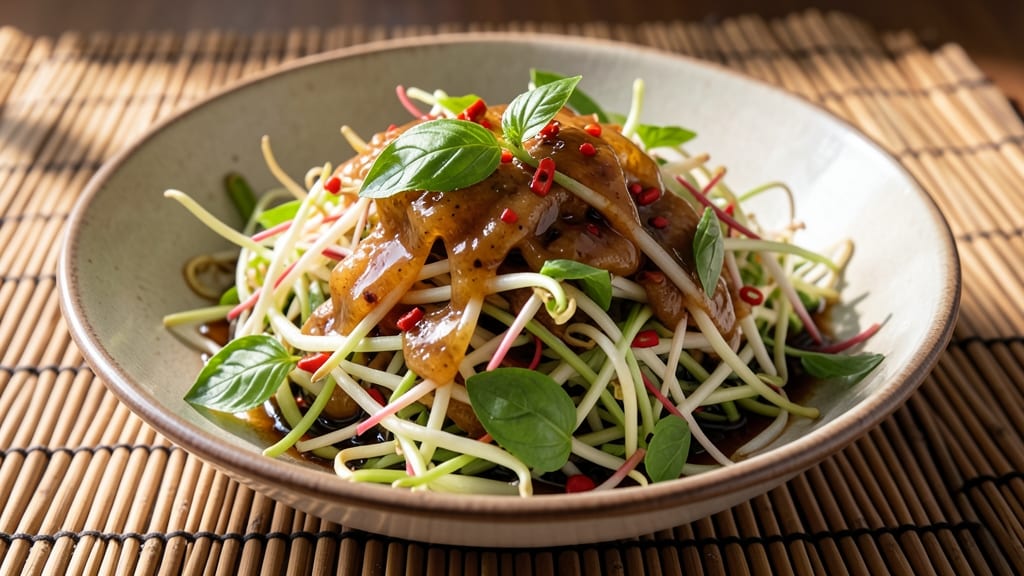
This Thai bean sprouts recipe delivers the perfect balance of crisp-tender texture and bright, zesty flavors that define street food stalls across Thailand. The secret lies in high-heat stir-frying that creates wok-hei—that signature smoky aroma—while keeping the bean sprouts just tender enough to bite through.
I developed this recipe after years of perfecting the art of balancing sweet, sour, spicy, and umami in every bite, using just six core ingredients that transform ordinary bean sprouts into something extraordinary.
The foundation is a simple marinade of lime juice, fish sauce (or soy sauce for vegan), and a touch of palm sugar that caramelizes slightly during cooking. Fresh Thai basil and chili flakes add layers of complexity—herbaceous, slightly peppery, and with a kick that lingers.
The key technique is working in batches to maintain high heat, ensuring the sprouts stay crisp-tender rather than soggy. This method delivers restaurant-quality results in under 15 minutes, making it perfect for weeknight dinners or as a vibrant side dish for grilled proteins.
What makes this recipe truly special is how it transforms a humble vegetable into a dish that's both satisfying and versatile. The bright lime-chili dressing cuts through richness, while the bean sprouts provide satisfying texture.
Serve it as a standalone dish with steamed jasmine rice or pair it with grilled shrimp, tofu, or chicken for a complete meal.
The flavor profile is bold yet balanced—tangy from the lime, spicy from the chili, and umami-rich from the fish sauce, all while maintaining that essential crisp-tender texture that makes it irresistible.
For those who want to elevate it further, consider adding toasted cashews for crunch or a drizzle of peanut sauce for extra richness. The recipe scales beautifully for crowds, and leftovers keep well in the fridge for up to 3 days—though they rarely last that long.
Let's bring the vibrant flavors of Thai street food to your kitchen with this simple yet impressive dish.
Ingredients for bean sprouts recipe thai
Six core ingredients transform simple bean sprouts into restaurant-quality Thai street food.
| Ingredient | Amount | Notes |
|---|---|---|
| Bean Sprouts 🌱 | 8 oz | Fresh, trimmed and rinsed |
| Fresh Lime Juice 🍋 | ¼ cup | About 2-3 limes, freshly squeezed |
| Soy Sauce 🥄 | 2 tbsp | For vegan umami depth |
| Palm Sugar 🍯 | 1 tbsp | Or substitute coconut sugar |
| Fresh Thai Basil Leaves 🌿 | ¼ cup | Packed, stems removed |
| Red Chili Flakes 🌶️ | 1 tsp | Adjust for heat preference |
| Neutral Oil 🫒 | 2 tbsp | Avocado or vegetable oil |
| Garlic Cloves 🧄 | 2 cloves | Minced, for aromatic base |
| Toasted Cashews 🥜 | ¼ cup | Optional for crunch |
| Sesame Oil 🫒 | ½ tsp | For finishing aroma |
| Sea Salt 🧂 | ½ tsp | Fine grain preferred |
The bean sprouts are the star here—look for vibrant, crisp ones at the produce section, not the wilted kind lurking in the back. Trader Joe's and Whole Foods usually have the freshest batches, but any grocery store's produce aisle will work. If you can't find Thai basil, regular basil or cilantro will do in a pinch, though the flavor won't be quite the same. The lime juice should be freshly squeezed—bottled just won't cut it. For the palm sugar, coconut sugar or regular granulated sugar works if you're in a bind, but palm sugar gives that authentic caramelized depth.
No red chili flakes? Fresh Thai chilies or cayenne pepper will bring the heat, though you'll need to adjust the amount. The soy sauce is non-negotiable for that umami punch—Kikkoman or Tamari are reliable choices. If you're cooking in batches, keep the oil hot in a separate pan so you don't lose temperature. The garlic should be minced finely for even distribution. For extra richness, a drizzle of peanut sauce after cooking takes this to the next level. And if you're feeling fancy, toast the cashews in a dry pan for 2-3 minutes until golden—they add a whole new dimension of crunch.
Bean sprouts stay crisp for 3-4 days in the fridge if stored in a sealed container with a paper towel to absorb moisture. The lime juice can be prepped ahead and stored for 2 days, but it's best used fresh. This dish reheats beautifully—just toss with a splash of water and a quick stir-fry in a hot pan. For meal prep, portion into containers with a thin layer of oil on top to preserve that wok-hei aroma. Freezes for 1 month, though texture may soften slightly. The basil and chili flakes should be added fresh at the end, so don't store them with the cooked sprouts.
Why You'll Love This Recipe
- No Chopping Needed: I swear by this one—just rinse the sprouts, toss them in a hot pan for 3 minutes, and boom. No knives, no prep work, just that fresh crunch you crave. Honestly, it’s the kind of dish that makes me feel like a lazy genius.
- Tangy-Sweet Magic: That lime juice and palm sugar combo? It’s like a flavor explosion in your mouth—bright, just a little sweet, with the soy sauce tying it all together. The Thai basil adds this aromatic punch that makes every bite taste like a little vacation.
- Lunchbox Hero: Between us, this keeps perfectly for days in the fridge. I pack it in bento boxes for work, toss it into rice bowls, or even eat it straight from the jar. It’s my go-to when I need something that won’t wilt or get soggy by noon.
Step-by-step instructions for Thai bean sprouts stir-fry
Here's how to achieve that perfect balance of crisp-tender bean sprouts with bold Thai flavors.
Prepare the Bean Sprouts for Optimal Texture
Rinse the 8 oz bean sprouts thoroughly under cold water to remove any dirt or debris. Drain well in a colander and gently shake to remove excess moisture—this ensures they'll sear properly rather than steam. I like to trim the ends of the longest sprouts to create more even pieces. Spread them on a clean kitchen towel and pat dry with another towel. The drier they are, the better they'll crisp up during cooking.
This drying step is crucial—wet sprouts will turn soggy instead of achieving that satisfying crunch. If you're working ahead, you can refrigerate the dried sprouts for up to 1 hour before cooking, but don't let them sit too long or they'll reabsorb moisture from the air.
Create the Flavor Base with Garlic and Chili
Heat the 2 tbsp neutral oil in a large wok or skillet over medium-high heat until shimmering. Add the 2 minced garlic cloves and stir constantly for 30 seconds until fragrant—you should smell that sweet garlic aroma before it starts to brown. Immediately add the 1 tsp red chili flakes and stir for another 10 seconds to distribute the heat evenly.
Watch the garlic carefully—it burns quickly. If it starts to turn dark brown too soon, reduce the heat slightly. This aromatic base forms the flavor foundation for your dish, so don't rush this step. The chili flakes will infuse the oil with their signature heat, creating that authentic Thai kick.
Cook the Bean Sprouts to Crisp-Tender Perfection
Add the prepared bean sprouts to the wok in a single layer. Stir-fry for 2-3 minutes over high heat, working quickly to ensure even cooking. You want them to develop a golden crust while maintaining their tender interior. I like to use tongs to gently toss them rather than a spoon, which helps prevent breaking.
Here's the thing—don't overcrowd the pan. If you need to cook in batches, work in 2-ounce portions and keep the cooked sprouts warm in a bowl while you finish the rest. The sprouts are done when they're bright green with crisp edges and still slightly tender in the center. They should resist slightly when you press them with tongs.
Build the Sweet-Savory Sauce
Reduce the heat to medium and add the 2 tbsp soy sauce and 1 tbsp palm sugar. Stir constantly for 1-2 minutes until the sugar dissolves completely and the sauce begins to thicken slightly. Taste and adjust the seasoning—you want a balance of sweet, salty, and umami. If needed, add a pinch more salt or sugar to achieve harmony.
This is where the magic happens. The soy sauce adds depth while the palm sugar creates that perfect balance with the chili heat. The sauce should coat the back of a spoon but still be light enough to cling to the sprouts rather than pool at the bottom. If it's too thick, add 1 teaspoon of water to loosen it.
Finish with Aromatics and Garnish
Return the bean sprouts to the wok and toss to coat them evenly in the sauce. Stir in the 0.25 cup fresh Thai basil leaves and 0.25 cup toasted cashews, mixing gently to preserve the basil's delicate texture. Remove from heat and drizzle with 0.5 tsp sesame oil and 0.25 cup fresh lime juice. Toss one final time to distribute everything evenly.
The lime juice brightens the dish while the sesame oil adds that final aromatic touch. The cashews provide a satisfying crunch contrast to the tender sprouts. Serve immediately while the sprouts are still crisp-tender and the flavors are vibrant. This dish tastes best straight from the wok when everything is hot and the aromatics are at their peak.
Pro Tips For Making Bean Sprouts Recipe Thai
- Blanch the Sprouts: DESCRIPTION: Dump them into boiling water for exactly 30 seconds—no more—then shock in ice water. Overcooking turns them mushy, and you’ll end up with sad, limp sprouts instead of crisp, bright ones. (Yes, I’ve done it. Don’t learn this the hard way.)
- Toast the Basil: DESCRIPTION: Tear the Thai basil leaves in half and fry them for 10 seconds in the same pan you’re cooking the sprouts—just until the edges curl. This releases their aroma and makes them sing against the lime and soy. (Skipping this? You’re missing half the flavor.)
- Balance the Palm Sugar: DESCRIPTION: Taste the sauce before adding the full amount—palm sugar can turn cloying fast. A squeeze of lime afterward cuts the sweetness and keeps the dish bright. (I used to dump it all in blindly. Now I adjust.)
- Use a Wok or Cast Iron: DESCRIPTION: High heat is non-negotiable for this dish. A nonstick skillet won’t get hot enough, and the sprouts will steam instead of sear. If you don’t have a wok, a heavy cast iron pan works—just crank the heat to max. (Your future self will notice the difference.)
Regional styles of this dish
Street Food Bangkok Style
In Bangkok, this dish is often served as a quick, flavor-packed street food called Pak Boong (ผักบุ้ง). Vendors there use a slightly different technique—tossing the bean sprouts with a pre-mixed sauce of lime, fish sauce, and a pinch of sugar right in the wok. The key difference?
They add the basil and cashews after removing from heat to preserve the leaves' delicate texture. I've found that using 1 tbsp fish sauce instead of soy sauce (if you're not vegan) gives that authentic umami depth Bangkok street stalls are known for. 🌆
Northern Thai Chiang Mai Twist
Up in Chiang Mai, they take this dish to another level by adding fermented soybean paste (tauco) to the garlic base, which gives a funky, savory depth. The locals there also like to include shredded cabbage, which adds a satisfying crunch.
For this version, reduce the chili flakes to ½ tsp, as Northern Thai cuisine tends to be slightly milder. The dish is often served with a side of sticky rice, which soaks up the bold flavors beautifully.
I've made this version with 1 tbsp tauco, and it adds a complexity that's hard to replicate otherwise.
Southern Thai Satay-Inspired
Down in the south, you'll find a fusion version where the bean sprouts are served as a side to satay.
Here, the sprouts are dressed with a lighter version of the sauce—just 1 tbsp lime juice, 1 tsp soy sauce, and a pinch of sugar—then tossed with ½ cup shredded coconut, toasted peanuts, and fresh cilantro.
The texture contrast between the crisp sprouts and creamy coconut is incredible. For this version, I like to use ½ cup unsweetened coconut flakes, toasted in a dry pan until golden, then mixed with the sprouts at the end.
This adds a tropical twist that's perfect for warm weather. 🥥
Isaan-Style Spicy Kick
In Isaan province, they crank up the heat with bird's eye chilies, which are much hotter than regular chili flakes.
For this version, I like to use 3-4 fresh Thai chilies, finely chopped, instead of the 1 tsp chili flakes. They also add 1 tbsp palm vinegar, which gives a tangy depth that cuts through the heat.
The dish is often served with grilled pork skewers, but it works just as well with tofu for a vegan option. The secret here is balancing the heat with extra lime juice—about 3 tbsp, to keep the flavors bright and refreshing. 🌶️
Modern Bangkok Fusion
Today's Bangkok chefs are putting their own spin on this classic. One popular modern twist is adding pickled radish, which brings a sweet-tangy contrast to the dish. Another trend is using black garlic, which adds a deep, molasses-like sweetness when caramelized.
For this version, I like to sauté 1 tbsp black garlic paste, along with the regular garlic, before adding the sprouts. The result is a dish that's both nostalgic and innovative—perfect for foodies who want to experience Thai cuisine's evolution.
This fusion version pairs beautifully with coconut rice, creating a complete, balanced meal. 🍚
Nutrition facts
Frequently asked questions
Can I use regular basil instead of Thai basil?
You can substitute regular basil, but the flavor will be different. Thai basil has a distinctive anise-like quality that complements the dish beautifully. If you're using regular basil, add 1 tsp dried basil or ½ tsp anise seeds to mimic the flavor profile. For the best results, use fresh Thai basil if possible—it makes a noticeable difference!
How do I adjust the spice level for kids or sensitive palates?
For milder heat, reduce the chili flakes to ½ tsp or omit them entirely. You can still add flavor by increasing the garlic to 3 cloves or adding a pinch of ground coriander. For extra brightness without heat, add 1 extra tbsp lime juice and ½ tsp fish sauce to enhance umami. Kids often love the texture—just serve it with a side of mild coconut yogurt for dipping!
Can I make this recipe ahead of time?
While this dish tastes best fresh, you can prep components ahead. Store the cooked bean sprouts (without sauce) in the fridge for 2 days in an airtight container. Reheat in a dry pan over medium heat for 2 minutes, then toss with fresh lime juice, basil, and cashews just before serving. The sauce should always be made fresh—it's the secret to that vibrant Thai flavor!
What's the best way to store leftover bean sprouts?
Store unused fresh bean sprouts in a sealed container with a paper towel to absorb moisture. They'll keep in the fridge for 3-4 days. For cooked leftovers, store in an airtight container with a thin layer of oil on top to preserve texture. Reheat gently in a pan to maintain crispness—avoid microwaving as it makes them soggy. The best part? This dish reheats beautifully!
Can I make this vegan?
This recipe is already vegan-friendly if you use soy sauce instead of fish sauce. For extra umami depth, add 1 tbsp vegan fish sauce substitute or ½ tsp miso paste to the garlic base. The dish maintains its bold Thai flavors while being completely plant-based. Just ensure your soy sauce is vegan-certified if needed!