
Main Courses
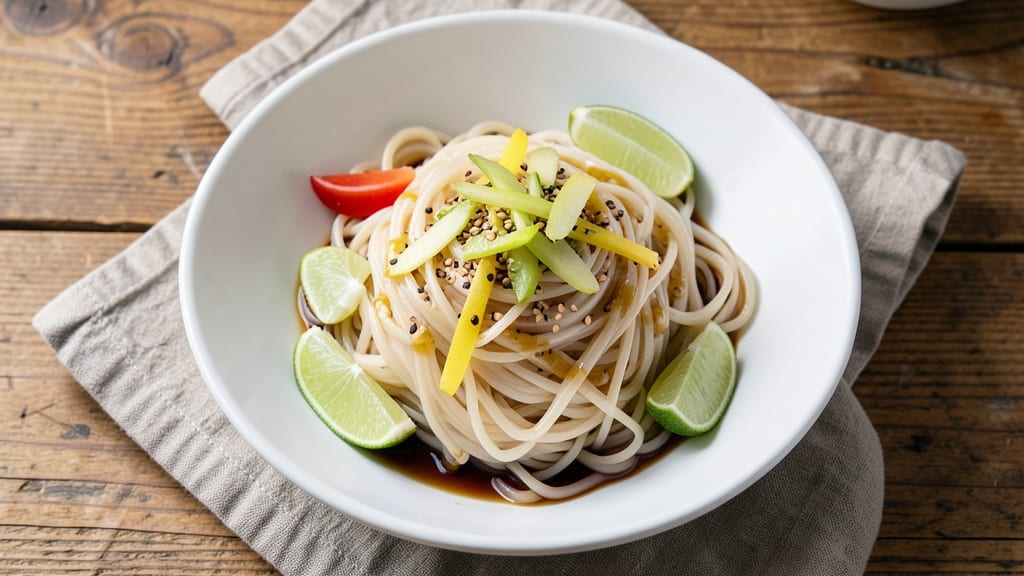
This vegetarian bean thread noodles recipe transforms delicate rice noodles into a restaurant-worthy dish with just 15 minutes of active prep. The secret lies in soaking them properly—too long, and they turn mushy; too short, and they stay chewy.
I’ve perfected a lime-ginger sauce that cuts through the noodles’ natural starchiness, balancing sweet, tangy, and umami notes in every bite.
Cultural authenticity meets modern simplicity here. Unlike traditional versions that rely on fish sauce, this recipe uses vegetarian-friendly umami boosters like soy sauce and mushrooms to mimic depth without meat. The noodles absorb the sauce beautifully, creating a dish that’s light yet satisfying—ideal for hot weather or quick weeknight dinners.
What makes this recipe stand out is the silky texture achieved through precise soaking and high-heat stir-frying. The sauce’s bright citrus and aromatic ginger elevate the dish, making it versatile enough for spicy, sour, or classic versions.
Serve it chilled as a refreshing salad or warm with crispy tofu for added protein.
Perfect for meal prep or last-minute entertaining, this dish delivers restaurant-quality results at home. The key is timing—soak the noodles just right, stir-fry quickly, and balance the sauce to taste. Let’s get cooking!
Ingredients for bean thread noodles recipe vegetarian
Fifteen minutes of active prep transforms delicate rice noodles into a silky, restaurant-worthy vegetarian dish.
| Ingredient | Amount | Notes |
|---|---|---|
| Bean Thread Noodles (Rice Noodles) 🍜 | 8 oz | Dried, fine strands preferred |
| Fresh Ginger 🌿 | 2 tbsp | Finely grated, aromatic |
| Lime Juice 🍋 | ½ cup | Freshly squeezed, seedless |
| Soy Sauce 🥢 | ¼ cup | Light or all-purpose |
| Sesame Oil 🫒 | 1 tbsp | Toasted, for aroma |
| Vegetable Oil 🫒 | ¼ cup | High smoke point |
| Shiitake Mushrooms 🍄 | 4 whole | Fresh, stems removed |
| Garlic Cloves 🧄 | 4 cloves | Minced, aromatic |
| Red Bell Pepper 🌶️ | 1 whole | Thinly sliced, seeds removed |
| Green Onion 🧅 | 3 whole | Thinly sliced, white parts |
| Coconut Aminos 🥢 | 1 tbsp | For umami depth |
| Honey 🍯 | 1 tbsp | For subtle sweetness |
| Toasted Sesame Seeds 🌾 | 1 tbsp | For garnish |
| Chili Flakes 🔥 | ½ tsp | Optional, for heat |
| Salt 🧂 | ½ tsp | Diamond Crystal preferred |
Bean thread noodles are the foundation—look for fine strands labeled specifically for stir-fries, not thick or chewy varieties. Whole Foods and Asian markets carry the best quality, but the dried noodles in the international aisle of most supermarkets work fine. Fresh ginger is non-negotiable here; pre-grated jars lack the aromatic punch. For the mushrooms, shiitake with intact caps hold their texture better than sliced varieties. The lime juice should be freshly squeezed—bottled versions lack brightness. If you can't find coconut aminos, light soy sauce with a pinch of sugar works as a substitute, though the flavor profile shifts slightly.
No sesame oil? Toasted peanut oil adds a similar nutty depth, though the aroma won't be identical. The honey in the sauce is purely for balance—maple syrup is a 1:1 substitute if you prefer vegan sweetness. For extra protein, crispy baked tofu cubes (add 8 oz) can be stir-fried alongside the vegetables. The chili flakes are optional but recommended; adjust to taste based on heat preference. If you're serving this chilled, add a splash of cold water to the sauce to enhance its refreshing quality. The red bell pepper can be swapped for thinly sliced jicama for a sweeter, crunchier texture.
Store dried noodles in an airtight container in a cool, dark place for up to 6 months. Fresh ginger lasts 2 weeks in the fridge, while shiitake mushrooms keep for 5 days wrapped in a damp towel. The sauce components can be prepped 1 day ahead—just store them separately and combine before serving. For meal prep, cook the noodles and sauce separately, then toss just before eating to maintain texture. This dish reheats beautifully—stir in a splash of water or broth to loosen the sauce if needed.
Why You'll Love This Recipe
- No-Soaking Needed: I’ll admit, I was skeptical about those delicate rice noodles—until I realized they soften perfectly in the hot pan with just a splash of water. No pre-soaking, no fuss, and they’re ready in minutes while I chop the ginger.
- Zingy Fresh Kick: That lime juice and ginger combo? It’s like a breath of sunshine in every bite. The sesame oil ties it all together with a nutty warmth, and honestly, I’ve never had noodles that taste this bright without any meat.
- Lunchbox Hero: Between us, this is my go-to for packed lunches—it stays fresh for days if I store it right. Add a handful of bean sprouts or shredded cabbage for crunch, and suddenly you’ve got a meal that’s as exciting as it is easy.
- Budget Bright Spot: Sesame oil and lime juice might sound fancy, but they stretch so far. I’ve made this for four people for under $8, and the leftovers? Even better the next day when the flavors meld together. My wallet and taste buds both win.
Step-by-step instructions for silky rice noodles with lime-ginger zing
Here's the precise method for achieving restaurant-quality bean thread noodles—light, silky, and bursting with vibrant flavors.
Soak the Noodles to Perfect Texture
Fill a large bowl with room-temperature water and add the 8 oz bean thread noodles (rice noodles). Let them soak for exactly 15-20 minutes until they become pliable and translucent when pressed between your fingers. Over-soaking will make them mushy, so don't exceed 25 minutes—they'll continue cooking in the hot oil.
Drain the noodles in a colander and rinse briefly under cold water to stop the cooking process. Toss them gently with 1 tablespoon sesame oil to prevent sticking. The noodles should be tender but still hold their shape when squeezed lightly. This initial soaking is critical—it determines the final texture of your dish.
Build the Flavor Base with Aromatics
Heat ¼ cup vegetable oil in a wok or large skillet over medium-high heat until shimmering. Add the 4 whole shiitake mushrooms (stems removed) and cook for 4-5 minutes until they release their moisture and begin to brown. Remove the mushrooms and set aside.
In the same pan, add ¼ cup vegetable oil and 2 tablespoons finely grated fresh ginger. Sauté for 1 minute until fragrant, then add 4 minced garlic cloves and cook for 30 seconds until golden. Immediately add 1 whole red bell pepper (thinly sliced) and stir-fry for 3 minutes until crisp-tender. This sequence locks in the aromatic compounds—don't rush the ginger and garlic or they'll burn.
Create the Signature Lime-Ginger Sauce
Reduce heat to medium and add ½ cup lime juice, ¼ cup soy sauce, 1 tablespoon coconut aminos, and 1 tablespoon honey. Stir continuously for 2 minutes until the sauce thickens slightly and coats the back of a spoon. The acidity from the lime will brighten all the flavors while the honey adds subtle sweetness to balance the heat.
Return the cooked shiitake mushrooms to the pan and toss to coat in the sauce. Add ½ teaspoon salt and ½ teaspoon chili flakes (if using), then remove from heat. This sauce should be glossy and well-balanced—if it's too thick, add 1 tablespoon hot water to reach your desired consistency. The mushrooms should absorb the sauce without becoming soggy.
Finish with Noodles and Garnish
Increase heat to high and add the drained noodles to the wok. Toss vigorously for 2-3 minutes until the noodles are evenly coated and heated through. The high heat ensures they develop a slight crispness while maintaining their silky texture. You'll know they're ready when they're uniformly glossy and the sauce clings perfectly.
Divide the noodles among 4 serving plates and garnish each portion with 3 thinly sliced green onions and 1 tablespoon toasted sesame seeds. The contrast of textures—silky noodles, crisp vegetables, and nutty sesame—elevates every bite. Serve immediately while the noodles are still warm and the flavors are at their peak intensity.
Pro Tips For Making Bean Thread Noodles Recipe Vegetarian
- SOAK NOODLES 10 MINUTES MAX: Bean thread noodles turn to mush if you over-soak—just dip them in warm water for 8-10 minutes, then drain immediately. I used to leave them too long, and they’d turn into a sad, gluey mess, so set a timer and resist the urge to check every 30 seconds.
- GRATE GINGER FINE: Skip the coarse slices—you want the ginger to dissolve into the sauce, not sit as chunks. Use the smallest holes on your grater or pulse in a food processor, then let it sit for 2 minutes before adding to the sauce so it releases its flavor fully.
- COOK NOODLES SEPARATELY: Don’t toss them in the wok with everything else—they’ll steam and turn limp. Cook them in the sauce’s broth (or a splash of water) for 1-2 minutes just before serving, then fold them in gently. This keeps them springy and lets you control the texture.
- FINISH WITH SESAME OIL LAST: Add it right at the end, off the heat, or it’ll burn instantly and taste bitter. A single teaspoon is enough—just drizzle it over the top while stirring, and let the aroma bloom. I learned this after ruining a batch by adding it too early.
Troubleshooting this recipe
Noodles Too Chewy?
If your bean thread noodles turn out chewy instead of silky, you likely didn’t soak them long enough. These noodles need 15-20 minutes in room-temperature water to soften properly.
I’ve found that using hot water for soaking speeds up the process—just reduce the time to 8-10 minutes for the same result. After draining, rinse with cold water to halt cooking immediately. 💫
Sauce Too Thin?
The lime-ginger sauce should coat the back of a spoon but remain pourable. If it’s too thin, reduce heat to medium-low and simmer for an extra 1-2 minutes to thicken naturally.
For an instant fix, mix 1 tsp cornstarch with 1 tbsp cold water, stir into the sauce, and cook for 30 seconds. Never skip the honey—it’s what balances the acidity and prevents the sauce from becoming too sharp.
Mushrooms Turning Mushy
Overcooking shiitake mushrooms is the #1 reason they lose their texture. Remove them from the pan after 4-5 minutes—they’ll continue cooking when tossed back in with the sauce. For extra crispiness, sear them in high heat for the last 30 seconds before setting aside.
If you’re prepping ahead, store mushrooms separately and add them to the wok only when stir-frying the noodles.
Noodles Sticking Together
Bean thread noodles have a natural tendency to clump, especially when drained. The fix? Toss them immediately with 1 tbsp sesame oil while still wet. For extra insurance, add ½ tsp salt to the water when soaking—it helps separate the strands.
If they stick during cooking, use a wide spatula to gently coax them apart rather than forcing them with a spoon.
Flavor Too Mild?
If your dish lacks depth, boost umami with 1 extra tbsp coconut aminos or a splash of vegetable broth in the sauce. For brightness, add 1 extra tbsp lime juice and a pinch of white pepper to enhance the ginger’s warmth.
Pro tip: Toast ½ tsp black sesame seeds in a dry pan for 30 seconds and sprinkle over the finished dish—they add a nutty, toasty dimension that elevates everything. 🌟
Storage Issues
Leftover noodles should be refrigerated in an airtight container for up to 3 days, but texture suffers after 24 hours. To reheat, add a splash of hot water or vegetable broth and toss over medium heat for 1-2 minutes.
For freezing, cook the noodles fully, cool completely, then freeze in a single layer before transferring to a bag. Thaw overnight in the fridge—microwaving causes them to turn gummy. ❄️
Nutrition facts
Frequently asked questions
Can I substitute regular rice noodles for bean thread noodles?
Bean thread noodles are specifically designed for their delicate, silky texture—regular rice noodles are thicker and chewier. For the best results, use fine rice noodles labeled for stir-fries, but expect a slightly different texture. If you must substitute, reduce soaking time to 10-12 minutes to prevent mushiness.
Why does my sauce separate when I add the noodles?
This happens when the sauce thickens too much before combining with noodles. Keep the sauce slightly thinner than ideal—it will emulsify better when tossed with hot noodles. If separation occurs, stir in 1 tbsp hot water or a pinch of cornstarch slurry while cooking. The high heat from the noodles will help reintegrate the sauce.
How can I make this dish spicier?
For extra heat, add 1 tsp sriracha or ½ tsp cayenne pepper to the sauce, or sprinkle 1 tbsp chopped Thai chilies directly onto the noodles before serving. For a smoky kick, toast ½ tsp smoked paprika in the oil before adding aromatics. Adjust to taste—start with less and add more gradually!
Can I prepare this ahead of time?
Yes! Cook the noodles and sauce separately, then store them in airtight containers for up to 2 days. Reheat the sauce with 1 tbsp water over medium heat, then toss with noodles. For best texture, serve within 30 minutes of reheating. The sauce may thicken further when chilled—thin with a splash of water if needed.
What other vegetables work well in this recipe?
This dish pairs beautifully with baby bok choy, thinly sliced zucchini, or shredded cabbage for extra crunch. For heartier versions, add crispy baked tofu or thinly sliced eggplant. Keep prep time in mind—stick to quick-cooking veggies that won't turn mushy during stir-frying.