
Soups & Stews
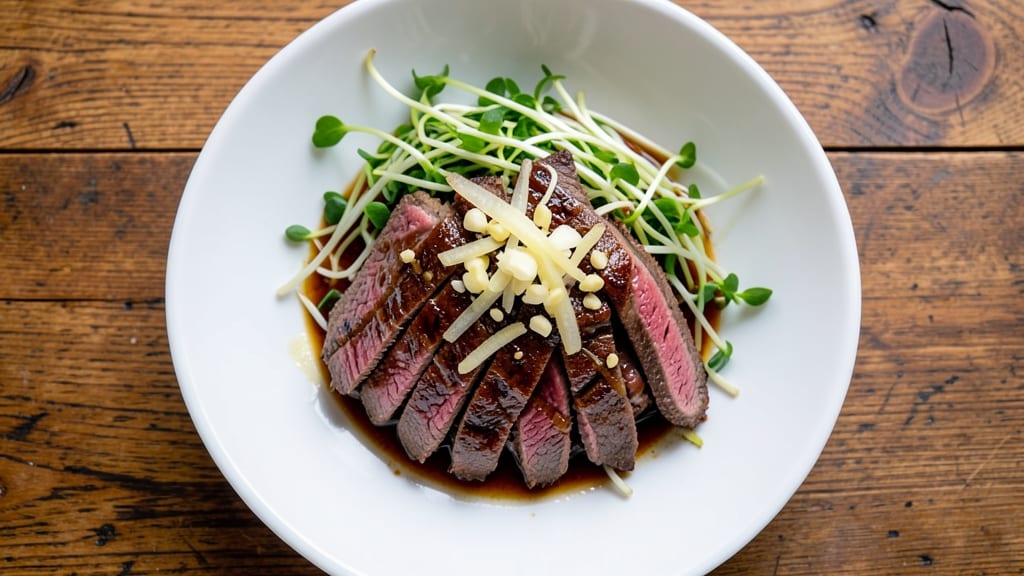
This beef and bean sprouts recipe delivers restaurant-quality wok-fired freshness in just 20 minutes, proving you don’t need hours to create a balanced, protein-packed meal.
The secret lies in high-heat stir-frying that keeps the bean sprouts crisp-tender while searing the beef to perfect doneness—no soggy vegetables or overcooked meat here.
What sets this dish apart is the harmony of textures and flavors: crisp bean sprouts, tender beef slices, and a quick homemade sauce that ties everything together with umami depth.
I’ve perfected the technique of prepping ingredients efficiently so you can focus on the cooking process rather than chopping for hours.
By the time you’re done, you’ll have a vibrant, nutrient-dense dish that’s ready in under half an hour—ideal for busy weeknights or quick lunches. The beef stays juicy, the bean sprouts maintain their satisfying crunch, and the sauce adds just the right balance of savory and slightly sweet notes.
Serve it over steamed rice for a complete meal, or enjoy it as-is for a satisfying, protein-rich bowl. The beauty of this recipe is its adaptability—swap the beef for shrimp or tofu, and it still delivers that same wok-fired freshness.
Ingredients for beef and bean sprouts
Fresh ingredients that pack maximum flavor in minutes—no chopping marathon required.
| Ingredient | Amount | Notes |
|---|---|---|
| Flank Steak 🥩 | 1 lb | Thinly sliced against grain |
| Bean Sprouts 🌱 | 4 cups | Fresh, crisp variety |
| Garlic Cloves 🧄 | 4 cloves | Minced for sauce base |
| Fresh Ginger Root 🌿 | 1 ½ tbsp | Finely grated, aromatic |
| Soy Sauce 🍶 | ⅓ cup | Low-sodium preferred |
| Sesame Oil 🫒 | 1 tbsp | Toasted for aroma |
| Honey 🍯 | 1 tbsp | For balance of sweetness |
| Vegetable Oil 🫒 | 2 tbsp | High smoke point |
| Cornstarch 🌾 | 1 tbsp | For tenderizing beef |
| Green Onions 🧅 | 3 whole | Sliced for garnish |
| Sesame Seeds 🌰 | 1 tbsp | Toasted for crunch |
| Red Chili Flakes 🌶️ | ½ tsp | Optional for heat |
| Salt 🧂 | 1 tsp | Kosher preferred |
| Black Pepper 🌶️ | ½ tsp | Freshly ground |
The beef is non-negotiable here—flank steak delivers that perfect wok-fired texture when sliced thin against the grain. Costco or Whole Foods usually carry it pre-sliced for stir-fry, but if you're buying whole, ask the butcher to slice it paper-thin. Bean sprouts? Trader Joe's has the crispest variety, but any fresh sprouts work—just rinse them well before using. The ginger and garlic are your flavor anchors, so buy fresh and grate the ginger just before cooking to preserve that bright zing. Pre-minced garlic from a jar? Skip it—fresh makes all the difference.
No soy sauce? Coconut aminos work in a pinch, though the flavor will be subtly different. Short on honey? Maple syrup at half the amount gives similar sweetness. The sesame oil is what gives this dish that authentic wok-house aroma—don't use the cheap stuff from the bulk bin. It's worth spending the extra buck for the real deal. For extra crunch, toast your sesame seeds in a dry pan for 30 seconds before adding them. And if you're feeling adventurous, swap the beef for shrimp or extra-firm tofu—just adjust the cooking time accordingly.
Prep everything before you turn on the heat—this isn't a dish you want to be multitasking during. The cornstarch marinade keeps the beef tender, so don't skip it. Store any leftovers in an airtight container for up to 3 days, but honestly, it's best eaten fresh. The flavors meld beautifully when reheated gently in a skillet with a splash of water, but it won't have that same crisp-tender texture. Freezing? Not ideal—bean sprouts get mushy when thawed. Make it fresh for the best experience.
Why You'll Love This Recipe
- One-Pan Magic: I swear by this recipe—just the steak, sprouts, and a quick stir-fry. No extra pans, no fuss, and the ginger-soy glaze caramelizes right in the skillet. My lazy nights thank me every time.
- Umami Bomb: That first bite of seared flank steak with the crisp-tender sprouts? The garlic and ginger hit like a flavor tsunami. Honestly, the soy sauce does most of the work here, but it’s the good kind of work.
- Lunchbox Hero: Between us, this is my go-to for meal prep. Slice the steak thin, toss with sprouts, and pack it cold or reheated—it’s fresh enough to eat straight from the fridge. My kids actually finish their lunches now.
- Budget Power Move: Flank steak stretches far, and sprouts are dirt cheap at the grocery store. I make this twice a month, and it feeds four for under $15. Plus, leftovers taste just as good the next day—no sad, dry meat here.
Step-by-step instructions for quick wok-fired beef and bean sprouts
Here's how to deliver restaurant-quality wok-fired beef in under 20 minutes.
Marinate and Slice the Flank Steak
First, trim any visible fat from the 1 lb flank steak and slice it thinly against the grain into ¼-inch thick strips. This ensures maximum tenderness. In a bowl, combine the sliced steak with 1 tbsp cornstarch, 1 tsp salt, and 0.5 tsp black pepper. Toss gently to coat evenly—the cornstarch helps tenderize the meat while preventing it from drying out during the quick cook.
Let the steak marinate for 10 minutes at room temperature. This brief marinating time is perfect for quick wok cooking—longer marinating would make the meat too soft for this technique. The cornstarch coating will create a light crust that seals in juices while adding texture.
Prepare the Sauce Base
In a small bowl, whisk together 0.33 cup soy sauce, 1 tbsp honey, 1 tbsp sesame oil, 1.5 tbsp finely grated fresh ginger root, and 4 minced garlic cloves. This sauce will balance the dish with umami, sweetness, and aromatic depth. Set aside while you prep the remaining ingredients.
For the chili heat (if using), lightly toast 0.5 tsp red chili flakes in a dry skillet over medium heat for 30 seconds until fragrant. This enhances their flavor without burning them—just enough to awaken their natural oils. Set aside with the sauce.
Wok-Fry the Steak to Perfect Doneness
Heat a wok or large skillet over high heat until smoking, then add 2 tbsp vegetable oil. When the oil shimmers, add the cornstarch-coated steak in a single layer. Let it sear undisturbed for 1-2 minutes until the edges develop a golden crust. This initial sear locks in juices and builds flavor.
Stir the steak vigorously for 1-2 minutes until it turns light brown and is cooked to medium-rare (about 145°F internal temperature). Remove the steak and set aside—it'll continue cooking slightly when combined with the hot sprouts. Don't overcrowd the pan or the steak will steam instead of sear.
Quick-Fry the Bean Sprouts
In the same wok, add the 4 cups bean sprouts and stir-fry over high heat for 2-3 minutes until they turn bright green and just begin to wilt. The high heat preserves their crisp texture while lightly cooking them through. Add 3 sliced green onions during the last 30 seconds of cooking.
Return the steak to the wok and pour in the prepared sauce. Toss everything together for 1-2 minutes until the sauce coats the steak and sprouts evenly. The residual heat from the wok will finish cooking the steak to perfect doneness while infusing it with the sauce's flavors.
Finish and Garnish
Transfer the beef and sprouts to serving plates and drizzle with any remaining sauce from the wok. Sprinkle with 1 tbsp toasted sesame seeds for added crunch and visual appeal. The sesame seeds should be toasted in a dry skillet over medium heat for 1-2 minutes until golden brown and fragrant before sprinkling.
Serve immediately while the steak is still juicy and the bean sprouts maintain their crisp texture. Each bite should deliver tender beef, vibrant sprouts, and a perfect balance of savory, sweet, and aromatic flavors. This dish comes together faster than you can say "wok-fired" while delivering restaurant-quality results.
Pro Tips For Making Beef And Bean Sprouts
- SEAR STEAK HOT AND FAST: Flank steak needs a screaming-hot pan—no wimpy medium heat. I learned this the hard way when my first attempt turned out gray and chewy. Get that pan smoking for 2-3 minutes before adding the steak, then resist the urge to move it around. A deep crust forms in the first 60 seconds, and that’s what locks in flavor.
- PREP GINGER LIKE A CHEF: Skip the grating—julienne that ginger into matchsticks instead. Thin slices cook faster, infuse better, and won’t turn to mush like grated ginger does. Use a sharp knife and cut against the grain for even pieces. (Yes, even if you’re impatient like me—this takes 30 seconds and makes a real difference.)
- DON’T OVERCROWD THE PAN: Bean sprouts release water like crazy when cooked. If you pile them all in at once, they’ll steam instead of sear. Work in batches—half the sprouts first, then push them to the sides and add the steak. By the time the meat’s done, the second batch will have just the right crisp-tender texture.
- REST MEAT UNDER FOIL: Flank steak’s juices need a place to go after cooking. Instead of letting it sit on a cutting board (where it’ll weep all over your kitchen), tent it loosely with foil for 5-10 minutes. This keeps it warm while redistributing those precious juices—no dry slices when you slice. (Your future self will thank you.)
Troubleshooting perfect results
Overcooked Sprouts
If your bean sprouts turn mushy instead of crisp-tender, you likely cooked them too long or at too low heat. High heat is key—keep your wok or pan at high heat and stir constantly for just 2-3 minutes.
I’ve found that using a wok with a flat bottom on a gas burner gives the best heat distribution. If you’re using a regular skillet, make sure it’s well-seasoned or preheated for 5 minutes before adding the sprouts. 🌱
Dry or Tough Beef
Beef that turns out dry or tough usually means it wasn’t sliced thin enough or cooked too long. Always slice against the grain into ¼-inch strips and cook for no more than 2-3 minutes total over high heat.
The cornstarch marinade helps, but don’t skip the 10-minute room-temperature rest before cooking—this ensures even cooking. If your beef is still tough, try slicing it even thinner next time. 🥩
Sauce Too Thin
A sauce that’s too thin usually means the wok wasn’t hot enough or the beef absorbed too much. To fix this, reduce the sauce slightly by simmering it in the wok for 1-2 minutes before adding the beef and sprouts.
Alternatively, add ½ tsp cornstarch mixed with 1 tsp water to thicken it. I also recommend using low-sodium soy sauce to avoid excess liquid from the salt content. 🍶
Uneven Cooking
If some parts of your beef are raw while others are overcooked, you likely overcrowded the pan. Cook the beef in batches if needed, and avoid stirring too frequently during the initial sear—let it develop a crust for 1-2 minutes undisturbed.
A 12-inch cast iron skillet or wok is ideal for this recipe, as it provides enough surface area to cook the beef in a single layer. 🔥
Lacking Flavor
If your dish tastes bland, it’s probably due to stale or low-quality ingredients. Always use fresh ginger and garlic—pre-minced or jarred versions lack the bright, aromatic punch. For extra depth, add 1 tsp fish sauce to the sauce base or a splash of rice vinegar for brightness.
Toasting the sesame seeds and chili flakes before adding them also enhances flavor significantly. 🌿
Sticky or Burnt Sauce
A burnt or overly thick sauce happens when the heat is too high or the sauce isn’t stirred enough. Keep the heat at medium-high when combining the sauce with the beef and sprouts, and stir constantly for 1-2 minutes.
If the sauce starts to stick, add a splash of water or beef broth to deglaze the pan. A wooden spoon or silicone spatula helps prevent sticking better than metal utensils. 🍯
Nutrition facts
Frequently asked questions
Why do my bean sprouts turn soggy?
Bean sprouts lose their crispness when overcooked or exposed to moisture. Always stir-fry them over high heat for just 2-3 minutes—they should stay bright green and only slightly wilted. Use a well-heated wok or skillet and avoid overcrowding the pan. A quick rinse before cooking also removes excess moisture that causes sogginess.
Can I use frozen bean sprouts?
Fresh bean sprouts are ideal for this recipe, but if you must use frozen, thaw them completely first and pat them very dry with paper towels. Frozen sprouts release more moisture when cooked, which can make them mushy. For best results, use them within 24 hours of thawing.
What's the best way to make this gluten-free?
Replace the soy sauce with tamari or coconut aminos (both are gluten-free) and ensure your cornstarch is certified gluten-free. Double-check all ingredients, especially sesame oil and seasonings, as some brands may contain hidden gluten. The recipe remains just as flavorful with these substitutions.
How do I adjust the spice level?
For milder heat, reduce the red chili flakes to ¼ tsp or omit them entirely. For extra spice, add ½ tsp sriracha or 1 tsp gochujang to the sauce. Toasting the chili flakes first enhances their flavor without adding more heat. Adjust gradually to taste.
Can I prep ingredients ahead of time?
Yes! Marinate the beef and prep the sauce 1 day ahead and store in airtight containers. Keep the bean sprouts separate until ready to cook. The cornstarch coating works best when fresh, so slice the beef 30 minutes before cooking. This saves time without sacrificing texture.