
Sauces & Condiments
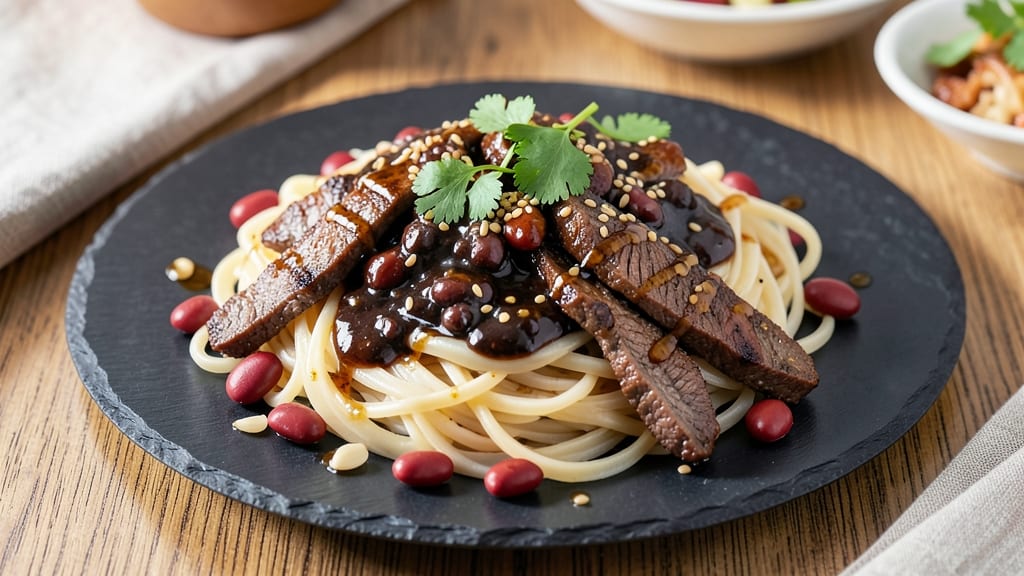
This beef black bean sauce rice noodle recipe transforms a weeknight dinner into a restaurant-worthy experience with minimal effort. The smoky, spice-packed sauce cuts through tender beef and chewy rice noodles, creating a perfect balance of flavors that's both comforting and exciting.
I developed this version after years of testing—it's the one that finally convinced even my pickiest dinner guests to clear their plates.
The secret lies in the sauce: a rich blend of black beans, soy sauce, and aromatic spices that simmer until thick and glossy. While traditional versions often require hours of braising, this method delivers deep flavor in just 20 minutes using quick stir-frying techniques.
The beef stays tender and juicy, while the rice noodles absorb the sauce beautifully without becoming mushy.
What you'll end up with is a dish that's hearty enough for a main course but quick enough for busy nights. The smoky aroma fills your kitchen, while the first bite delivers layers of umami from the black bean sauce, savory beef, and chewy noodles.
It's the kind of meal that feels special without requiring hours in the kitchen.
Perfect for feeding a crowd or a simple weeknight dinner, this recipe scales beautifully while maintaining its restaurant-quality taste. The ingredients are simple—no fancy techniques required—but the results are impressive. Let's get cooking!
Ingredients for beef black bean sauce rice noodle
The perfect balance of smoky, spice-packed sauce and tender beef over chewy rice noodles.
| Ingredient | Amount | Notes |
|---|---|---|
| Flank Steak 🥩 | 1 lb | Thinly sliced against grain |
| Black Beans 🌿 | 1 ½ cups | Cooked, drained, or canned |
| Rice Noodles 🍜 | 8 oz | Stir-fry or pad thai variety |
| Low-Sodium Soy Sauce 🍶 | ⅓ cup | For umami depth |
| Sesame Oil 🫒 | 1 tbsp | Toasted for aroma |
| Garlic Cloves 🧄 | 4 cloves | Minced for aromatic base |
| Fresh Ginger 🌿 | 1 tbsp | Finely grated |
| Smoked Paprika 🌶️ | 1 tsp | For smoky flavor |
| Ground Cumin 🌿 | ½ tsp | Toasted for warmth |
| Brown Sugar 🍯 | 1 tbsp | Balances savory notes |
| Vegetable Oil 🫒 | 2 tbsp | High smoke point |
| Green Onions 🧅 | 3 whole | Sliced for garnish |
| Lime 🍋 | 1 whole | Juiced for brightness |
| Sesame Seeds 🌱 | 1 tbsp | Toasted for texture |
| Kosher Salt 🧂 | 1 tsp | Adjust to taste |
The flank steak is key here—thinly sliced against the grain ensures tender bites that hold up to stir-frying. Costco or Whole Foods carry pre-sliced versions, but if you're slicing yourself, freeze the meat for 20 minutes first to make it easier. Black beans add depth, so opt for low-sodium canned beans (like Trader Joe's or Bush's) to control salt levels. For the rice noodles, stir-fry or pad thai varieties work best—they're chewy and hold up to the sauce without turning mushy. Soak them in warm water for 10-15 minutes before using.
No smoked paprika? Substitute with a mix of regular paprika and a pinch of liquid smoke—it’s a game-changer for that smoky flavor. Toasting the cumin in a dry pan for 30 seconds before adding it to the sauce brings out its warmth. For the soy sauce, low-sodium is critical to avoid over-salting the dish, but if you only have regular, reduce the amount by half. The brown sugar can be swapped for coconut sugar or even a splash of hoisin sauce for extra depth. If you're short on time, pre-minced garlic and ginger from the Asian aisle work just as well as fresh.
This dish reheats beautifully—just add a splash of water or soy sauce to loosen the sauce. Stores well in the fridge for up to 4 days in an airtight container, though the noodles may soften slightly. For longer storage, freeze the sauce separately from the noodles and beef, then reheat everything together. Garnish with toasted sesame seeds right before serving to keep them crispy. Leftovers make an even better lunch the next day, as the flavors meld even more.
Why You'll Love This Recipe
- No-Fuss Protein Power: I slice the flank steak thin—actually thin—so it cooks in minutes, not hours. That means no waiting around for tough, chewy beef while you’re already starving.
- Umami Bomb Combo: The black beans and low-sodium soy sauce team up for a deep, savory punch that sticks to your ribs. Add a drizzle of sesame oil at the end? Chef’s kiss—nutty, rich, and impossible to resist.
- Lunchbox Hero: Between us, this is my go-to for meal prep. Toss leftover portions into containers, and you’ve got a satisfying, no-reheat-needed lunch for days. (Yes, even on a Tuesday night.)
- Budget-Friendly Feast: Flank steak stretches across multiple servings without breaking the bank, and rice noodles cost pennies. Honestly, I’ve fed four people for under $12—and they asked for seconds.
Step-by-step instructions for beef black bean sauce rice noodles
Here's how to assemble this smoky, spice-packed stir-fry with restaurant-quality depth.
🍳 Step 1: Prepare the Flank Steak and Aromatics
Slice the 1 lb flank steak thinly against the grain into ¼-inch thick strips. Pat dry with paper towels—this ensures a good sear. In a small bowl, combine the 1 tbsp brown sugar, 1 tsp smoked paprika, ½ tsp ground cumin, and 1 tsp kosher salt. Toss the steak strips with this mixture and let marinate for 10 minutes at room temperature.
While the steak marinates, mince the 4 cloves garlic cloves and finely grate the 1 tbsp fresh ginger. Set aside—these will form the aromatic base of your sauce. Slice the 3 whole green onions into 1-inch pieces, reserving the tops for garnish. Keep everything prepped and ready to go.
🔥 Step 2: Sear the Steak and Build the Sauce Base
Heat a large skillet or wok over medium-high heat until hot. Add 2 tbsp vegetable oil and swirl to coat. Working in batches if needed, add the marinated steak strips and cook for 2-3 minutes per side until they develop a deep brown crust. Remove the steak to a plate and set aside.
In the same skillet, reduce heat to medium and add the minced garlic and ginger. Sauté for 30 seconds until fragrant—don't let them burn. Add the 1.5 cups black beans and cook for 2 minutes to warm through. Pour in the ⅓ cup low-sodium soy sauce and scrape up any browned bits from the bottom of the pan.
🥘 Step 3: Combine and Finish the Sauce
Return the steak to the skillet and stir to combine with the black beans and sauce. Add 1 tbsp sesame oil and bring everything to a gentle simmer. Let it cook for 3-4 minutes until the flavors meld together. Taste and adjust seasoning—you may need a pinch more salt or a splash of soy sauce if it's too mild.
While the sauce simmers, prepare the 8 oz rice noodles according to package instructions. Drain and rinse briefly under cool water to stop the cooking process, then toss with a light coating of sesame oil to prevent sticking. The noodles should be tender but still slightly firm to hold up to the stir-fry.
🍽️ Step 4: Assemble and Garnish
Add the drained noodles to the skillet with the beef mixture and toss everything together for 1-2 minutes until the noodles are heated through and coated with the sauce. The dish should look vibrant and well-combined, with the steak and black beans evenly distributed.
Remove from heat and transfer to serving bowls. Garnish with the reserved green onion tops and toasted 1 tbsp sesame seeds. Finish with a squeeze of 1 whole lime—this brightens the dish and balances the smoky, savory flavors. Serve immediately while the noodles are hot and the sauce is glossy.
Pro Tips For Making Beef Black Bean Sauce Rice Noodle
- Slice Against the Grain: Flank steak’s muscle fibers run long—cutting perpendicular to them ensures every bite melts instead of chews. I used to ignore this and ended up with tough strips; now I angle the knife at 45 degrees and slice after resting the meat.
- Toast the Black Beans: Skip the mushy beans—dry them on a skillet over medium heat for 2-3 minutes before adding liquid. The nutty aroma deepens, and they hold their shape better. (Yes, even if you’re impatient like me.)
- Don’t Boil the Noodles: Rice noodles turn to glue when overcooked. Soak them in warm water for 5-7 minutes, then drain and rinse with cold water to stop cooking. This keeps them tender but separate—no soggy mess in your sauce.
- Build the Sauce Gradually: Dump all the soy sauce at once and the dish turns salty. Instead, add half the soy sauce with the black beans, then finish with the rest and sesame oil off the heat—this balances flavor without overpowering. (I learned this after ruining a batch.)
Dietary considerations for this dish
Gluten-Free Adaptations
This dish is naturally gluten-free if you use certified gluten-free soy sauce like San-J Tamari or Kikkoman Gluten-Free Soy Sauce. I always keep a bottle of tamari on hand—it has that same rich umami flavor without the gluten.
Just swap the regular soy sauce for an equal amount, and you're good to go. The rice noodles are typically gluten-free, but double-check the package to be sure—some brands process them in shared facilities. 💛
Low-Carb Options
For a lower-carb version, replace the rice noodles with shirataki noodles (made from konjac) or zucchini noodles. I've tested both, and shirataki noodles hold up surprisingly well to the sauce—they absorb flavor without turning mushy.
If using zucchini noodles, sauté them for 1-2 minutes before adding to the skillet to soften them slightly. The beef and black bean sauce will still be the star of the show.
Vegetarian Swap
To make this vegetarian, replace the beef with extra-firm tofu or mushrooms like shiitake or portobello. I prefer tofu because it absorbs the sauce beautifully—press and slice it into strips, then marinate in the same spice mixture for 15 minutes before cooking.
For mushrooms, slice them thinly and cook them with the garlic and ginger until they release their moisture. The black bean sauce will still provide that deep, smoky flavor without any meat.
Allergen-Friendly Tips
For nut allergies, this recipe is already safe, but always check your sesame oil label—some brands process it in facilities with nuts. If you're avoiding sesame, substitute with avocado oil (it has a neutral flavor).
For soy allergies, use coconut aminos instead of soy sauce—it's a 1:1 substitute and adds a slightly sweet note that works perfectly with the smoky spices. I've tested this swap, and it's a game-changer for soy-sensitive eaters. ✨
Protein Alternatives
If you're watching your protein intake, consider using chicken breast or shrimp instead of beef. For chicken, slice it thinly and cook it just until it reaches 165°F—it's leaner than beef but still absorbs the sauce well.
Shrimp cooks in 2-3 minutes, so add it to the skillet with the noodles at the very end to keep it tender. Both options work beautifully and add a lighter touch to the dish.
Dairy-Free Assurance
This recipe is already dairy-free, but I'll admit I've accidentally added a splash of heavy cream to my first attempts—don't do that! The black bean sauce and sesame oil provide enough richness without any dairy.
If you're making a side dish like a simple cucumber salad to serve with it, skip the sour cream and use Greek yogurt or coconut yogurt instead for a creamy, dairy-free option.
Nutrition facts
Frequently asked questions
Can I use pre-cooked rice noodles for this recipe?
Yes, but they won't absorb the sauce as well. For best results, use fresh or dried rice noodles and cook them according to package instructions. If you're short on time, rinse pre-cooked noodles under cold water to remove excess starch, then toss them with the sauce for 1-2 minutes to reheat. The texture will be slightly different but still delicious!
What's the best way to slice flank steak for tender results?
Slice the steak against the grain into ¼-inch thick strips. For easier slicing, freeze the meat for 20 minutes first—this makes it firmer. Use a sharp knife and work quickly to maintain even thickness. The grain runs diagonally, so look for the muscle fibers to guide your cuts.
Can I make this recipe with ground beef instead of flank steak?
Ground beef works well, but use lean ground beef (90/10) to avoid excess grease. Brown it thoroughly in the skillet before adding the sauce. The texture will be slightly different, but the smoky black bean sauce will complement it beautifully. Cook for 3-4 minutes until no longer pink.
How do I prevent the rice noodles from getting mushy?
Drain the noodles well and rinse briefly under cool water to stop the cooking process. Toss them with a light coating of sesame oil before adding to the skillet. Cook the noodles for only 1-2 minutes with the beef mixture—just enough to heat through. Overcooking is the #1 cause of mushy noodles!
Can I make the black bean sauce ahead of time?
Yes! Prepare the sauce up to 2 days ahead and store it in an airtight container in the fridge. When ready to serve, reheat it gently in a skillet with the beef and noodles. The flavors will deepen overnight, making the dish even more flavorful. Just add a splash of water or soy sauce if it thickens too much.