
Main Courses
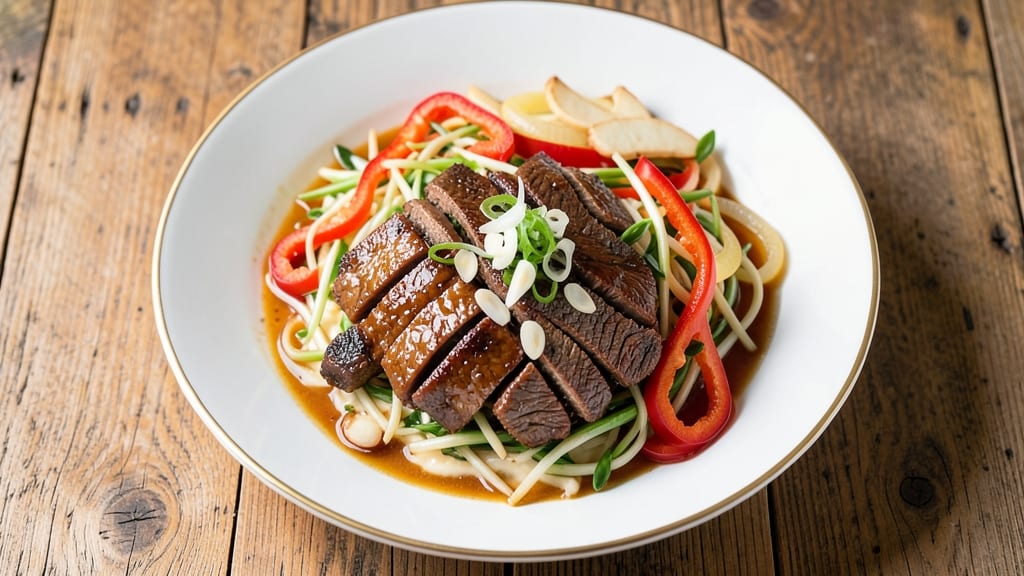
This beef chop suey recipe with bean sprouts delivers the perfect balance of wok-fried crunch and savory depth in under 30 minutes. I developed it after years of perfecting stir-fry techniques—where high heat meets precise timing to create that signature texture we all crave.
The secret lies in the cornstarch slurry that keeps the beef tender while the bean sprouts stay crisp, creating a dish that's both restaurant-quality and weeknight-friendly.
The recipe starts with thinly sliced beef that sears quickly in the wok, locking in juices while developing a caramelized crust. Bean sprouts add that essential crunch, while bell peppers and onions bring sweetness and texture.
A homemade sauce—balanced with soy, oyster, and a touch of brown sugar—ties everything together with authentic umami flavor. The best part? You can serve it over steamed rice or noodles, making it versatile for any meal.
What makes this chop suey special is how the ingredients work together: the crisp-tender bean sprouts contrast perfectly with the silky beef, while the sauce coats every bite without overwhelming.
The aroma alone—garlic, ginger, and soy sauce steaming in the wok—will have everyone gathering around the table. It's the kind of dish that feels indulgent but comes together effortlessly.
Once you try this version, you'll never settle for takeout again. The technique is simple, but the results are undeniably restaurant-worthy. Ready to transform your weeknight dinners? Let's get cooking—your taste buds will thank you.
Ingredients for beef chop suey recipe with bean sprouts
Thinly sliced beef, crisp bean sprouts, and aromatic wok-fried flavors—this chop suey delivers restaurant-quality crunch in 30 minutes.
| Ingredient | Amount | Notes |
|---|---|---|
| Flank Steak 🥩 | 1 ¼ lb | Thinly sliced against grain |
| Bean Sprouts 🌱 | 4 cups | Fresh, rinsed thoroughly |
| Red Bell Pepper 🌶️ | 1 whole | Thinly sliced, seeds removed |
| Yellow Onion 🧅 | 1 whole | Thinly sliced, white and light green parts |
| Garlic Cloves 🧄 | 4 cloves | Minced finely, aromatic |
| Fresh Ginger 🌿 | 1 ½ tbsp | Grated finely, aromatic |
| Cornstarch 🌾 | 2 tbsp | For tenderizing beef slurry |
| Vegetable Oil 🫒 | 3 tbsp | High smoke point for wok-frying |
| Soy Sauce 🍶 | 3 tbsp | Light or regular, not low-sodium |
| Oyster Sauce 🦪 | 2 tbsp | High-quality, umami depth |
| Brown Sugar 🍚 | 1 ½ tbsp | Lightly packed, for balance |
| Sesame Oil 🫒 | ½ tbsp | Toasted, for finishing aroma |
| Green Onions 🧅 | 3 whole | Thinly sliced, for garnish |
| Steamed White Rice 🍚 | 2 cups | Cooked, for serving |
| Salt 🧂 | ½ tsp | Kosher, for seasoning |
The flank steak is non-negotiable here—it's lean enough to slice thinly but still holds up to high heat. Ask your butcher to slice it against the grain if they won't do it for you, or use a sharp knife and freeze it 20 minutes first for easier slicing. For bean sprouts, Trader Joe's or local Asian markets have the freshest, but the grocery store brand works too—as long as they're crisp and bright green. The red bell pepper and yellow onion should be firm with no soft spots; local farmers markets often have the sweetest varieties. Garlic and ginger? Fresh is a must—dried just won't cut it for this dish.
No flank steak? Sirloin or ribeye work in a pinch, but slice it extra thin. Swapping bell peppers? Green or yellow work too, but red gives that classic chop suey color. The cornstarch slurry is key—don't skip it—it's what keeps the beef tender while everything else stays crisp. For the sauce, La Choy soy sauce is my go-to, but any light soy works. Oyster sauce can be tricky; Lee Kum Kee is reliable, but check the ingredients for additives. Brown sugar adds just enough sweetness—substitute agave if you're avoiding refined sugar. Sesame oil should be toasted, not the cheap flavored kind.
Prep the bean sprouts last—they wilt fast once sliced. The beef can marinate in the cornstarch slurry for up to 30 minutes before cooking, which is great for meal prep. Store leftovers in an airtight container for 3-4 days in the fridge, but honestly, it reheats best when you portion it over rice straight from the wok. Freeze portions for up to 3 months—just thaw in the fridge overnight. The sauce keeps for 1 week in the fridge, so make extra for stir-fries or marinades.
Why You'll Love This Recipe
- One-Pan Magic: I swear by this recipe when I’m too tired to scrub pots—just slice the flank steak thin, toss it with onions and garlic, and let the wok do the work. Bean sprouts add that satisfying crunch without extra effort, and the red bell pepper keeps things vibrant with zero fuss.
- Umami Bomb: That first bite of seared flank steak with the sweetness of charred bell pepper? It’s like a flavor explosion in your mouth. The garlic and onions caramelize just enough to give it depth, while the bean sprouts add a fresh, bright contrast that makes every forkful feel balanced.
- Lunchbox Hero: Between us, this is my go-to for meal prep—packs perfectly in containers and stays fresh for days. Double the batch, toss in some rice, and you’ve got a week’s worth of lunches that’ll make you the office favorite. (Yes, even on a Tuesday night.)
- Budget Win: Flank steak stretches further than you’d think when sliced thin, and the rest of the ingredients? Cheap and easy to find. Honestly, I’ve made this for under $10 per serving, and it still feels like a restaurant-worthy dish. The kind of meal that makes you wonder why you ever ordered takeout.
Step-by-step instructions for wok-fried beef chop suey
Here's how to create restaurant-quality beef chop suey with crisp-tender vegetables and perfectly marinated beef.
Marinate and Tenderize the Flank Steak
In a medium bowl, combine the 1.25 lb flank steak (sliced thinly against the grain), 3 tbsp soy sauce, 2 tbsp oyster sauce, 1.5 tbsp brown sugar, and 0.5 tsp salt. Mix gently to coat evenly. Let it marinate in the refrigerator for at least 30 minutes—this ensures deep flavor penetration and tenderizes the meat.
While marinating, create a cornstarch slurry by whisking 2 tbsp cornstarch with 2 tablespoons water in a small bowl. This will help create a crispy exterior when wok-fried. I like to slice the steak into ¼-inch thick strips for even cooking—thin slices ensure quick cooking without toughness.
Prepare the Vegetable Medley
In a large bowl, combine the 4 cups bean sprouts, 1 whole red bell pepper (thinly sliced), 1 whole yellow onion (thinly sliced), 4 cloves garlic cloves (minced), and 1.5 tbsp fresh ginger (finely grated). Toss gently to distribute all ingredients evenly. The bean sprouts should be rinsed thoroughly before using to remove any dirt or debris.
Set aside the 3 whole green onions (thinly sliced) for garnishing later. These will add a fresh, bright finish to your dish. I recommend keeping the vegetables separate from the meat until the final stir-fry—this prevents them from getting soggy before cooking.
Wok-Fry the Beef to Perfect Doneness
Heat a wok or large skillet over high heat until it's smoking hot. Add 3 tbsp vegetable oil and swirl to coat the bottom evenly. Once the oil shimmers, add the marinated beef in a single layer, spreading it out so it doesn't steam. Cook undisturbed for 1-2 minutes until the edges turn golden brown.
Stir-fry the beef vigorously for another 2-3 minutes until it's cooked through but still retains its pink center. Remove the beef from the wok and set aside. Here's the thing—don't overcrowd the wok. If you add too much at once, the beef will steam instead of sear, resulting in a mushy texture. Work in batches if needed.
Stir-Fry the Vegetables and Combine
In the same wok, add a bit more vegetable oil if needed and return it to high heat. Add the prepared vegetable medley and stir-fry for 3-4 minutes until the vegetables are crisp-tender. You want the bean sprouts to retain their crunch while the onions and peppers soften slightly.
Pour the cornstarch slurry over the vegetables and stir continuously for 1 minute until the mixture thickens slightly. Add the cooked beef back to the wok along with any accumulated juices. Stir-fry for another 1-2 minutes to combine everything thoroughly and heat through. The sauce should coat the beef and vegetables evenly.
Finish and Serve with Steamed Rice
Drizzle 0.5 tbsp sesame oil over the chop suey and toss gently to distribute evenly. The sesame oil adds a nutty aroma that complements the savory flavors perfectly. Taste and adjust seasoning if needed—you can add a bit more soy sauce or oyster sauce for extra umami depth.
Serve the beef chop suey immediately over 2 cups steamed white rice, garnished with the sliced green onions. The contrast of warm rice with the crisp-tender vegetables and savory beef creates a balanced, satisfying meal. Each bite should deliver a mix of textures—crunchy bean sprouts, tender beef, and silky sauce.
Pro Tips For Making Beef Chop Suey Recipe With Bean Sprouts
- Slice Steak Against Grain: Flank steak’s fibers run long, and cutting with them makes it tough. Slice thin strips across the grain first, then stack and slice diagonally for bite-sized pieces that stay tender—no one likes chewy beef in chop suey.
- Blanch Sprouts First: Toss bean sprouts in boiling water for 30 seconds, then shock in ice water. This removes dirt and softens them just enough to absorb flavors without turning mushy in the stir-fry—your future self will notice the difference.
- Use Two Stages of Heat: Start onions and peppers in a screaming-hot wok until charred in spots, then push them aside and crank the heat for the steak. The residual heat sears the beef while keeping the veggies from steaming—this is how you get that smoky, restaurant-style depth.
- Skip the Crowding: If your pan’s full before the beef hits, pull half the veggies out and finish them separately. Overcrowding steams instead of sears, and you’ll end up with soggy bell peppers instead of crisp-tender ones. Trust me, it’s worth the extra minute.
Creative variations of beef chop suey recipe with bean sprouts
Spicy Sichuan Twist
For a bold kick, add 1 tbsp Sichuan peppercorns (toasted and ground) and 1 tsp chili crisp to the sauce mixture. The numbing heat from Sichuan peppercorns pairs perfectly with the umami flavors.
I like to use Kingsford Hot Sauce for an extra layer of heat—just 1 tsp adds serious fire. Garnish with crushed dried chilies for visual drama and extra spice. 🌶️
Vegetarian Swap
Replace the beef with 1 lb extra-firm tofu, pressed and cubed, then marinated in the same sauce for 20 minutes. For extra texture, pan-fry the tofu until golden before stir-frying. I find Kirkland Signature firm tofu works best—it holds its shape while absorbing flavors.
Add 1 tbsp nutritional yeast to the sauce for a cheesy depth. This version is just as satisfying and packed with plant-based protein.
Seafood Version
Swap the beef for 1 lb shrimp or scallops, tossing them in the sauce for 10 minutes before cooking. Shrimp should be peeled and deveined, while scallops add a luxurious texture. I prefer wild-caught shrimp for their sweetness, but any shrimp works.
Cook the seafood separately from the vegetables to avoid overcooking—just 2-3 minutes until opaque. The briny notes complement the bean sprouts beautifully.
Coconut Curry Fusion
Transform this into a creamy curry by adding ½ cup coconut milk to the sauce and stirring in 1 tbsp red curry paste. Swap the bell pepper for 1 cup snap peas and add ½ cup cashews for crunch.
The coconut milk balances the soy sauce's saltiness while adding richness. Serve over jasmine rice for an aromatic twist. This version feels like a vacation in every bite. 🌴
Slow-Cooker Adaptation
For a hands-off version, combine all ingredients (except bean sprouts) in a 6-quart slow cooker with ½ cup water. Cook on low for 4-5 hours, then stir in the bean sprouts during the final 10 minutes to keep them crisp.
The slow cooking deepens the flavors, making it perfect for busy days. I like to add ½ cup pineapple chunks for a sweet contrast—just 10 minutes before serving.
Korean-Inspired Kimchi
Add ½ cup chopped kimchi to the vegetable medley for a tangy, probiotic boost. The lactic acid in kimchi tenderizes the beef while adding complexity. I recommend Mae Mun Kimchi for its balanced spice level.
Finish with 1 tsp toasted sesame seeds and a drizzle of gochujang for an extra layer of depth. This fusion brings a bold, fermented kick that elevates the dish.
Nutrition facts
Nutrition facts (with rice)
Frequently asked questions
Can I substitute regular cabbage for bean sprouts?
While cabbage can work in a pinch, it won't give you that same signature crunch. For best results, stick with bean sprouts—they stay crisp when stir-fried and add a fresh, slightly sweet contrast to the beef. If you must substitute, use shredded napa cabbage and cook it for just 1-2 minutes to maintain texture.
How do I keep the beef from getting chewy?
The cornstarch slurry is your secret weapon! Thinly slice the beef against the grain and marinate it for at least 30 minutes before cooking. High heat and quick stir-frying (2-3 minutes total) prevent toughness. Also, never overcrowd the wok—cook in batches if needed to maintain that crispy exterior.
Can I make this recipe without a wok?
A heavy-bottomed skillet or cast-iron pan works perfectly. Just make sure it gets smoking hot before adding oil. The key is maintaining high heat throughout cooking. If your pan isn't wide enough, cook the beef and vegetables in separate batches to avoid steaming.
What's the best way to reheat leftovers?
Reheat gently in a skillet over medium heat with a splash of water or broth to restore moisture. Avoid microwaving—it turns the bean sprouts soggy. For extra crispiness, add fresh bean sprouts when reheating and stir-fry for just 1-2 minutes until heated through.
How can I make this dish spicier?
Add ½ tsp chili flakes or 1 tsp sriracha to the sauce mixture. For heat lovers, try 1 tsp gochujang (Korean chili paste) or a dash of doubanjiang (Chinese chili bean paste). Garnish with sliced jalapeños or a drizzle of chili oil for extra kick.