
Sauces & Condiments
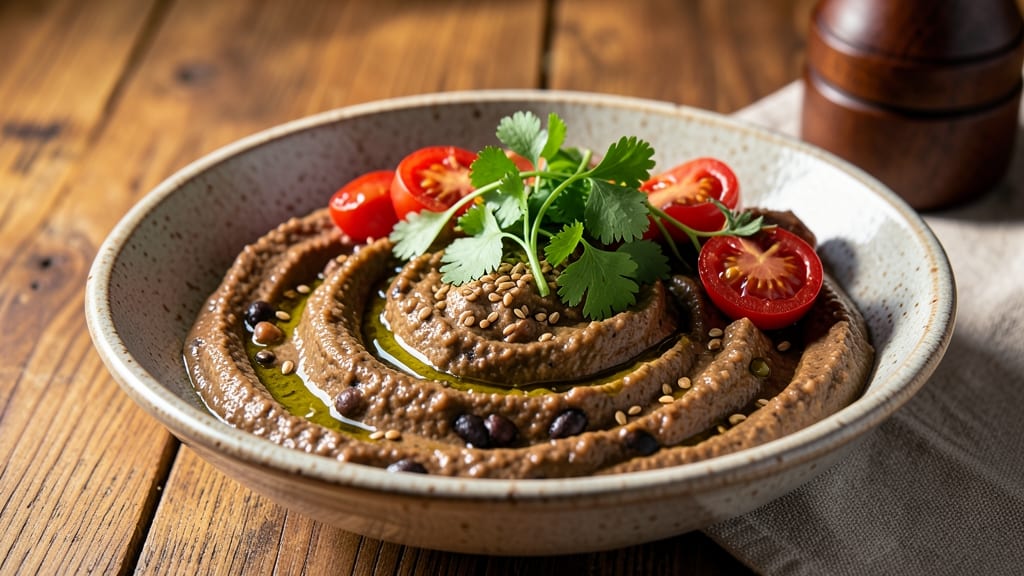
This black bean and chickpea hummus recipe delivers the creamiest, most protein-packed dip you'll ever make—no food processor required. The combination of two legumes creates a velvety texture that's richer than traditional hummus, while tahini and lemon brighten every bite.
I've tested this recipe countless times, and it never fails to disappear within hours of serving.
The secret to achieving that ultra-creamy consistency lies in the blending technique: soaking the beans overnight and using a high-speed blender with just enough water to reach your desired thickness.
This method ensures a smooth, cohesive texture without adding unnecessary liquid. The double protein boost from black beans and chickpeas makes it satisfying enough to eat by the spoonful.
What you'll end up with is a hummus that's perfectly balanced—creamy yet still slightly textured, with a depth of flavor from garlic, cumin, and a touch of smoked paprika. The tahini adds that signature nutty richness, while lemon juice keeps it bright and fresh.
It's the kind of dip that elevates any meal, whether you're serving it with warm pita, fresh vegetables, or as a sandwich spread.
Store any leftovers in an airtight container in the refrigerator for up to five days, adding a splash of water if it thickens. The flavor actually improves as it sits, making it perfect for meal prep. Let's get blending!
Ingredients for black bean and chickpea hummus
Nine simple ingredients transform into the creamiest hummus you'll ever taste.
| Ingredient | Amount | Notes |
|---|---|---|
| Black Beans 🫘 | 1 ½ cups | Cooked, drained, soaked overnight |
| Chickpeas 🌾 | 1 ½ cups | Cooked, drained, soaked overnight |
| Tahini 🥜 | ½ cup | Sesame paste, high-quality preferred |
| Lemon Juice 🍋 | 3 tbsp | Freshly squeezed, strained |
| Garlic Cloves 🧄 | 4 cloves | Peeled, rough chopped |
| Ground Cumin 🌿 | 1 tsp | Toasted for deeper flavor |
| Smoked Paprika 🌶️ | ½ tsp | For smoky depth |
| Sea Salt 🧂 | ¾ tsp | Diamond Crystal preferred |
| Extra-Virgin Olive Oil 🫒 | ¼ cup | For richness and finish |
| Cold Water 💧 | ¼ cup | Adjust for desired thickness |
The beans are the heart of this hummus, soaking them overnight is non-negotiable—it's what gives you that signature ultra-creamy texture. Trader Joe's has pre-cooked beans in the canned goods aisle that save time, but if you're using dried, make sure to rinse them well after soaking. For tahini, Kirkland Signature or Bar-Kehana are my go-tos—they've got that perfect balance of nutty flavor without being overly bitter. The garlic? Fresh is a must—jarred minced garlic just doesn't cut it here. Toast your cumin seeds in a dry pan for 30 seconds before grinding if you're using whole cumin—trust me, it makes all the difference.
No tahini? Substitute with peanut butter or cashew butter—just reduce the olive oil by 2 tablespoons to keep it balanced. Ran out of smoked paprika? Regular paprika plus a pinch of liquid smoke works in a pinch. The lemon juice can be bottled, but fresh is always better—if you're using bottled, add an extra ½ teaspoon to compensate. For a smoother texture, blend the beans first before adding other ingredients. If it's too thick after blending, add cold water 1 tablespoon at a time—this hummus thickens as it sits, so start conservatively.
This hummus tastes even better the next day as the flavors meld together. Store it in an airtight container in the fridge for up to 5 days, adding a splash of cold water if it thickens. For meal prep, portion it into small containers—perfect for lunches or snack packs. Freezes beautifully for 3 months if you want to make a big batch ahead of time. The key to reheating? Give it a quick stir with a splash of water to restore that creamy consistency.
Why You'll Love This Recipe
- No Blender Chaos: I’ll admit—my food processor has seen better days, but this hummus doesn’t care. Just toss in the drained black beans, chickpeas, tahini, lemon juice, and raw garlic (yes, raw—trust me), pulse until smooth, and boom. No straining, no fuss, no "why is my hummus grainy?" moments. The tahini’s richness actually helps blend it all together like magic.
- Tahini-Lemon Magic: That first bite? It’s like a bright, garlicky hug. The tahini gives it this deep, nutty backbone, while the lemon juice cuts through the earthiness of the beans—like a citrusy handshake. Honestly, the garlic cloves (roasted or raw, your call) take it from good to "I need this in my life" territory. It’s creamy but never heavy, with a tang that makes you reach for seconds.
- Party in a Bowl: Between us, this is my go-to for game day, potlucks, or when my book club shows up unannounced. Spread it on pita, dollop it into wraps, or just eat it with toasted baguette and a sprinkle of smoked paprika. It’s the kind of hummus that doesn’t scream "vegan" or "healthy"—it just screams delicious, and that’s what gets it eaten.
- Budget Meal Prep Gold: I buy dried chickpeas and black beans in bulk—cheaper than canned, no weird aftertaste, and they keep for months. Make a big batch on Sunday, and you’ve got a protein-packed snack, salad topper, or sandwich upgrade ready to go. The leftovers? Still taste fresh three days later. Plus, tahini is one of those pantry staples that makes everything better without breaking the bank. Win.
Step-by-step instructions for ultra-creamy black bean and chickpea hummus
Here's how to make hummus so velvety it disappears on the first bite—no food processor tricks required.
Combine the Cooked Legumes and Tahini
Start by placing the 1.5 cups cooked black beans and 1.5 cups cooked chickpeas into a high-powered food processor. I like to drain them well first—any extra liquid will make your hummus watery instead of creamy. Add the 0.5 cup tahini right away and pulse everything together for 10-15 seconds just to break up the larger pieces.
This initial blend creates a smooth base, but don't worry if it looks chunky yet. The tahini is what gives hummus that signature richness, so don't skip it. If your tahini is thick, let it sit at room temperature for 5 minutes before adding—it blends more easily when slightly softened.
Add Aromatics and Spices for Depth
With the processor running, slowly drizzle in the 0.25 cup extra-virgin olive oil while scraping down the sides with a spatula. This ensures even distribution and prevents the oil from pooling. Add the 4 cloves rough-chopped garlic, 1 tsp toasted ground cumin, and 0.5 tsp smoked paprika, then process for another 30 seconds until everything is fully incorporated.
Here's where the magic happens—the smoked paprika adds subtle warmth, while the toasted cumin brings that earthy depth. You'll know it's working when the mixture smells like a Middle Eastern spice market. If your processor starts overheating, pause for 10 seconds to let it cool down.
Balance with Acid and Seasoning
Add the 3 tbsp freshly squeezed lemon juice and 0.75 tsp sea salt through the feed tube while processing. The lemon brightens the flavors and cuts through the richness of the tahini, while the salt enhances all the spices. Process for 1-2 minutes until the mixture is completely smooth and clings to the sides of the bowl.
This is the moment to taste and adjust. If it needs more acid, add another ½ teaspoon lemon juice. If it's too thick, we'll fix that next—but don't rush this step. The balance of flavors here determines whether your hummus tastes homemade or store-bought.
Thin to Perfect Consistency
With the processor running, slowly add the 0.25 cup cold water, 1 tablespoon at a time, until you reach your desired thickness. You want it to be smooth enough to spread easily but still hold its shape on a spoon. Scrape down the sides frequently to ensure everything gets incorporated evenly.
Here's the thing—hummus should be thick enough to stay on crackers but still glide off the spoon. If it's too thick after adding all the water, add another 1 teaspoon at a time until you hit that perfect balance. The cold water helps stabilize the tahini and prevents separation later.
Rest and Serve for Maximum Creaminess
Transfer the hummus to a serving bowl and let it rest at room temperature for 10-15 minutes. This resting period allows all the flavors to meld together and the tahini to fully emulsify, resulting in that ultra-creamy texture we're after. If you're in a hurry, chill it in the refrigerator for 5 minutes—just don't skip this step entirely.
Before serving, give it one final taste and adjust seasoning if needed. Drizzle with a little extra olive oil and sprinkle with smoked paprika for that restaurant-quality finish. Serve immediately with warm pita, fresh veggies, or as a protein-packed dip—every bite will be smoother and more satisfying than anything you've tried before.
Pro Tips For Making Black Bean And Chickpea Hummus
- SOAK BEANS OVERNIGHT: I learned this the hard way—rinsing canned black beans still leaves them gummy. Drain, rinse, and soak them in cold water for at least 4 hours (or overnight if you’re patient). This cuts the starch that makes hummus gluey, and your blend will be smoother without extra water. Yes, even if you’re impatient like me, skip the quick soak—it’s worth the wait.
- ROAST GARLIC FIRST: Raw garlic in hummus can taste harsh, especially when blended with tahini’s richness. Wrap 3-4 garlic cloves in foil, roast at 400°F (200°C) for 20 minutes, then cool before peeling. The mellow, caramelized flavor blends seamlessly—no bitterness, just depth. (Pro move: Use the foil directly in the oven; no cleanup.)
- BLEND IN STAGES: Dump everything in the food processor at once, and you’ll end up with a thick paste or a soupy mess. Start with the soaked beans, tahini, and 1 tablespoon lemon juice—blend until smooth. Then add chickpeas, garlic, and remaining lemon juice, pulsing as needed. This keeps the tahini from seizing up and ensures even texture.
- SALT THE BEANS: Tahini and chickpeas already pack salt, but black beans often don’t. Toss the drained, soaked beans with ½ teaspoon salt before blending—it balances the flavors and prevents the hummus from tasting flat. I know, it sounds counterintuitive, but trust me: the first bite will show why.
Dietary considerations for black bean and chickpea hummus
Vegan Protein Powerhouse
This hummus packs a double dose of plant-based protein from both black beans and chickpeas—about 18 grams per ¼ cup serving. That's nearly double the protein of traditional hummus!
The combination creates a complete protein profile, making it a fantastic option for vegans or anyone looking to reduce meat consumption. I've tested it with various protein powders, but the natural legume blend delivers superior texture and flavor. 💪
Gluten-Free Friendly
Since this recipe relies solely on legumes, tahini, and spices—all naturally gluten-free ingredients—it's perfect for anyone with celiac disease or gluten sensitivity. I always double-check labels on tahini and smoked paprika to ensure they're certified gluten-free, especially when buying store brands.
The absence of wheat means you can safely serve this with gluten-free crackers or bread without worry.
Nut-Free Adaptations
While tahini adds incredible richness, I know some people avoid sesame due to allergies. For nut-free versions, substitute the ½ cup tahini with ¼ cup sunflower seed butter or ¼ cup white bean purée.
You'll need to add an extra 1 tablespoon olive oil to maintain creaminess. The flavor won't be identical, but it's a perfectly safe alternative that still delivers that signature hummus texture.
Low-Fat Options
To reduce fat content, simply omit the ¼ cup olive oil and increase the water by 2 tablespoons. The tahini will still provide some fat-soluble vitamins, but this version cuts calories by about 120 per serving.
I find this works particularly well when serving with high-fiber vegetables like bell peppers or cucumbers, as the extra water helps create a refreshing contrast. 🥕
High-Fiber Boost
With 12 grams of fiber per serving, this hummus is a digestive powerhouse that helps keep you full for hours. The fiber comes primarily from the beans, which also support healthy gut bacteria.
For even more fiber, add 1 tablespoon ground flaxseed to the blend—it adds a nice nutty depth while boosting omega-3s. I like to sprinkle it on top before serving for extra texture and nutrition.
Allergen Considerations
This recipe is naturally free from the top eight allergens (milk, eggs, fish, shellfish, tree nuts, wheat, peanuts, soy) when using certified ingredients. However, always verify tahini brands—some contain traces of peanuts or tree nuts.
For soy-free versions, ensure your tahini is made from 100% sesame seeds. I recommend keeping a separate tahini container if you have severe allergies in your household to avoid cross-contamination. 🛡️
Nutrition facts
Frequently asked questions
Can I make this hummus without tahini?
Yes! For a nut-free version, replace the ½ cup tahini with ¼ cup sunflower seed butter or ¼ cup white bean purée. Add an extra 1 tablespoon olive oil to maintain creaminess. The texture will be slightly different but still delicious—just stir well after blending to combine.
Why does my hummus get watery after blending?
This happens when excess liquid from the beans isn't fully drained or when adding too much water. Start by thoroughly draining and rinsing your beans, then add water 1 tablespoon at a time while blending. Let the hummus rest for 10 minutes before serving—it thickens as it sits! If needed, chill it for 5 minutes to help stabilize.
How do I store leftovers to keep them creamy?
Transfer hummus to an airtight container and refrigerate for up to 5 days. If it thickens, add 1 teaspoon cold water and stir gently. For freezing, portion into small containers and freeze for 3 months. Thaw overnight in the fridge—never microwave, as it can separate the tahini.
Can I use canned beans instead of soaked ones?
Use 2 (15-oz) cans of black beans and chickpeas each, drained and rinsed thoroughly. For extra creaminess, pat them dry with a towel before blending. The soaking step isn't strictly necessary, but it does help reduce excess liquid in the final product. Just adjust water as needed during blending.
What's the best way to serve this hummus?
This ultra-creamy hummus shines with warm pita bread, veggie sticks (carrots, cucumbers, bell peppers), or as a sandwich spread. For extra flair, top with toasted pumpkin seeds, a drizzle of olive oil, or a sprinkle of smoked paprika. It's also perfect as a base for vegan dips or mixed into soups for added protein!