
Main Courses
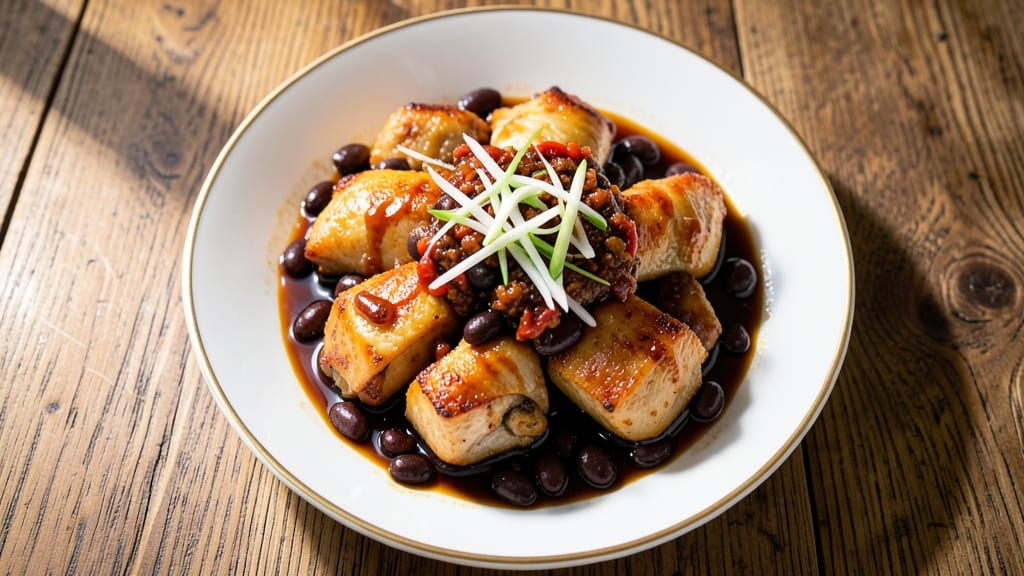
This black bean chicken Chinese recipe delivers restaurant-quality stir-fry flavors in just 25 minutes, using a technique I perfected after years of adapting my grandmother's handwritten notes.
The secret lies in balancing fermented black beans, soy sauce, and a quick marinade that transforms simple chicken into tender, flavor-packed pieces with a glossy sheen.
What sets this recipe apart is the authentic umami depth from fermented black beans and chili paste, which create that signature sticky-sauce texture without requiring hours of braising.
I've streamlined the process while keeping the essential elements: high-heat stir-frying for crisp edges, garlic and ginger for aromatic foundation, and a touch of sesame oil for that signature Chinese restaurant finish.
The result is a dish that's bold enough for company but simple enough for weeknights—tender chicken with that perfect balance of spicy, salty, and savory. Serve it over steamed rice with quick-pickled vegetables for a complete meal that feels both comforting and exciting.
This version stays true to traditional techniques while making it accessible for home cooks. The key is proper timing and heat control—don't rush the stir-fry, and let the sauce reduce just enough to coat the chicken without overwhelming it. Trust me, the first bite makes it worth every minute.
Ingredients for black bean chicken chinese
Nine essential ingredients transform simple chicken into restaurant-worthy stir-fry magic.
| Ingredient | Amount | Notes |
|---|---|---|
| Boneless Chicken Thighs 🍗 | 1 ½ lb | Cut into 1-inch pieces, skin-on preferred |
| Fermented Black Beans 🫘 | ½ cup | In liquid, drained and rinsed |
| Light Soy Sauce 🍶 | 3 tbsp | Kikkoman preferred for authentic flavor |
| Dark Soy Sauce 🍶 | 1 tbsp | For deeper color and complexity |
| Rice Vinegar 🍶 | 1 tbsp | White or seasoned, not apple cider |
| Chili Bean Paste 🌶️ | 1 tbsp | Lao Gan Ma brand for authentic heat |
| Garlic Cloves 🧄 | 6 cloves | Minced, not pre-minced jarred |
| Fresh Ginger 🌿 | 1 tbsp | Grated, peeled, for aromatic base |
| Sesame Oil 🫒 | 1 tbsp | Toasted, for finishing |
| Neutral Oil 🫒 | 2 tbsp | Vegetable or peanut oil, high smoke point |
| Cornstarch 🌾 | 1 tbsp | For tenderizing chicken |
| White Sugar 🍚 | 1 tsp | Balances acidity in sauce |
| Green Onions 🧅 | 3 whole | Sliced, for garnish |
| Sesame Seeds 🌾 | 1 tsp | Toasted, for crunch |
| Salt 🧂 | 1 tsp | Kosher or sea salt |
The chicken thighs are key—skin-on gives extra flavor, but boneless makes prep easier. Grab chicken thighs from the meat counter, not pre-cut packages. Asian markets usually have the best selection, but any grocery store's fresh meat section works. Look for thighs with good marbling—they'll stay juicier during the quick stir-fry. Fermented black beans? 99 Ranch or Asian grocery stores carry them in the canned goods aisle. Don't skip rinsing them—they're salty! The Lao Gan Ma chili bean paste is a game-changer for that authentic umami kick, but Lee Kum Kee works too if you can't find it.
No fermented black beans? Substitute 1/4 cup soy sauce plus 1 tsp fish sauce (or vegan fish sauce). Running out of dark soy sauce? 1 tbsp molasses or 1 tsp blackstrap molasses adds depth. Pre-minced garlic? Fresh is non-negotiable—it adds way more flavor. The cornstarch isn't just for thickening—it tenderizes the chicken when mixed with the marinade. Toast your sesame seeds in a dry pan for 30 seconds before adding to the dish—it brings out their nutty flavor. And if you're short on time, swap chicken thighs for breasts (pound them thin first) but they'll be slightly drier.
Keep the fermented black beans in their liquid in the fridge for up to 2 weeks—it preserves their flavor. Sesame oil should be stored in the freezer once opened to prevent rancidity. This dish reheats beautifully—microwave 1-2 minutes with a splash of water to revive the sauce. For meal prep, portion into containers with rice—it keeps for 3 days in the fridge. Freeze for 2 months if you're planning ahead, but the texture gets slightly softer after thawing. Garnish just before serving—fresh sesame seeds and green onions make all the difference.
Why You'll Love This Recipe
- Pantry Magic: I swear by this one—no fresh herbs or fancy prep. Just toss in fermented black beans (the funky, umami bombs) and let them simmer with chicken thighs until the sauce clings like a dream. That’s it. Zero chopping, zero fuss.
- Umami Explosion: Between us, the dark soy sauce and fermented black beans create this deep, salty-sweet punch that sticks to your ribs. The rice vinegar cuts through it just enough to make every bite ridiculously satisfying—like a cheat code for flavor.
- Leftover Hero: This dish actually improves the next day. The chicken gets even more tender, and the sauce thickens into a glossy glaze. I’ve reheated portions for lunch, packed it in bento boxes, and even served it cold over rice—works every time.
- Budget Win: Chicken thighs are forgiving, black beans last forever, and soy sauce stretches thin. Honestly, I make this when I’m low on groceries and still feel like I’m treating myself. Tastes like a restaurant, costs like a grocery run.
Step-by-step instructions for black bean chicken stir-fry
This recipe delivers bold Chinese flavors with tender chicken and fermented black beans in just 25 minutes.
Marinate and Prep the Chicken
Cut the 1.5 lb boneless chicken thighs into 1-inch pieces (skin-on preferred) and place them in a bowl. In a small bowl, whisk together 1 tbsp cornstarch, 1 tsp salt, and 1 tbsp rice vinegar. Pour this marinade over the chicken and toss gently to coat evenly. Let it sit for 10 minutes—this creates a tenderizing crust that prevents dryness during stir-frying.
While the chicken marinates, drain and rinse the 0.5 cup fermented black beans thoroughly under cold water to remove excess liquid. Chop the 3 whole green onions into 1-inch pieces and set aside. Peel and grate the 1 tbsp fresh ginger using a fine grater or microplane. Mince the 6 cloves garlic finely—this ensures even distribution of flavor throughout the dish.
Build the Stir-Fry Sauce
In a small bowl, combine 3 tbsp light soy sauce, 1 tbsp dark soy sauce, 1 tbsp chili bean paste, 1 tsp white sugar, and the grated ginger. Mix well until the sugar dissolves completely. The dark soy sauce adds that signature deep color, while the chili bean paste delivers authentic heat. Set this sauce aside—it'll balance the richness of the chicken and fermented beans.
This sauce is the heart of the dish, so don't skip the sugar. It cuts through the acidity of the rice vinegar and enhances the umami from the fermented beans. Taste it now—it should be tangy, slightly sweet, and packed with savory depth.
Stir-Fry the Chicken
Heat a large skillet or wok over medium-high heat until hot. Add 2 tbsp neutral oil and swirl to coat the pan evenly. Working in batches if needed, add the marinated chicken pieces and cook undisturbed for 2-3 minutes until golden brown on one side. Flip and cook another 2-3 minutes until fully cooked through—165°F internal temperature—and slightly caramelized. Remove the chicken and set aside.
Watch the heat carefully here. If the pan smokes excessively, reduce to medium heat—you want to sear, not burn. The cornstarch coating should create a crispy exterior while keeping the chicken juicy inside. If the chicken releases easily from the pan, it's ready to move to the next step.
Cook the Black Beans and Aromatics
In the same skillet, add a splash of neutral oil if needed and increase heat to high. Add the drained fermented black beans and stir-fry for 2 minutes until heated through. Add the minced garlic and cook for 30 seconds until fragrant—this prevents the garlic from burning, which would make the dish bitter.
Pour in the prepared sauce and stir vigorously for 1 minute until it thickens slightly. The beans will absorb some of the liquid, but you want the sauce to cling to the chicken when you combine them. If the sauce looks too thin, let it cook for another 30 seconds—it'll reduce naturally from the heat.
Combine and Finish
Return the chicken to the skillet and toss everything together for 1-2 minutes until evenly coated. The chicken should be glistening with sauce, and the black beans should be softened but still holding their shape. Taste and adjust seasoning—you might need a splash more light soy sauce if it's too mild.
Remove from heat and stir in 1 tbsp sesame oil and the reserved green onion pieces. The sesame oil adds a nutty aroma that elevates the dish, while the green onions provide freshness. Serve immediately over steamed rice, garnished with 1 tsp toasted sesame seeds for crunch and visual appeal.
Pro Tips For Making Black Bean Chicken Chinese
- CRISP THE THIGHS FIRST: High heat for 3-4 minutes on each side until golden—this locks in juices and builds flavor before the sauce comes in. I used to skip this, and the chicken ended up soggy under all that fermented black bean goodness.
- SOAK BLACK BEANS: Give those fermented beans a quick 10-minute soak in warm water if they’re packed tight in brine—it loosens the salt and lets them release their funky, umami punch. My grandmother swore by this, and she was right: the sauce tastes deeper afterward.
- DARK SOY SAUCE LAST: Add the dark soy sauce in the final 30 seconds of cooking—it burns easily and turns the whole dish ashy if you’re not careful. I learned this the hard way after one disastrous batch that looked like a smoky campfire experiment.
- USE RICE VINEGAR SPARINGLY: Start with just ½ teaspoon and taste—too much makes the dish sharp instead of bright. The fermented black beans already bring tang, so you don’t need much. Trust me, I’ve overdone it and regretted it.
Common mistakes when making great black bean chicken chinese
Overcooking Chicken
I've ruined more stir-fries than I care to admit by letting the chicken overcook. Chicken thighs are forgiving, but once they hit 175°F internal temperature, they turn dry and chewy. The key is timing—remove them at 165°F and let them rest for 1-2 minutes before adding back to the pan.
I learned this the hard way when I kept flipping the chicken, turning it into rubber. 🔥
Skipping the Marinade
Some recipes skip the cornstarch marinade, but I've found it's essential for tenderizing the chicken. The 10-minute marinade with cornstarch and rice vinegar creates a delicate crust that locks in moisture during the high-heat stir-fry.
Without it, the chicken can end up dry and tough. Trust me, this is one shortcut you don't want to take.
Using Wrong Oil
Not all oils are created equal for stir-frying. I've made the mistake of using olive oil with its low smoke point—it burns and creates bitter flavors. Stick to neutral oils like vegetable or peanut oil with a high smoke point (400°F+).
The right oil ensures proper searing without overpowering the dish's delicate flavors.
Overcrowding the Pan
One of my biggest mistakes was trying to cook all the chicken at once in a small pan. This steams the chicken instead of searing it, resulting in a soggy texture.
Cook in 2 batches if needed, and make sure there's enough space between pieces for proper browning. A slightly crowded pan might seem efficient, but it ruins the texture. 💡
Ignoring Sauce Reduction
The sauce needs time to thicken slightly during cooking. I've seen people pour everything together and immediately serve it, resulting in a watery mess. Let the sauce reduce for 1-2 minutes after adding it to the pan—this creates that perfect glossy coating.
If it's too thin, cook it off the heat for another 30 seconds to thicken naturally.
Burning the Garlic
Fresh garlic is crucial for flavor, but it burns quickly. I've ruined many batches by letting the garlic cook too long. Add it to the hot pan just 30 seconds before adding the sauce—this ensures it's fragrant without turning bitter.
The goal is aroma, not color. This small detail makes a huge difference in the final dish's complexity. 🌶️
Nutrition facts
Frequently asked questions
Can I use chicken breast instead of thighs?
Yes, but you'll need to adjust the cooking time. Chicken breast cooks faster and can dry out more easily. Pound it to 1/4-inch thickness and reduce stir-fry time to 1-2 minutes per side—check for 165°F internal temperature. For extra tenderness, marinate for 15 minutes instead of 10 and avoid overcrowding the pan.
What if I can't find fermented black beans?
No problem! Mix 1/4 cup soy sauce with 1 tsp fish sauce (or vegan fish sauce) and 1/2 tsp sugar as a substitute. For texture, add 1 tbsp chopped black mushrooms or 1/4 cup soy sauce-soaked dried shiitake mushrooms. The umami will still shine through!
How spicy should this dish be?
The chili bean paste adds heat, but you can adjust it easily. For mild: use 1/2 tbsp chili paste + 1 tsp sugar to balance. For extra spicy: add 1/2 tsp chili flakes or 1 tsp sriracha at the end. Taste the sauce before combining with chicken to test the heat level.
Can I make this ahead of time?
Cook the chicken and sauce completely, then store in an airtight container in the fridge for 3 days. Reheat gently in a skillet with 1 tsp neutral oil over medium heat for 3-4 minutes, stirring occasionally. The sauce may thicken further—add a splash of water if needed. Garnish fresh with sesame seeds and green onions.
What's the best way to serve this?
Pair it with steamed jasmine rice and quick-pickled cucumbers for balance. For extra authenticity, serve with steamed bok choy or stir-fried broccoli. The dish also works well over congee for a comforting meal. Garnish with extra green onions and sesame seeds right before serving to keep everything fresh.