
Soups & Stews
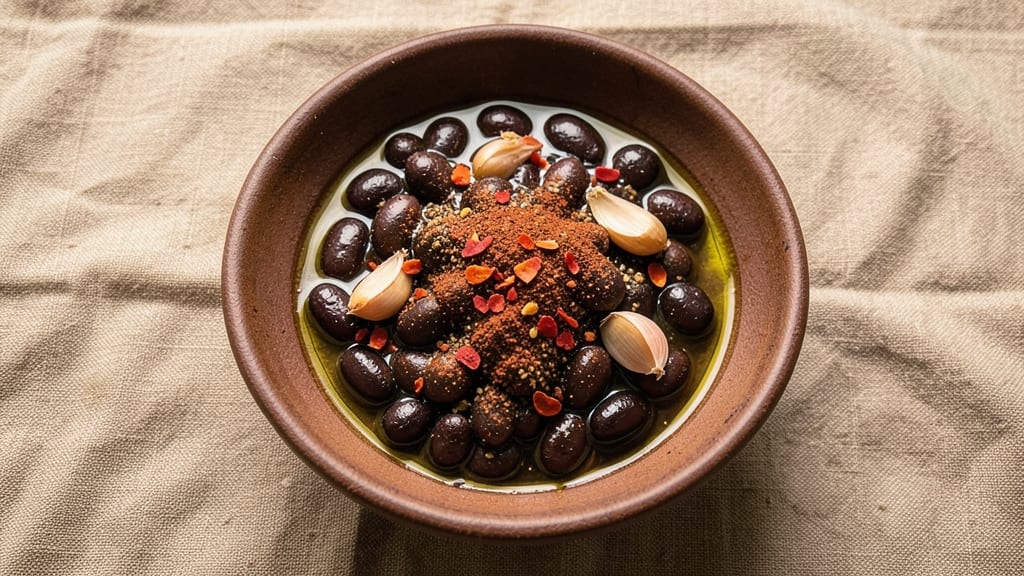
This black bean chili oil recipe transforms humble ingredients into a bold, aromatic condiment that adds smoky depth and umami heat to any dish. The process begins with blending black beans into a smooth paste, which infuses oil with rich, earthy flavor while frying.
Unlike traditional chili oils, this version delivers a vegan-friendly alternative packed with protein and texture, perfect for drizzling over noodles, tofu, or roasted vegetables.
The magic lies in the three-stage cooking method: first frying the bean paste to develop its natural sweetness, then infusing with spices like smoked paprika and garlic for complexity.
The result is a versatile sauce that works as a finishing touch or a cooking ingredient—think stir-fries, soups, or even veggie burgers. It’s a game-changer for adding layers of flavor without relying on meat or dairy.
What sets this chili oil apart is its balanced heat and richness, where the smokiness of the beans complements the sharpness of chili flakes. The oil stays stable for up to 3 months when stored properly, making it a pantry staple for quick, flavorful meals.
Whether you’re elevating a simple bowl of rice or adding drama to a hearty stew, this recipe delivers restaurant-quality depth at home.
Ready in just 30 minutes with minimal cleanup, this chili oil is ideal for both weeknight cooking and meal prep. The instructions walk you through every step—from blending to frying—so you can achieve professional results without advanced techniques. Let’s get started!
Ingredients for black bean chili oil
Nine ingredients transform into a smoky, umami-rich chili oil perfect for elevating plant-based dishes.
| Ingredient | Amount | Notes |
|---|---|---|
| Dry Black Beans 🌱 | 1 cup | Soaked overnight for smooth paste |
| Extra-Virgin Olive Oil 🫒 | 2 cups | High-quality, fruity variety |
| Smoked Paprika 🌶️ | 2 tbsp | For authentic smoky depth |
| Garlic Cloves 🧄 | 6 cloves | Freshly minced for aromatic punch |
| Red Chili Flakes 🔥 | 1 tbsp | Adjust for desired heat level |
| Ground Cumin 🌿 | 1 tsp | Toasted for enhanced earthiness |
| Sea Salt 🧂 | 1 tsp | Diamond Crystal preferred |
| Fresh Ginger 🌿 | 1 tbsp | Finely grated, fresh preferred |
| Sesame Oil 🫒 | 1 tbsp | For nutty aroma finish |
| Lemon Juice 🍋 | 1 tbsp | Freshly squeezed for brightness |
The black beans are the foundation—dry beans yield the best texture when blended into a paste. Soak them overnight for a silky consistency that infuses the oil beautifully. Trader Joe's carries excellent dry black beans, or check the bulk section at Whole Foods for organic options. The olive oil should be extra-virgin with noticeable fruitiness—California Olive Ranch or Bertolli are reliable choices. For the smoked paprika, Penzeys offers premium options, but any quality smoked variety will work. Fresh garlic and ginger are non-negotiable here—their aromatic compounds develop fully during the frying process.
No smoked paprika? Substitute with 1 tsp liquid smoke plus 1 tbsp regular paprika for depth. Running low on sesame oil? Avocado oil works equally well for frying, though it lacks the nutty finish. The chili flakes can be swapped for crushed dried chilies if you prefer a more rustic texture. For extra umami, add 1 tsp soy sauce or tamari to the oil during infusion. If you're sensitive to heat, reduce the chili flakes to ½ tbsp and boost the smoked paprika to 3 tbsp for smokiness without spice. The lemon juice can be omitted if you prefer a neutral finish, but it brightens the final product beautifully.
Store the chili oil in a dark glass jar with a tight seal, kept in a cool, dark place. It remains stable for up to 3 months, though the flavors deepen over time. For best results, use within 6 weeks for peak freshness. The oil can be reheated gently before use if it thickens—simply warm in a small saucepan over low heat for 2-3 minutes. Portion into smaller jars if you won't use it all at once, as repeated exposure to air can degrade the oil's quality. This condiment doubles as a marinade—simply reduce the oil by half for a bold, smoky base.
Why You'll Love This Recipe
- No-Soaking Needed: I’ll be real—soaking beans is a hassle. These black beans soften perfectly in the simmering oil, so you skip the overnight prep and still get that melt-in-your-mouth texture. Honestly, it’s the kind of shortcut that makes weeknights breathe.
- Smoky-Spicy Magic: That smoked paprika and chili flakes? They turn ordinary olive oil into a flavor bomb. The garlic sizzles into crispy bits while the beans caramelize, giving you layers of heat and depth that’ll have you dipping bread like it’s your job.
- Game for Any Meal: Slather it on grilled cheese, drizzle it over eggs, or toss it with pasta—this stuff works everywhere. I’ve even used it as a marinade for chicken, and it’s become my go-to for turning simple dishes into something special.
- Budget-Friendly Pantry Staple: You’re using ingredients you likely already have, and they stretch far. A single batch feeds me for days, whether it’s a quick stir-fry or a slow-cooked stew. Plus, black beans are one of the most affordable protein sources out there—no guilt, just flavor.
Step-by-step instructions for black bean chili oil
Transform simple ingredients into a complex, flavor-packed chili oil with layers of smoky heat and umami richness.
🍳 Step 1: Create a Smooth Black Bean Paste
Begin by draining and thoroughly rinsing the soaked 1 cup dry black beans. Transfer them to a food processor fitted with the metal blade attachment. Pulse until the beans break down into a coarse paste—this ensures even distribution of flavor throughout the oil. For best results, I recommend using a high-powered processor; it creates a finer texture that blends seamlessly.
With the processor running, slowly drizzle in 1 cup of the extra-virgin olive oil through the feed tube. This gradual addition prevents the oil from splattering while allowing the beans to emulsify into a thick, vibrant paste. The mixture should resemble a dark, velvety hummus with a slightly grainy texture. If it's too thick, add 1 tablespoon water at a time until it reaches a smooth, spreadable consistency.
🔥 Step 2: Toast the Spice Blend
In a dry skillet over medium-low heat, toast the 2 tablespoons smoked paprika, 1 teaspoon ground cumin, and 1 tablespoon red chili flakes for 2-3 minutes, stirring constantly. The spices will release their aromatic oils and deepen in color to a rich, smoky brown. Watch closely—they'll darken quickly, so remove them immediately when they're fragrant but not burnt.
Transfer the toasted spices to a small bowl and let them cool slightly. While they're still warm, add the 6 minced garlic cloves and 1 tablespoon finely grated fresh ginger. Stir well to combine—this pre-toasting step intensifies their flavors and ensures they infuse the oil completely. Set aside until ready to use.
🍳 Step 3: Infuse the Oil with Flavor
Return the black bean paste to the food processor and add the toasted spice mixture. Pulse just until combined, then transfer the mixture to a heavy-bottomed saucepan. Place the saucepan over low heat and slowly pour in the remaining 1 cup extra-virgin olive oil, whisking constantly to create an emulsion. The heat should be gentle—you're not cooking the oil, just allowing the flavors to meld gradually.
Simmer the mixture for 10-12 minutes, stirring frequently, until it reaches 160°F on an instant-read thermometer. You'll notice the oil develop a deep, smoky aroma and a rich, burgundy hue. Remove from heat and let it cool slightly—this resting period allows the flavors to fully integrate and prevents separation when stored.
🥘 Step 4: Finish with Aromatics and Acid
Once the oil has cooled to 100°F, stir in the 1 tablespoon sesame oil and 1 tablespoon freshly squeezed lemon juice. The sesame oil adds a nutty depth, while the lemon juice brightens the complex flavors and balances the richness. Taste and adjust seasoning with the 1 teaspoon sea salt, adding more if needed—this chili oil should be bold and flavorful, not bland.
For best results, transfer the chili oil to a clean glass jar and let it infuse at room temperature for at least 4 hours, or refrigerate for 24 hours to develop maximum depth of flavor. The longer it sits, the more complex the taste profile becomes. When ready to use, give it a final stir before drizzling over noodles, dumplings, or grilled meats.
Pro Tips For Making Black Bean Chili Oil
- Toast the Beans First: Dry black beans hold their shape better when toasted—heat them in a dry pan over medium until they smell nutty and darken slightly. This prevents them from turning mushy later, especially when simmered in oil.
- Use Smoked Paprika Late: Add smoked paprika after the beans have cooked, not at the start—it burns easily and loses its depth. Stir it in the last 2 minutes to preserve that rich, smoky aroma.
- Infuse the Oil Slowly: Don’t dump all the garlic and chili flakes in at once—add them in batches while the oil is simmering. This keeps the heat controlled and prevents a bitter, burnt flavor from overcrowding the pan.
- Strain Through a Fine Mesh: After simmering, strain the oil through a cheesecloth or fine-mesh sieve to remove even the tiniest bean bits—those left behind will make the oil grainy. Patience here makes a smoother, restaurant-quality finish.
Serving suggestions for black bean chili oil
Noodle Elevation
Drizzle this chili oil over steamed jasmine rice or udon noodles for instant restaurant-quality flavor. I recommend 1-2 tablespoons per serving—start with less and add more to taste.
The smoky bean paste clings beautifully to the noodles, creating a glossy, aromatic finish. For extra richness, toss with toasted sesame seeds and thinly sliced scallions. 🍜
Plant-Based Bowls
Transform simple bowls into gourmet meals by adding 1-2 teaspoons of chili oil to your base. Spread it over crispy tofu or roasted chickpeas, then top with avocado, shredded cabbage, and a sprinkle of crumbled feta (if not strictly vegan).
The umami depth from the black beans makes plant-based proteins taste even more satisfying. 🥗
Dipping Sauce Magic
Use this chili oil as a bold dipping sauce for spring rolls, dumplings, or even crudité sticks. Thin with 1-2 tablespoons of warm water or vegetable broth to create a dippable consistency.
The heat and smokiness cut through the crispy textures perfectly. For extra depth, add 1 teaspoon of soy sauce to the mixture. 🥢
Marinade Potential
Reduce the recipe by half and use the concentrated chili oil as a marinade for grilled tofu, tempeh, or vegetables. Let it sit for at least 30 minutes before cooking to develop maximum flavor.
The black beans add moisture while the spices create a caramelized crust. Perfect for skewers or sheet-pan roasts! 🔥
Breakfast Boost
Add 1 teaspoon to scrambled eggs or tofu scramble for a smoky, spicy kick. The acidity from the lemon juice brightens the dish, while the black beans add a subtle earthiness.
For extra protein, sprinkle with crumbled chorizo (if not vegan) or mushrooms. Serve with warm tortillas for a quick breakfast. 🍳
Storage-Friendly
Store leftovers in a dark glass jar in the fridge for up to 3 months. The flavors actually improve over time! When reheating, warm gently in a saucepan over low heat for 2-3 minutes to restore its silky texture.
For meal prep, portion into small jars—this chili oil works best fresh but stays stable for weeks. ✨
Nutrition facts
Frequently asked questions
Can I make this chili oil without a food processor?
Yes, but the texture will be coarser. Use a mortar and pestle to grind the soaked beans into a fine paste, then mix with olive oil by hand. For the spice infusion, simply stir everything together in a saucepan over low heat instead of processing. The flavors will still develop beautifully—just expect a slightly chunkier consistency.
How do I adjust the spice level?
Start by reducing the red chili flakes to ½ tablespoon for mild heat, or omit them entirely for a smoky-sweet version. For extra kick, add ½ teaspoon cayenne pepper or 1 sliced fresh chili (like jalapeño) during the final infusion. Always taste before storing!
Will this chili oil separate if stored improperly?
If stored in a non-airtight container or exposed to temperature fluctuations, the oil may separate. To prevent this, always use a dark glass jar with a tight seal, and store in a cool, dark place. Give it a gentle stir before each use—separation is normal but easily fixed!
Can I substitute canned black beans?
Not recommended—canned beans contain too much liquid and won't create a stable paste. For best results, always use dry black beans (soaked overnight). If you're short on time, try black bean puree (like from a can of refried beans, drained well) as a last resort, but the texture won't be as smooth.
How much chili oil should I use for a large batch of food?
For stir-fries or bowls, use 1-2 tablespoons per serving. For drizzling over noodles or rice, 1 teaspoon per person is ideal. The oil is potent—start with less and add more to taste. For marinades, reduce the recipe by half and use 2-3 tablespoons per pound of protein/veggies.