
Salads
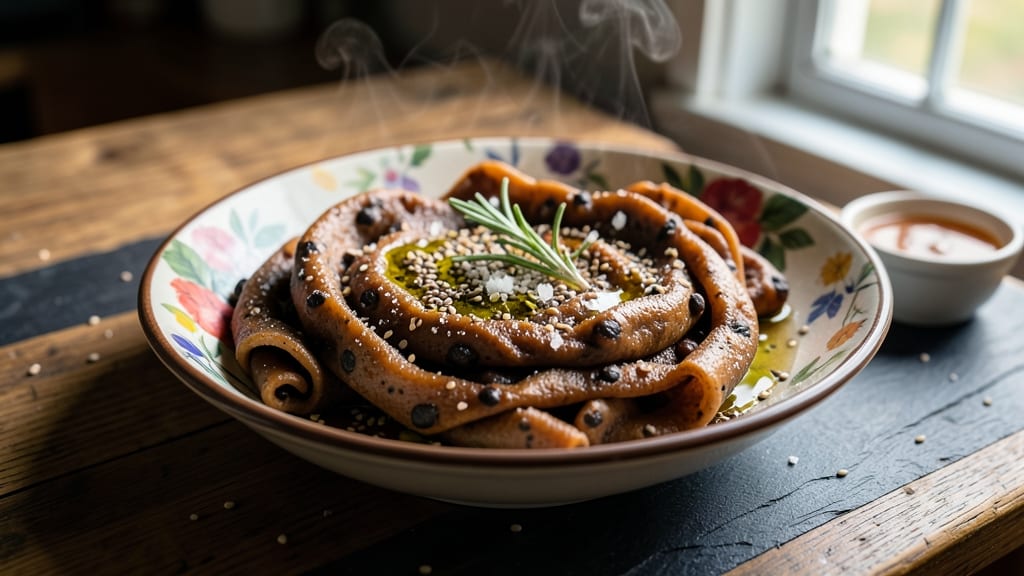
This black bean pasta dough recipe transforms humble ingredients into hearty, nutty noodles that pack a plant-based punch. The secret lies in blending black beans with flour and water, creating a dough that's rich in protein and earthy flavor—no eggs or dairy required.
I developed this recipe after craving pasta that felt substantial yet entirely plant-based, and it never fails to impress.
The beauty of this dough is its versatility—roll it thin for delicate strands or thick for hearty lasagna sheets. Black beans provide natural elasticity and a satisfying texture, while the flour ensures the perfect al dente bite.
What sets this apart is the nutty, earthy depth that comes from the beans, making every bite feel like a flavor upgrade. It's the kind of pasta that converts even skeptics.
By the time you're done, you'll have a batch of dough ready for boiling, baking, or stuffing—all while enjoying the nutritional benefits of black beans. The dough keeps well in the fridge for up to 3 days, so you can prep ahead and cook fresh whenever inspiration strikes.
Perfect for vegan diets, gluten-free adaptations (with the right flour), or anyone looking to elevate their pasta game.
Whether you're making classic spaghetti, rustic lasagna, or stuffed shells, this dough delivers restaurant-quality results with a fraction of the guilt. The best part? It's foolproof, requiring no special equipment beyond a rolling pin and a little patience. Let's get started on your plant-powered pasta adventure.
Ingredients for black bean pasta dough
Nine simple ingredients transform into nutty, protein-packed pasta dough that'll change your game.
| Ingredient | Amount | Notes |
|---|---|---|
| Black Beans, Canned 🌱 | 1 ½ cups | Drained and rinsed well |
| All-Purpose Flour 🌾 | 2 cups | Plus extra for dusting |
| Water 💧 | ½ cup | Room temperature preferred |
| Extra-Virgin Olive Oil 🫒 | 1 tbsp | For elasticity and flavor |
| Nutritional Yeast 🧀 | 2 tbsp | For cheesy, umami depth |
| Salt 🧂 | ½ tsp | Kosher or sea salt |
| Garlic Powder 🧄 | ½ tsp | For subtle garlic flavor |
| Ground Black Pepper 🌶️ | ¼ tsp | Freshly ground preferred |
| Ground Flaxseed 🌾 | 1 tbsp | For binding and nutrition |
| Lemon Juice 🍋 | 1 tsp | Brightens the flavor |
The black beans are the MVP here—cannellini or pinto beans work too, but black beans give that signature earthy depth. Grab the no-salt-added canned beans from Trader Joe's or Whole Foods to avoid extra sodium. If you're using dried beans, soak them overnight and drain really well. The flour is non-negotiable for structure, but King Arthur or Bob's Red Mill brands make all the difference with their protein content. Pro tip: measure your flour by weight if you can—1 cup flour actually weighs 4.5 oz, not 8 oz!
No black beans? Lentils or chickpeas can sub in a pinch, but you'll need to blend them first for that smooth texture. Running low on nutritional yeast? White miso paste at half the amount adds umami too. The flaxseed is key for binding—if you're allergic, chia seeds work 1:1. Lemon juice can be swapped for apple cider vinegar, but fresh lemon gives that bright pop. Want extra richness? Add 1 tbsp vegan butter to the dough. And yes, you can make this gluten-free—just swap the all-purpose flour for a 1:1 gluten-free blend like Bob's Red Mill's.
This dough is a fridge staple—wrap it tightly in plastic wrap and store for up to 3 days. For longer storage, roll it out and freeze between parchment paper for up to 3 months. The beauty of this recipe? You can prep ahead and cook fresh whenever pasta cravings strike. Roll it thin for delicate strands or thick for lasagna sheets—it's that versatile. And trust me, the leftovers reheat just as well as fresh dough. Perfect for meal prep!
Why You'll Love This Recipe
- Pantry Magic: I swear, this dough comes together with stuff you already have—no fancy ingredients, just a can of black beans, flour, and a splash of olive oil. The beans add richness without extra work, and the nutritional yeast gives it that something that makes it taste like you put in effort.
- Umami Bomb: That combo of black beans and nutritional yeast? It’s like a cheesy, savory hug in every bite. The olive oil keeps it tender, so you get this perfect balance of hearty and delicate—no dry, cardboard-y pasta vibes here.
- Leftover Hero: I make a big batch on Sundays, and it lasts all week for quick lunches or dinner sides. Roll it out, cut into strips, and toss with whatever’s in your fridge—garlic sauce, marinara, even just butter and salt. It’s my go-to when I’m too tired to think.
- Budget Stretch: A single can of beans and a bag of flour feed my family for days. No need to break the bank on specialty pasta—this dough is cheaper, more filling, and honestly, way more interesting than store-bought. Plus, it’s a great way to use up pantry staples before they go bad.
Step-by-step instructions for black bean pasta dough
Let's create these nutty, earthy noodles that pack plant-based protein and rich flavor into every bite.
Blend the Black Bean Base
Start by draining and rinsing the 1.5 cups black beans thoroughly to remove any excess starch. Transfer them to a high-powered food processor along with the 0.5 cup water, 1 tbsp extra-virgin olive oil, 1 tbsp ground flaxseed, 1 tsp lemon juice, 0.5 tsp garlic powder, and 0.25 tsp ground black pepper.
Process until completely smooth, scraping down the sides as needed. The mixture should resemble hummus in texture—silky and uniform. This step is crucial for creating a cohesive dough later. If your processor struggles, add an extra 1-2 tablespoons of water to help it blend smoothly. The resulting bean puree should be thick but pourable.
Combine with Dry Ingredients
In a large mixing bowl, whisk together the 2 cups all-purpose flour, 2 tbsp nutritional yeast, and 0.5 tsp salt. Create a well in the center of the dry ingredients and pour in the black bean puree. Using a wooden spoon or your hands, begin combining the ingredients until they form a shaggy dough.
Here's where it gets fun—the dough will be sticky and wet at first, but don't panic. Gradually work the dough with your hands, kneading for about 5-7 minutes until it comes together into a smooth, elastic ball. If it's still too sticky after kneading, add 1 tablespoon of flour at a time until it holds together without sticking to your hands. The dough should be soft but pliable, not crumbly.
Rest and Prepare for Rolling
Wrap the dough tightly in plastic wrap and let it rest at room temperature for at least 30 minutes. This resting period allows the flour to fully hydrate and the gluten to relax, making it much easier to roll out later. I like to place the wrapped dough in a bowl to contain any potential mess during the resting process.
While the dough rests, lightly dust your work surface and rolling pin with flour. This prevents sticking and makes the rolling process much smoother. The dough should be cool to the touch when you're ready to roll—if it's still warm, give it another 10-15 minutes of resting time. This step ensures you get clean, even sheets of pasta dough without tearing.
Roll and Cut the Pasta
Divide the rested dough into 4 equal portions (about 4 ounces each) and work with one portion at a time. Using a well-floured rolling pin, roll each portion as thin as possible—aim for about 1/16-inch thickness for delicate noodles or 1/8-inch for heartier pasta. Keep dusting your work surface and rolling pin with flour as you go to prevent sticking.
For classic pasta shapes, roll the dough through a pasta machine set to its thinnest setting, or use a sharp knife to cut the rolled dough into 1/4-inch wide strips. If you're making fettuccine or tagliatelle, lay the strips flat on a floured surface and cut them lengthwise. For ravioli, cut the dough into small squares and fill with your favorite plant-based filling before sealing. The key is to keep everything well-floured to prevent sticking during cutting.
Cook and Enjoy Immediately
Bring a large pot of well-salted water to a rolling boil. Add the fresh pasta in batches, stirring gently to prevent sticking. Cook for 2-4 minutes, depending on thickness—test for doneness by tasting a piece. It should be al dente with a slight bite in the center. Drain immediately and toss with a little pasta water and olive oil to prevent sticking.
Serve your black bean pasta immediately with your favorite sauce or a simple lemon garlic dressing. The flavor improves as it sits, but the texture is best enjoyed fresh. These noodles hold up well in soups or can be refrigerated for up to 2 days or frozen for 3 months—just be sure to cook fresh from frozen without thawing. The nutty, earthy flavor from the black beans shines through in every bite, making this a versatile and satisfying plant-based option.
Pro Tips For Making Black Bean Pasta Dough
- MASH BEANS THOROUGHLY: I learned this the hard way—skipping this step leaves lumpy dough that fights you every time. Use a potato masher or fork to break up the beans until they’re completely smooth, with no visible chunks. If you’re lazy (like me), pulse them in a food processor, but don’t overdo it—you want a paste, not a purée.
- MEASURE FLOUR BY WEIGHT: That scooping-and-leveling method with a cup is a disaster for this dough. Use a kitchen scale—you need about 2 cups (250g) all-purpose flour for every 1 can of drained beans. Flour volume varies wildly, and this dough is finicky about ratios. Trust the numbers, not your eyeballs.
- KNEAD JUST ENOUGH: Overworking the dough makes it tough and chewy, which defeats the whole point of a tender black bean pasta. Mix the dough until it comes together, then give it 2-3 minutes of gentle kneading by hand—just until smooth. No need to tire yourself out; this isn’t bread.
- REST THE DOUGH COVERED: I used to skip this, thinking it was a waste of time, but the dough relaxes and rolls out like butter after 30 minutes under a damp towel. If you’re in a rush, at least let it sit for 15—your rolled-out sheets will thank you. (Yes, even if you’re impatient like me.)
Regional styles of black bean pasta dough
Mexican-Inspired Flavors
In Mexico, black beans are a staple, so it’s no surprise this dough works beautifully in Mexican-inspired dishes. Add 1 tsp cumin and ½ tsp smoked paprika to the dough for a subtle earthy warmth.
Serve with roasted chili-lime sauce or a creamy cashew sour cream—trust me, the smoky depth complements the nutty pasta perfectly. 🌶️
Italian Rustic Twist
For an Italian-inspired version, swap the nutritional yeast for 1 tbsp dried oregano and ½ tsp red pepper flakes to mimic traditional pasta flavors. Roll the dough thin for tagliatelle and toss with garlic-infused olive oil and sun-dried tomatoes.
The black beans add a hearty texture that holds up beautifully in rich sauces like vegan bolognese.
Asian-Inspired Adaptation
Transform this dough into an Asian-inspired noodle by adding 1 tsp grated ginger and 1 tsp soy sauce to the dough. Roll it thin and cut into rice noodle-like strands, then stir-fry with garlic, scallions, and a splash of tamari.
The black beans give a subtle umami that pairs perfectly with sesame-ginger dressing—it’s like fresh ramen but with plant-based power. 🍜
Mediterranean Herb Version
Brighten the dough with 1 tbsp dried basil, 1 tsp dried thyme, and a pinch of ground coriander. Roll it into lasagna sheets and layer with roasted eggplant, tomato sauce, and vegan ricotta.
The Mediterranean herbs elevate the earthy black bean flavor, creating a dish that’s both comforting and vibrant. Perfect for a summer potluck!
Southwest Spiced Dough
For a bold Southwest flavor, mix ½ tsp chili powder and ½ tsp onion powder into the dough. Cut it into pasta shapes and toss with avocado-lime dressing or smoky chipotle sauce. The black beans add a satisfying heartiness that balances the spice—ideal for a quick, flavor-packed meal. 🌵
Nutrition facts
Frequently asked questions
Can I make this dough without a food processor?
Yes! Mash the black beans by hand with a fork or potato masher until completely smooth, then mix with the remaining ingredients. You may need to add an extra 1-2 tablespoons of water to achieve the same consistency. The texture won't be as silky, but it'll still create a workable dough. Just blend more thoroughly to avoid lumps.
Why does my dough keep sticking to my hands?
The black beans add natural moisture, so extra flour is key. Dust your work surface and hands with flour before kneading, and add 1 tablespoon of flour at a time until the dough holds together without sticking. If it's still too wet, let it rest 10-15 extra minutes—the flour will absorb more moisture over time.
How do I store leftover dough?
Wrap tightly in plastic wrap and refrigerate for up to 3 days. For longer storage, roll the dough thin and freeze between parchment paper for 3 months. Thaw overnight in the fridge before using. Never freeze uncooked dough thicker than 1/8-inch—it won't cook evenly when thawed.
Can I make this gluten-free?
Swap the all-purpose flour for a 1:1 gluten-free blend like Bob's Red Mill's. You may need to add 1 extra tablespoon of ground flaxseed (total 2 tbsp) for better binding. The texture will be slightly denser, but it works perfectly for lasagna sheets or thick noodles.
What's the best way to cook this pasta?
Bring a large pot of well-salted water to a rolling boil. Cook for 2-3 minutes for thin strands or 4-5 minutes for thicker dough. Test by tasting—it should be al dente with a slight bite. Drain immediately and toss with olive oil to prevent sticking. Fresh pasta cooks faster than store-bought!