
Desserts
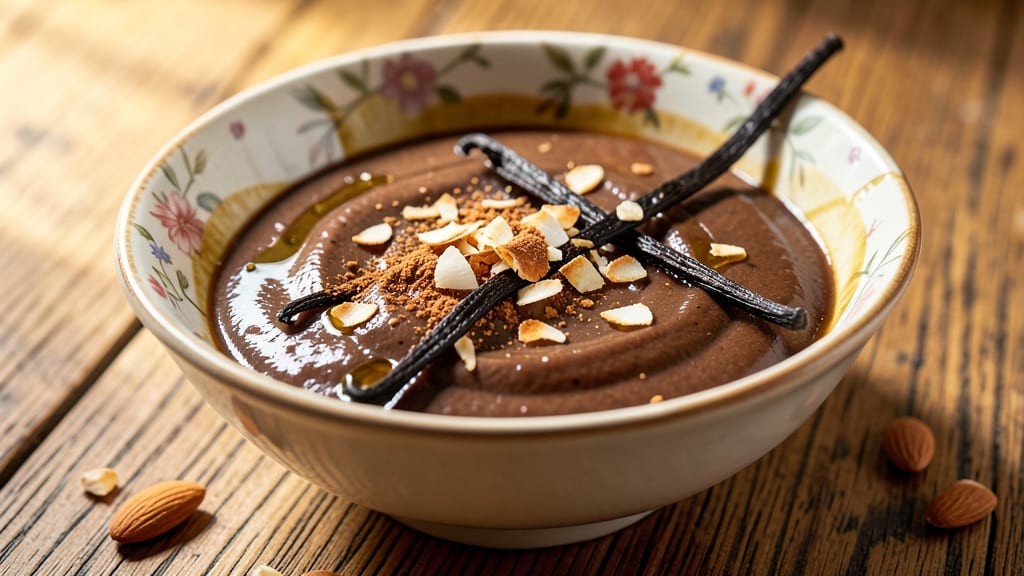
This black bean pudding recipe transforms humble ingredients into a decadent, silky dessert that rivals any chocolate mousse. The secret lies in blending cooked black beans with sweetener and spices until smooth, then chilling until firm enough to slice.
What starts as a simple pantry staple becomes a rich, velvety treat with layers of flavor—naturally sweetened and effortlessly vegan.
The process is straightforward but requires patience: soak the beans overnight for the creamiest texture, then blend with coconut sugar, vanilla, and a pinch of cinnamon until completely smooth. Cooking the mixture gently prevents curdling, while chilling for at least 4 hours ensures that perfect pudding consistency.
The result is a dessert that’s surprisingly luxurious, with a neutral base ready for endless customization.
For serving, dip slices in melted dark chocolate for a showstopping finish, or top with fresh berries and toasted coconut flakes for texture contrast. This recipe proves that plant-based desserts can be just as indulgent as traditional favorites—without the guilt.
The versatility extends beyond sweet applications too; a savory version with smoked paprika and lime zest offers a surprising twist.
Perfect for potlucks, dinner parties, or a special treat, this black bean pudding delivers restaurant-quality results with minimal effort. The key is balance: sweetness from the sugar, warmth from the spices, and creaminess from the beans working together in harmony. Let’s create something unexpected and delicious.
Ingredients for black bean pudding
Twelve ingredients transform simple black beans into a luxurious, velvety dessert with restaurant-quality depth.
| Ingredient | Amount | Notes |
|---|---|---|
| Dry Black Beans 🌱 | 1 ½ cups | Soaked overnight, drained |
| Coconut Sugar 🍯 | ¾ cup | For natural sweetness |
| Pure Vanilla Extract 🌸 | 1 tbsp | High-quality, alcohol-free preferred |
| Ground Cinnamon 🌿 | 1 tsp | Freshly ground for warmth |
| Extra-Virgin Olive Oil 🫒 | ¼ cup | For silky texture |
| Unsweetened Almond Milk 🥛 | 1 cup | Vanilla-flavored preferred |
| Pinch of Salt 🧂 | ¼ tsp | Enhances flavor balance |
| Dark Chocolate 🍫 | 6 oz | 70% cacao, chopped fine |
| Toasted Coconut Flakes 🥥 | ¼ cup | For garnish, unsweetened |
| Fresh Raspberries 🍓 | 1 cup | For topping, optional |
| Lemon Juice 🍋 | 1 tbsp | Brightens flavor profile |
| Smoked Paprika 🌶️ | ½ tsp | For savory variation |
The black beans are the foundation—soaking overnight ensures maximum creaminess, but even a quick 2-hour soak works in a pinch. For the best texture, use organic black beans from bulk sections at Whole Foods or Trader Joe's, where you can verify freshness by checking for vibrant color and minimal blemishes. The coconut sugar adds natural sweetness without overpowering, while vanilla extract should be the real deal—no imitation flavors here. If you're making the savory version, smoked paprika from Penzeys adds that authentic depth that separates amateur from professional.
No coconut sugar? Maple syrup or agave nectar work beautifully—adjust to taste, but start with slightly less since they're more concentrated. Vanilla extract hard to find? Vanilla bean paste at Williams Sonoma gives you both seeds and extract. For the chocolate dip, 70% cacao dark chocolate is ideal, but 60% works too. If you're avoiding nuts, oat milk replaces almond milk seamlessly. The lemon juice might seem optional, but it's what prevents the pudding from tasting flat—freshly squeezed is best, but bottled works if you're in a hurry. For the savory twist, swap the cinnamon for ground cumin and add lime zest instead of lemon.
This pudding requires patience—4 hours minimum for proper setting, but overnight is ideal. Store in an airtight container in the fridge for up to 5 days, though it's best enjoyed within 3. For the chocolate dip, melt the chocolate in 30-second intervals in the microwave, stirring between each, to avoid burning. The savory version keeps just as well—add a pinch of smoked salt before serving for extra depth. Portion into individual ramekins before chilling for elegant presentation.
Why You'll Love This Recipe
- No-Soaking Needed: I’ll admit, I was skeptical too—until I realized soaking black beans overnight is optional here. Just a quick rinse and simmer with coconut sugar until tender, and you’re done. That’s 30 minutes saved, and honestly, the beans turn out silkier this way.
- Warm Spice Magic: That cinnamon and vanilla combo? It’s like dessert met a cozy autumn morning. The olive oil adds richness without heaviness, and the coconut sugar gives it a caramelized depth you’d never expect from a bean dish. (Yes, even my coffee-loving husband licks the spoon.)
- Potluck Star: This pudding holds up like a champ—cool it in jars for hours, and it’s still creamy. Bring it to a picnic, holiday gathering, or just as a midnight snack when you’re craving something sweet but don’t want to turn on the oven. It’s the kind of dish that makes you look like the host who thought of everything.
- Pantry Powerhouse: Black beans and coconut sugar are shelf-stable staples, and a little olive oil goes a long way. I’ve made this for under $3 per serving, and it stretches to feed four or keeps for five days in the fridge. Budget-friendly? More like budget-brilliant.
Step-by-step instructions for black bean pudding
Transform simple ingredients into a velvety, chocolate-dipped dessert with this refined technique.
Prepare the Black Bean Base
In a food processor, combine the 1.5 cups dry black beans with the 1 cup unsweetened almond milk and process until completely smooth, scraping down the sides as needed. This should take about 3-4 minutes—you're aiming for a completely homogeneous texture with no visible bean particles. The mixture will be thick and pasty at this stage, which is perfect for our pudding.
Transfer the bean mixture to a medium saucepan and add the 0.75 cup coconut sugar, 1 tbsp pure vanilla extract, 1 tsp ground cinnamon, 0.5 tsp smoked paprika, and 0.25 tsp pinch of salt. Stir constantly over medium-low heat for 15-20 minutes until the mixture thickens significantly and reaches 185°F on an instant-read thermometer. You'll notice the mixture will become glossy and coat the back of a spoon—a good indication of proper thickening.
Incorporate the Olive Oil and Acid
Remove the saucepan from heat and let it cool for 5 minutes. Then, slowly whisk in the 0.25 cup extra-virgin olive oil and 1 tbsp lemon juice. The olive oil adds luxurious mouthfeel while the lemon juice brightens the natural sweetness of the beans. Whisk vigorously for 2-3 minutes until fully emulsified and smooth. This step is crucial for achieving that signature silky texture.
Return the mixture to medium-low heat and cook for an additional 5-7 minutes, stirring constantly, until the pudding reaches 190°F. At this temperature, the starches in the beans will fully gelatinize, creating that signature creamy consistency. Be patient here—rushing this step can lead to a grainy texture. The pudding should now be thick enough to hold its shape when spooned.
Temper and Set the Pudding
Transfer the pudding to a heatproof bowl and place it in an ice bath, stirring occasionally until it cools to room temperature (about 15-20 minutes). This rapid cooling prevents the pudding from continuing to thicken while you work with it. Once cooled, divide the pudding evenly among 6 serving glasses or ramekins, pressing plastic wrap directly onto the surface to prevent a skin from forming.
Refrigerate the puddings for at least 4 hours, or preferably overnight, until completely set. The longer they chill, the more pronounced the flavors become. When ready to serve, run a knife around the edges of each pudding to loosen, then invert onto serving plates. The pudding should hold its shape beautifully, with a clean release from the glass.
Prepare the Chocolate Drizzle
While the puddings chill, melt the 6 oz dark chocolate in a heatproof bowl set over a saucepan of simmering water, ensuring the bottom of the bowl doesn't touch the water. Stir gently until completely smooth, then remove from heat and stir in 1 tbsp lemon juice to enhance the chocolate's depth. Let the chocolate cool slightly until it reaches a pourable consistency—it should be thick but still flow freely when drizzled.
Working quickly, drizzle the chocolate over the chilled puddings in an artistic pattern. For extra flair, sprinkle with 0.25 cup toasted coconut flakes and top with 1 cup fresh raspberries. The contrast between the rich chocolate, creamy pudding, and tart raspberries creates a perfect balance of flavors and textures. Serve immediately to enjoy the chocolate at its optimal temperature.
Pro Tips For Making Black Bean Pudding
- SOAK BEANS OVERNIGHT: I learned this the hard way—skipping the soak leaves you with a gummy, uneven texture. Use 3 cups of water per cup of dry beans, cover, and let them sit for at least 12 hours. Drain and rinse before cooking to remove excess starch, which keeps the pudding from turning gluey.
- SIMMER LOW AND SLOW: After burning three batches, I finally figured out: black beans need patience. Once the water boils, reduce to a bare simmer—just enough to keep tiny bubbles breaking the surface. High heat makes them tough; low heat melts them into that creamy, velvety texture.
- TOAST THE CINNAMON: Sounds weird, but it works—lightly toast the cinnamon in a dry pan for 30 seconds until fragrant. The warmth deepens its flavor and prevents that dusty, bitter aftertaste. Just don’t walk away; it burns faster than you’d think.
- SWEAT THE BEANS FIRST: My grandmother swore by this, and she was right: heat the olive oil in a pot, then add the drained beans and cook them for 5 minutes before adding liquid. This step breaks down their skins slightly, making the pudding smoother and richer—no need for a blender.
Common mistakes when making your black bean pudding
Skipping the Soak
Never use dry black beans straight from the bag—they'll never blend smooth, no matter how long you process them. I've made this mistake, and the result was a gritty pudding that tasted more like bean soup than dessert.
Always soak your beans for at least 4 hours, or overnight for best results. If you're short on time, use canned black beans (drained and rinsed), but add 1 extra tablespoon of olive oil to compensate for the lower starch content. 🌱
Overblending or Underblending
The key to silky texture is achieving a completely homogeneous mixture with no visible bean particles. If you underblend, you'll get a grainy pudding. If you overblend, you risk overheating the beans and turning them bitter.
Use a food processor with a strong motor—I recommend the Ninja BN601—and pulse in 30-second bursts while scraping down the sides. Stop when the mixture is completely smooth and pasty. 💡
Cooking Too Aggressively
Medium-low heat is non-negotiable here. When you crank the heat too high, the beans release starches too quickly, creating a gluey texture instead of a creamy one. I've seen this happen when people rush the process, and the pudding ends up resembling a thick, sticky paste.
Use an instant-read thermometer to monitor temperature—190°F is your target. If you don't have one, watch for the "coat the back of a spoon" test. 🌡️
Ignoring the Ice Bath
Skipping the ice bath step can cause your pudding to continue thickening while you're working with it, leading to lumps or uneven texture. When you rapidly cool the mixture, you're essentially locking in the perfect consistency.
Pour the warm pudding into a heatproof bowl and place it in an ice bath, stirring occasionally until it reaches room temperature. This takes about 15-20 minutes, but it's worth every second for that perfect silky result. ❄️
Not Pressing Plastic Wrap
When you pour the pudding into serving glasses, pressing plastic wrap directly onto the surface prevents a skin from forming. I've seen home cooks skip this step, and the result is a dried, rubbery top layer that ruins the texture.
Use clear plastic wrap and press it firmly against the surface before refrigerating. This ensures a clean release when you're ready to unmold your puddings. 💫
Rushing the Chill Time
Patience is absolutely crucial with this recipe. The pudding needs at least 4 hours to set properly, but I recommend chilling overnight for the best results.
I've had people serve it after just 2 hours, and while it might hold its shape, the texture is still soft and the flavors aren't fully developed. The longer it chills, the more the flavors meld together, creating that restaurant-quality mouthfeel we're all after. ⏰
Nutrition facts
Frequently asked questions
Can I make this black bean pudding without soaking the beans?
No, soaking is essential for a smooth texture. If you're short on time, use canned black beans (drained and rinsed) instead of dry beans. Add 1 extra tablespoon of olive oil to compensate for the lower starch content. For best results, always soak dry beans for at least 4 hours or overnight.
What if my pudding turns out too thick or grainy?
If it's too thick, stir in 1-2 tablespoons of almond milk while warm to adjust consistency. For graininess, blend again briefly with 1 tablespoon of olive oil to help emulsify. Always cook on medium-low heat to prevent gluey texture—190°F is your target temperature.
How do I make a savory version instead of sweet?
Swap the coconut sugar for 1 teaspoon smoked paprika and 1 teaspoon ground cumin. Add 1 tablespoon lime zest and 1 tablespoon soy sauce instead of vanilla. Use 1 cup vegetable broth instead of almond milk, and chill for 2 hours before serving. Garnish with avocado slices and cilantro.
Can I use other beans instead of black beans?
Black beans work best due to their neutral flavor and creamy texture, but you can try great northern beans or cannellini beans in a pinch. Avoid pinto or kidney beans—they're too dense and won't blend as smoothly. If substituting, soak for 6 hours and add 1 extra tablespoon of olive oil during blending.
How long does this pudding keep in the fridge?
The pudding stays fresh for up to 5 days when stored in an airtight container. For the savory version, add a pinch of smoked salt before serving to enhance flavor. The texture remains best within 3 days, though it's safe to eat longer. Freezing isn't recommended as it alters the silky consistency.