
Sauces & Condiments
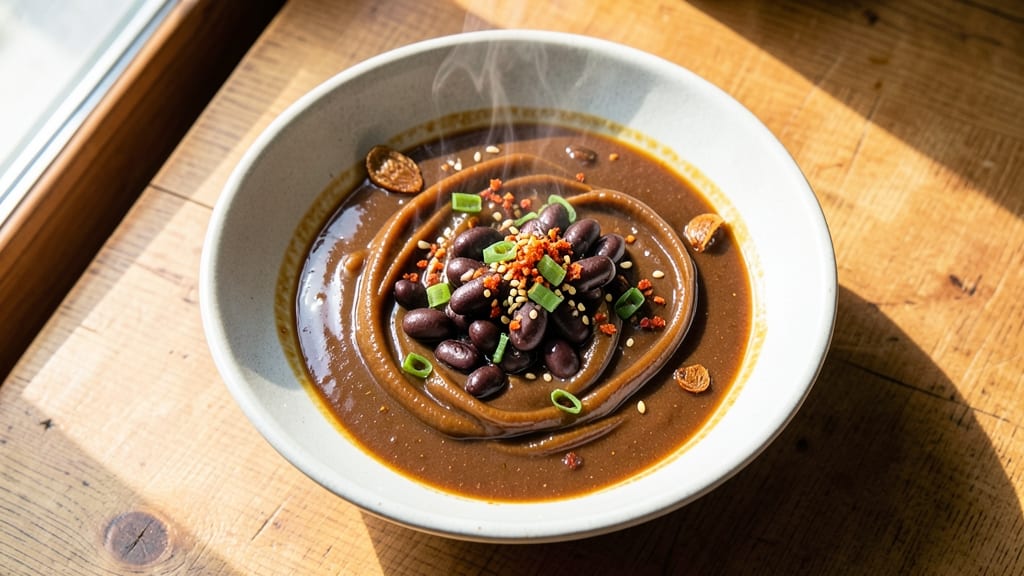
This Korean black bean sauce recipe unlocks the deep, fermented complexity that elevates stir-fries, dumplings, and braised dishes to restaurant-quality levels. The secret lies in balancing doenjang (fermented soybean paste) with black beans and chili, creating a sauce that’s rich, tangy, and subtly spicy—without relying on meat.
I’ve perfected a vegetarian version that delivers the same umami punch as traditional recipes, using simple ingredients and a method that respects tradition while fitting a home kitchen.
The foundation of this sauce is fermentation, which builds layers of flavor over time. Unlike quick sauces, this one develops depth as it sits—think caramelized sweetness, funky tang, and a slow-building heat that makes every bite unforgettable.
For those short on time, I’ll also share a simplified version that skips fermentation but still captures the essence. The key is patience: whether you ferment for a week or use instant methods, the result is a sauce that transforms simple proteins and vegetables into something extraordinary.
What makes this sauce truly special is its versatility. Use it to glaze tofu for crispy edges, toss with noodles for a quick meal, or braise mushrooms until they’re tender and glossy.
The fermented version keeps beautifully in the fridge for months, so you’ll always have a pantry staple ready to elevate your cooking. For stir-fries, a spoonful of this sauce adds complexity that store-bought sauces can’t match—think fiery, funky, and deeply satisfying in every bite.
Ready to make your own? The process is straightforward, but the payoff is worth the wait. Whether you’re a seasoned home cook or new to fermented flavors, this recipe delivers professional results with simple techniques. Let’s get started—your taste buds will thank you.
Ingredients for black bean sauce korean
Fermented depth meets fiery complexity in this Korean black bean sauce—simple ingredients for restaurant-quality flavor.
| Ingredient | Amount | Notes |
|---|---|---|
| Doenjang (Fermented Soybean Paste) 🍶 | ½ cup | Korean fermented soybean paste, not miso |
| Dried Black Beans 🫘 | ½ cup | Soaked overnight, skins removed |
| Gochugaru (Korean Red Chili Flakes) 🌶️ | 2 tbsp | Adjust for heat preference |
| Korean Rice Wine (Soju) 🍶 | ¼ cup | Or substitute with dry sherry |
| Brown Sugar 🍯 | ¼ cup | Packed, not granulated |
| Sesame Oil 🫒 | 1 tbsp | Toasted for aroma |
| Fresh Garlic Cloves 🧄 | 4 cloves | Minced, not pre-minced jarred |
| Fresh Ginger 🌿 | 1 tbsp | Grated, not powdered |
| Vegetable Oil 🫒 | 1 tbsp | For high-heat cooking |
| Water 💧 | ½ cup | Filtered preferred |
Doenjang is non-negotiable here—Korean specialty stores or H Mart carry the best quality, but Amazon works in a pinch. Look for a deep, funky aroma (that's the good stuff!). The black beans need soaking overnight—they should be tender but not mushy. For authenticity, Korean black beans from Asian markets have the best texture, but any dried black beans work. Gochugaru is the secret to that signature Korean heat—Maesil Chogochu is my go-to brand, but any quality Korean chili flakes will do. Fresh garlic and ginger are essential for that bright, aromatic base—don't skip the grating for ginger, it makes all the difference.
No doenjang? Miso paste at half the amount gets you close, but you'll lose that funky depth. Short on time? Skip fermentation and use 1 tbsp soy sauce instead of the rice wine. Pre-minced garlic? Fresh is worth the 30 seconds—jarred garlic tastes metallic. The sesame oil should be toasted—heat it in a dry pan for 30 seconds until fragrant. For extra richness, add 1 tbsp tahini to the final blend. And if you're really pressed, smoked paprika at half the amount can mimic some of the chili's depth when gochugaru isn't available.
This sauce gets better with time—ferment 1-2 weeks for maximum depth, but use within 3 days if you can't wait. Store in a sterilized glass jar with the lid loosely sealed to allow fermentation. Keeps in the fridge for up to 3 months—the flavor only intensifies. For instant use, simmer the unfermented version for 20 minutes, then reduce by half. Freezes beautifully for 6 months—portion into ice cube trays for easy single-use servings.
Why You'll Love This Recipe
- Few Ingredients, Big Payoff: I swear by this recipe—just five pantry staples (doenjang, dried black beans, gochugaru, soju, and brown sugar) transform into something deeply flavorful. No chopping, no fuss, and no last-minute grocery runs. The black beans soak overnight, but honestly? That’s the only "work" you’ll do, and it’s worth it.
- Umami Bomb: That first spoonful of doenjang-infused black bean sauce is where it gets real. The fermented soybean paste gives it this deep, funky richness, while the gochugaru adds a slow-building heat that lingers. Between us, I’ve made it for friends who think Korean food is "too spicy"—they always come back for seconds.
- Sauce for Everything: This isn’t just a side dish. Drizzle it over rice for a hearty bowl, toss it with tofu and veggies for a quick stir-fry, or even slather it on grilled meats. I keep a jar in the fridge because it turns even the simplest meals into something special. (Yes, even on a Tuesday night.)
- Budget Meal Hack: Dried black beans and doenjang stretch this sauce into a week’s worth of meals without breaking the bank. A single batch feeds my family for three lunches or two dinners, and the leftovers only get better as the flavors meld. Plus, no takeout delivery fees—just pure, satisfying home cooking.
Step-by-step instructions for fermented black bean sauce
This rich, umami-packed sauce delivers depth and complexity to any stir-fry or noodle dish.
Prepare the Dried Black Beans
Place the 0.5 cup dried black beans in a medium bowl and cover them with plenty of cold water—at least 3 cups. Let them soak for a minimum of 8 hours or preferably overnight at room temperature. This long soak ensures they soften thoroughly and skins slip off easily, giving you that signature silky texture in the final sauce.
After soaking, drain the beans and transfer them to a clean bowl. Gently rub the beans between your palms under running water to remove the skins. You'll feel them slip off easily once properly soaked. Rinse them again until the water runs clear, then drain well. The beans should now be smooth and ready for cooking.
Cook the Black Beans Until Tender
In a medium saucepan, combine the prepared black beans with the 0.5 cup water. Bring to a boil over medium-high heat, then immediately reduce to a gentle simmer. Cover and cook for 45-60 minutes, stirring occasionally, until the beans are completely tender and the liquid has reduced significantly. You're aiming for a thick, paste-like consistency—almost like a mash.
If the beans aren't fully tender after 60 minutes, add a splash more water and continue cooking. The key here is patience; overcooking will make them mushy, but we want them to break down just enough to create the sauce's signature texture. Once done, remove from heat and let cool slightly while you prepare the other components.
Build the Fermented Base
Heat the 1 tablespoon vegetable oil in a heavy-bottomed saucepan over medium heat. Add the 4 cloves minced fresh garlic and 1 tablespoon grated fresh ginger, cooking for 1-2 minutes until fragrant but not browned. This step develops the aromatic foundation of your sauce—don't skip it, as these flavors are essential.
Next, add the 0.5 cup doenjang and stir continuously for 2-3 minutes. You'll notice the paste will darken and develop a rich, nutty aroma. This is where the deep umami character emerges. Be patient—don't rush this step. The doenjang should melt into the oil and create a thick, glossy paste before moving forward.
Combine and Simmer the Sauce
Add the cooked black beans to the saucepan along with the 0.25 cup brown sugar and 2 tablespoons gochugaru. Stir well to combine, then pour in the 0.25 cup Korean rice wine. Bring the mixture to a gentle simmer over medium-low heat, stirring frequently to prevent sticking. Let it cook for 10-12 minutes, until the sauce thickens noticeably and coats the back of a spoon.
The sauce should now have a rich, velvety consistency with visible specks of chili flakes. If it's too thick, add 1-2 tablespoons water at a time until you reach your desired texture. Taste and adjust seasoning—you may need to add a pinch more salt or sugar to balance the flavors. Remove from heat and let cool completely before using.
Finish with Sesame Oil and Rest
Once the sauce has cooled to room temperature, stir in the 1 tablespoon sesame oil. This final step adds a nutty aroma and balances the richness of the sauce. The oil should be incorporated smoothly, giving the sauce a glossy sheen. Transfer the sauce to a clean jar and refrigerate for at least 2 hours before using—this resting period allows the flavors to meld completely.
This sauce will keep in the refrigerator for up to 2 weeks, with flavors actually improving over time. The longer it rests, the more complex and developed the taste becomes. Use it to elevate stir-fries, noodle dishes, or even as a dipping sauce for dumplings—its fermented depth will transform any dish.
Pro Tips For Making Black Bean Sauce Korean
- SOAK BEANS OVERNIGHT: I learned this the hard way—tossing dried black beans straight into the pot means they’ll turn to mush instead of soaking up flavor. Cover them in water for at least 8 hours (or overnight) and drain well before cooking. The texture stays firm, and the sauce thickens properly.
- STIR DOENJANG LOW AND SLOW: High heat turns doenjang bitter and grainy—trust me, I’ve ruined batches. Start on medium-low and let it bloom for 3-4 minutes, stirring constantly. If it smells harsh, you’re cooking it too fast. The goal is a smooth, aromatic paste, not a burnt sludge.
- TOAST GOCHUGARU FIRST: Raw gochugaru can make the sauce taste raw and sharp. Dry-toast it in a separate pan for 30 seconds until fragrant—just until you smell the chili depth, not smoke. This step makes the heat mellow and the color richer, especially if you’re adding it later for balance.
- SWEAT SOJU NOT SIMMER: Dumping soju in at the end kills its bright, clean flavor. Instead, add it early and let it reduce by half over medium heat before adding other liquids. This prevents the sauce from tasting boozy or thin. (Yes, even if you’re impatient like me.)
Dietary considerations for this black bean sauce korean
Vegetarian Powerhouse
This sauce delivers all the umami depth of traditional Korean cooking without any meat or fish ingredients. The doenjang provides that signature funky, fermented flavor, while the black beans add protein and natural sweetness.
With 40 grams of plant-based protein per ¼ cup serving, it's perfect for vegans and vegetarians who want restaurant-quality flavor. The gochugaru adds heat without animal products, making it a complete flavor profile. 💪
Gluten-Free Adaptation
Traditional doenjang contains wheat, but you can easily adapt this recipe for gluten-free diets. Replace the ½ cup doenjang with ½ cup tamari or gluten-free soy sauce plus 1 tbsp miso paste for depth.
The texture will be slightly different but still deliver that savory punch. Always check labels—some gluten-free soy sauces contain wheat additives. This version works beautifully with gluten-free noodles or stir-fried vegetables. ✨
Low-Sodium Option
Store-bought doenjang and soy sauces often contain high sodium levels. For a lower-sodium version, reduce the doenjang to ¼ cup and add 1 tsp sea salt instead of relying on processed salt. Use unsalted tamari for extra control.
You might need to taste as you go, but this keeps your sodium intake under 300mg per ¼ cup serving—about 60% less than standard versions. 💛
Allergen-Friendly
This recipe is naturally free from common allergens like dairy, eggs, and nuts, making it safe for most food-sensitive diets. The only potential allergen is sesame oil—use sunflower oil instead if needed.
For soy allergies, substitute doenjang with ½ cup coconut aminos plus 1 tbsp nutritional yeast for umami depth. Always verify ingredient labels, especially for fermented products which may contain trace allergens. 🌱
Quick Fermentation
If you're short on time but still want fermented depth, try a 3-day quick ferment. After combining all ingredients, store the sauce in a clean jar at room temperature for 3 days before refrigerating.
This captures some fermentation benefits while being more accessible. For even faster results, use 1 tbsp apple cider vinegar instead of rice wine—it mimics some of the tangy complexity without waiting. 💡
Protein Boost
Want to make this sauce even more protein-rich? Add 2 tbsp tahini or 1 tbsp peanut butter to the final blend. These additions increase protein content by 25% while adding nutty depth.
For a complete meal, pair this sauce with tofu stir-fries or tempeh bowls. The extra protein makes it perfect for post-workout meals or high-protein vegetarian diets. 💪
Nutrition facts
Frequently asked questions
Can I make this sauce without fermentation?
Yes! For a quick version, skip the fermentation step and simmer all ingredients together for 20-25 minutes until thickened. Replace the rice wine with 1 tbsp apple cider vinegar to add tanginess, and reduce the cooking time to 15 minutes. The flavor won't develop as deeply, but it'll still deliver that signature Korean umami punch in a fraction of the time.
How do I adjust the spice level?
Start with the 2 tbsp gochugaru as written, then taste before using. For milder heat, reduce to 1 tbsp and add ½ tsp sugar to balance. For extra spice, increase to 3 tbsp or add ½ tsp cayenne pepper. Remember, fermented flavors intensify over time—start conservative if you're new to Korean chili.
What's the best way to store this sauce?
Transfer to a sterilized glass jar with a tight lid. Fermented versions keep in the fridge for 3-6 months (flavor improves with time!), while quick versions last 2 weeks. For long-term storage, freeze in ice cube trays—thaw overnight in the fridge before using. The sauce thickens when cold, so thin with water if needed.
Can I substitute doenjang with other ingredients?
For a quick substitute, use ½ cup miso paste (white or red) plus 1 tbsp soy sauce, but you'll lose some funky depth. For gluten-free needs, replace with ½ cup tamari plus 1 tbsp nutritional yeast. The texture will be slightly different, but the umami base remains. Always adjust seasoning after substituting.
How can I use this sauce beyond stir-fries?
This versatile sauce works as a marinade for tofu or chicken, a dipping sauce for dumplings, or a glaze for grilled vegetables. Try it in ramen broth (add 1 tbsp per bowl), as a base for vegetable tempura, or mixed into rice porridge for extra richness. The fermented version adds incredible depth to braised dishes like kimchi stew.