
Soups & Stews
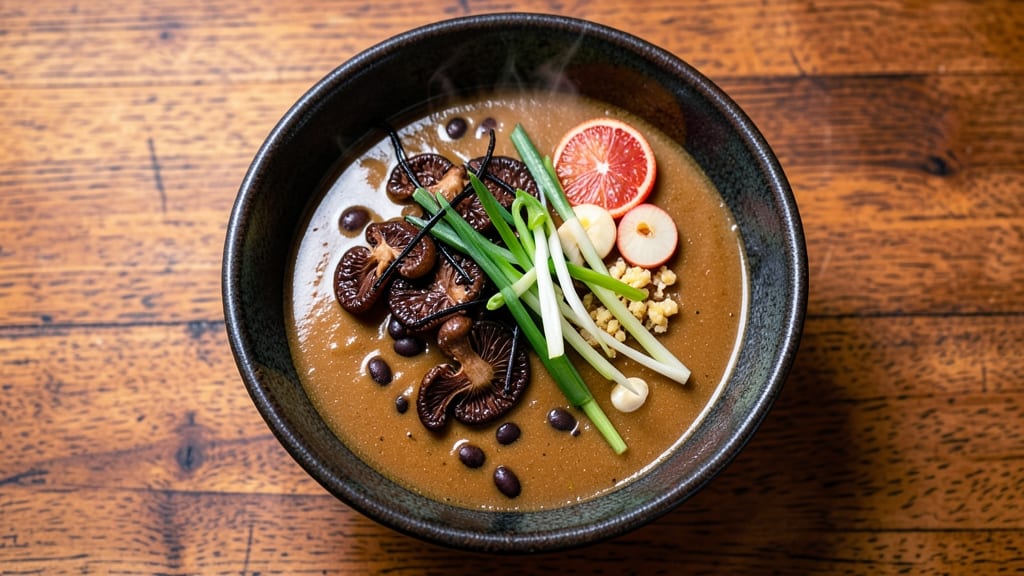
This black soy bean soup recipe transforms humble ingredients into a velvety, umami-rich masterpiece that balances earthy depth with silky smoothness. The secret lies in pressure cooking the beans until they're tender yet intact, creating that signature hearty texture while preserving their natural sweetness.
I developed this version after years of experimenting with Asian-inspired soups, and it's become a staple in my weekly rotation—especially when paired with steamed jasmine rice. What sets this recipe apart is the aromatic base: ginger, garlic, and scallions sautéed until fragrant, then slowly infused into the broth.
Adding shiitake mushrooms deepens the umami profile, while a touch of soy sauce and sesame oil ties everything together. The optional blending step creates a luxurious creaminess without losing the beans' satisfying bite.
By the time you're done, you'll have a soup that's rich enough to stand alone but light enough to complement other dishes. The aroma alone will draw everyone to the table, and the first spoonful delivers that perfect harmony of textures—creamy broth, tender beans, and crisp garnishes.
This is comfort food at its finest, with none of the heaviness. Serve immediately with extra scallions and a drizzle of sesame oil, or let it sit overnight for even deeper flavors. The recipe scales beautifully for crowds, and leftovers reheat perfectly. Let's get cooking!
Ingredients for black soy bean soup
Earthy beans, umami mushrooms, and aromatic roots create this velvety soup's signature depth.
| Ingredient | Amount | Notes |
|---|---|---|
| Dried Black Soybeans 🌱 | 1 cup | Rinsed thoroughly before cooking |
| Dried Shiitake Mushrooms 🍄 | 4 whole | Rehydrated in warm water |
| Fresh Ginger 🧄 | 2 tbsp | Finely minced, aromatic base |
| Garlic Cloves 🧄 | 4 cloves | Minced for deep flavor infusion |
| Green Onions (Scallions) 🧅 | ½ cup | Sliced, white and green parts separated |
| Vegetable Broth 🥬 | 4 cups | Low-sodium preferred for balance |
| Tamari or Soy Sauce 🍶 | 2 tbsp | Gluten-free tamari recommended |
| Sesame Oil 🫒 | 1 tbsp | Toasted for nutty aroma |
| Rice Vinegar 🍶 | 1 tbsp | Balances rich flavors |
| Tofu (Optional) 🥬 | ½ lb | Silken tofu for blending creaminess |
| Sea Salt 🧂 | 1 tsp | Adjust to taste after blending |
| White Pepper 🌶️ | ½ tsp | Freshly ground for subtle heat |
| Jasmine Rice 🍚 | 1 cup | Steamed for serving companion |
The black soybeans are the heart of this soup—look for organic or heirloom varieties at specialty Asian markets or well-stocked grocery stores like Whole Foods. They should be plump and free of debris. Dried shiitake mushrooms from Trader Joe's or bulk bins add incredible depth; avoid the pre-sliced ones with additives. Fresh ginger and garlic should have vibrant color and firm texture—no shriveled roots here. For the broth, Hain or Pacific Foods brands offer excellent low-sodium options that won't overpower the delicate flavors. The sesame oil matters too—Kadoya or La Tourangelle brands provide that authentic toasted aroma.
No tamari? Regular soy sauce works in a pinch, though it lacks the deeper complexity. Substitute tofu with cashew cream (blend 1 cup soaked cashews with 1 cup water) for a dairy-free alternative. Fresh ginger and garlic can be swapped for 1 tbsp each of ginger powder and garlic powder, but fresh is ideal. The scallions can be replaced with green onions or shallots if needed. For texture variation, add 1 cup chopped bok choy at the end of cooking. The optional tofu blending step creates a luxurious texture—skip it for a more rustic presentation.
Store leftovers in airtight containers for up to 5 days in the refrigerator, though the flavors actually deepen overnight. Freeze for 3 months by portioning into individual containers. The beans and mushrooms can be prepped ahead—they'll keep in the fridge for 2 days before cooking. For best results, blend the soup just before serving to maintain that silky texture. Garnish with extra scallions and a drizzle of sesame oil for that restaurant-quality finish.
Why You'll Love This Recipe
- Pantry to Bowl: I swear by this recipe because it’s all dried ingredients—no fresh veggies wilting or last-minute grocery runs. Toss in the black soybeans and shiitake mushrooms, cover with water, and let them work their magic. The only fresh stuff? A thumb-sized ginger slab and a handful of scallions at the end. That’s it.
- Umami Bomb: Between the earthy black soybeans and the deep, meaty shiitake mushrooms, this soup packs a flavor punch without a single drop of meat. The garlic and ginger? They’re the secret—simmered just long enough to mellow into warmth, but still sharp enough to make you go back for seconds. It’s the kind of taste that lingers, and not in a bad way.
- Leftover Goldmine: This soup only gets better the next day. Honestly, I often make a double batch because it reheats like a dream—no graininess, no sad texture. Serve it over rice for lunch, or ladle it into bento boxes for work. My kids even ask for it cold as a quick snack (yes, really).
- Budget Magic: A single bag of dried black soybeans and shiitake mushrooms lasts me months. I’m talking cheap, shelf-stable, and still restaurant-quality flavor. Plus, the ginger and garlic are staples you probably already have. It’s the kind of recipe that makes me feel like I’m feeding my family gourmet, even when my wallet’s thin.
Step-by-step instructions for black soybean soup
Transform simple ingredients into a velvety umami-rich soup with these precise techniques.
🍳 Step 1: Rehydrate the Soybeans and Mushrooms
Place the 1 cup dried black soybeans in a large bowl and cover with cold water by 2 inches. Soak for at least 4 hours (or overnight) until they're plump and doubled in size. Drain thoroughly, reserving the soaking water for potential thickening later.
Meanwhile, prepare the 4 whole dried shiitake mushrooms by removing stems and placing caps in a separate bowl. Cover with warm water and soak for 20 minutes until softened. Drain, reserving the mushroom soaking liquid separately - this will deepen your soup's earthy complexity.
🔥 Step 2: Build the Flavor Base
Heat 1 tablespoon sesame oil in a large pot over medium-high heat. Add the 2 tablespoons minced fresh ginger and 4 minced garlic cloves, cooking for 1-2 minutes until fragrant and just beginning to color. The aroma should fill your kitchen - this is where the soul of your soup develops.
Add the drained black soybeans and 4 cups vegetable broth, bringing to a gentle boil. Reduce heat to medium-low and simmer uncovered for 45-50 minutes, stirring occasionally. The beans should soften completely - when they're fork-tender and the soup reduces slightly, you're ready for the next phase.
🥘 Step 3: Incorporate Mushrooms and Seasonings
Add the rehydrated shiitake mushrooms to the pot along with their reserved soaking liquid. Stir in the 2 tablespoons tamari or soy sauce and 1 tablespoon rice vinegar. The mushrooms will release their umami essence as they simmer for 10-12 minutes until tender.
Season with 1 teaspoon sea salt and 0.5 teaspoon white pepper, adjusting to taste. For an optional protein boost, add the 0.5 lb tofu cut into cubes and simmer for an additional 5 minutes until heated through. The tofu should absorb the rich flavors without falling apart.
⏰ Step 4: Finish with Garnishes and Texture
Remove the pot from heat and stir in the 0.5 cup sliced green onions, reserving the white parts for garnish. The green tops should wilt slightly while still maintaining vibrant color. For a silky texture, use an immersion blender to partially purée about half the soup until smooth, leaving some whole beans for texture contrast.
Ladle the soup into bowls, garnishing each serving with the reserved white scallion parts and an extra drizzle of toasted sesame oil. Serve immediately alongside the 1 cup steamed jasmine rice to soak up every last drop of this deeply flavorful broth.
Pro Tips For Making Black Soy Bean Soup
- SOAK BEANS OVERNIGHT: I learned this the hard way—rushing the black soybeans with a quick 30-minute soak leaves them tough and underwhelming. Cover them in cold water for at least 8 hours (or overnight), then swap for fresh water before cooking. The extra time breaks down the skins just enough to make them silky, not mushy.
- SIMMER LOW AND LONG: This soup isn’t a race. After the initial boil with aromatics, drop the heat to a bare simmer—think tiny bubbles, not rolling waves—and let it cook for 2+ hours. I used to rush it, and the beans stayed chewy. Low heat melts their texture into the broth like magic.
- REHYDRATE MUSHROOMS RIGHT: Skip the boiling step for dried shiitakes—just soak them in hot water for 20 minutes until pliable. Tossing them straight into cold water makes them leathery, and boiling them first leaches flavor into the water you drain. Save that soaking liquid for the broth if you’re feeling fancy.
- GARNISH WITH GREEN ONIONS LAST: Add the scallions right before serving, not at the start. Their bright green tops wilt into oblivion if left simmering, and the white stems turn bitter. A quick toss at the end keeps them crisp and vibrant—like the cherry on top of a well-made soup.
Creative variations of black soy bean soup
Spicy Korean Twist
Transform this soup into a fiery Korean-inspired version by adding 1 tbsp gochujang (Korean chili paste) when you incorporate the mushrooms. For extra heat, stir in ½ tsp red pepper flakes and a splash of 1 tbsp rice vinegar to balance the flavors.
Garnish with thinly sliced Korean pear (if available) for natural sweetness that cuts through the spice. I love serving this with steamed short-grain rice and a side of kimchi for a complete Korean meal experience. 🌶️
Creamy Coconut Fusion
For a tropical twist, blend in ½ cup coconut milk at the end for a velvety texture. Add 1 stalk lemongrass (bruised and cut into 2-inch pieces) and 1 tbsp fish sauce (or soy sauce for vegan) when building the flavor base.
Finish with fresh cilantro and a squeeze of lime. This version pairs beautifully with jasmine rice and a side of grilled tofu. The coconut milk adds a luxurious creaminess while keeping the dish light and refreshing. 🥥
Miso-Infused Depth
Elevate the umami profile by adding 1 tbsp white miso paste to the flavor base along with the ginger and garlic. Stir in 1 tsp grated daikon radish for a subtle sweetness that complements the earthy beans.
Top with toasted sesame seeds and a sprinkle of bonito flakes (optional) for a Japanese-inspired touch. This variation is perfect for pairing with miso soup on the side or pickled vegetables for a balanced meal. 🍜
Pressure Cooker Shortcut
Save time by using a pressure cooker—simmer the beans and broth together for just 20 minutes after the initial pressure builds. This method preserves all the nutrients while achieving the same tender texture.
For extra depth, add 1 cup chopped baby bok choy during the last 5 minutes of cooking. The pressure cooker also makes this soup ideal for meal prep—just reheat and garnish with fresh scallions and sesame oil before serving. ⚡
Herb-Infused Garnish
Take your soup to the next level with fresh herb garnishes. Try a combination of cilantro, Thai basil, and mint for a vibrant Southeast Asian flair. For a Mediterranean twist, use fresh dill and parsley with a drizzle of extra virgin olive oil.
The herbs should be added just before serving to preserve their freshness and brighten the dish. This customization lets you tailor the soup to any cuisine you're craving. 🌿
Smoky Chipotle Kick
Add a smoky depth by stirring in ½ tsp chipotle powder (or 1 chopped chipotle pepper in adobo sauce) when building the flavor base. Balance the heat with an extra ½ tsp rice vinegar and a pinch of smoked paprika.
Garnish with crumbled cotija cheese (or nutritional yeast for vegan) and a sprinkle of toasted pumpkin seeds. This version is perfect for a Mexican-inspired meal, especially when paired with warm corn tortillas. 🔥
Nutrition facts
Frequently asked questions
How long should I soak the black soybeans?
Soak them for at least 4 hours (overnight is best) to ensure they're plump and tender. This step is crucial—the beans should double in size. Drain thoroughly before cooking to prevent a watery soup.
Can I use canned black soybeans instead of dried?
Yes, but the texture will differ. Canned beans are pre-cooked and softer, so simmer them for just 10-15 minutes to warm through. For best results, stick with dried beans—they develop deeper flavor and maintain their satisfying bite. The pressure cooking method works perfectly for dried beans.
What makes this soup vegan-friendly?
This recipe relies entirely on plant-based ingredients: black soybeans, shiitake mushrooms, vegetable broth, tamari (gluten-free soy sauce), and tofu (optional). The umami comes from mushrooms, tamari, and ginger—no animal products needed. Even the sesame oil is vegan.
Why does my soup taste bitter?
Bitterness often comes from overcooking the mushrooms or using too much tamari. Simmer mushrooms for 10-12 minutes max and reduce tamari to 1 tbsp. A splash of rice vinegar or a pinch of sugar can balance flavors. Always taste as you go—this soup should be rich, not bitter.
Can I make this soup in a slow cooker?
After sautéing the ginger and garlic, add all ingredients (except fresh garnishes) to your slow cooker. Cook on low for 6-7 hours or high for 3-4 hours. The low-and-slow method enhances flavors beautifully. Just add fresh scallions and sesame oil at the end.