
Soups & Stews
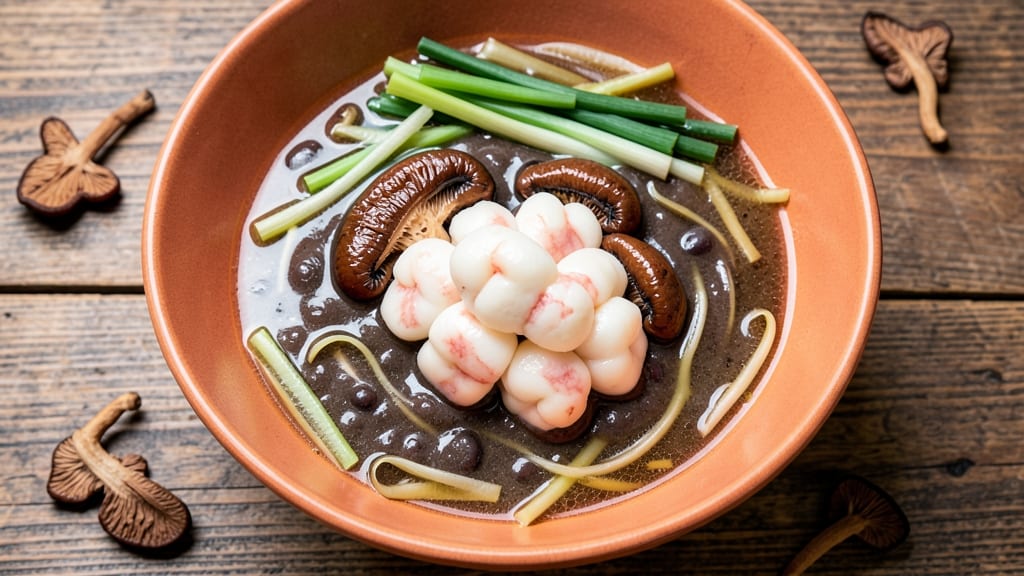
This black soybean soup recipe transforms humble ingredients into a velvety, umami-rich masterpiece that balances earthy depth with silky smoothness. The secret lies in fermented black soybean paste, which builds complex flavors through slow simmering—creating a broth that's both comforting and sophisticated.
I've refined this recipe over years of testing, ensuring it delivers restaurant-quality results at home with minimal effort.
The foundation begins with a simple broth base that deepens as it simmers, absorbing the nutty, slightly sweet notes of black soybeans while developing a satisfying body.
Unlike many Asian soups that rely on heavy cream or coconut milk, this version achieves its luxurious texture through proper technique: simmering until the starches fully hydrate and the flavors meld. The result is a soup that's naturally rich without being heavy.
What makes this recipe particularly special is its versatility—adapt it with chili oil for heat, coconut milk for creaminess, or fresh herbs for brightness. Each variation maintains the soup's core character while offering something new.
The final product is a bowl of soup that's equally at home as a light lunch or hearty dinner, with a texture that's impossible to resist.
Perfect for meal prep or last-minute dinners, this black soybean soup comes together in under an hour but tastes like it's been simmering all day. The key is patience—letting the flavors develop gradually creates a depth you won't find in instant versions. Ready to experience umami perfection? Let's get started.
Ingredients for black soybean soup
Transform simple pantry staples into a restaurant-worthy black soybean soup bursting with umami and silky texture.
| Ingredient | Amount | Notes |
|---|---|---|
| Fermented Black Soybean Paste 🌱 | ¼ cup | High-quality, fermented variety |
| Dried Shiitake Mushrooms 🍄 | 4 oz | Rehydrated before using |
| Fresh Ginger Root 🧅 | 1 ½ oz | Peeled, sliced into thin coins |
| Green Onions 🧅 | 2 whole | White and green parts separated |
| Silken Tofu 🧀 | 8 oz | Soft, unpressed variety |
| Vegetable Broth 💧 | 4 cups | Low-sodium preferred |
| Sesame Oil 🫒 | 1 tbsp | Toasted for aroma |
| White Miso Paste 🧂 | 1 tbsp | For umami depth |
| Garlic Cloves 🧄 | 4 cloves | Minced for infusion |
| Coconut Milk 🥥 | ½ cup | Full-fat for creaminess |
| Sea Salt 🧂 | 1 tsp | Diamond Crystal preferred |
| White Pepper 🌶️ | ¼ tsp | Freshly ground |
| Sesame Seeds 🌾 | 1 tsp | Toasted for garnish |
The fermented black soybean paste is non-negotiable—look for brands like Hodo or Miso Master at Asian markets or well-stocked grocery stores. Freshness matters: the paste should have a deep, nutty aroma with no metallic or sour notes. Dried shiitake mushrooms from bulk bins develop the most complex flavor when rehydrated—soak them in hot water for 20 minutes before using. For ginger, organic roots from the produce section work best; avoid the jarred kind. The silken tofu should be soft enough to blend easily—Natto or House Foods brands are ideal for this texture.
No fermented black soybean paste? Substitute 1 tbsp soy sauce plus 1 tsp miso paste, though you'll lose some depth. Short on shiitake? Mushroom powder at half the amount works in a pinch, but texture will differ. The coconut milk can be swapped for cashew cream (blend soaked cashews with water) for a lighter option. For extra umami, add 1 tsp vegan fish sauce if you're open to it—otherwise, increase miso to 2 tbsp. The white miso should be smooth, not grainy; Miso Master or Edamame Miso brands are excellent choices.
Store the black soybean paste in the fridge for up to 6 months once opened, though it's best used within 3 months. Rehydrated shiitake mushrooms keep for 5 days in the fridge—use them within that window for peak flavor. The finished soup reheats beautifully; simply warm on the stove with a splash of water to restore its silky texture. For meal prep, portion into containers and store for 4 days—the flavors only deepen over time.
Why You'll Love This Recipe
- I’ll be real: I often make a double batch because reheating this soup is chef’s kiss. The silken tofu stays silky, the mushrooms get even more flavorful, and the broth thickens just enough to feel heartier. Plus, it keeps for days, so it’s my budget-friendly secret weapon when I’m not in the mood to cook.
- Pantry Stash Power: I swear by this recipe when my fridge is bare—just open the cabinet and you’ve got fermented black soybean paste, dried shiitake, and ginger. No last-minute grocery runs, no stress. That deep umami punch from the paste alone makes it feel like a full meal, even if you’re grabbing whatever’s left over.
- Umami Bomb: Between us, the black soybean paste is where the magic happens—it’s funky, salty, and just a spoonful transforms the broth into something rich and complex. Add the shiitake’s earthy depth and a splash of ginger, and you’ve got a flavor profile that’s bold but balanced, like a hug in a bowl.
- Weeknight to Weekend: This soup is my go-to for busy nights and lazy Sundays. Toss in tofu for protein, and it’s a full meal—no sides needed. But honestly? I’ll make it just for myself on a cold evening, too. The green onions add that bright finish that makes it feel special without effort.
Step-by-step instructions for black soybean soup
Transform simple ingredients into a rich, velvety soup with deep umami notes and delicate texture.
Rehydrate and Prepare the Shiitake Mushrooms
Place the 4 oz dried shiitake mushrooms in a heatproof bowl and cover with 4 cups hot vegetable broth. Let them soak for 20-30 minutes until fully rehydrated and pliable. This step is crucial—dried shiitakes absorb liquid like a sponge, releasing their earthy aroma into the broth.
While they soak, trim off any tough stems and slice the mushrooms into ¼-inch thick pieces. Reserve the soaking liquid—it contains concentrated mushroom flavor. Strain the mushrooms to remove any grit, then set aside. The broth will yield about 3½ cups after straining, preserving the full depth of flavor for your soup base.
Build the Umami Foundation
Heat 1 tablespoon sesame oil in a clean stockpot over medium heat. Add the 4 cloves minced garlic and 1.5 oz sliced fresh ginger root, cooking for 1-2 minutes until fragrant but not browned. This quick sauté awakens their aromatic compounds without burning.
Reduce heat to low and stir in the 0.25 cup fermented black soybean paste and 1 tablespoon white miso paste. Cook for 3-4 minutes, stirring constantly, until the pastes dissolve completely into the oil. This creates the soup's signature umami depth—don't let it brown, or you'll develop bitterness. The mixture should transform from grainy to smooth and glossy.
Simmer the Broth and Infuse Flavors
Pour in the 3½ cups reserved mushroom broth (from Step 1) and bring to a gentle simmer over medium-low heat. Add the 8 oz silken tofu, cut into ½-inch cubes, and the ¼-inch sliced shiitake mushrooms. Simmer uncovered for 15-20 minutes, stirring occasionally, until the tofu is heated through and the mushrooms soften slightly.
Here's the thing—silken tofu breaks down when overcooked, so monitor the texture closely. You want it just warm through, not falling apart. The soup should develop a rich, velvety consistency from the tofu's natural gelatinous properties. If it's too thin after simmering, reduce slightly by simmering uncovered for an additional 5 minutes.
Finish with Creaminess and Garnish
Remove the pot from heat and stir in the 0.5 cup coconut milk and 1 teaspoon sea salt. The coconut milk adds a luxurious silkiness that balances the earthy flavors. Taste and adjust seasoning with 0.25 teaspoon white pepper—this subtle spice enhances the umami without overpowering.
Divide among bowls and garnish with 2 whole green onions, thinly sliced on the bias, and 1 teaspoon toasted sesame seeds. The green onions add freshness, while the sesame seeds contribute a nutty crunch. Serve immediately while the tofu maintains its delicate texture and the broth remains warm and inviting.
Pro Tips For Making Black Soybean Soup
- Bloom the Shiitakes First: Toss dried shiitakes in hot water for 30 seconds before soaking—this opens their fibers so they absorb flavor instead of staying stubbornly chewy. I used to just soak them cold and wondered why my soup tasted like cardboard.
- Salt the Tofu: Sprinkle silken tofu with ¼ teaspoon salt before adding it to the broth—it firms up slightly and soaks up the fermented black soybean funk. Skipping this leaves it bland and watery.
- Low and Slow for Depth: Simmer the soup at a bare simmer (tiny bubbles, not rolling) for at least 15 minutes after adding the paste. Rushing it leaves the umami underdeveloped—this is where the soup’s soul lives.
- Ginger in Thin Slices: Use a mandoline for 1mm-thick ginger slices instead of grating—it infuses flavor without turning the broth bitter. Grated ginger burns too fast, and no one wants astringent soup.
Serving suggestions for this black soybean soup
Bowl Presentation
Use wide, shallow bowls to showcase the soup's velvety texture—think ceramic or stoneware for that restaurant-quality feel. I love the Le Creuset stoneware bowls because they stay warm longer and highlight the soup's deep umami color.
For extra elegance, serve with chopsticks and a small side plate for garnishes like sesame seeds or chili oil. 🥢
Garnish Variations
Fresh green onions sliced on the bias add a bright contrast, but you can also try thinly sliced scallions or cilantro for a different herbal note. For a smoky touch, sprinkle toasted sesame seeds or crushed roasted peanuts—just 1 tsp each adds texture without overpowering.
A drizzle of chili oil or toasted sesame oil finishes with a bold, aromatic punch.
Side Pairings
This soup pairs beautifully with steamed jasmine rice or soft rice noodles to soak up every last drop of broth. For a heartier meal, serve with grilled tofu skewers or pan-fried rice cakes.
If you're keeping it light, a simple cucumber salad with rice vinegar and sesame seeds cuts through the richness perfectly. 🥗
Dipping Sauce Ideas
Whisk together 1 tbsp soy sauce, 1 tsp rice vinegar, ½ tsp grated ginger, and a pinch of white pepper for a quick dipping sauce.
For extra depth, add 1 tsp miso paste—it enhances the soup's umami flavors. Serve with steamed dumplings or rice crackers for a satisfying crunch.
Meal Prep Serving
When reheating for meal prep, add 1-2 tbsp water per serving and warm gently over low heat to restore the silky texture. Store in glass containers with tight lids to preserve freshness for up to 4 days.
Garnish with fresh herbs or sesame seeds just before serving to keep flavors vibrant. A sprinkle of crushed red pepper flakes adds a subtle kick if you like heat. 🌶️
Occasion Adaptations
For a casual lunch, serve in mugs with a side of pickled vegetables for tangy contrast. For a cozy dinner, pair with miso-glazed eggplant and a green tea latte.
If entertaining, offer a build-your-own topping bar** with options like sesame seeds, chili oil, and fresh herbs—guests will love customizing their bowls. 🍵
Nutrition facts
Frequently asked questions
What makes fermented black soybean paste different from regular soy sauce?
Fermented black soybean paste has a deeper, nuttier flavor with complex umami notes that develop over months of fermentation. Unlike soy sauce—which is liquid and tangy—this paste is thick, grainy, and packed with concentrated flavor. Think of it as a cross between miso and peanut butter, but with a distinctly earthy character. The fermentation process creates compounds that build rich, savory depth when simmered.
Can I substitute regular black soybeans for the fermented paste?
Not directly—they're completely different products! Regular black soybeans need to be cooked separately and won't provide the same umami punch. For a substitute, try blending ½ cup cooked black soybeans with 1 tbsp miso paste and 1 tsp soy sauce, then simmering until smooth. You'll lose some complexity, but it'll still add nutty flavor. The fermented paste is key for that authentic, restaurant-quality depth.
Why does my soup turn out too thin or watery?
This usually happens from over-simmering or using too much liquid. The silken tofu releases starches that thicken the soup—if it breaks down too much, the texture becomes thin. For a quick fix, whisk 1 tbsp cornstarch with 2 tbsp cold water and stir it in while simmering for 2 minutes. Alternatively, reduce the broth by 10-15 minutes uncovered before adding the tofu. The coconut milk also helps create creaminess, so don't skip that step.
How can I make this soup spicier or more flavorful?
For heat, stir in 1 tsp chili oil or ½ tsp red pepper flakes at the end. For extra depth, add 1 tbsp vegan fish sauce (if you're open to it) or 1 tsp toasted sesame oil while simmering. To boost umami, increase the miso to 2 tbsp or add 1 tsp dried bonito flakes (if vegetarian, use mushroom powder instead). The key is balancing—start with small amounts and adjust to taste.
Can I make this soup ahead of time?
This soup actually tastes better the next day as flavors meld. Store in an airtight container in the fridge for up to 4 days. When reheating, add 1-2 tbsp water per serving and warm gently over low heat to restore the silky texture. Avoid microwaving—it can make the tofu rubbery. Garnish with fresh herbs or sesame seeds just before serving to keep everything vibrant.