
Side Dishes
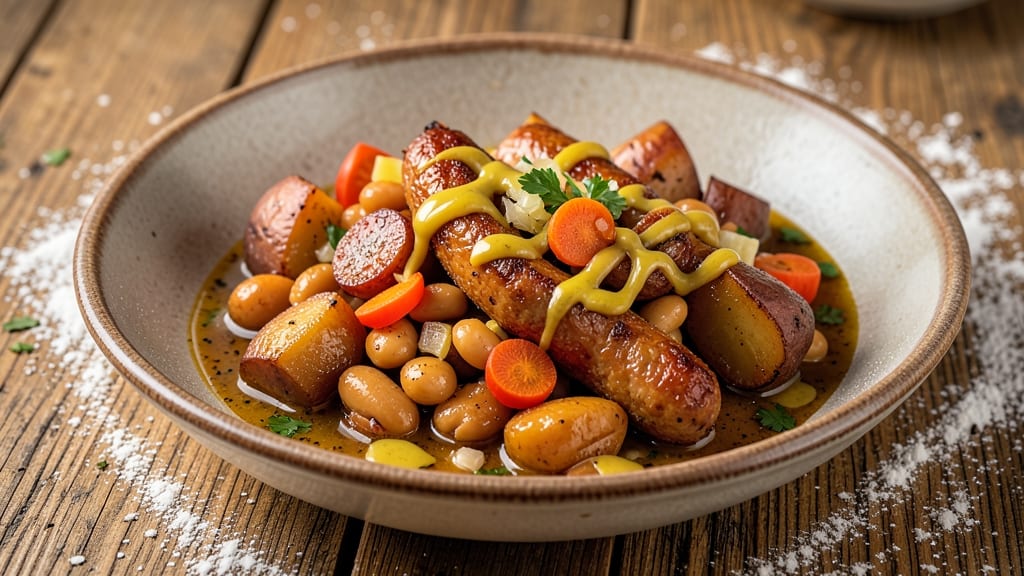
This Blauhilde bean recipe brings hearty German comfort to your table with its rich blend of white beans, tender vegetables, and aromatic herbs. The dish is traditionally served alongside sausages, but the vegetarian version stands strong on its own—perfect for a satisfying weeknight meal or cozy family dinner.
What makes this recipe special is its simplicity combined with deep, savory flavors that develop as it simmers.
The foundation of Blauhilde lies in its slow-cooked vegetables and beans, which meld together into a creamy, flavorful stew. You'll start by sautéing onions, carrots, and potatoes until they're golden, then add white beans and a splash of broth to create a dish that's both comforting and nourishing.
The herbs—parsley and bay leaf—add freshness, while a touch of mustard and smoked paprika bring warmth and depth.
By the time you serve this dish, you'll have a bowl of velvety beans and tender vegetables infused with smoky, herby notes. The texture is rich and hearty, making it ideal for cold weather or when you crave a meal that feels like a hug.
This recipe delivers restaurant-quality results with minimal effort, proving that simple ingredients can create something truly special.
Serve it alongside crusty bread to soak up every last bit of the flavorful broth, or pair it with a simple green salad for balance. The versatility of Blauhilde makes it a go-to dish for any occasion—whether you're cooking for a crowd or treating yourself to a comforting meal.
Let's get started!
Ingredients for blauhilde bean
Simple ingredients that transform into a hearty, smoky, mustard-kissed German comfort dish.
| Ingredient | Amount | Notes |
|---|---|---|
| Yellow Onions 🧅 | 2 whole | Thinly sliced for even cooking |
| Carrots 🥕 | 3 medium | Peeled and sliced into rounds |
| Russet Potatoes 🥔 | 2 medium | Peeled and cubed evenly |
| Canned Cannellini Beans 🌿 | 2 cups | Drained and rinsed thoroughly |
| Vegetable Broth 💧 | 4 cups | Low-sodium preferred |
| Yellow Mustard 🍯 | 2 tbsp | For tangy depth of flavor |
| Smoked Paprika 🌶️ | 1 tbsp | For authentic smoky taste |
| Fresh Parsley 🌿 | ¼ cup | Chopped for fresh herb finish |
| Bay Leaves 🌿 | 2 whole | Removed before serving |
| Olive Oil 🫒 | 2 tbsp | Extra-virgin for richness |
| Salt 🧂 | 1 tsp | Kosher or sea salt |
| Black Pepper 🌶️ | ½ tsp | Freshly ground preferred |
| Vegetarian Sausage 🌭 | 1 lb | Smoked flavor preferred |
| Garlic Cloves 🧄 | 3 cloves | Minced for aromatic base |
The vegetarian sausage is key here—Field Roast or Beyond Meat brands nail that smoky flavor without meat. If you can't find smoked vegetarian sausage, liquid smoke at one-quarter teaspoon works in a pinch, but it's not the same. For the mustard, German-style yellow mustard (like Dolmio) gives that authentic tang, but any good-quality mustard will do. The cannellini beans? Drained and rinsed well—no one likes mushy beans. Carrots and potatoes should be similar size so they cook evenly—cut them into 1-inch chunks.
No smoked paprika? Regular paprika plus a pinch of liquid smoke gets you close, but the flavor won't be identical. Fresh parsley is ideal, but dried parsley at one-third the amount works if you're in a hurry. The broth can be bouillon cubes in a pinch, but low-sodium is crucial—you don't want to overpower the dish with salt. For the garlic, roast it first (400°F for 10 minutes) to mellow the flavor and add sweetness. The onions? Yellow or red both work, but yellow has a slightly sweeter base that pairs better with the mustard.
This dish tastes even better the next day—make extra and freeze portions for up to 3 months. Store leftovers in airtight containers with a layer of broth on top to keep everything moist. The vegetarian sausage keeps well for 1 week in the fridge, but use it within 3 days for best texture. If you're prepping ahead, sauté the onions, carrots, and potatoes first, then store separately until ready to assemble—saves time on cooking day.
Why You'll Love This Recipe
- One-Pot Magic: I swear by this recipe when I’ve got zero energy—just chop onions and carrots, toss in diced potatoes and beans, cover with broth, and let the oven do the work. No extra bowls, no fuss, and that caramelized onion smell? Worth the wait.
- Creamy Without Cream: The cannellini beans break down just enough to thicken the broth into something rich and velvety, while the russets hold their shape like little edible pillows. Honestly, it’s the kind of comfort that sneaks up on you—no heavy cream, no weird aftertaste, just pure satisfaction.
- Lunchbox Hero: Between us, this is my go-to for packing lunches. The flavors get better the next day (yes, really), and it reheats like a dream. Toss in a sprinkle of cheese or hot sauce, and suddenly you’ve got a meal that feels fancy enough for a workday but costs less than takeout.
- Pantry Stash Winner: I keep a can of beans and a bag of potatoes on hand just for this—it’s my budget-friendly insurance policy. Vegetable broth stretches forever, and if I forget to eat it all, the leftovers turn into soup or a hash the next night. Zero waste, maximum flavor.
Step-by-step instructions for German-style smoked sausage baked beans
A hearty, smoky-sweet dish with tender beans and rich sausage—this German-inspired recipe delivers comfort in every bite.
Sauté the Aromatics and Sausage
Heat the 2 tablespoons olive oil in a large Dutch oven over medium heat. Add the 1 pound vegetarian sausage, breaking it into bite-sized pieces as it cooks. Let the sausage brown for 5-6 minutes, stirring occasionally, until it releases its oils and develops a golden crust. This step builds deep flavor—don’t rush it.
Once the sausage is browned, remove it with a slotted spoon and set it aside. In the same pot, add the 2 whole yellow onions and 3 cloves garlic cloves. Sauté for 4-5 minutes until the onions soften and become translucent, and the garlic releases its fragrant aroma. Here’s the thing—if the onions start to stick, add a splash of vegetable broth to deglaze and scrape up those flavorful browned bits from the bottom of the pot.
Add Vegetables and Seasonings
To the pot with the onions and garlic, add the 3 medium carrots (sliced into rounds) and 2 medium russet potatoes (cubed evenly). Stir to coat the vegetables in the aromatic oil. Sprinkle in the 1 tablespoon smoked paprika, 1 teaspoon salt, and ½ teaspoon black pepper, mixing well to distribute the seasonings evenly.
Pour in the 4 cups vegetable broth and bring the mixture to a gentle simmer. Add the 2 whole bay leaves and let it cook uncovered for 10 minutes, stirring occasionally. This step ensures the vegetables begin to soften and absorb the smoky, savory flavors. You’ll know it’s ready when the liquid reduces slightly and the edges of the potatoes start to look tender.
Incorporate Beans and Mustard
Add the 2 cups drained and rinsed cannellini beans to the pot, stirring gently to combine. Pour in the 2 tablespoons yellow mustard and mix well. The mustard adds a tangy depth that balances the richness of the sausage and the smokiness of the paprika. Let the mixture simmer uncovered for another 10 minutes, stirring occasionally, until the beans are heated through and the flavors meld together.
Here’s where it gets good—taste the mixture and adjust the seasoning if needed. You might want to add a pinch more salt or a splash of broth if the beans are too dry. The goal is a sauce that coats the back of a spoon but isn’t watery. If it’s too thick, add a little more broth to loosen it up.
Combine and Bake to Perfection
Return the browned sausage to the pot and stir everything together. Transfer the Dutch oven to a preheated 375°F oven and bake uncovered for 30-35 minutes. The beans are done when the potatoes are fork-tender and the sauce has thickened slightly, clinging to the vegetables and sausage. You’ll notice the edges of the mixture darken and the aroma fills your kitchen—this is your cue that it’s almost ready.
Remove the dish from the oven and let it rest for 5 minutes before serving. This resting time allows the flavors to settle and the sauce to thicken slightly. Stir in the ¼ cup chopped fresh parsley just before serving to brighten the dish with a fresh, herbal note. Serve warm, straight from the pot, with crusty bread to soak up every last bit of that smoky, savory sauce.
Pro Tips For Making Blauhilde Bean
- SOAK THE POTATOES: I learned this the hard way—skipping this step turns your Blauhilde into a watery mess. Toss the Russet potatoes in cold water for 10 minutes before cooking. The starch rinse keeps the texture firm and prevents the dish from turning into a gluey broth.
- SWEAT THE ONIONS LOW: High heat caramelizes onions too fast, and you’ll end up with bitter bits instead of sweet depth. Cook the yellow onions over medium-low for 8-10 minutes, stirring occasionally, until they’re translucent but not browned. This builds flavor without burning.
- DRAIN AND RINSE BEANS: Cannellini beans straight from the can taste metallic and bland. Drain them, give them a quick rinse, and then pat them dry with a towel. It removes excess sodium and starch, making each bite cleaner and more flavorful.
- ADD BROTH IN STAGES: Dumping all the vegetable broth at once dilutes the dish. Start with half, let it simmer until the potatoes and carrots soften, then add the rest. This keeps the texture rich and the flavors concentrated—no sad, watery Blauhilde here.
Dietary considerations for this dish
Vegetarian-Friendly
This Blauhilde recipe is naturally vegetarian when you skip the traditional smoked sausage. I use Field Roast or Beyond Meat smoked vegetarian sausage—both brands mimic the smoky depth of pork without animal products.
The dish remains hearty and satisfying, proving that plant-based proteins can deliver the same rich, savory experience. 🌱
Gluten-Free Adaptation
To make this gluten-free, simply ensure your vegetable broth is certified gluten-free (like Pacific Foods brand) and check your smoked paprika for hidden gluten. The cannellini beans and other ingredients are naturally gluten-free, so no other substitutions are needed. Always verify labels, as cross-contamination can occur in shared facilities.
Low-Carb Option
For a lower-carb version, reduce the potatoes to just 1 medium potato or swap them for cauliflower florets. You can also increase the beans to 2.5 cups to maintain heartiness. The carrots can stay as-is since they're lower in carbs, but watch your portion sizes if tracking macros closely.
Allergen Considerations
This recipe contains mustard and soy (in vegetarian sausage), which are common allergens. For mustard-free versions, omit it entirely or substitute with 1 tbsp apple cider vinegar for tanginess. For soy-free sausage, look for brands like Tofurky Smoked Apple, which uses pea protein instead.
Vegan Adaptation
To make this fully vegan, ensure your sausage is plant-based (like Beyond Meat or Impossible brands) and verify your broth is vegan. The rest of the ingredients are already vegan-friendly. The mustard can be any brand since it's typically vegan, but always double-check labels for animal-derived additives.
Meal Prep Tips
This dish reheats beautifully for meal prep! Store components separately in airtight containers—vegetables and beans in one, broth and seasonings in another. When ready to eat, combine and reheat on the stovetop with 1-2 tbsp water or broth to restore moisture.
The flavors actually improve overnight as the mustard and paprika meld together. ✨
Nutrition facts
Frequently asked questions
What makes Blauhilde beans different from regular baked beans?
Blauhilde beans stand out with their German-inspired flavor profile—smoky paprika, tangy mustard, and fresh herbs like parsley create a complex taste that's far more aromatic than sweet, molasses-based baked beans. The dish also traditionally includes tender vegetables like carrots and potatoes, making it a hearty stew rather than just a bean dish.
Can I substitute cannellini beans for another type?
Yes, but texture and flavor will change. Navy beans or great northern beans work well, though they're slightly firmer. For creamier results, try butter beans or lima beans. Avoid black beans—they're too dense and won't absorb flavors as well. Drain and rinse any substitute thoroughly to prevent excess moisture.
Why does the recipe call for baking after simmering?
The baking step develops deeper flavors and creates that signature caramelized edge on the vegetables. The oven's dry heat helps thicken the sauce naturally while allowing the smoky paprika and mustard to meld together. Skipping it will make the dish less rich, but if you prefer stovetop-only, simmer uncovered for an extra 15-20 minutes.
What's the best way to store leftovers?
Store in an airtight container with a layer of broth on top to keep everything moist. Leftovers keep well in the fridge for 4-5 days or freeze for up to 3 months. To reheat, warm gently on the stovetop with 1-2 tbsp water or broth—never microwave directly from frozen as it can make the beans mushy.
Can I make this dish in a slow cooker?
Brown the sausage and sauté the vegetables first, then transfer everything to your slow cooker. Cook on low for 6-7 hours or high for 3-4 hours, adding ½ cup broth if needed. The flavors will develop beautifully, though the texture will be slightly softer than oven-baked.