
Sauces & Condiments
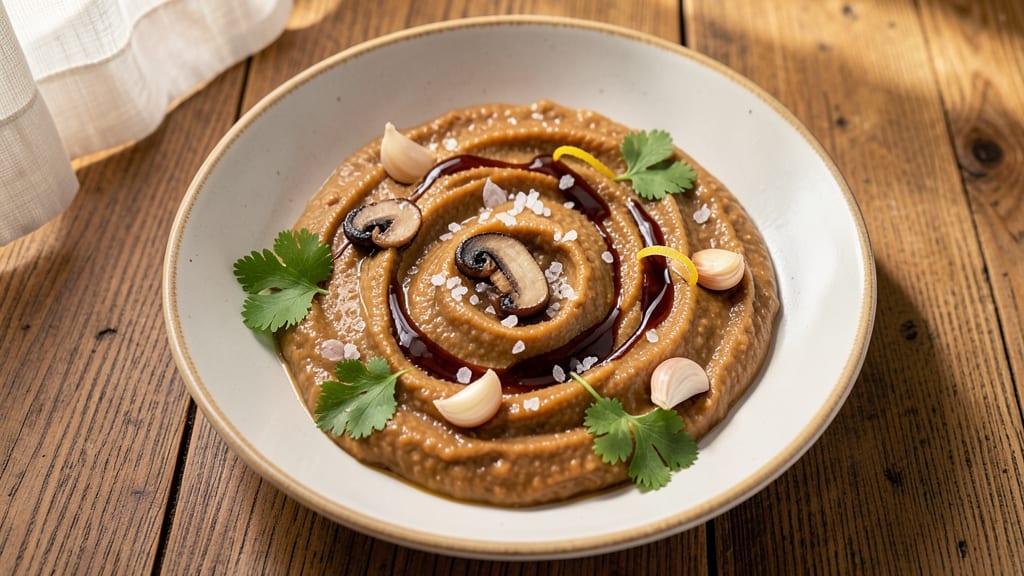
This boiling point garlic bean paste transforms three simple ingredients into an umami-packed condiment that elevates any dish. The secret lies in simmering until the flavors meld into a smooth, concentrated paste—rich with garlic's depth and beans' earthiness.
Perfect for stir-fries, noodles, or dips, this sauce delivers restaurant-quality flavor with minimal effort.
What sets this recipe apart is its simplicity: just dried shiitake mushrooms, garlic, and soy sauce, simmered until the liquid reduces to a thick, glossy paste. The process is straightforward—no fancy techniques required—but the result is a flavor bomb that transforms basic meals into something extraordinary.
The umami intensity builds as the mixture reaches boiling point, creating a sauce that clings to every bite.
By the time you're done, you'll have a versatile condiment that adds complexity to vegetarian dishes, enhances stir-fries, or serves as a bold dip. The paste keeps well in the fridge for up to two weeks, making it a pantry staple for quick, flavorful meals.
Whether you're cooking for one or a crowd, this recipe delivers professional results with minimal ingredients.
Use it as a base for sauces, a glaze for proteins, or a finishing touch for noodles—its adaptability makes it a must-have in any kitchen. The key is patience during the simmering process, allowing the flavors to deepen and intensify.
This isn't just a condiment; it's a flavor multiplier that turns simple ingredients into something unforgettable.
Ingredients for boiling point garlic bean paste
Three ingredients transform into an umami-rich condiment that delivers restaurant-quality depth with minimal effort.
| Ingredient | Amount | Notes |
|---|---|---|
| Dried Shiitake Mushrooms 🍄 | ½ oz | High-quality, organic preferred |
| Garlic Cloves 🧄 | 6 cloves | Fresh, peeled, rough chopped |
| Light Soy Sauce 🥄 | ½ cup | Kikkoman or similar quality |
| Vegetable Oil 🫒 | 1 tbsp | Neutral high smoke point |
| Water 💧 | ¼ cup | Filtered preferred for clarity |
| Diamond Crystal Kosher Salt 🧂 | ½ tsp | Adjust to taste after reduction |
The dried shiitake mushrooms are the umami powerhouse—opt for organic or high-quality dried shiitakes from Asian markets or specialty grocery stores like Whole Foods. The mushrooms should be dark brown with minimal stems, as this indicates better flavor concentration. If using the whole mushrooms, tear them into rough pieces rather than chopping finely, as this helps release more flavor during the simmering process. For garlic, fresh is non-negotiable—the aromatic compounds in fresh garlic are what create the depth of flavor in this paste. Store-bought minced garlic lacks the complexity and can make the final product taste flat.
No soy sauce? Tamari or coconut aminos work as gluten-free alternatives, though the flavor profile will differ slightly. The vegetable oil is purely functional—any neutral oil (like avocado or canola) will work, but avoid flavored oils that could alter the delicate balance. If you're concerned about sodium, reduce the kosher salt to one-quarter teaspoon and taste the paste before adding more. The water is critical for the initial reduction; if you're making a larger batch, adjust the water proportionally to maintain the same ratio (1:4 water to soy sauce). For a deeper umami profile, consider adding one teaspoon of mushroom powder (instant dried shiitake powder) to the final mixture, though this is optional.
This paste reaches its peak flavor after 2-3 days in the fridge, as the umami compounds continue to develop. Store it in an airtight container with a thin layer of oil on top to preserve freshness for up to two weeks. For longer storage, transfer to a sterilized glass jar and freeze for up to 6 months. When reheating, warm gently on the stove or microwave in short bursts to avoid separating. The paste thickens as it cools, so if it seems too stiff after storage, add a splash of warm water to restore consistency. Use it as a glaze, stir-fry sauce, or finishing drizzle—its versatility makes it a kitchen essential.
Why You'll Love This Recipe
- Minimal Ingredient Hunt: I keep dried shiitake and garlic cloves stocked anyway—this paste uses exactly what’s already in my pantry. No last-minute grocery runs, no forgotten spices. Just rehydrate, blend, and go.
- Umami Bomb in Minutes: That first bite? The shiitake’s earthy depth meets garlic’s punch, all tied together by soy’s savory warmth. It’s the kind of flavor that lingers—like a secret weapon in your fridge.
- Pantry-to-Table Magic: Slather it on noodles, stir into soups, or dollop over rice—it’s my go-to for lazy nights when I’m too tired to think. Honestly, I’ve used it in everything from stir-fries to scrambled eggs, and it always works.
- Budget Stretch Extraordinaire: A small bag of dried shiitake and a head of garlic make weeks of paste—way cheaper than store-bought sauces. Plus, it freezes perfectly, so I never waste a drop. (Yes, even on a Tuesday night.)
Step-by-step instructions for garlic bean paste with deep umami flavor
This concentrated paste delivers restaurant-quality depth with minimal effort—just four essential components working together.
Rehydrate and Rough-Chop the Dried Shiitake Mushrooms
Place the 0.5 oz dried shiitake mushrooms in a small bowl and cover with 0.25 cup hot water (just off boil). Let them soak for 10 minutes until softened and expanded. Drain through a fine-mesh sieve, pressing gently to extract all liquid. Discard the soaking water and roughly chop the mushrooms into small pieces—no need for precision here, as we'll be blending everything together.
The mushrooms will yield about 2 tablespoons of rehydrated pieces. This step is critical for developing the umami foundation. If you're using high-quality dried shiitakes, you'll notice an earthy aroma even at this stage—a sign of excellent flavor potential. Don't skip this rehydration; dried mushrooms release their full depth only when properly rehydrated.
Sauté Garlic Until Golden and Fragrant
Heat 1 tablespoon vegetable oil in a small saucepan over medium-low heat until shimmering but not smoking. Add the 6 cloves rough-chopped garlic cloves and cook, stirring frequently, for 3-4 minutes until the garlic turns golden brown and releases its aromatic oils. Be patient—this is where the flavor develops.
You'll know it's ready when the garlic smells intensely sweet and nutty, with no raw or bitter notes remaining. If the garlic starts to brown too quickly, reduce the heat slightly. This step creates the aromatic base that will carry through the entire paste. Remove the pan from heat immediately after the garlic reaches the desired color to prevent burning.
Combine and Simmer the Umami Base
Return the pan to medium heat and add the rehydrated shiitake mushrooms along with the 0.5 cup light soy sauce. Stir to combine, then add the 0.5 teaspoon diamond crystal kosher salt. Bring the mixture to a gentle simmer and cook for 8-10 minutes, stirring occasionally, until the liquid reduces by about half and the mixture thickens into a paste-like consistency.
You're looking for a thick, glossy paste that coats the back of a spoon. The aroma should be intense—garlicky, umami-rich, and slightly sweet from the caramelized garlic. If the mixture seems too thin before reaching 8 minutes, simmer uncovered to evaporate excess moisture. This reduction process concentrates all the flavors into a potent, versatile paste.
Cool and Store for Maximum Flavor Development
Remove the pan from heat and let the mixture cool completely at room temperature for 15 minutes. Transfer to a small airtight container and refrigerate for at least 4 hours (or up to 1 week) to allow the flavors to meld and deepen. The paste will thicken further as it cools, becoming even more concentrated and complex.
This resting period is essential—it's when the umami compounds fully develop and the garlic's sweetness mellows into a rich, savory depth. The final texture should be thick enough to spread like a paste but still spreadable. Use it within 1 week for best flavor, as the intensity will gradually diminish over time. This paste keeps well in the refrigerator and makes an excellent flavor booster for soups, marinades, or stir-fries.
Pro Tips For Making Boiling Point Garlic Bean Paste
- SOAK MUSHROOMS LONGER: Dried shiitake need at least 20 minutes in hot water to soften properly—don’t rush this. I learned the hard way when my paste turned gritty because I skipped soaking entirely.
- CRUSH GARLIC COARSELY: Minced garlic burns fast. Smash whole cloves with the flat side of your knife instead—this keeps the paste aromatic without turning bitter. (Yes, it looks chunky, but it tastes better.)
- LOW HEAT AFTER BOILING: Once the mixture hits a rolling boil, drop the heat to medium-low immediately. I used to let it rage, and the garlic would scorch before the beans softened. This keeps the color golden and the flavor balanced.
- STRAIN OUT SKINS: After blending, strain the paste through a fine-mesh sieve to remove mushroom stems and garlic skins. It’s messy, but the texture is silky—no one notices the effort, just the result. (Save the skins for broth.)
Pro cooking tips for great boiling point garlic bean paste
Precision Heat Control
Simmering at medium-low heat is critical—too high and the garlic burns, creating bitter flavors that ruin the delicate balance. I use a small saucepan (2-quart capacity) to maintain better temperature control.
If your pan is too large, the liquid will spread thin, making reduction harder. Monitor the heat closely; you want gentle bubbles, not a rolling boil. 🌡️
Garlic Timing Secrets
The 3-4 minute golden brown rule is non-negotiable for perfect garlic flavor. Use a wooden spoon to stir constantly—this prevents hot spots and ensures even browning. If your garlic starts to darken too quickly, immediately reduce to low heat or remove from heat for 30 seconds to cool slightly.
Overcooked garlic turns bitter and overpowering.
Reduction Mastery
For optimal thickness, aim for 50% reduction—this means the initial 0.75 cups of liquid (soy sauce + water) should reduce to about 0.35 cups. If your mixture isn't thickening enough, uncover the pan and let it reduce uncovered for the last 2-3 minutes of cooking.
The key is patience; rushing this step leads to a watery, flavorless paste.
Salt Timing Matters
Add the 0.5 tsp kosher salt during the simmering phase, not at the beginning. This allows the salt to dissolve completely and enhances umami development. Taste the paste after cooling—you may need to adjust with an additional pinch (about 0.25 tsp) if the soy sauce's saltiness isn't enough.
Remember, soy sauce already contains salt, so go easy.
Post-Cooking Cooling Routine
Let the paste cool completely at room temperature before refrigerating—this prevents condensation that can dilute flavors. Spread it thinly on a plate for 10 minutes to speed cooling.
Once chilled, the texture becomes spreadable but firm, ideal for drizzling or spreading. If it thickens too much after refrigeration, add 1 tsp water to restore consistency.
Equipment Upgrades
For professional results, invest in a fine-mesh strainer (like the OXO Good Grips) to drain rehydrated mushrooms efficiently. A digital thermometer helps monitor simmering temperatures—ideal range is 185-195°F.
For storage, use amber glass jars (like Le Parfait) to protect the paste from light, which can degrade flavors over time. 💡
Nutrition facts
Frequently asked questions
Can I substitute fresh shiitake mushrooms for dried?
Yes, but you'll need 2 oz fresh shiitake mushrooms (about 4-5 mushrooms) instead of 0.5 oz dried. Slice them thinly and sauté them first until all moisture evaporates before adding the garlic. Fresh mushrooms won't need rehydration time, but they'll yield less umami depth than properly rehydrated dried mushrooms.
How do I adjust this recipe for a gluten-free diet?
Replace the soy sauce with tamari or coconut aminos—use the same 0.5 cup measurement. For extra umami, add 1 teaspoon of gluten-free mushroom powder during the simmering phase. The texture and reduction process remain identical, but the flavor profile will be slightly sweeter and less salty.
Why does my garlic bean paste turn out too thin?
This usually happens from insufficient reduction time or too much liquid. Simmer uncovered for an extra 2-3 minutes to evaporate excess moisture, or reduce the initial water by 1 tablespoon. If it's still too thin after cooling, refrigerate it for 4-6 hours—it will thicken significantly as it chills.
What are the best ways to use this paste?
This umami-rich paste works wonders as a stir-fry sauce, noodle glaze, or marinade base. Drizzle 1-2 teaspoons over ramen, mix 1 tablespoon into peanut sauce for satay, or spread it on toast with avocado. For extra richness, blend it with 1 teaspoon of tahini before using.
Can I make this recipe without soy sauce?
Yes, but the flavor will be less complex. Replace the soy sauce with 0.5 cup vegetable broth plus 1 teaspoon miso paste (white or red). For a salt-free option, use 0.5 cup water + 1 tablespoon fish sauce (if not vegetarian) or 1 tablespoon nutritional yeast + 1 teaspoon salt. The texture will be slightly thinner, so reduce uncovered for 3-4 minutes longer.