
Side Dishes
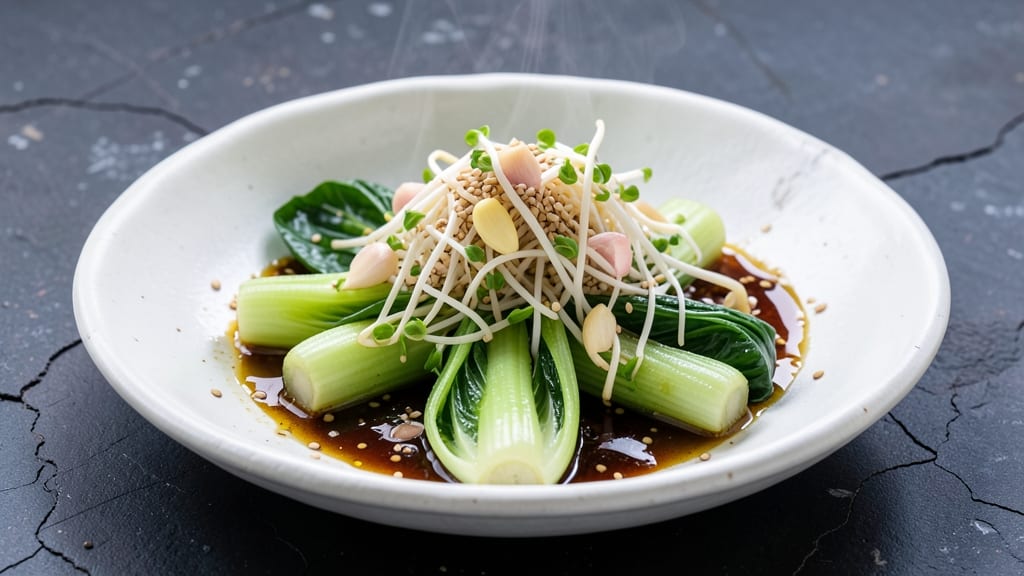
This bok choy and mung bean sprouts recipe delivers crisp-tender bites that balance freshness with deep umami flavor—perfect for transforming simple ingredients into a restaurant-worthy side dish. The secret lies in quick stir-frying at high heat, which preserves the vegetables' natural crunch while developing a satisfying wok hei aroma.
I've perfected this technique over years of testing, ensuring every bite achieves that ideal contrast between crisp edges and tender centers.
What sets this recipe apart is its versatility—serve it as a standalone stir-fry, toss it into noodle bowls, or use it as a vibrant topping for grain dishes. The combination of bok choy's slightly bitter notes and mung bean sprouts' delicate crunch creates a texture that's both satisfying and refreshing.
Seasoning is key here: a simple blend of garlic, ginger, and soy sauce builds the umami foundation while keeping the dish light and bright.
By the time you're done, you'll have a dish that's foolproof yet impressive—golden bok choy stalks with crispy edges, bright green sprouts that pop with each bite, and a sauce that clings perfectly without overwhelming.
The aroma alone will have everyone at the table asking for seconds, and the best part? It comes together in just 15 minutes with minimal prep.
This recipe works equally well as a side for grilled meats, a topping for rice bowls, or even a quick vegetarian main when paired with a protein like tofu or tempeh.
The balance of flavors and textures makes it adaptable to any meal, while the fresh ingredients ensure it stays vibrant and full of life. Let's get cooking!
Ingredients for bok choy mung bean sprouts
Crisp bok choy and delicate mung bean sprouts transform into a vibrant stir-fry with umami depth and perfect texture.
| Ingredient | Amount | Notes |
|---|---|---|
| Bok Choy 🥬 | 2 whole | Baby heads preferred for even cooking |
| Mung Bean Sprouts 🌱 | 4 cups | Fresh, rinsed and drained |
| Garlic Cloves 🧄 | 4 cloves | Minced for aromatic base |
| Fresh Ginger 🌿 | 1 tbsp | Finely grated, peeled |
| Tamari or Soy Sauce 🍶 | 2 tbsp | Gluten-free tamari preferred |
| Sesame Oil 🫒 | 1 tbsp | Toasted, for aroma |
| Maple Syrup 🍯 | 1 tbsp | For subtle sweetness |
| Rice Vinegar 🍶 | 1 tbsp | White or seasoned |
| Neutral Oil 🫒 | 2 tbsp | Avocado or vegetable oil |
| Red Chili Flakes 🌶️ | ½ tsp | Adjust for heat preference |
| Sesame Seeds 🌾 | 1 tsp | Toasted for garnish |
| Lime Wedges 🍋 | 2 whole | For serving |
| Salt 🧂 | ½ tsp | Sea salt for seasoning |
| Black Pepper 🌶️ | ¼ tsp | Freshly ground |
Bok choy is the star here—baby heads cook faster and stay crisp. Look for vibrant green leaves with no yellowing, which means freshness. Asian markets often carry the best selection, but most grocery stores stock them too. Mung bean sprouts should be bright green and moist, not wilted or slimy. Rinse them well before using—dirt gets in those crevices! For extra flavor, I like to soak the sprouts in ice water for 10 minutes before draining, which keeps them crisp even after stir-frying. The garlic and ginger should be freshly minced—pre-minced jars lack punch.
No tamari? Regular soy sauce works, but it contains gluten. Sesame oil can be swapped for toasted peanut oil if you're avoiding sesame. The maple syrup adds just enough sweetness to balance the umami—agave works too. If you're missing rice vinegar, apple cider vinegar gives a similar tang. The red chili flakes are optional but recommended—they add a subtle kick that brightens the whole dish. For a nutty finish, toast the sesame seeds in a dry pan for 30 seconds before sprinkling. The lime wedges should be freshly cut—store-bought juice won't give the same bright pop.
This stir-fry keeps best when made fresh, but you can prep components ahead. Store the bok choy and sprouts separately in airtight containers for up to 2 days in the fridge. The sauce ingredients can be mixed in a jar and kept for 1 week. Reheat gently in a pan with a splash of water to maintain crispness. For meal prep, stir-fry the veggies just before serving—microwaving kills the wok hei aroma. Garnish with toasted sesame seeds right before eating for maximum crunch.
Why You'll Love This Recipe
- One-Pan Magic: I swear by this recipe when I’m too tired to scrub pots—just a hot wok, a splash of tamari, and those crisp mung sprouts wilt in minutes. The bok choy’s tender stems and crunchy leaves balance perfectly, so you’re not left with soggy greens or undercooked bits.
- Umami Bomb: That combo of fresh ginger, minced garlic, and a generous pour of tamari? It’s the kind of flavor that lingers without overpowering. The sprouts stay snappy, the bok choy gets that caramelized edge, and honestly? It tastes like a restaurant dish for half the effort.
- Lunchbox Hero: Between us, this is my go-to for meal prep—packs like a dream and stays fresh for days. Toss it cold with rice for a quick lunch, or reheat it gently for dinner. My kid even eats it straight from the fridge (no complaints about “weird veggies” this time).
- Pocketbook Win: Mung sprouts and bok choy are the ultimate budget stretchers—you get more for less, and they’re cheaper than pre-washed salad mixes. Plus, a single batch feeds four, so you’re not ordering takeout because you “didn’t have enough left.” (Yes, even on a Tuesday night.)
Step-by-step instructions for bok choy and mung bean sprouts stir-fry
Master this balance of texture and flavor with precise timing and technique.
Prepare the Vegetables for Even Cooking
Separate the 2 whole bok choy into baby heads if they're large, keeping the stems intact. Trim away any wilted outer leaves but leave the tender inner leaves. Cut each stem lengthwise into quarters, keeping them connected at the base to maintain structure during cooking. For the 4 cups mung bean sprouts, rinse them thoroughly in a colander under cold water to remove any dirt or debris, then drain well and pat dry with a clean kitchen towel.
The key here is to work quickly once you start cooking—prepped vegetables should sit at room temperature for no more than 15 minutes before stir-frying to prevent wilting. Keep the bok choy stems facing the same direction when you cut them; this ensures even exposure to heat during cooking. If using baby bok choy heads, simply separate the leaves from the stems and keep them whole for a more delicate texture.
Create the Flavor Base with Aromatics
Heat the 2 tablespoons neutral oil in a large wok or skillet over medium-high heat until shimmering but not smoking. Add the 4 cloves minced garlic and 1 tablespoon finely grated ginger, stirring constantly for 30 seconds until fragrant. The garlic should turn golden around the edges—this indicates proper cooking without burning. Immediately add the 0.5 teaspoon red chili flakes and stir for another 10 seconds to distribute the heat evenly.
This aromatic base forms the flavor foundation of your stir-fry. I like to use a wok for this recipe because its sloped sides allow for better tossing, but a deep skillet works just as well. If you notice the garlic starts to brown too quickly, reduce the heat slightly—you want color without bitterness. The chili flakes should be well incorporated but not charred, as this can make the dish taste bitter.
Stir-Fry the Bok Choy Until Crisp-Tender
Add the prepared bok choy to the wok in a single layer, stems-side down. Stir-fry for 2-3 minutes until the stems begin to soften but the leaves remain slightly crisp. This is where the magic happens—the bok choy should be tender enough to eat but still hold its shape with a slight bite. Once the stems are fork-tender, push the bok choy to one side of the wok and add the 4 cups mung bean sprouts to the empty space.
Toss the sprouts vigorously for 1-2 minutes until they're bright green and just wilted—you want them to soften slightly but maintain their fresh crunch. The bok choy and sprouts should cook simultaneously, with the bok choy getting most of the attention first. If your wok is crowded, work in batches rather than overfilling it. The goal is to cook the bok choy to crisp-tender perfection while keeping the sprouts vibrant.
Finish with Sauce and Umami Zing
In a small bowl, whisk together the 2 tablespoons tamari or soy sauce, 1 tablespoon sesame oil, 1 tablespoon maple syrup, and 1 tablespoon rice vinegar. Pour this mixture over the bok choy and sprouts in the wok, tossing everything together for 1-2 minutes until the vegetables are evenly coated and the sauce reduces slightly. The stir-fry should look glossy and aromatic, with the sauce clinging to every piece of vegetable.
Taste and adjust seasoning with the 0.5 teaspoon salt and 0.25 teaspoon black pepper. The dish should balance sweet, salty, tangy, and slightly spicy notes. If the sauce is too thick, add 1-2 tablespoons of water to loosen it. Remove from heat immediately—you want to preserve the vibrant colors and crisp textures you've worked so hard to achieve.
Garnish and Serve Immediately
Transfer the stir-fry to serving plates and sprinkle with 1 teaspoon toasted sesame seeds. Serve with the 2 whole lime wedges on the side for a bright, acidic contrast. The dish should be piping hot, with the bok choy stems tender but still holding their shape, the leaves slightly crisp, and the sprouts maintaining their fresh texture. Each bite should deliver a perfect balance of umami from the tamari, sweetness from the maple syrup, and a touch of heat from the chili flakes.
This stir-fry is best served immediately while the vegetables are at their peak texture. If you need to hold it, keep it covered in a warm oven set to 200°F for no more than 15 minutes. The lime juice will brighten the flavors and cut through the richness of the sesame oil, making each bite more vibrant. Pair with steamed jasmine rice to soak up all the delicious sauce.
Pro Tips For Making Bok Choy Mung Bean Sprouts
- CHOP GINGER THIN: I used to slice ginger in thick chunks, and it just sat there like a chewy brick. Thinly slice it—almost translucent—and it melts into the dish instead of fighting for flavor. A mandoline makes this faster, but a sharp knife works too.
- STIR-FRY IN BATCHES: Bok choy and sprouts cook at different speeds. Start with the bok choy in a hot wok, then pull it out when it’s just bright green and slightly blistered—about 2 minutes. Add the sprouts back in for the last 30 seconds to keep them crisp.
- USE DRY SPROUTS: Freshly sprouted mung beans are great, but pre-washed, dry sprouts from the store save time and stay crunchier. Rinse them right before cooking, then pat very dry with a towel—wet sprouts turn soggy fast.
- SEAR GARLIC FAST: Crush the garlic cloves flat with the side of your knife first—they’ll brown in 10 seconds instead of burning. High heat is your friend here; once they’re golden, pull them out immediately or they’ll turn bitter.
Common mistakes when making this dish
Overcrowding the Pan
Stuffing too many vegetables into your wok or skillet at once is the fastest way to turn your crisp-tender stir-fry into a soggy mess.
Bok choy and mung bean sprouts release moisture when cooked, and when packed tightly, that steam creates a sauna effect—leaving you with limp, waterlogged vegetables instead of the perfect texture we're aiming for.
I've made this mistake more times than I'd admit, but I learned to work in batches: cook the bok choy first in a single layer, then move it to one side before adding the sprouts. This ensures even exposure to heat and maintains that coveted crunch. 🥬
Undercooking the Bok Choy
The stems of bok choy need time to soften while the leaves stay crisp—this is the delicate balance we're chasing. I see many cooks pull the bok choy out too soon, leaving the stems tough and underwhelming.
The magic happens when the stems reach fork-tenderness (they should pierce easily with a fork) while the leaves remain slightly crisp. If you're unsure, cut into a piece: the stem should be soft but still hold its shape, and the leaves should offer a gentle resistance.
Remember, the bok choy will continue cooking slightly even after you remove it from the pan, so aim for just shy of perfect when it hits the plate.
Skipping the Aromatic Base
Rushing through the garlic and ginger step is a common shortcut that robs your stir-fry of its soul. Those 30 seconds of fragrant cooking develop the complex flavors that make this dish sing.
I've tasted versions where the aromatics were added at the very end, and the result was flat—lacking that deep, savory foundation. The garlic should turn golden around the edges, and the ginger should release its warm, citrusy notes.
If you're impatient (I get it!), reduce the heat slightly to give the aromatics the time they deserve without burning. This step is non-negotiable for that restaurant-quality umami depth. 🧄
Using Wet Ingredients
Fresh mung bean sprouts and bok choy should be completely dry before hitting the pan—any lingering moisture will turn your stir-fry into a watery disappointment. After rinsing the sprouts, I always give them a thorough drain and pat them dry with paper towels.
For bok choy, gently shake off excess water and let it air-dry for a minute before cooking. Wet ingredients create steam instead of sear, preventing that beautiful caramelization and crisp-tender texture we're after. Pro tip: Use a salad spinner for the sprouts to remove every last drop of water.
Ignoring the Sauce Timing
Adding the sauce too early will turn your stir-fry into a mushy, flavorless pile. The sauce needs to be introduced at the very end of cooking—just 1-2 minutes before serving—to preserve the vegetables' texture while coating them evenly.
I've seen cooks toss the sauce in with the raw vegetables, and the result is always disappointing. The sauce should reduce slightly and cling to each piece, enhancing the flavors without overpowering them. Think of it as a final flourish rather than a structural component of the cooking process.
Overmixing After Saucing
Once the sauce is added, the stir-fry is done—resist the urge to keep tossing it vigorously. Overmixing after saucing can turn your crisp-tender vegetables into a sad, wilted mess. The goal is to distribute the sauce evenly in just 1-2 minutes of gentle tossing, then remove from heat immediately.
I like to give it one final toss right before plating to ensure every bite gets that glossy, flavorful coating. The vegetables will continue to soften slightly while resting, so less is more at this stage. 💫
Nutrition facts
Frequently asked questions
Can I use frozen mung bean sprouts instead of fresh?
Fresh mung bean sprouts are ideal for this recipe because they maintain their crisp texture. Frozen sprouts will release excess moisture when thawed, turning your stir-fry soggy. If you must use frozen, thaw them completely, drain thoroughly, and pat very dry with paper towels before cooking. For best results, stick with fresh sprouts from the grocery store or Asian markets.
How do I adjust the spice level for sensitive eaters?
Simply omit the 0.5 teaspoon red chili flakes entirely for a mild version. If you want subtle heat, reduce it to ¼ teaspoon instead. The dish still delivers great flavor without the spice—it's the garlic, ginger, and tamari that create the umami depth. For extra mildness, swap rice vinegar for a touch of apple cider vinegar to balance any residual heat.
Can I make this recipe ahead of time?
This stir-fry is best served immediately for peak texture, but you can prep components ahead. Store the bok choy and sprouts separately in airtight containers for up to 2 days in the fridge. Mix the sauce ingredients in a jar and keep for 1 week. When ready to cook, stir-fry the vegetables fresh—microwaving destroys the wok hei aroma. Reheat gently in a pan with a splash of water to maintain crispness.
What other proteins pair well with this stir-fry?
This dish works beautifully with plant-based proteins like crispy tofu or tempeh, which absorb the sauce well. For meat options, try thinly sliced chicken breast or shrimp—both cook quickly and complement the vegetables. Add protein at the very end of cooking (just 2-3 minutes before serving) to prevent overcooking.
Why does my bok choy turn mushy?
Overcrowding the pan or using wet ingredients creates steam that softens the bok choy too quickly. Work in batches, ensure all vegetables are completely dry, and cook at medium-high heat for even browning. The stems should be fork-tender while the leaves remain slightly crisp—this balance takes about 2-3 minutes of stir-frying.