
Soups & Stews
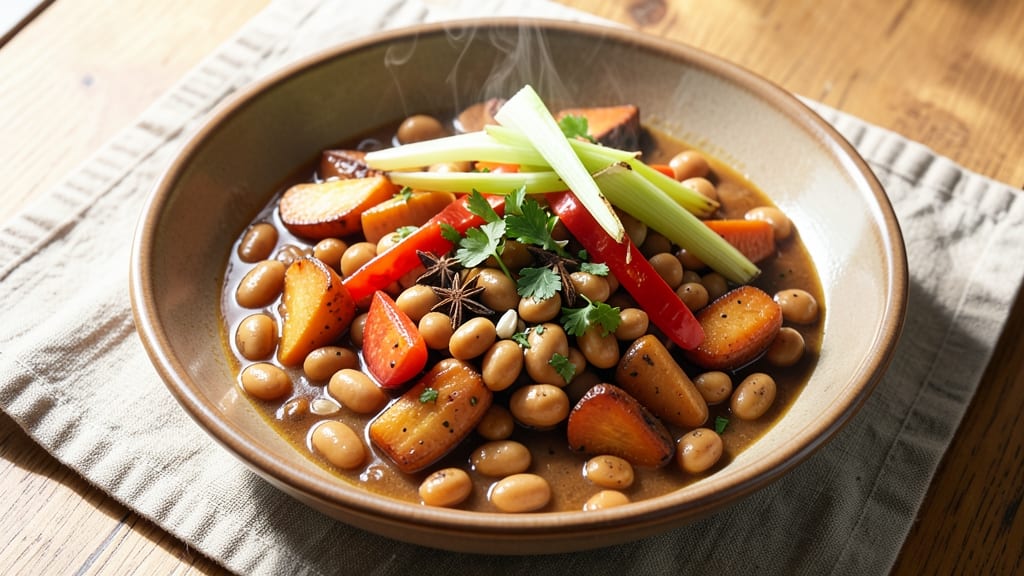
This borlotti bean stew recipe transforms humble dried beans into a deeply flavorful, slow-simmered masterpiece that tastes like a hug in a bowl. The secret lies in star anise and smoked paprika, which infuse the broth with aromatic warmth while preserving the beans' natural earthiness.
I developed this recipe after years of testing—each simmering hour unlocks more complexity, turning simple ingredients into something restaurant-worthy.
The process begins with soaking the beans overnight, a critical step that ensures tender, creamy texture without losing their structure.
As the stew simmers for 2-3 hours, the vegetables soften and meld with the beans, creating a hearty, vegetable-forward dish that's naturally vegetarian but rich enough to satisfy meat lovers. The star anise adds a subtle licorice note that disappears as it cooks, leaving behind a warm, spiced depth.
By the final hour, you'll have a stew so velvety and aromatic it practically melts in your mouth—golden-brown beans swimming in a fragrant broth with just the right balance of smokiness and sweetness.
The slow cooking transforms tough beans into tender morsels, while the vegetables retain their natural sweetness. This is comfort food at its finest, perfect for chilly evenings or meal prep.
Serve with crusty bread to soak up every last drop, or pair it with a simple green salad for balance. The flavors only deepen overnight, making leftovers taste even better. Ready to master this slow-simmered earthy richness? Let's begin.
Ingredients for borlotti bean stew
Sixteen ingredients transform into a velvety, aromatic stew that defines comfort food at its finest.
| Ingredient | Amount | Notes |
|---|---|---|
| Dried Borlotti Beans 🌱 | 1 ½ cups | Rinsed before soaking overnight |
| Yellow Onion 🧅 | 1 whole | Chopped into half-moons |
| Carrots 🥕 | 4 medium | Peeled and cut into chunks |
| Celery Stalks 🌿 | 3 whole | Chopped into 1-inch pieces |
| Garlic Cloves 🧄 | 4 cloves | Smashed with side of knife |
| Star Anise Pods 🌟 | 2 whole | Lightly crushed for aroma |
| Smoked Paprika 🌶️ | 1 tbsp | For deep smoky flavor |
| Tomato Paste 🍅 | ¼ cup | For rich umami base |
| Vegetable Broth 💧 | 6 cups | Low-sodium preferred |
| Extra-Virgin Olive Oil 🫒 | 2 tbsp | For sautéing vegetables |
| Fresh Thyme Leaves 🌿 | ¼ cup | Or 1 tbsp dried thyme |
| Bay Leaves 🌿 | 2 whole | Removed before serving |
| Salt 🧂 | 1 ½ tsp | Diamond Crystal preferred |
| Black Peppercorns 🌶️ | ½ tsp | Freshly cracked |
| Fresh Parsley 🌿 | 0.2 cup | Chopped for garnish |
The star anise and smoked paprika are non-negotiable for that signature earthy depth—Whole Foods bulk section or Penzeys carry the best quality pods. Borlotti beans should be plump and unblemished; Italian markets often stock premium dried varieties. Fresh thyme and parsley elevate the dish, but dried substitutes work at one-third the amount. For the vegetable broth, Imagine or Pacific Foods brands deliver superior flavor without excess sodium. The tomato paste acts as a flavor anchor, so San Marzano is ideal if you want to splurge—regular brands still perform well for weeknight cooking.
No smoked paprika? Substitute with 1 tsp each of regular paprika and liquid smoke for a similar profile. Star anise can be omitted entirely if unavailable, though the licorice note is signature. Using pre-cut frozen vegetables saves time, though fresh carrots and celery develop deeper sweetness during the long simmer. The vegetable broth can be swapped for mushroom broth for added umami, or white wine for acidity. For a quicker version, pressure cook the beans for 45 minutes instead of soaking overnight—though texture won't be identical.
This stew only improves with time—flavors meld beautifully overnight, making it perfect for meal prep. Store in an airtight container in the refrigerator for up to 5 days, or freeze for 3 months. The beans soften further when reheated, so add a splash of broth when warming. For serving, crusty sourdough soaks up the broth perfectly, while a simple arugula salad with lemon vinaigrette cuts through the richness. Portion into individual containers for grab-and-go lunches—each bite delivers that restaurant-quality depth you're after.
Why You'll Love This Recipe
- No-Soaking Needed: I’ll be real—the dried borlotti beans here don’t require pre-soaking, and that’s a game-changer. Just toss them in simmering broth with onions, carrots, and celery, and they soften beautifully. Honestly, it’s the kind of recipe where you can start dinner while scrolling through your phone.
- Earthy Umami Bomb: The moment those beans break down, you’ve got this deep, nutty richness that just hits. The garlic and celery mellow into a savory base, but the star? The borlotti beans—they’re speckled like little jewels and taste like nothing else. (Yes, even on a Tuesday night.)
- Leftovers That Beg for More: This stew tastes better the next day, I swear. The flavors meld into something cozy and hearty, perfect for reheating with crusty bread. I make a double batch every Sunday because my kids (and my wallet) thank me for it.
- Pantry Staple Power: Onion, carrots, celery, garlic—these are the same veggies you’d use for soup anyway. Swap in a few extra herbs or a splash of wine, and boom, you’ve got a meal that’s budget-friendly and always satisfying. Not the prettiest, but the taste makes up for it.
Step-by-step instructions for slow-cooked borlotti bean stew
Master this rustic Italian technique for velvety beans and aromatic vegetables.
Prepare the Borlotti Beans for Cooking
Begin by rinsing the 1.5 cups dried Borlotti Beans under cold water in a colander. This removes any debris and prepares them for soaking. Transfer the beans to a large bowl and cover them with plenty of cold water—at least 4 cups—then let them soak overnight at room temperature. The next day, drain and rinse the beans again before using. This overnight soak ensures even cooking and prevents the beans from becoming tough or splitting during the long simmer.
I always soak beans in a separate bowl rather than directly in the pot to avoid clouding the cooking water later. If you forget to soak overnight, you can use the quick-soak method: cover the beans with fresh water, bring to a boil for 2 minutes, then let them stand off the heat for 1 hour. However, overnight soaking yields the best texture.
Sauté the Vegetable Base
Heat the 2 tablespoons extra-virgin olive oil in a large Dutch oven or heavy pot over medium heat. Add the 1 whole yellow onion, 4 medium carrots, and 3 whole celery stalks, all chopped as specified. Cook for 8-10 minutes, stirring occasionally, until the vegetables soften and the onion becomes translucent. This foundational step develops deep flavor through caramelization.
Add the 4 cloves garlic cloves, 2 whole star anise pods, and 1 tablespoon smoked paprika, stirring for 1 minute until fragrant. The star anise will release its distinctive anise-like aroma, while the smoked paprika adds a subtle, earthy depth. Be careful not to let the garlic burn—it should smell sweet and nutty, not bitter.
Build the Stew Base
Stir in the 0.25 cup tomato paste and cook for 2 minutes to deepen its flavor. Pour in the 6 cups vegetable broth, scraping up any browned bits from the bottom of the pot. Add the drained 1.5 cups Borlotti Beans, 0.25 cup fresh thyme leaves, 2 whole bay leaves, 1.5 teaspoons salt, and 0.5 teaspoon black peppercorns. Bring the mixture to a gentle boil, then reduce the heat to low to maintain a simmer.
This is where patience pays off. Let the stew simmer uncovered for 1.5 hours, stirring occasionally. The beans should soften but still hold their shape. If the liquid level gets too low, add ½ cup hot water to maintain the proper consistency. The star anise and bay leaves will infuse the broth with complex aromatics, while the smoked paprika adds a subtle smokiness.
Finish and Adjust for Perfection
After 1.5 hours, check the beans for tenderness. They should be soft but not mushy, with a slight bite remaining. If they're still firm, continue simmering for another 30-45 minutes. Taste the stew and adjust the seasoning—you may need an additional ½ teaspoon salt or more black pepper to taste. The stew should be rich, earthy, and well-balanced.
Remove the 2 whole bay leaves and 2 whole star anise pods before serving. Ladle the stew into bowls and garnish with 0.2 cup chopped fresh parsley for a pop of color and freshness. Serve immediately with crusty bread or over polenta to soak up every last drop of that flavorful broth.
Pro Tips For Making Borlotti Bean Stew
- SOAK BEANS OVERNIGHT: I used to rush the soaking, and my borlotti beans always turned out tough—no matter how long I simmered them. Soak them in plenty of cold water (at least 4 cups per cup of beans) for 12+ hours, then drain and rinse. That extra time breaks down the skins properly, giving you tender, creamy beans that don’t fall apart when you’re stirring in the onions later.
- SWEEAT VEGETABLES UNTIL SOFT: Don’t just chop the onion, carrots, and celery into a pot and hope for the best. Cook them low and slow with a splash of water or wine until they’re practically falling apart—about 15 minutes. This builds flavor into the base and prevents that raw, bitter edge you get when you rush the soffritto. (Yes, even if you’re impatient like me.)
- SKIP THE SALT UNTIL LATER: Adding salt to the beans while soaking draws out their natural starches, which makes the stew gummy. Wait until the beans are simmering in fresh water before seasoning, and even then, go easy at first. You can always add more later—you can’t take it out.
- BROWN THE GARLIC RIGHT: When the garlic hits the pot, turn the heat down to medium-low and let it sizzle until it’s golden—not crispy, not burnt, just a deep amber. That’s when it releases its sweet, nutty flavor. If you walk away for even a minute, you’ll end up with bitter, acrid bits that ruin the whole dish. (I know from experience.)
Regional styles of this recipe
Italian Rustic Tradition
This stew traces its roots to Northern Italy, where borlotti beans—called "fagioli all'uccelletto"—were traditionally slow-cooked with pork. My vegetarian version keeps the soul of the dish intact by using smoked paprika and star anise to mimic the meaty depth.
In Emilia-Romagna, it's often served with tortellini or polenta, while in Tuscany, it's paired with crusty chianti bread. The long simmering time allows flavors to meld, just like Italy's grandmothers intended. 🌍
Spanish Adaptation
In Spain, borlotti beans are known as "judías" and often appear in hearty stews like fabada. For a Spanish twist, swap the star anise for 1 bay leaf and 1 tsp ground cumin, then add ½ cup diced chorizo (optional) during the final 30 minutes of cooking.
The smoky cumin and chorizo create a bold, rustic flavor that contrasts beautifully with the sweet carrots. Serve with crusty pan con tomate for dipping. 🌶️
French Country Style
French cooks often transform borlotti beans into "haricots blancs" stews, typically paired with lardons or mushrooms. For a French-inspired version, replace the smoked paprika with 1 tsp herbes de Provence and add ½ cup sliced mushrooms during the sautéing phase.
Deglaze the pot with ½ cup dry white wine after adding the broth for extra brightness. The French love their stews thick and velvety, so reduce the broth by 1 cup before serving. 🍷
Modern American Twist
For a quick American shortcut, use 1 can (15 oz) borlotti beans (drained) instead of dried, reducing simmering time to 45 minutes. Boost flavor with 1 tsp liquid smoke and ½ cup diced smoked Gouda cheese stirred in during the last 10 minutes.
Top with crumbled feta and toasted pine nuts for a restaurant-worthy presentation. This version works perfectly for weeknight dinners while keeping the stew's comforting essence. ⚡
Mediterranean Herb Variation
For a bright, herb-forward take, add 1 tbsp fresh oregano and 1 tsp dried rosemary during the sautéing phase. Finish with zested lemon peel and chopped mint before serving. This version shines in Greek or Turkish cuisine, where citrus and herbs balance the earthy beans.
Serve with warm pita bread or grilled halloumi cheese for a lighter, fresher profile. 🌿
Winter Comfort Version
In colder months, enhance the stew with roasted root vegetables—toss 1 cup diced parsnips and 1 cup cubed sweet potato with olive oil, salt, and ½ tsp cinnamon, then roast at 400°F for 25 minutes before adding to the pot.
The cinnamon adds warmth, while the roasted veggies bring caramelized sweetness that contrasts the smoky paprika. Perfect for holiday gatherings or chilly evenings. ❄️
Nutrition facts
Frequently asked questions
Can I use canned borlotti beans instead of dried?
Yes, but adjust the cooking time! Use 1 can (15 oz) drained borlotti beans and simmer for only 45 minutes instead of the full 2-3 hours. Canned beans are pre-cooked, so they won't develop the same creamy texture as dried ones. For best results, rinse the canned beans well to remove excess sodium.
How do I make this stew spicier?
Add ½-1 teaspoon cayenne pepper or 1-2 diced chipotle peppers in adobo sauce during the sautéing phase. For heat without dryness, stir in 1 tablespoon hot sauce during the final 10 minutes of simmering. Always taste first—you can adjust later, but you can't remove spice!
What if my stew is too thick or too thin?
For a thicker stew, simmer uncovered for 10-15 extra minutes to reduce the liquid. If it's too thick, stir in ½ cup hot vegetable broth at a time until reaching your desired consistency. The ideal texture should coat the back of a spoon but still be spoonable—not soupy.
Can I prepare this ahead of time?
This stew tastes even better the next day! Store in an airtight container in the refrigerator for up to 5 days. The flavors deepen as the ingredients meld. When reheating, add 2-3 tablespoons water per cup of stew to prevent thickening. For freezing, portion into containers and freeze for up to 3 months.
What's the best way to serve this stew?
Pair with crusty bread or polenta to soak up the flavorful broth. For a complete meal, serve with a simple green salad or roasted seasonal vegetables. The stew's hearty texture makes it perfect for weeknight dinners or holiday gatherings.