
Sauces & Condiments
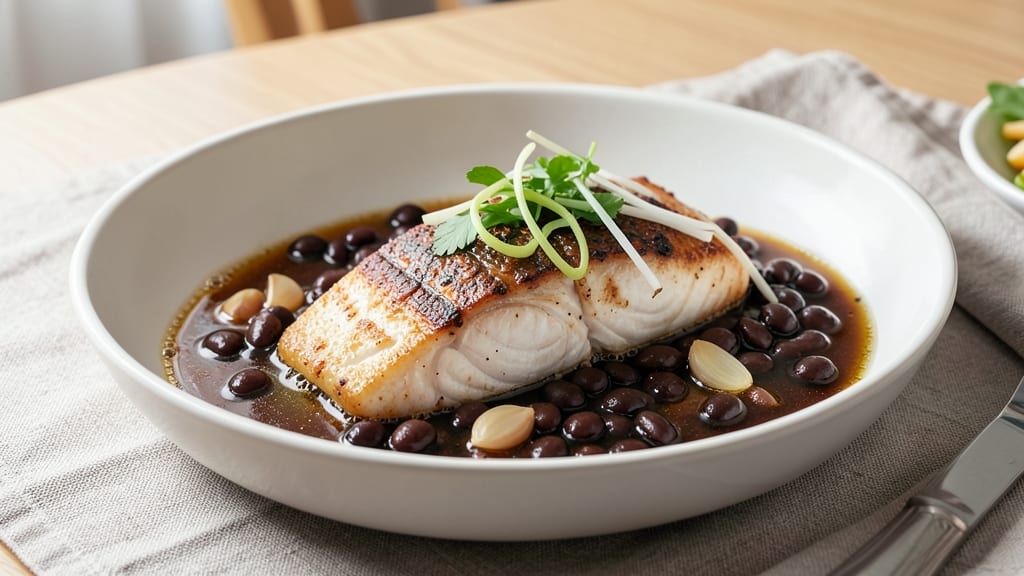
This braised fish with black bean sauce transforms simple ingredients into a restaurant-worthy dish where tender, flaky fish melts into a velvety sauce infused with umami-rich black beans.
The secret lies in slow simmering—just 20 minutes of gentle heat—allowing the fish to absorb the deep, savory flavors while the sauce thickens into a luxurious consistency. I developed this recipe after years of experimenting with one-pot braising techniques, and it never fails to impress.
What sets this dish apart is the balance of textures and flavors: the delicate flakiness of the fish contrasts beautifully with the hearty black beans and aromatic herbs, while the sauce delivers layers of tangy, smoky, and slightly sweet notes.
The process is straightforward but requires patience—no rushing, no shortcuts—just time to let the flavors meld together perfectly. By the end, you'll have a dish that's rich yet light, comforting yet elegant, with every bite offering a harmonious blend of tender fish and silky sauce.
The aroma alone will have everyone anticipating dinner, and the leftovers reheat beautifully, making it perfect for meal prep or entertaining. Serve over steamed rice or with crusty bread to soak up every last drop of that luxurious sauce. Here's how to make it.
Ingredients for braised fish with black bean sauce
Simple ingredients that transform into a luxurious braise with tender fish and velvety black bean sauce.
| Ingredient | Amount | Notes |
|---|---|---|
| White Fish Fillets 🐟 | 1 ½ lb | Firm white fish like cod or halibut |
| Black Beans 🫘 | 1 ½ cups | Cooked, drained, or canned |
| Fish Stock 💧 | 1 ½ cups | Homemade or quality store-bought |
| Dry White Wine 🍷 | ½ cup | Sauvignon Blanc or Pinot Grigio |
| Garlic Cloves 🧄 | 4 cloves | Minced for aromatic depth |
| Fresh Ginger 🌿 | 1 tbsp | Finely grated, fresh preferred |
| Soy Sauce 🍶 | 2 tbsp | Light or all-purpose |
| Honey 🍯 | 1 tbsp | For subtle sweetness |
| Sesame Oil 🫒 | 1 tsp | Toasted for nutty aroma |
| Cornstarch 🌾 | 1 tbsp | For sauce thickening |
| Green Onions 🧅 | ¼ cup | Sliced, for garnish |
| Fresh Cilantro 🌿 | ¼ cup | Chopped, for garnish |
| Sea Salt 🧂 | 1 tsp | Adjust to taste |
| Black Pepper 🌶️ | ½ tsp | Freshly ground |
| Vegetable Oil 🫒 | 1 tbsp | For searing fish |
The fish is the star here—cod or halibut hold up beautifully to the long braise, staying flaky without falling apart. Look for fillets with firm texture and minimal bones at Whole Foods or your local seafood counter. If you can't find fresh, frozen works fine—just thaw overnight in the fridge. The black beans should be plump and firm, not mushy. Canned beans are convenient, but rinsing them first removes excess sodium. For the stock, homemade is ideal, but Pacific Foods or Knight's brands are reliable store-bought options that add depth without overpowering the dish.
No white wine? Dry vermouth or apple juice works in a pinch, though the acidity will differ slightly. Fresh ginger loses potency fast, so buy it in small amounts and grate it fresh—it makes a huge difference. The soy sauce can be swapped for coconut aminos if you're avoiding sodium, but reduce the honey slightly to balance flavors. For extra richness, add a splash of oyster sauce (about 1 tbsp). If you're short on cornstarch, arrowroot powder works just as well for thickening. The green onions and cilantro are purely for garnish, but if you're out, basil or chives add a nice contrast.
This dish tastes even better the next day as the flavors meld further. Store leftovers in an airtight container in the fridge for up to 4 days, or freeze for 3 months in portion-sized containers. The sauce thickens as it cools, so add a splash of water or stock when reheating. For meal prep, double the recipe and freeze half—just thaw overnight before reheating. Serve over jasmine rice or with crusty sourdough to soak up every bit of that luxurious sauce.
Why You'll Love This Recipe
- One-Pan Magic: I swear by this recipe when I’m too tired to wash extra dishes. The fish simmers right in the sauce—no separate skillet, no fuss—just dump, stir, and let it work its flavor. That’s 10 minutes less cleanup, and honestly, who has energy for more?
- Umami Bomb: Between the black beans, fish stock, and white wine, every bite packs a punch. The garlic cloves caramelize just enough to add depth without overpowering, and the sauce clings to the fish like a cozy hug. It’s the kind of dish that makes you reach for seconds without thinking.
- Weeknight to Dinner Party: This recipe feels equally at home on a Tuesday night as it does when I’m hosting. For weeknights, it’s my go-to when I need something hearty but not heavy. For guests? The rich sauce and tender fish make it feel special—no one guesses it’s this unfussy.
- Leftovers That Don’t Suck: I make double batches because the sauce only gets better the next day. The fish stays moist, the flavors meld, and reheating takes two minutes. Plus, it’s budget-friendly—fish fillets stretch further when braised, and black beans add protein without breaking the bank. Win-win.
Step-by-step instructions for braised fish with black bean sauce
Here's how to achieve tender fish and velvety sauce in one flavorful pot.
Sear the Fish Fillets for Maximum Flavor
Heat the 1 tablespoon vegetable oil in a large, deep skillet over medium-high heat until shimmering. Pat the 1.5 lb white fish fillets completely dry with paper towels—this ensures a perfect sear. Season both sides generously with 1 teaspoon sea salt and 0.5 teaspoon black pepper.
Place the fish fillets in the hot skillet, skin-side down if applicable, and cook undisturbed for 2-3 minutes until the bottoms develop a golden-brown crust. Flip carefully and sear the other side for another 1-2 minutes until just opaque in the center. Remove the fish and set aside on a plate, leaving the rendered oil in the pan—this is where all the flavor will develop.
Build the Aromatic Base for Rich Sauce
In the same skillet, reduce heat to medium and add the 4 cloves minced garlic cloves and 1 tablespoon finely grated fresh ginger. Sauté for 30-45 seconds until fragrant but not browned—ginger burns quickly, so keep an eye on it. Add the 1.5 cups black beans and stir to combine, letting them warm through for 1 minute.
Pour in the 0.5 cup dry white wine and scrape up any browned bits from the bottom of the pan with a wooden spoon. This deglazing step captures all the caramelized flavor from the seared fish. Let the wine simmer for 2-3 minutes until reduced by half, then stir in the 1.5 cups fish stock and 2 tablespoons soy sauce. Bring to a gentle simmer.
Braise the Fish Until Fork-Tender
Return the seared fish fillets to the skillet, spooning the sauce over them to partially submerge. The fish should be skin-side up if you started with skin-on fillets. Partially cover the skillet and simmer gently for 8-10 minutes until the fish is just opaque throughout and flakes easily with a fork. Be careful not to overcook—white fish becomes rubbery quickly once it reaches 145°F internal temperature.
While the fish braises, stir in the 1 tablespoon honey and 1 teaspoon sesame oil to sweeten and add depth to the sauce. Taste and adjust seasoning with additional soy sauce or sea salt if needed. The sauce should be rich but not overly salty—balance is key.
Thicken the Sauce and Finish
In a small bowl, whisk together the 1 tablespoon cornstarch with 2 tablespoons cold water to create a smooth slurry. Slowly pour this mixture into the simmering sauce while stirring constantly. The sauce will thicken immediately—simmer for another 1-2 minutes until it reaches your desired consistency, which should coat the back of a spoon but still be silky rather than gluey.
Gently remove the fish fillets and transfer them to a serving platter. Spoon the thickened sauce over the fish, then garnish with the 0.25 cup sliced green onions and 0.25 cup chopped fresh cilantro. Serve immediately with steamed rice or crusty bread to soak up every last bit of that luxurious sauce.
Pro Tips For Making Braised Fish With Black Bean Sauce
- SEAR THE FISH FIRST: Hit the fish with a quick sear in oil—just 2-3 minutes per side—before adding anything else. This locks in moisture and builds flavor; I used to skip it, and the sauce always tasted flat by comparison. (Yes, even if you’re impatient like me.)
- SOAK BEANS 2 HOURS: Drain and rinse those black beans, then let them soak in warm water for at least 2 hours. My grandmother swore by this, and she was right: they’ll soften evenly and blend into the sauce without turning to mush. (Pro tip: skip this, and you’ll be straining pulp later.)
- LOW AND SLOW AFTER 10 MINUTES: Once the wine and stock come to a simmer, drop the heat to actual low—think tiny bubbles, not rolling. After 10 minutes, the fish is done; if you keep it hot, the sauce will curdle and the fish will dry out. (I learned this the hard way with rubbery cod.)
- UPGRADE WITH A SPLASH OF SOY: Add 1 tablespoon of light soy sauce with the garlic and beans. It cuts the bitterness of the beans and deepens the umami—no one will guess it’s there, but the sauce will taste richer. (I was skeptical until I tried it.)
Common mistakes when making this dish
Overcooking the Fish
White fish turns rubbery fast once it hits 145°F internal temperature, so resist the urge to peek or prod it while braising. I’ve ruined perfectly good fillets by checking every 2 minutes—the gentle simmer at low heat is doing all the work.
Once the fish flakes easily with a fork (usually 8-10 minutes total), it’s done. Overcooking by even 1-2 minutes will make it dry and unappetizing. 🌡️
Skipping the Sear
That quick sear isn’t just about color—it builds flavor depth by creating a crust that infuses into the sauce. If you skip it, your dish will taste flat and one-dimensional.
Use a 12-inch cast-iron skillet** (like Lodge) for even heat distribution, and don’t crowd the pan—give the fish space to develop that golden crust. 🔥
Ignoring the Wine Reduction
The wine isn’t just a flavor booster—it’s a flavor concentrator. Letting it reduce by half (2-3 minutes of simmering) intensifies its aromatic compounds, which form the base of your sauce.
Skipping this step means a thinner, less complex sauce. If you’re in a hurry, reduce it longer over medium-high heat instead of low.
Using Starchy Fish
Firm white fish like cod or halibut work perfectly, but delicate varieties like tilapia or sole will fall apart during braising. The sauce needs something sturdy to hold its shape while absorbing flavors.
If you’re using a softer fish, reduce the braising time to 6-8 minutes and handle it gently when transferring. 🐟
Over-Thickening the Sauce
Cornstarch is your friend, but too much turns the sauce gluey. Whisk that 1 tbsp cornstarch slurry into the simmering sauce gradually while stirring constantly—it thickens instantly. If it gets too thick, add 1-2 tbsp warm water to loosen it.
The goal is a sauce that coats the back of a spoon but still flows silky over the fish.
Neglecting the Aromatics
Garlic and ginger are the soul of this dish—don’t rush them! Sautéing them for 30-45 seconds** until fragrant (but not browned) releases their essential oils. Overcooking turns ginger bitter and garlic harsh. If you burn them, start fresh—the difference in flavor is night and day. 🌿
Nutrition facts
Frequently asked questions
Can I use canned black beans for this recipe?
Yes! Canned black beans work perfectly—just drain and rinse them well to remove excess sodium. For the best texture, use beans that are still firm but not mushy. If you're short on time, this is a great shortcut that won't affect the final dish.
What type of white fish works best for braising?
Firm white fish like cod, halibut, or mahi-mahi hold up beautifully to the long braise. Avoid delicate fish like tilapia or sole, which can fall apart. Look for fillets with a firm texture and minimal bones—they'll stay tender while absorbing all that rich sauce.
How do I adjust the recipe for a thicker sauce?
Simmer the sauce uncovered for an extra 2-3 minutes to reduce it naturally. If you need more body, whisk 1 tsp cornstarch with 1 tbsp water and stir it in gradually. For a glossy finish, add 1 tsp sesame oil at the end—just don't overdo it, or the sauce may separate.
Can I make this dish ahead of time?
The flavors actually improve overnight. Store leftovers in an airtight container in the fridge for up to 4 days. When reheating, add a splash of water or stock to loosen the sauce. For freezing, portion the dish and freeze for up to 3 months—thaw overnight before serving.
What if I don't have white wine?
No problem! Use dry vermouth, apple juice, or even extra fish stock (reduce it longer to concentrate the flavor). If using juice, add ½ tsp lemon juice to balance sweetness. The key is acidity—just ensure your substitute can carry the same depth.