
Soups & Stews
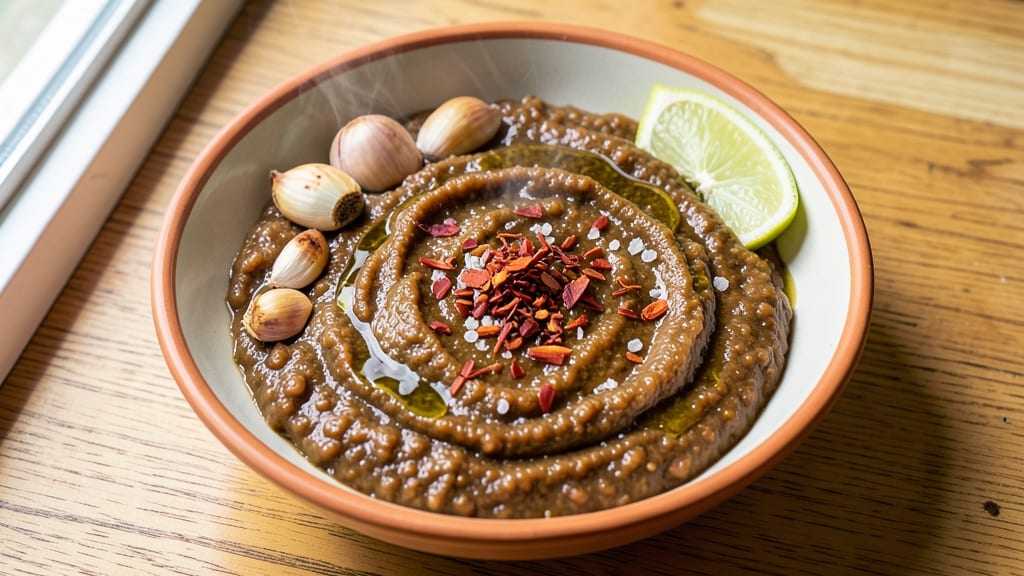
This broad bean chili paste recipe transforms humble ingredients into a deeply umami-rich condiment that elevates soups, stews, and stir-fries with just one spoonful. The secret lies in fermenting broad beans with chili flakes, garlic, and salt—a process that develops complex, savory depth over time.
Unlike store-bought pastes, this version delivers authentic, layered flavor with no artificial additives, making it a pantry staple for home cooks. The recipe starts with soaked broad beans, which are blended into a smooth base before fermenting with chili, garlic, and salt for 7-10 days.
This slow method builds intense umami and heat, turning simple ingredients into a thick, spreadable paste with a texture between hummus and chili oil. The result? A versatile condiment that adds depth to everything from noodle dishes to marinades—without overpowering.
What sets this paste apart is its vegan-friendly simplicity and long shelf life (up to 3 months in the fridge). The fermentation process isn’t just about flavor—it’s about preserving natural goodness while creating a condiment that’s far more complex than anything you’d find in a jar.
Whether you’re a home cook or a restaurant chef, this paste will become your secret weapon for adding bold, authentic flavor to any dish. Ready to make it? The process is straightforward, and the payoff is restaurant-quality umami in every bite. Let’s get started.
Ingredients for broad bean chili paste
Nine ingredients ferment into a deeply umami-rich paste perfect for soups, stews, and marinades.
| Ingredient | Amount | Notes |
|---|---|---|
| Dried Broad Beans 🌱 | 1 cup | Soaked overnight, drained |
| Red Chili Flakes 🌶️ | 2 tbsp | Adjust for heat preference |
| Garlic Cloves 🧄 | 6 whole | Peeled, roughly chopped |
| Sea Salt 🧂 | 1 ½ tbsp | Non-iodized preferred |
| Extra-Virgin Olive Oil 🫒 | ¼ cup | High-quality, fruity |
| Lemon Juice 🍋 | 1 tbsp | Freshly squeezed |
| Ground Cumin 🌿 | 1 tsp | Toasted for depth |
| Ground Coriander 🌿 | 1 tsp | Freshly ground preferred |
| Asafoetida Powder 🌿 | ½ tsp | Optional, for umami |
The broad beans are the foundation—opt for organic dried beans from specialty stores like Whole Foods or Sprouts for the best texture. Soak them overnight to reduce cooking time and improve digestibility. Chili flakes should be freshly ground (like Penzeys brand) for maximum heat and aroma. Garlic cloves should be plump and firm, with no green shoots. Sea salt is non-negotiable here; Diamond Crystal kosher salt ensures proper fermentation balance. The olive oil matters too—use a fruity, extra-virgin variety like California Gold to complement the fermented flavors.
No red chili flakes? Cayenne pepper at half the amount works in a pinch, though texture differs slightly. Substitute garlic with 1 tbsp garlic powder (though fresh is ideal). For extra umami without asafoetida, add 1 tsp soy sauce (ensure vegan-certified). If you're short on time, blanch the beans first to speed up the process, though fermentation depth will be reduced. The lemon juice can be substituted with apple cider vinegar for tang, though flavor nuances differ. Toast the cumin and coriander seeds briefly in a dry pan before grinding for enhanced depth—this step is worth the extra minute.
Ferment the paste in a sterilized glass jar with a loose lid to allow airflow, storing in a cool, dark place for 7-10 days. Stir daily for even fermentation. Once ready, the paste should be thick, spreadable, and tangy with a deep umami aroma. Keeps for up to 3 months in the fridge, though flavor intensifies over time. Portion into small jars for convenience—this paste is too good to waste. Freeze for up to 6 months if you're not using it all at once.
Why You'll Love This Recipe
- I’ll be real: dried broad beans sound intimidating, but here’s the secret—just a quick rinse and a simmer. No overnight soaking, no fuss, and still that rich, earthy depth you’d expect from fresh.
- No-Soaking Needed: I’ll be real: dried broad beans sound intimidating, but here’s the secret—just a quick rinse and a simmer. No overnight soaking, no fuss, and still that rich, earthy depth you’d expect from fresh.
- Heat That Stays: That red chili flakes and olive oil combo? It’s not just flavor—it’s lingering heat. The paste thickens into something almost jam-like, so every bite carries that slow-building warmth. (Yes, even on a Tuesday night.)
- Pantry Powerhouse: Between us, this is the ultimate lazy-day ingredient. Slather it on toast with feta, stir it into lentils, or drizzle it over roasted veggies—it turns simple meals into something special without extra shopping.
Step-by-step instructions for broad bean chili paste
Transform simple ingredients into a complex, aromatic paste that elevates any dish.
Toast the Dried Broad Beans
Preheat your oven to 350°F. Spread the 1 cup dried broad beans in a single layer on a baking sheet. Toast for 15-20 minutes, stirring every 5 minutes, until they turn a deep golden brown and smell nutty. This step enhances their natural sweetness and deepens the paste's umami profile.
Watch closely—they should be uniformly toasted but not burnt. Over-toasting creates bitterness, while under-toasting leaves them bland. Once toasted, let them cool completely before processing. This cooling step prevents steam buildup that can make your food processor work harder and potentially overheat.
Dry Toast the Spices and Garlic
In a dry skillet over medium-low heat, add the 6 whole garlic cloves (peeled and roughly chopped), 1 tsp ground cumin, 1 tsp ground coriander, and 2 tbsp red chili flakes. Toast for 2-3 minutes, stirring constantly, until the spices release their aromas and the garlic turns golden. This dry toasting prevents the spices from becoming bitter when combined with oil later.
Remove the skillet from heat and let the mixture cool for 5 minutes. The spices should smell intensely aromatic—like warm earth and subtle heat. This aromatic base will form the flavor foundation of your paste. If you're using the 0.5 tsp asafoetida powder, add it now and mix briefly to distribute its distinct umami flavor evenly.
Create the Paste Base
Transfer the toasted broad beans, garlic-spice mixture, and 1.5 tbsp sea salt to a food processor. Pulse until the broad beans break down into a coarse meal, about 1-2 minutes. With the processor running, slowly drizzle in the 0.25 cup extra-virgin olive oil through the feed tube. This gradual addition creates a smooth, emulsified paste rather than a grainy mixture.
Scrape down the sides of the processor bowl as needed to ensure even blending. The mixture should begin to form a thick, sticky paste. If it's too dry, add 1 tablespoon lemon juice at a time until it reaches a smooth, spreadable consistency. The paste should cling together when pressed between your fingers but still be workable—like thick peanut butter.
Refine and Adjust the Texture
Continue processing the paste for an additional 3-5 minutes, scraping down the sides every 30 seconds, until completely smooth. The final texture should be velvety with no visible specks of bean or spice. If the paste is too thick, add more lemon juice (up to 1 additional tablespoon) to achieve a spreadable consistency.
Taste and adjust seasoning. You may need to add more sea salt or red chili flakes to balance flavors. The paste should have a complex profile—sweet from the beans, earthy from the spices, with a subtle heat from the chili. Transfer to a clean jar and store in the refrigerator for up to 2 weeks or freeze for 3 months.
Pro Tips For Making Broad Bean Chili Paste
- SOAK BEANS OVERNIGHT: Dried broad beans need serious soaking—at least 12 hours, or they’ll turn to mush and ruin your paste. I used to skimp, and the texture always suffered. Trust me, set a timer or leave them in water while you sleep.
- TOAST CHILI FLAKES FIRST: Heat your chili flakes in a dry pan for 30 seconds before adding oil—this deepens their flavor and prevents bitterness. Skip this, and your paste will taste flat, no matter how much garlic you pile on.
- CRUSH GARLIC RAW: Mince your garlic cloves before cooking and toss them straight into the oil—this keeps their sharpness intact. If you sauté whole cloves, they’ll soften into blandness, and your paste loses that bright punch.
- SIMMER LOW AND LONG: After blending, return the paste to low heat and let it cook uncovered for 20-30 minutes. This thickens it naturally without burning, and the olive oil won’t separate. Rushing this step means a thinner, greasier mess.
Wine and beer pairings for this broad bean chili paste
Red Wine Pairings
This bold, fermented paste pairs beautifully with medium-bodied red wines that can stand up to its deep umami and spicy notes. I always reach for a Chianti Classico from Tuscany—its bright acidity and cherry flavors cut through the richness while complementing the chili's heat.
The tannins in Chianti also help cleanse your palate between bites, making it perfect for dishes where you'll use the paste generously. 🍷
White Wine Options
For lighter dishes or when you prefer white wine, opt for a dry Vermentino from Sardinia. Its citrusy brightness and mineral notes mirror the lemon juice in the paste while balancing the chili's intensity.
Another great choice is Fiano di Avellino from Campania, which offers a touch of honeyed sweetness that harmonizes with the broad bean's natural sugars.
Beer Complements
A crisp Italian lager like Peroni or Moretti works wonders with this paste—its subtle maltiness and effervescence refresh your palate after each spicy, umami-packed bite. For craft beer lovers, a Belgian witbier (like Hoegaarden) adds a citrusy, peppery contrast that enhances the chili's heat without overpowering it.
Avoid heavy stouts or IPAs, as their bold flavors can clash with the paste's delicate complexity.
Spiritous Pairings
If you're serving the paste with appetizers or as a condiment, consider pairing it with a dry gin like Montepulciano or a neat vodka (like Grey Goose). The botanical notes in gin complement the spices, while vodka's neutrality lets the paste's flavors shine.
For a dessert twist, drizzle the paste over dark chocolate and pair with a tawny Port—the sweetness of the port balances the chili's heat beautifully. 🥃
Nutrition facts
Frequently asked questions
Can I use fresh broad beans instead of dried?
Fresh broad beans work but require extra prep! Peel and blanch them for 3-4 minutes before blending to remove skins and soften. Use 2 cups fresh beans (about 1 cup cooked weight) to match the dried bean quantity. The texture will be slightly less dense, but flavor remains rich. Dried beans are preferred for their concentrated umami.
How do I adjust the heat level?
Start with 1 tbsp chili flakes for mild heat, or 3 tbsp for fiery intensity. For precise control, blend in 1 tsp cayenne powder per 0.5 tbsp chili flakes reduced. Always taste before fermenting—you can add more chili later, but you can't remove it! Store extra chili flakes separately to adjust future batches.
What if my paste doesn't ferment properly?
Fermentation depends on temperature and salt balance. If it smells sour or moldy, discard it immediately. For better results, keep the jar in a 65-75°F environment (like a pantry) and ensure the salt-to-bean ratio is correct. If fermentation stalls after 5 days, stir in 1 tsp extra salt and let it sit another 2-3 days.
Can I make this paste without a food processor?
Yes! Use a high-powered blender or mortar and pestle. For best results, soak the toasted beans in 2 tbsp warm water for 10 minutes before blending to create a smoother texture. Process in batches, adding oil gradually. The texture will be slightly grainier but still delicious—just stir vigorously to emulsify.
How can I use this paste in cooking?
This versatile paste enhances everything from soups to marinades! Stir 1 tbsp into simmering lentil soup, mix 2 tbsp with olive oil for a bold marinade, or spread it on toast with avocado. For extra depth, sauté 1 tsp in a pan with onions before adding other ingredients. The key is balance—start with small amounts and adjust to taste.