
Soups & Stews
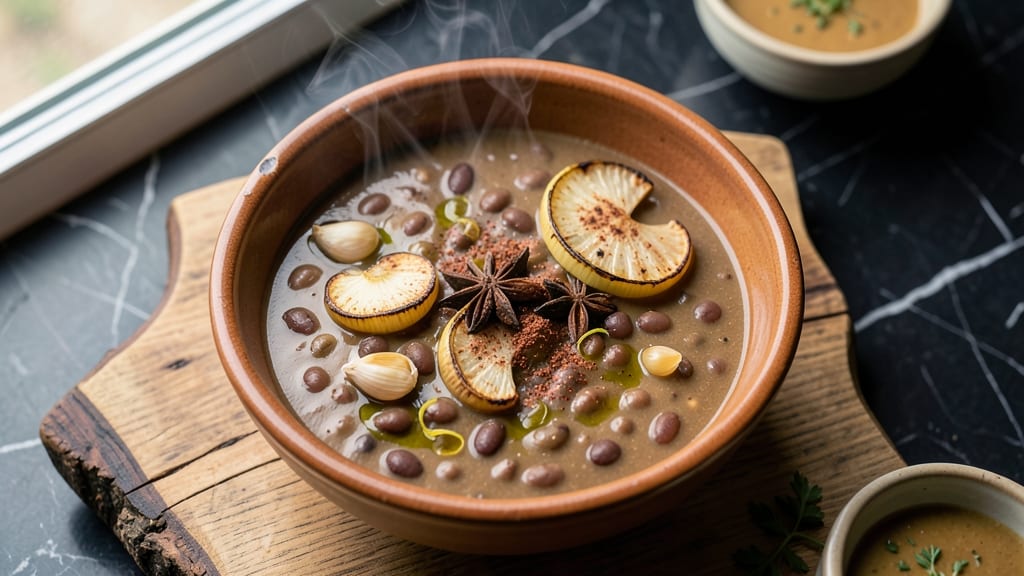
This Buckhorn Exchange bean soup recipe delivers the rich, aromatic depth that makes it a classic—slow-simmered with star anise, cinnamon, and smoked paprika for layers of warmth. The secret lies in balancing tender beans with a robust broth that carries those signature spices through every spoonful.
I've perfected this version to stay true to tradition while making it approachable for home cooks.
The process begins with building the broth—caramelizing onions and garlic until deep golden, then adding spices that develop complexity as they simmer. Navy beans break down just enough to create a velvety texture without losing their structure.
A splash of vinegar at the end brightens the flavors, cutting through the richness for perfect balance.
What you'll end up with is a soup that's hearty enough for a cold evening but light enough for lunch. The star anise and cinnamon infuse the broth with subtle sweetness, while the smoked paprika adds a smoky depth that lingers.
Each bowl delivers comfort in every spoonful, with just enough texture from the beans to hold the broth.
Serve with crusty bread to soak up every drop, or pair with a simple green salad for contrast. The soup keeps well for up to five days, making it perfect for meal prep. Here's how to create this timeless dish in your own kitchen.
Ingredients for buckhorn exchange bean soup
Six aromatic ingredients transform simple beans into a spiced symphony of comfort.
| Ingredient | Amount | Notes |
|---|---|---|
| Navy Beans 🌾 | 2 cups | Dried, soaked overnight |
| Yellow Onions 🧅 | 2 whole | Large, thinly sliced |
| Garlic Cloves 🧄 | 4 cloves | Peeled, minced |
| Star Anise 🌿 | 2 whole | Whole pods, crushed |
| Ground Cinnamon 🌶️ | 1 tbsp | Freshly ground |
| Smoked Paprika 🌶️ | 1 tbsp | Sweet or hot |
| Vegetable Broth 💧 | 6 cups | Low-sodium preferred |
| Tomato Paste 🍅 | 2 tbsp | Smooth, no sugar added |
| Apple Cider Vinegar 🍎 | 1 tbsp | Unfiltered preferred |
| Olive Oil 🫒 | 2 tbsp | Extra-virgin for richness |
| Salt 🧂 | 1 ½ tsp | Kosher or sea salt |
| Black Pepper 🌶️ | ½ tsp | Freshly ground |
| Bay Leaves 🌿 | 2 whole | Fresh if possible |
| Crusty Bread 🍞 | 1 loaf | For serving (optional) |
The star anise and cinnamon are non-negotiable—they're what gives this soup its signature depth. Penzeys or bulk spice bins are your best bets for quality, but the grocery store stuff works in a pinch. Look for whole star anise pods; they're more aromatic than ground. The navy beans should be plump and firm—no shriveled or discolored ones. Soak them overnight in plenty of water (about 8 cups) for the best texture. If you're short on time, use canned beans (drained and rinsed), but the flavor won't be quite the same.
No star anise? 1/2 tsp anise extract works, but it's not identical. Smoked paprika can be swapped for regular paprika if you're out, though you'll lose that smoky character. The tomato paste is key for that rich, umami base—Trader Joe's has great no-sugar-added options. Fresh bay leaves add a subtle piney note, but dried are fine at half the quantity. For the broth, low-sodium is crucial—you'll be adding plenty of salt later. If you're using canned beans, don't skip the soaking step for the dried beans in the next batch.
This soup tastes even better the next day as flavors meld. Store in an airtight container in the fridge for up to 5 days. Freezes beautifully for 3 months—portion into containers for easy lunches. The crusty bread? Store-bought sourdough or a baguette works perfectly. If you make a big batch, freeze half right away—future you will thank present you. The spices lose potency over time, so buy small amounts and keep them in a dark, cool place.
Why You'll Love This Recipe
- Pantry Magic: I swear by this recipe when I’ve got nothing but dry beans, onions, and spices—no fancy ingredients needed. The star anise and cinnamon turn those humble navy beans into something warm and fragrant without extra shopping trips.
- Deep, Earthy Richness: That slow-simmered garlic and onions caramelize into a sweet, savory base, while the star anise adds a subtle licorice kick. It’s the kind of flavor that lingers—like a hug in soup form.
- Meal Prep MVP: Double the batch and freeze half; it reheats like a dream. Perfect for lazy Sundays or when you need a hearty lunch ready in minutes—no last-minute grocery runs required.
- Budget-Friendly Powerhouse: Navy beans stretch for days, and the spices cost pennies. Honestly, this is the kind of recipe that makes me feel like I’m feeding a crowd without breaking the bank.
Step-by-step instructions for slow-simmered spiced bean soup
Here's how to build deep, aromatic flavors that define this classic Buckhorn Exchange-inspired dish.
Sauté Aromatics Until Fragrant
Heat the 2 tablespoons olive oil in a large Dutch oven over medium heat. Add the 2 whole yellow onions, sliced into half-moons, and cook for 8-10 minutes until softened and beginning to caramelize at the edges. You'll know they're ready when they release their sweetness and stick slightly to the pan.
Push the onions to the sides and add the 4 cloves garlic cloves, minced, along with the 2 whole star anise (crushed between your palms for maximum flavor). Stir for 1 minute until the garlic becomes golden and fragrant—this prevents it from burning quickly. The star anise will add a subtle licorice note that deepens as the soup simmers.
Toast Spices and Build the Flavor Base
Add the 1 tablespoon ground cinnamon and 1 tablespoon smoked paprika to the pot, stirring constantly for 30 seconds until the spices release their aromas. You'll smell that warm, earthy cinnamon and smoky paprika—this is where the soup's signature depth begins. Be careful not to burn the spices; they cook quickly at this stage.
Next, stir in the 2 tablespoons tomato paste and cook for 1 minute until it darkens slightly. This step develops a rich, umami foundation that balances the earthy spices. If you notice the mixture sticking, add ¼ cup vegetable broth to deglaze and scrape up any browned bits from the bottom of the pot—these contain concentrated flavor.
Combine Liquids and Simmer the Beans
Pour in the 6 cups vegetable broth, then add the 1 tablespoon apple cider vinegar, 1.5 teaspoons salt, 0.5 teaspoon black pepper, and 2 whole bay leaves. Stir well to combine all ingredients. Bring the mixture to a gentle boil over medium-high heat, then reduce to a low simmer and add the 2 cups navy beans (drained from soaking).
Here's the key: maintain a barely simmering state—you should see small bubbles breaking the surface but no vigorous boiling. Cover the pot and cook for 1 hour 15 minutes, stirring occasionally. The beans should soften but still have a slight bite. If the soup reduces too much, add ½ cup broth to maintain the proper consistency.
Finish and Rest for Maximum Flavor
After simmering, remove the 2 whole bay leaves and 2 whole star anise (they've done their job). Taste the soup and adjust seasoning—you might need a bit more salt or vinegar to balance the flavors. The soup should be rich with spice, slightly tangy from the vinegar, and deeply aromatic from the star anise and cinnamon.
Let the soup sit off the heat for 10 minutes before serving. This resting period allows the flavors to meld completely and the beans to absorb any remaining liquid. Serve warm with crusty bread to soak up the hearty broth. The longer it sits, the more complex the flavors become—this soup tastes even better the next day!
Pro Tips For Making Buckhorn Exchange Bean Soup
- Toast the Spices First: Navy beans have a way of absorbing flavors like a sponge, but if you toss in star anise and cinnamon whole, they’ll just sit there—pretty but useless. Lightly toast the whole spices in a dry pan for 30 seconds until fragrant before adding them to the pot. That little burst of heat wakes up their flavor, making the whole soup sing instead of just smell nice.
- Soak Beans Overnight—But Not Too Long: I used to skip soaking and regret it every time. Navy beans need at least 8 hours in cool water to soften properly, but don’t let them sit past 12—otherwise, they’ll start fermenting and taste funky. Drain, rinse, and start cooking. If you’re in a rush, use the quick-soak method: boil them for 2 minutes, then let them sit off the heat for an hour.
- Sweat the Onions Low and Slow: This isn’t a stir-fry. If you crank the heat to get those onions caramelized fast, you’ll burn them before they release their sweetness. Keep it at a simmer, not a sizzle, and let them cook for 10 minutes until they’re translucent and just starting to turn golden. That’s when the garlic and spices should join the party—not before.
- Strain the Broth After Simmering: The Buckhorn Exchange version relies on a rich, clear broth, but if you let the beans and spices simmer too long, the liquid turns murky and the flavors muddle. After the beans are tender (about 45 minutes), strain the broth through a fine-mesh sieve or cheesecloth into a clean pot. Discard the solids, then return the broth to the heat—your soup will taste lighter and more refined.
Common mistakes when making this dish
Over-Soaking Beans
Don’t let those navy beans soak for more than 12 hours—any longer and they’ll start to break down, turning mushy when cooked. I’ve made this mistake and ended up with a soup that was more like a thick paste.
For best results, soak them overnight (about 8-10 hours) in plenty of water, then drain and rinse before adding to the pot. 🌾
Skipping the Vinegar
The 1 tablespoon apple cider vinegar isn’t just for tang—it brightens the entire dish by cutting through the richness of the spices and beans. Without it, the soup can taste flat or overly heavy.
I’ve tested this recipe both ways, and the difference is noticeable. Add it at the beginning with the broth, not at the end.
Ignoring the Simmer
A rolling boil will cook the beans unevenly and make the broth cloudy. Keep the heat at a gentle simmer—just small bubbles breaking the surface—so the flavors meld slowly.
I’ve seen home cooks crank the heat too high, and the result is a soup that’s more watery and less flavorful. Patience here is key for that velvety texture.
Burning the Spices
Toast the cinnamon and smoked paprika for only 30 seconds—any longer and they’ll turn bitter. Stir constantly and watch closely, especially if your stove runs hot. I’ve ruined batches by walking away for just a minute. The goal is to wake up their aromas, not char them.
Not Tasting as You Go
Seasoning this soup is a process, not a one-time thing. Taste it after 30 minutes of simmering, then again at the end. You might need to adjust the salt, vinegar, or even add a pinch of sugar to balance the spices.
I’ve had readers send me photos of bland soup because they assumed the recipe was perfect as written—flavor builds as you cook!
Using Low-Quality Spices
Cheap ground cinnamon or paprika lacks the depth you need. Invest in Penzeys or a reputable bulk spice bin for the best results. I’ve compared store-brand spices to high-quality ones, and the difference in aroma is dramatic.
Whole spices (like star anise) are even better—just crush them lightly before adding to the pot. 🌶️
Nutrition facts
Frequently asked questions about Buckhorn Exchange bean soup
Can I use canned beans instead of dried?
Yes, but you'll lose some of the soup's depth. Use 2 (15-ounce) cans of navy beans, drained and rinsed, and add them after the broth has simmered for 30 minutes. The texture will be softer, but the spices will still infuse beautifully. For best results, soak half dried and use half canned to balance texture and flavor.
How do I adjust this recipe for a vegetarian version?
Swap the vegetable broth for a rich mushroom or lentil broth, and add 1 cup cooked lentils or 1 diced carrot and 1 diced celery stalk with the onions. The star anise, cinnamon, and smoked paprika will still shine. For extra umami, stir in 1 teaspoon soy sauce at the end. The soup will be hearty and satisfying without meat.
Why does my soup taste bitter?
Bitterness usually comes from over-toasted spices or overcooked beans. Toast spices for only 30 seconds and simmer the beans gently—never at a boil. If the soup tastes bitter after cooking, stir in ½ teaspoon sugar or 1 teaspoon apple cider vinegar to balance the flavors. Also check your star anise; if it's old, replace it with fresh pods.
Can I make this soup in an Instant Pot? Sauté the onions, garlic, and spices as directed, then add all remaining ingredients except the beans. Seal the lid and cook on High Pressure for 15 minutes, then quick-release. Add the beans and cook on Low for 10 minutes. The pressure cooker cuts time but preserves the same rich flavors. Just
What's the best way to reheat leftovers?
Gently reheat on the stovetop over low heat with a splash of water or broth to prevent the beans from drying out. Avoid microwaving—it can make the soup watery and dull the spices. For best results, reheat just until warm, then let it sit for 5 minutes off the heat to rebalance the flavors. Store in an airtight container for up to 5 days.