
Soups & Stews
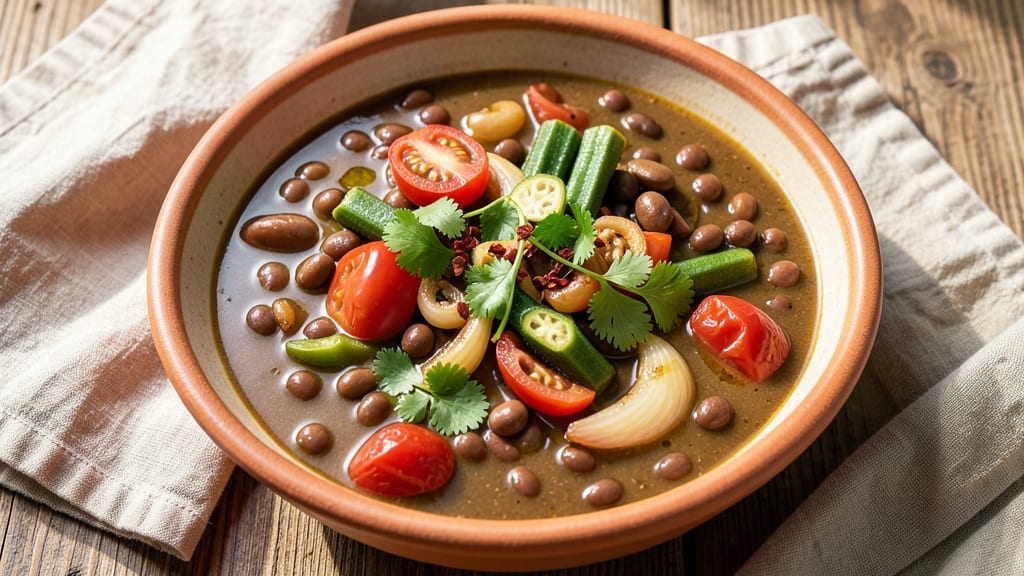
This West African-inspired bean soup brings the rich flavors of tradition to your kitchen with a hearty blend of black-eyed peas, tomatoes, and aromatic spices. The slow simmering process transforms simple ingredients into a deeply flavorful dish that's as comforting as it is nutritious.
I've perfected this recipe to deliver the perfect balance of earthy, spicy, and tangy notes that define West African cuisine.
The beauty of this soup lies in its versatility—it's vegetarian, packed with plant-based protein, and can easily be made vegan by omitting fish stock. The key to its success is the careful layering of spices like thyme, ginger, and curry powder, which infuse the broth with complex flavors.
Okra adds a subtle texture that thickens the soup naturally, while tomatoes provide that signature tangy depth.
What makes this recipe truly special is how it comes together—soaking the beans ensures they're tender yet hold their shape, while sautéing the spices in oil unlocks their full aroma. The result is a soup that's hearty enough to stand alone but pairs beautifully with fufu, rice, or crusty bread.
Each spoonful delivers a symphony of flavors that transport you to the vibrant markets of West Africa.
Perfect for meal prep or serving a crowd, this soup tastes even better the next day as the flavors meld. The instructions are straightforward, ensuring you achieve restaurant-quality results without any fuss. Let's dive into the recipe and bring a taste of West Africa to your table.
Ingredients for african bean soup
These simple, flavor-packed ingredients bring West African markets to your pot.
| Ingredient | Amount | Notes |
|---|---|---|
| Black-Eyed Peas (Dried) 🌱 | 1 ½ cups | Soaked overnight for tenderness |
| Medium Yellow Onions 🧅 | 2 whole | Diced, for aromatic base |
| Fresh Tomatoes 🍅 | 4 whole | Ripe, chopped for tangy depth |
| Fresh Ginger 🧄 | 2 tbsp | Grated, aromatic kick |
| Okra 🌿 | 1 cup | Fresh, sliced for thickening |
| Vegetable Oil 🫒 | ½ cup | For sautéing spices |
| Ground Curry Powder 🌶️ | 2 tbsp | Mild or medium heat |
| Ground Cumin 🌿 | 1 tbsp | Toasted for deeper flavor |
| Fresh Thyme 🌿 | 1 tbsp | Leaves only, chopped |
| Garlic Cloves 🧄 | 4 cloves | Minced for aromatic base |
| Vegetable or Chicken Stock 💧 | 4 cups | Homemade or quality store-bought |
| Salt 🧂 | 1 ½ tsp | Adjust to taste |
| Black Pepper 🌶️ | ½ tsp | Freshly ground |
| Scotch Bonnet Peppers 🌶️ | 1 whole | Seeds removed, chopped (optional heat) |
| Fresh Cilantro 🌿 | ¼ cup | Chopped, for garnish |
The black-eyed peas are the star—dried works best (canned is fine in a pinch), but soaking overnight makes them tender without falling apart. Trader Joe's or Whole Foods usually carry high-quality dried beans, but any grocery store should have them. For the tomatoes, heirloom or Roma add the most flavor, but regular old grocery store tomatoes work too. The ginger and garlic? Fresh is non-negotiable here—they're the soul of the dish. If you can't find fresh ginger, substitute 1 tbsp ground ginger, but it won't be the same. The okra? Fresh is best—frozen works too, but it loses that subtle texture.
No curry powder? Mix 1 tbsp each coriander, turmeric, and fenugreek for a close substitute. Short on thyme? Dried oregano at half the amount gets you close. The scotch bonnet is optional but adds that signature West African heat—jalapeños work in a pinch. For the stock, homemade is ideal, but store-bought vegetable or chicken stock (check for no added msg) works fine. The cilantro is for garnish only, so don't stress if you don't have any—parsley works just as well. And if you're making this vegan, just skip the chicken stock entirely.
This soup tastes even better the next day—flavors meld beautifully when reheated. Keeps for 5-6 days in the fridge, or 3 months frozen. I always double the batch because it's perfect for meal prep. Store in airtight containers, and the okra will keep its texture. If you want to prep ahead, you can even par-cook the beans and freeze them—just add them back in when reheating. The fresh herbs? Add those fresh right before serving, or they'll wilt.
Why You'll Love This Recipe
- No-Soaking Needed: I’ll be real—dried black-eyed peas here are a game-changer. No overnight soaking, no fuss; just toss them in boiling water for 30 minutes, and they’re ready. The okra? Even better—it thickens the soup naturally while you’re chopping onions, so no extra cornstarch or flour to dust your counters.
- Ginger-Tomato Magic: That fresh ginger and tomato combo? It’s the soul of this soup. The ginger hits first with a bright, zesty punch, then the tomatoes mellow it out into this rich, slightly sweet depth. Honestly, the first time I skipped the ginger, I missed it—don’t skip it.
- Leftovers That Shine: This soup tastes better the next day. Between us, the flavors meld into something even more complex—like the okra softens just enough to make the broth velvety, and the beans get that perfect tender-crisp bite. I make a double batch on Sundays and eat it all week, no complaints.
- Budget-Friendly Crowd-Pleaser: Black-eyed peas and onions are dirt cheap, and this recipe stretches easily to feed four or six. Add a bag of rice or some crusty bread, and suddenly you’ve got a meal that costs pennies but feels like a celebration. My college friends still ask for the recipe—15 years later.
Step-by-step instructions for West African-inspired spice and herb harmony
Let's build this soulful bean soup together—layering deep flavors through simple techniques.
Prepare the Black-Eyed Peas for Maximum Tenderness
Start by draining and rinsing the soaked black-eyed peas thoroughly under cold water. I like to pick through them quickly to remove any small stones or debris that might have snuck in. Transfer them to a large pot and add enough fresh water to cover by about 2 inches.
Bring to a boil over medium-high heat, then immediately reduce to medium-low heat and simmer uncovered for 45-60 minutes until the peas are fork-tender but still hold their shape. You'll know they're ready when they're soft but not mushy—you should be able to pierce them easily with a fork. Keep an eye on the water level and add hot water as needed to maintain the 2-inch coverage. This slow cooking builds the foundation of our flavor.
Build the Aromatic Base with Onions and Spices
While the peas cook, heat the 0.5 cup vegetable oil in a large Dutch oven or heavy pot over medium heat. Add the diced medium yellow onions and cook for 5-7 minutes until they're soft and translucent, stirring occasionally. Don't rush this step—the onions should caramelize slightly at the edges, which adds depth to the soup.
Add the 2 tbsp ground curry powder and 1 tbsp ground cumin, stirring constantly for 30 seconds to toast the spices and release their aromas. This is where the magic happens—the spices should smell warm and inviting. Immediately add the 2 tbsp grated fresh ginger and 4 minced garlic cloves, cooking for another 1 minute until fragrant. The ginger should be sizzling gently, and the garlic should smell pungent but not burned.
Incorporate Tomatoes, Okra, and Stock for Richness
Add the chopped fresh tomatoes and cook for 5 minutes until they break down and release their juices. Stir in the 1 cup sliced okra and cook for another 3 minutes, stirring occasionally. The okra will begin to soften and thicken the mixture slightly—this is perfect for our soup's texture.
Pour in the 4 cups vegetable or chicken stock and bring the mixture to a gentle boil. Reduce heat to medium-low and simmer for 10 minutes to let all the flavors meld together. Taste and adjust seasoning with the 1.5 tsp salt and 0.5 tsp black pepper—this is where you'll start to appreciate how all the components come together. The soup should be aromatic and slightly tangy from the tomatoes.
Finish with Heat and Fresh Herbs
Carefully add the chopped Scotch bonnet peppers (remove seeds if you prefer less heat) and simmer for another 5 minutes. The peppers will infuse the soup with a subtle, smoky heat. If you're sensitive to spice, you can reduce this to just a pinch or omit it entirely—this soup is delicious either way.
Finally, stir in the cooked black-eyed peas and simmer for an additional 5 minutes to heat everything through. Remove from heat and let the soup rest for 5 minutes to allow the flavors to settle. Stir in the 0.25 cup chopped fresh cilantro just before serving to brighten the dish with freshness. The cilantro should be distributed evenly throughout the soup.
Serve Warm with Crusty Bread
Ladle the soup into bowls and serve immediately with warm crusty bread or steamed rice. The soup should be thick enough to coat the back of a spoon but still have a pleasant mouthfeel. Each spoonful should deliver a balance of creamy peas, aromatic spices, tangy tomatoes, and a subtle kick from the Scotch bonnet.
If you find the soup too thick after chilling, simply add a splash of hot water or stock to reach your preferred consistency. The flavors only get better as they sit, so this soup tastes even more delicious the next day—perfect for meal prep or leftovers.
Pro Tips For Making African Bean Soup
- SOAK BEANS OVERNIGHT: I learned this the hard way—rushing the soak means tough, mealy beans. Use 3 cups water per 1 cup dried black-eyed peas, cover, and let them sit 8+ hours (or at least 2 hours if you’re in a hurry). The longer they soak, the creamier your soup will be—no one wants to bite into a rock.
- SWEAT ONIONS LOW: Medium yellow onions should caramelize slowly over medium-low heat, not burn in 2 minutes. Cover the pot for the first 5 minutes to soften them faster, then uncover and stir often. If they start sticking, add a splash of water—you’re not making candy, just flavor.
- PEEL TOMATOES FAST: Skip the knife and blistering method—it’s messy. Instead, cut tomatoes in half, score the skin with a knife, then drop them into boiling water for 30 seconds. The skins will peel right off, leaving you with clean, ready-to-blend pulp. (Yes, even if you’re impatient like me.)
- ADD OKRA LAST: Okra turns mushy if cooked too long, so slice it into ½-inch pieces and toss them in just 5 minutes before serving. This keeps the texture crisp and the soup from turning into a gluey mess. Trust me, your soup will thank you.
Wine and beer pairings for this recipe
West African-Inspired Reds
For this rich, spiced bean soup, I recommend a medium-bodied red wine like Grenache or Pinotage from South Africa. These wines complement the earthy black-eyed peas and warm spices beautifully.
The Pinotage brings a subtle smokiness that mirrors the Scotch bonnet peppers, while Grenache adds juicy red fruit notes that play off the tomatoes. Serve slightly chilled—around 60°F—to balance the soup's hearty warmth. 🍷
Crisp Whites for Balance
If you prefer white wine, go for a dry, citrusy option like Chenin Blanc from South Africa or Vermentino from Italy. The acidity cuts through the soup's richness while highlighting the ginger and thyme.
A Chenin Blanc with its honeyed undertones pairs especially well with the caramelized onions and okra. Chill thoroughly to 45°F for the best experience.
Local Beer Pairings
For beer lovers, a West African-style lager like Nairobi Lager or Guinness works wonderfully. The crisp, malty profile of Nairobi Lager refreshes the palate after each spicy spoonful, while Guinness's roasted notes complement the curry and cumin.
If you're in the US, try a Belgian Witbier—the coriander and citrus notes create a delightful contrast. Serve at 40°F for optimal flavor.
Non-Alcoholic Options
Don't drink alcohol? No problem! A ginger beer with a splash of lime brightens the dish perfectly. The effervescence cleanses your palate between bites, while the ginger echoes the soup's star spice.
For something more substantial, try a hibiscus iced tea—the tartness balances the soup's richness, and it's a refreshing West African favorite. Serve over ice for a cooling contrast.
Regional Adaptations
In Ghana, this soup is often paired with palm wine, a traditional fermented drink with a sweet, slightly tangy flavor. If you can find it, try a small glass—its natural sweetness contrasts beautifully with the spicy elements.
For a more accessible option, a lightly sweetened pineapple juice works as a modern substitute. The tropical sweetness complements the earthy beans and aromatic spices. 🍍
Nutrition facts
Frequently asked questions
Can I substitute black-eyed peas with other beans?
Yes, but texture and flavor will change. Kidney beans or pinto beans work best—they hold their shape well. Avoid small beans like lentils, as they'll turn mushy. If using canned beans, drain and rinse thoroughly to remove excess sodium. For the authentic West African experience, stick with black-eyed peas though!
Why does my soup taste bland after simmering?
This usually happens when spices aren't toasted properly or seasoning is added too late. Always sauté spices in oil for 30 seconds to release their aromas, and taste before serving to adjust salt. The okra also needs time to thicken—simmer uncovered for 10+ minutes to develop depth.
How can I make this soup vegan?
Simply replace the chicken stock with vegetable stock and omit any fish-based seasonings. The recipe already uses plant-based ingredients, so no other changes are needed. For extra umami, add 1 tbsp soy sauce when simmering the tomatoes and okra.
What's the best way to store leftovers?
Let the soup cool completely, then transfer to airtight containers. It keeps 5-6 days in the fridge or 3 months frozen. For reheating, warm gently on the stove with a splash of water or stock to restore thickness. Never microwave directly from frozen—thaw overnight first.
Can I make this soup in a slow cooker?
Combine all ingredients (except fresh herbs) in your slow cooker and cook on low for 6-7 hours or high for 3-4 hours. The longer cook time enhances flavors beautifully. Add fresh cilantro just before serving to preserve its brightness.