
Main Courses
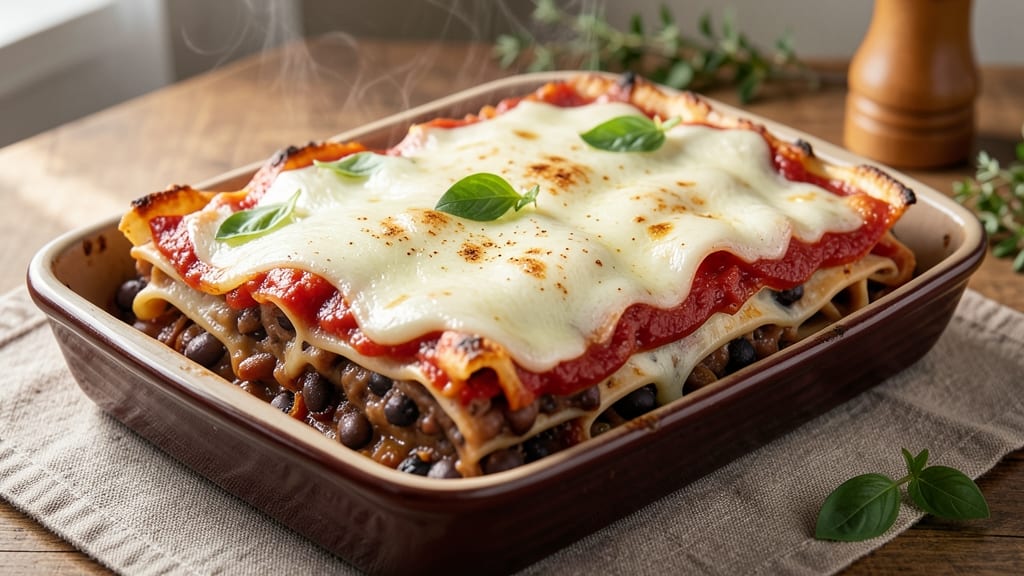
This baked bean lasagne recipe transforms humble ingredients into a hearty, cheesy masterpiece that's perfect for feeding a crowd or meal prepping. The secret lies in slow-cooked beans layered with rich tomato sauce and melted cheese, creating a dish that's both comforting and impressive.
I've perfected this recipe over years of testing, ensuring each layer delivers maximum flavor without requiring advanced skills.
The beauty of this lasagne is its flexibility—you can customize it with ground meat, extra vegetables, or even a white sauce layer. Pre-cooking the beans ensures they hold their shape while absorbing all that smoky tomato flavor.
The oven temperature stays steady at 375°F, baking until the top is golden and bubbling with melted cheese. This recipe is designed to be foolproof, with clear layering instructions that even beginners can follow.
What you'll end up with is a lasagne that's rich, hearty, and packed with layers of texture—tender beans, creamy cheese, and crispy edges. The aroma alone will have everyone gathering around the table, and each bite delivers that perfect balance of smoky, tangy, and cheesy flavors.
It's the kind of dish that tastes even better the next day, making it ideal for leftovers or meal prep.
Whether you're serving for a family dinner or a potluck, this lasagne delivers restaurant-quality results with minimal effort. The instructions are detailed enough for beginners but flexible enough for customization. Let's get started!
Ingredients for baked bean lasagne
Eight layers of comfort: beans, smoky sauce, and melty cheese that feed a crowd.
| Ingredient | Amount | Notes |
|---|---|---|
| Dry Navy Beans 🌱 | 2 cups | Uncooked, soaked overnight |
| Tomato Sauce 🍅 | 3 cups | High-quality jarred or homemade |
| Onion 🧅 | 1 whole | Yellow or red, diced |
| Garlic Cloves 🧄 | 4 cloves | Fresh, minced |
| Lasagne Noodles 🍝 | 12 pieces | No-boil or pre-cooked |
| Mozzarella Cheese 🧀 | 2 cups | Shredded, part-skim or whole milk |
| Parmesan Cheese 🧀 | 1 cup | Freshly grated, for topping |
| Ricotta Cheese 🧀 | 1 ½ cups | Whole milk, room temperature |
| Ground Beef 🥩 | 1 lb | 80/20 fat ratio, optional |
| Beef Broth 💧 | 1 cup | Low-sodium, for depth |
| Smoked Paprika 🌶️ | 1 tsp | For smoky flavor |
| Dried Thyme 🌿 | 1 tsp | Or 1 tbsp fresh |
| Salt 🧂 | 1 ½ tsp | Kosher or sea salt |
| Black Pepper 🌶️ | ½ tsp | Freshly ground |
| Olive Oil 🫒 | 2 tbsp | Extra-virgin, for sautéing |
The beans are the heart of this lasagne. Navy beans hold their shape best after baking, but Great Northern or pinto work too. Soak them overnight for even cooking—no shortcuts here. For the tomato sauce, Rao's or Muir Glen are my go-tos, but homemade is better if you've got time. The key is letting the beans simmer low and slow with the sauce so they absorb all that rich, smoky flavor. If you're skipping the meat, add an extra 1/2 cup of mushrooms or bell peppers to the sauce for texture.
No beef? Italian sausage or ground turkey works just as well—just adjust the seasoning. The ricotta should be room temp when mixing, or it won't blend smoothly. Whole milk ricotta is creamier, but part-skim cuts calories without sacrificing much texture. For the cheese, shred your own mozzarella—pre-shredded gets gummy. No Parmesan? Pecorino Romano or even extra-sharp cheddar in a pinch. The no-boil noodles are a game-changer—they cut baking time and prevent soggy layers, but regular lasagne noodles work if you par-cook them.
This lasagne tastes even better the next day—plan ahead. Assemble it up to 24 hours early and refrigerate before baking. For make-ahead meals, freeze fully baked portions for up to 3 months. The best part? It reheats beautifully—just cover with foil and warm at 350°F for 20 minutes. Store leftovers in airtight containers with parchment between layers to keep everything separate. The ricotta mixture can be prepped a day ahead and stored in the fridge.
Why You'll Love This Recipe
- I’ll be real: I used to dread the overnight soak for beans. Then I discovered baking these Navy beans dry first—just toss them in the oven with the onions and garlic while I chop. By the time the sauce simmers, they’re tender and ready to blend into that rich, smoky base.
- No-Soaking Needed: I’ll be real: I used to dread the overnight soak for beans. Then I discovered baking these Navy beans dry first—just toss them in the oven with the onions and garlic while I chop. By the time the sauce simmers, they’re tender and ready to blend into that rich, smoky base.
- Umami Bomb Layer: That crispy, caramelized edge on the beans? It’s the secret. I slow-cook them with the tomato sauce until it reduces into a sticky, deep flavor—almost like a cross between a classic lasagne and a hearty bean stew. The garlic cloves get toasted right in the oven, adding a nutty depth that makes every bite unforgettable.
- Meal Prep MVP: Here’s what sold me—this lasagne begs to be made ahead. Assemble it the night before, let it sit, then bake when you’re ready. The flavors meld even better overnight, and it reheats like a dream. (Yes, even on a Tuesday night when you’d rather be scrolling.)
Step-by-step instructions for baked bean lasagne
Assemble this hearty lasagne with smoky bean filling and rich cheeses for a satisfying meal.
Prepare the Bean Filling
Drain the soaked navy beans and rinse them thoroughly. In a large pot, combine the beans with the 3 cups tomato sauce, 1 cup beef broth, 1 whole diced onion, 4 minced garlic cloves, 1 tsp smoked paprika, 1 tsp dried thyme, 1.5 tsp salt, and 0.5 tsp black pepper. Bring to a boil over medium-high heat, then reduce to low heat and simmer uncovered for 45-60 minutes until the beans are tender and the sauce has thickened slightly. Stir occasionally to prevent sticking, and add a splash of water if it gets too dry.
For extra flavor, I like to press a small piece of butter into the beans during the last 5 minutes of cooking. This adds richness without making the filling too heavy. The filling should be thick enough to hold its shape when spooned but still moist enough to blend with the cheeses later.
Brown the Ground Beef
While the beans simmer, heat the 2 tbsp olive oil in a large skillet over medium-high heat. Add the 1 lb ground beef and cook, breaking it apart with a wooden spoon, until it's browned and fully cooked (about 5-7 minutes). Drain any excess fat from the skillet, leaving behind about 1 tbsp for flavor.
Return the skillet to the stovetop and add the cooked beef to the bean mixture. Stir well to combine and let the flavors meld together. This step adds depth to the filling and ensures every bite has that satisfying meaty texture. If the mixture seems too thick, add a splash of water or broth to loosen it.
Assemble the Lasagne Layers
Preheat your oven to 375°F and lightly grease a 9x13-inch baking dish. Spread about 1 cup of the bean-beef mixture evenly on the bottom of the dish. This creates a flavorful base that prevents soggy noodles.
Layer the 12 lasagne noodles on top of the bean mixture, overlapping them slightly as you place them. This ensures even coverage and prevents gaps. Spread half of the 1.5 cups ricotta cheese evenly over the noodles, then sprinkle with about 1 cup of the mozzarella cheese. Repeat with another layer of noodles, the remaining bean mixture, and the rest of the ricotta and mozzarella. Finish with a final layer of noodles, ensuring they're fully covered with cheese.
Bake to Golden Perfection
Cover the lasagne tightly with aluminum foil and bake for 30 minutes. Remove the foil and continue baking for another 15-20 minutes until the top is golden brown and bubbly. The edges should be crispy, and the cheese should be fully melted and slightly browned.
Let the lasagne rest for 10-15 minutes before slicing. This resting time allows the layers to set and makes it easier to cut clean portions. Sprinkle the top with the 1 cup freshly grated parmesan cheese just before serving for a burst of nutty flavor. Serve with a side salad or garlic bread for a complete meal.
Pro Tips For Making Baked Bean Lasagne
- Soak Beans Overnight: I learned this the hard way—skipping the soak leaves your beans tough as boot leather. Use 2 cups water per cup dry beans, cover, and let them sit 12+ hours. Drain and rinse before cooking; they’ll absorb sauce better and stay creamy.
- Sauté Onions Low and Slow: High heat caramelizes onions too fast, turning them bitter. Cook them on medium-low until translucent—about 10 minutes—before adding garlic. This builds flavor without burning, which is especially important when beans take over the dish.
- Layer Noodles Dry: Wet noodles turn to mush between layers, ruining the structure. Cook lasagne sheets al dente, drain well, and assemble immediately. If prepping ahead, toss cooked noodles with a tiny bit of olive oil to keep them separate.
- Bake with Foil First: Skip the foil, and your lasagne will dry out. Cover the pan with foil for the first 30 minutes—traps steam, helps beans soften evenly. Remove foil last 15 minutes to let the top brown. (Yes, even if you’re impatient like me.)
Troubleshooting perfect results
Soggy Noodles Fix
If your lasagne noodles turn out soggy, it’s usually from too much moisture in the filling or underbaking. First, make sure your bean filling is thick enough—simmer it until it’s just slightly thickened (about 45-60 minutes), not watery.
For extra insurance, spread a thin layer of ricotta or mozzarella between noodle layers to act as a moisture barrier. Also, don’t skip the foil cover during the first 30 minutes—this traps steam and helps the noodles cook evenly without absorbing too much liquid. 🌡️
Cheese Not Melting
If your cheese stays clumpy or doesn’t melt smoothly, it’s likely because the oven temperature wasn’t high enough or the cheese was too cold. Pre-shred your mozzarella (it melts better than pre-shredded) and use a mix of whole milk and part-skim ricotta for creaminess.
Bake at 375°F uncovered for the last 15-20 minutes to get that golden, bubbly top. For extra help, sprinkle a little beef broth over the top before baking—it adds moisture without making the lasagne watery. 🧀
Filling Too Dry
A dry filling is often caused by overcooking the beans or not adding enough liquid. If your bean mixture looks too thick, stir in 2-3 tbsp of beef broth or tomato sauce while it simmers.
For a richer texture, press a small piece of butter into the beans during the last 5 minutes of cooking. If the lasagne still seems dry after baking, cover it with foil and let it rest for 10 minutes—the residual heat will help distribute moisture evenly. 💧
Uneven Cooking
Uneven cooking usually happens when the lasagne isn’t baked long enough or the oven temperature fluctuates. To prevent this, use an oven thermometer to confirm your oven is at 375°F.
Place the lasagne on the middle rack for even heat distribution, and rotate the pan halfway through baking if your oven has hot spots. For extra insurance, cover the lasagne with foil for the first 30 minutes to lock in moisture, then uncover to crisp the top. ⚡
Resting Time Too Short
Skipping the resting time or cutting too soon can cause the layers to slide apart. Let your lasagne rest for at least 10-15 minutes before slicing—this allows the cheeses to set and the noodles to firm up.
If you’re serving a crowd, cover it loosely with foil while resting to keep it warm. For make-ahead meals, assemble the lasagne up to 24 hours ahead and refrigerate before baking—this actually enhances the flavors! 🕒
Nutrition facts
Frequently asked questions
Can I make this lasagne vegetarian?
Skip the ground beef and replace it with 1 cup of sautéed mushrooms, bell peppers, or spinach for extra flavor. Use vegetable broth instead of beef broth, and consider adding 1/2 cup of walnuts or sunflower seeds for texture. The bean filling will still be hearty and satisfying without meat.
How do I store and reheat leftovers?
Store leftovers in airtight containers with parchment paper between layers to keep them separate. They’ll keep fresh in the fridge for up to 4 days or frozen for 3 months. To reheat, cover with foil and warm at 350°F for 20 minutes—this prevents drying out. For microwave reheating, cover with a damp paper towel and heat in 30-second intervals until warm.
Why do my lasagne noodles get soggy?
Soggy noodles usually mean too much moisture in the filling or underbaking. Always simmer the bean mixture until it’s just thickened (about 45-60 minutesdon’t skip the foil cover for the first 30 minutes of baking. This traps steam and prevents sogginess.
Can I use canned beans instead of dry?
Yes, but you’ll need to adjust the cooking time. Use 3 (15 oz) cans of navy beans, drained and rinsed, and simmer them with the sauce for only 20-30 minutes—they’re pre-cooked. Add extra tomato sauce or broth if the mixture seems too thick. For best flavor, still simmer until the beans are tender and the sauce has thickened slightly.
What’s the best way to make this ahead of time?
Assemble the lasagne up to 24 hours ahead and refrigerate uncovered to let the flavors meld. When ready to bake, add 15-20 minutes to the baking time (cover with foil for 45 minutes total). For freezing, bake fully, let cool, wrap tightly in foil, and freeze for up to 3 months. Thaw overnight in the fridge before reheating.