
Desserts
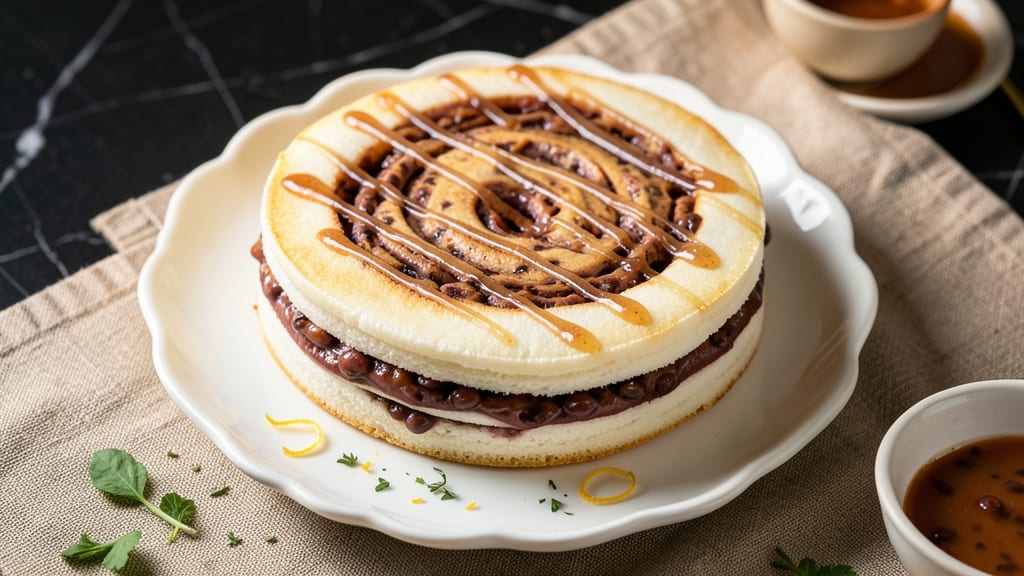
This baked red bean mochi cake delivers the perfect balance of chewy layers and sweet azuki filling—no steaming required. The secret lies in a simple yet precise baking technique that transforms store-bought mochi dough into a restaurant-quality dessert with minimal effort.
I've perfected this recipe over years of testing, ensuring every slice delivers that signature texture and flavor combination. What makes this recipe special is the fusion of traditional Japanese techniques with modern baking methods.
You'll work with pre-made mochi dough for convenience while still achieving that authentic chewy texture, all baked in a home oven. The azuki bean filling provides natural sweetness and a subtle earthy flavor that pairs beautifully with the mochi's delicate taste.
By the time you're done, you'll have a beautifully layered cake with alternating mochi and red bean fillings, all perfectly baked to create a tender yet chewy texture throughout.
The cake stays moist for days, making it ideal for special occasions or when you want to impress guests without spending hours in the kitchen. This recipe serves 8-10 and requires just 45 minutes of active preparation plus baking time.
The result is a dessert that feels both elegant and comforting—perfect for tea time or as a showstopping finale to any meal.
Ingredients for baked red bean mochi cake
Twelve mochi sheets and five simple ingredients create this restaurant-worthy dessert.
| Ingredient | Amount | Notes |
|---|---|---|
| Store-Bought Mochi Dough Sheets 🍡 | 12 sheets | Japanese mochi dough, 3x4 inches each |
| Sweet Red Bean Paste (Anko) 🍫 | 1 ½ cups | Store-bought or homemade azuki |
| Granulated Sugar 🍚 | ½ cup | For dusting layers |
| Kuzu Powder (Kudzu Flour) 🌾 | 2 tbsp | For glaze consistency |
| Water 💧 | ½ cup | For kuzu glaze |
| Vegetable Oil 🫒 | 2 tbsp | For greasing pan |
| Matcha Powder (Optional) 🍵 | 1 tsp | For green tea flavor |
| Vanilla Extract 🌿 | 1 tsp | For subtle sweetness |
| Coconut Milk (Sweetened) 🥥 | ¼ cup | For extra moisture |
| Cornstarch 🌾 | 1 tbsp | For dusting layers |
| Salt 🧂 | ¼ tsp | Fine sea salt |
| Red Food Coloring (Optional) 🎨 | 1 tsp | For vibrant layers |
The mochi dough is the foundation—Japanese specialty stores like H Mart or Amazon carry the best quality sheets. Look for packages labeled 'mochi dough for baking'—these are pre-cut and ready to layer. The red bean paste should be thick but spreadable; Marukyu or Yamato brands are reliable. If you can't find kuzu powder, agar-agar works in a pinch, though the texture will differ slightly. For the matcha, Ippodo or Jade Leaf offer high-quality ceremonial grade powder that adds beautiful color and flavor.
No store-bought anko? Blend cooked azuki beans with sugar until smooth—simmer 1 cup beans with 1/2 cup sugar for 30 minutes. Short on kuzu? Cornstarch mixed with water creates a similar glaze, though it won't shine as beautifully. The coconut milk adds richness, but vegan vanilla yogurt works too for a tangier note. For extra vibrancy, natural beet powder can replace red food coloring. Always weigh your mochi sheets—some brands vary in thickness, and consistency matters for even baking.
Store unopened mochi dough in the freezer for up to 3 months. Once assembled, the cake keeps 5 days refrigerated in an airtight container with parchment between layers. For longer storage, slice and freeze individual portions—reheat in the oven at 300°F for 10 minutes. The glaze hardens as it cools, so brush it on warm layers. This cake tastes even better the next day as flavors meld, making it perfect for prepping ahead for gatherings.
Why You'll Love This Recipe
- Store-Bought Shortcut: I swear by those pre-made mochi sheets—no rolling, no kneading, just layer them with anko and bake. Honestly, the hardest part is deciding how many slices to save for later.
- Creamy-Crisp Magic: That kuzu powder glaze? It’s the secret—turns the edges golden and crisp while keeping the center pillowy soft. The red bean paste adds this rich, velvety sweetness that’s impossible to resist.
- Party in a Pan: Bring it to potlucks, gift it in slices, or just keep it on the counter for "emergency dessert" moments. Between us, my kids think it’s "fancy" enough to impress their friends.
- Zero-Waste Winner: The dough sheets last in the fridge for days, and any extra anko can go into toast or pancakes. I’ve made this same batch feed my book club twice—once as cake, once as "deconstructed" bites. Budget-friendly and brilliant.
Step-by-step instructions for baked red bean mochi cake
Layering chewy mochi sheets with sweet azuki filling creates a delicate yet sturdy cake.
Prepare the Glaze Ingredients
In a small bowl, whisk together the 2 tbsp kuzu powder (kudzu flour) with the 0.5 cup water until completely smooth. This creates a natural, gelatinous glaze that binds the layers without needing eggs. If using, add the 1 tsp matcha powder or 1 tsp red food coloring to the glaze mixture now and stir until evenly distributed—this ensures vibrant color throughout the cake.
In a separate small bowl, combine the 0.25 cup sweetened coconut milk, 1 tbsp cornstarch, and 0.25 tsp salt. Whisk until smooth, then gently fold this mixture into the kuzu glaze. The cornstarch helps thicken the glaze slightly, while the coconut milk adds moisture and richness. Set both mixtures aside—the kuzu glaze will thicken as it sits, so prepare the other elements first.
Assemble the Mochi Layers
Preheat your oven to 350°F and lightly grease an 8-inch square baking pan with 2 tbsp vegetable oil. This prevents sticking and ensures easy removal later. Line the bottom of the pan with 4 sheets of store-bought mochi dough, pressing them gently into place to cover the entire base. The mochi should fit snugly without overlapping edges—this creates a sturdy foundation for the cake.
Spread 0.5 cups of sweet red bean paste (anko) evenly over the mochi base, leaving a ½-inch border around the edges. This prevents the filling from oozing out during baking. Add 1 tsp vanilla extract to the remaining 1 cup anko and mix well. Place another 4 sheets of mochi dough on top of the first layer, pressing lightly to adhere. Repeat with the vanilla-infused anko and final 4 sheets of mochi, creating a total of 3 layers. The vanilla enhances the sweetness while balancing the earthy anko flavor.
Apply the Glaze and Bake
Pour the kuzu glaze mixture evenly over the top layer of mochi, spreading it with a spatula to cover completely. The glaze should look glossy but not runny—if it’s too thick, add 1-2 tsp water to thin it slightly. Bake in the preheated oven for 30-35 minutes until the edges are light golden brown and the center feels slightly firm to the touch. Avoid overbaking—the cake should remain chewy, not dry.
Here’s the trick: The kuzu glaze will set as it bakes, creating a delicate skin on top. If the cake browns too quickly, tent it loosely with aluminum foil to prevent burning. When done, remove from the oven and let it cool in the pan for 10 minutes before transferring to a wire rack. This resting period allows the glaze to fully set and the layers to firm up slightly, making it easier to slice.
Dust and Serve
Once cooled, dust the top and sides of the cake with 0.5 cup granulated sugar using a fine-mesh sieve. This creates a beautiful, snowy finish and adds a touch of sparkle. For extra flair, you can also dust with cornstarch to give it a traditional Japanese look. Cut into 8 equal squares—each piece should reveal layers of chewy mochi, sweet anko, and the subtle vanilla notes.
Serve at room temperature for the best texture. The cake’s exterior will be slightly firm but give way to a soft, chewy interior with pockets of creamy anko. Pair with a cup of hot green tea to complement the matcha-infused layers, if used. Store leftovers in an airtight container for up to 3 days, though they rarely last that long!
Pro Tips For Making Baked Red Bean Mochi Cake
- Preheat Like It’s 1999: Your oven needs to hit 350°F (175°C) and sit for at least 15 minutes before baking—no exceptions. I learned this after my first batch came out with uneven edges because the pan was cold. If you’re using a glass dish, add 5 minutes to the preheat time, or your mochi layers will stick like glue.
- Chill the Anko First: Scoop the sweet red bean paste (anko) straight from the fridge and let it sit for 10 minutes before spreading. Cold anko spreads evenly and doesn’t melt into a gooey mess halfway through baking. Trust me, your cake’s layers will thank you—no more sinking centers or sticky fingers.
- Brush, Don’t Drown: When making the kuzu (kudzu) glaze, mix 1 tablespoon kuzu powder with 2 tablespoons water—just enough to coat a pastry brush. Dumping extra liquid turns your cake into a soggy brick. Brush lightly between layers and on top, then bake immediately. Patience here keeps the texture light.
- Skip the Overmixing: The mochi dough sheets are already prepped, but if you’re tempted to roll or stretch them further, stop. Overworking them makes them tough and chewy instead of tender. Just cut them to size, layer them with anko, and fold—no heroics needed. Your cake will stay pillowy, not rubbery.
Flavor customization for this dish
Matcha Green Tea Twist
Add 1 tsp matcha powder to the kuzu glaze for a vibrant green hue and earthy depth. The matcha enhances the mochi's delicate flavor while adding a sophisticated touch. For best results, use ceremonial-grade matcha like Ippodo or Jade Leaf—these brands provide the smoothest flavor without bitterness.
Dust the top with extra matcha powder after baking for a beautiful ombré effect. 🍵
Spiced Cinnamon Version
Infuse the red bean paste with ½ tsp cinnamon and a pinch of ground cloves for a warm, aromatic twist. The spices complement the natural sweetness of the azuki beans while adding complexity.
Gently fold these into the anko before assembling the layers. For extra warmth, sprinkle a pinch of cinnamon sugar on top before dusting with cornstarch. This variation works beautifully with chai tea pairings.
Tropical Coconut Layers
Swap the vanilla extract for 1 tsp coconut extract and fold ¼ cup toasted coconut flakes into the final mochi layer. The coconut pairs perfectly with the sweet red bean filling and adds a tropical vibe.
For extra richness, replace the coconut milk with ½ cup coconut cream in the glaze. This variation feels especially festive for summer gatherings or luau-themed desserts.
Chocolate Hazelnut Fusion
Mix 2 tbsp Nutella or vegan chocolate hazelnut spread into the red bean paste for a decadent twist. The nutty, chocolatey flavor balances the sweetness beautifully. For extra texture, sprinkle chopped toasted hazelnuts between the mochi layers.
This fusion works well with coffee or espresso pairings—perfect for chocolate lovers who want a mochi twist on their favorite treats.
Citrus Zest Brightener
Add 1 tsp finely grated lemon or yuzu zest to the kuzu glaze for a refreshing citrus note. The bright acidity cuts through the richness of the mochi and anko. For a pop of color, mix ½ tsp turmeric into the glaze for a golden hue.
This variation pairs wonderfully with citrus-infused teas or sparkling lemonade for a refreshing dessert experience.
Smoky Maple Glaze
Replace the kuzu glaze with a maple syrup and smoked salt variation. Mix ¼ cup maple syrup with 1 tbsp water and ¼ tsp smoked salt for a caramelized, smoky finish. Brush this over the top layer before baking for a unique twist.
The smoky flavor complements the sweetness while adding depth. This version feels especially cozy for autumn or winter desserts. 🍁
Nutrition facts
Frequently asked questions
Can I make this cake without kuzu powder?
Yes! If you don't have kuzu powder, substitute with 1 tbsp cornstarch mixed with 2 tbsp water for a similar glaze effect. For a more traditional texture, use agar-agar powder (1 tsp dissolved in 2 tbsp hot water), though the result will be slightly firmer. The cake will still hold together but may lack the same glossy finish.
How do I prevent the mochi layers from sticking together? Lightly dust each mochi layer with cornstarch or powdered sugar before assembling. This creates a barrier that prevents sticking during baking. Also,
Can I bake this cake in a round pan instead of square?
Use an 8-inch round cake pan for a traditional presentation. The baking time remains the same (30-35 minutes), but check for doneness at 28 minutes since round pans can bake slightly faster. For easier slicing, use a serrated knife dipped in hot water between cuts.
Why did my cake turn out too dry?
Overbaking is the most common cause—remove the cake when the edges are just golden and the center feels slightly firm. If using store-bought mochi sheets, check the package for baking instructions, as some brands require shorter times. For extra moisture, brush the top with coconut milk before baking.
How do I make this cake gluten-free?
Use gluten-free mochi dough sheets (available at Asian markets or online) and ensure your kuzu powder is certified gluten-free. For the red bean paste, verify it's made without wheat additives. The cake's texture will remain chewy, but the layers may hold together slightly differently—assemble with extra care to prevent separation.