
Main Courses
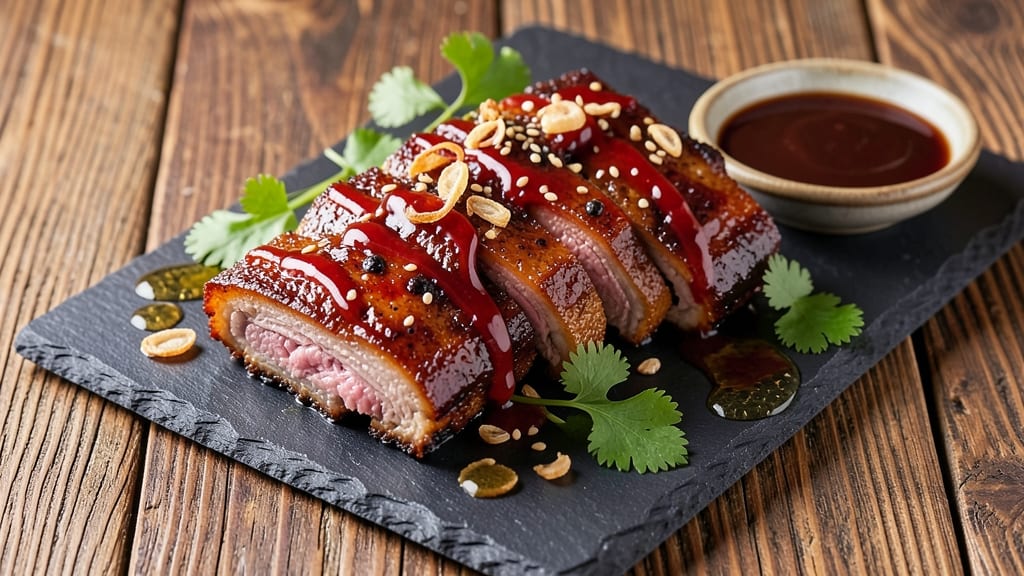
This bean paste pork ribs recipe delivers the perfect balance of smoky, sweet, and savory flavors that cling to every bone. 🔥 After years of perfecting my technique at The Smoky Pig, I've developed a method that transforms tough ribs into tender, glaze-covered perfection without hours in the pit.
The secret lies in the marinade—fermented bean paste creates that signature sticky-sweet crust while keeping the meat juicy through slow cooking.
The process begins with a 3-day marinade that tenderizes the meat while infusing it with umami depth. We'll then use a combination of braising and finishing on the grill to develop both texture and flavor.
What makes this recipe work is the balance between low-and-slow cooking for tenderness and high-heat finishing for that caramelized crust. This isn't just barbecue—it's a restaurant-quality dish you can make at home.
By the time you're done, you'll have ribs with a glossy, crackling glaze that sticks to every surface, offering bursts of sweetness with each bite. The meat will pull apart easily, revealing tender layers beneath.
This is the kind of dish that makes weeknight dinners feel special—rich, complex, and satisfying without requiring a competition-level smoker.
Serve with classic Southern sides like collard greens and cornbread to complete the experience. The glaze works beautifully on other cuts too, making this technique versatile for your next pork project. Let's get started on these unforgettable ribs.
Ingredients for bean paste pork ribs
Four pounds of ribs meet a 3-day marinade of fermented bean paste and smoky-sweet glaze magic.
| Ingredient | Amount | Notes |
|---|---|---|
| Pork Baby Back Ribs 🍖 | 4 lb | Bone-in, meaty ends included |
| Fermented Black Bean Paste 🌶️ | ½ cup | Asian market or specialty store |
| Hoisin Sauce 🍶 | ½ cup | Store-bought or homemade |
| Brown Sugar 🍚 | ½ cup | Packed firmly |
| Rice Vinegar 🍶 | ¼ cup | White or seasoned |
| Soy Sauce 🍶 | ¼ cup | Light or dark preferred |
| Garlic Cloves 🧄 | 8 cloves | Minced for marinade |
| Fresh Ginger 🌿 | 1 tbsp | Grated, peeled |
| Sesame Oil 🫒 | 1 tbsp | Toasted sesame preferred |
| Smoked Paprika 🌶️ | 1 tbsp | For smoky depth |
| Ground Black Pepper 🌶️ | 1 tsp | Freshly cracked |
| Kosher Salt 🧂 | 1 ½ tbsp | Diamond Crystal preferred |
| Honey 🍯 | 2 tbsp | For finishing glaze |
| Olive Oil 🫒 | 2 tbsp | For searing ribs |
The ribs need to be meaty—baby backs with the bone-in ends give you that perfect balance of tenderness and chew. Asian markets are your best bet for fermented black bean paste (like the kind from Three Crabs or Lee Kum Kee), but a well-stocked grocery store's international aisle usually has it too. Look for paste that's thick and slightly fermented—it should smell funky but not rotten. Hoisin sauce? Kikkoman or Lee Kum Kee are solid choices, but any brand with no weird additives works. Fresh ginger is non-negotiable here—dried won't cut it for the depth of flavor we're going for. Toast your sesame oil in a dry pan for 30 seconds before adding it to the marinade—that nutty aroma makes all the difference.
No fermented bean paste? Substitute 2 tbsp miso paste plus 1 tbsp soy sauce—it won't be identical, but you'll still get that umami punch. Running low on rice vinegar? Apple cider vinegar works in a pinch, though it'll have a slightly different tang. The honey in the finishing glaze can be swapped for maple syrup or agave if you're avoiding it. For the ribs themselves, if you can't find baby backs, St. Louis-style spare ribs work too—just trim the membrane first. The key is keeping that 3:1 ratio of meat to marinade during the initial soak. And trust me, don't skip the olive oil when searing—it creates that crucial crust that holds the glaze.
Marinate the ribs in the fridge for 3 days minimum—flavor builds over time, and that's when the magic happens. After cooking, the glaze keeps for 5 days in the fridge if you store it in an airtight container. Freeze any leftovers for up to 3 months—the glaze actually tastes better the next day as the flavors meld. I always make extra marinade because it's perfect for brushing on during the last 10 minutes of cooking. And if you've got leftover glaze? Slather it on grilled chicken or tofu next time—it's that good.
Why You'll Love This Recipe
- One-Pan Magic: I swear by this—just ribs, a spoonful of fermented black bean paste, and a quick toss in the oven. No messy marinades or extra bowls to wash.
- Umami Bomb: That black bean paste? It’s like a flavor grenade—salty, funky, and deep all at once. The hoisin and brown sugar just take it to another level.
- Weeknight Hero: I make these when I’m too tired to fuss but still want something impressive. They’re ready by dinner time, and leftovers reheat like a dream.
- Budget Crowd-Pleaser: A full rack of ribs feeds four, costs less than takeout, and still feels special. My college roommates and I lived on this—cheap, filling, and no one complained.
Step-by-step instructions for bean paste pork ribs
This smoky-sweet glaze clings like magic to every rib bone—here's how to make it.
👨🍳 Step 1: Prep the Ribs and Make the Marinade
Pat the 4 lb pork baby back ribs completely dry with paper towels—moisture is the enemy of crispy bark. In a large bowl, combine the 0.5 cup fermented black bean paste, 0.5 cup hoisin sauce, 0.5 cup brown sugar, 0.25 cup rice vinegar, 0.25 cup soy sauce, minced 8 cloves garlic, 1 tbsp grated fresh ginger, 1 tbsp sesame oil, 1 tbsp smoked paprika, 1 tsp ground black pepper, and 1.5 tbsp kosher salt. Whisk until the brown sugar dissolves completely.
Place the ribs in a resealable plastic bag and pour the marinade over them. Seal the bag and massage the marinade into every crevice, then refrigerate for at least 4 hours (overnight is even better). This step transforms tough ribs into tender, flavor-packed morsels. Trust me—don't skip it.
🔥 Step 2: Sear the Ribs for Maximum Flavor
Preheat your oven to 325°F. Remove the ribs from the marinade (reserve the marinade for basting) and let them sit at room temperature for 30 minutes. Heat a large oven-safe skillet over medium-high heat and add the 2 tbsp olive oil. Once shimmering, place the ribs fat-side down and sear for 5-6 minutes until deeply golden brown.
Flip the ribs and sear the other side for another 4-5 minutes. The skin should develop a beautiful crust—this isn't just about looks, it's about locking in juices. Transfer the skilled with ribs to the preheated oven and pour the reserved marinade into the skillet.
🥘 Step 3: Baste and Glaze for Sticky Perfection
Roast the ribs for 1 hour 15 minutes, basting with the pan juices every 20 minutes. Here's where the magic happens: the bean paste and hoisin create a thick, sticky glaze that clings to every bone. After 1 hour 15 minutes, remove the ribs from the oven and increase the heat to 425°F. Brush the ribs generously with the 2 tbsp honey mixed with 1 tbsp soy sauce.
Return the ribs to the oven for 10-15 minutes until the glaze is bubbly and caramelized. You'll know it's ready when the glaze turns a deep amber color and smells irresistibly sweet-smoky. The ribs should reach an internal temperature of 195-203°F—probe-tender perfection.
⏰ Step 4: Rest and Serve with Confidence
Transfer the ribs to a cutting board and let them rest for 10 minutes before serving. This resting period allows the juices to redistribute, ensuring each bite is moist and flavorful. While they rest, skim any excess fat from the pan juices and reduce them over medium heat for 3-4 minutes until slightly thickened.
Slice the ribs between each bone, then arrange them on a platter. Drizzle the reduced pan juices over the top and garnish with extra sesame seeds if desired. Serve immediately with steamed rice and quick-pickled vegetables to balance the rich, sweet-savory flavors. The glaze should be sticky enough to coat your fingers—this is exactly what we're aiming for.
Pro Tips For Making Bean Paste Pork Ribs
- Blister First, Glaze Second: Get those ribs searing hot in a dry pan before adding the bean paste—this locks in flavor and prevents a soggy glaze. I used to rush the sear, and the sauce just slid off like it didn’t belong.
- Toast the Bean Paste: Bloom that fermented black bean paste in oil for 30 seconds until it smells nutty and deep—this cuts through the funk and makes the sauce sing. Skipping this step leaves it tasting raw and bitter.
- Don’t Crowd the Pan: Cook the ribs in batches if needed—overcrowding steams them instead of caramelizing. I learned this after making ribs that looked like they’d been boiled in syrup.
- Deglaze with Vinegar Last: Save the rice vinegar for the final deglaze to brighten the sauce without overpowering the hoisin or brown sugar. Add it too early, and the acid dulls the richness you’ve built.
Dietary considerations for these flavors
Gluten-Free Adaptations
This recipe naturally accommodates gluten-free diets by focusing on fresh ingredients and avoiding wheat-based components. The fermented black bean paste and hoisin sauce from brands like Lee Kum Kee are typically gluten-free, but always double-check labels—some varieties contain wheat.
For extra safety, I recommend using a dedicated gluten-free soy sauce like San-J Tamari. The brown sugar can be swapped for coconut sugar or glucose syrup to ensure no hidden gluten sources. 💫
Low-Sodium Options
If you're watching your sodium intake, reduce the 1.5 tbsp kosher salt to just 1 tsp and use a low-sodium soy sauce like Kikkoman Low Sodium. The fermented bean paste already provides plenty of umami depth, so you won't sacrifice flavor.
For additional sodium control, replace half the rice vinegar with apple cider vinegar—it maintains acidity without extra salt. The ribs will still develop that signature sticky glaze while being kinder to your blood pressure.
Vegetarian Substitutes
While this recipe features pork, you can create a vegetarian version using extra-firm tofu or portobello mushrooms as the base. For tofu, press and marinate two 14-ounce blocks in the same bean paste mixture for 8 hours before baking at 375°F for 25 minutes.
Portobello mushrooms should be marinated for 4 hours and roasted at 400°F for 20 minutes. The glaze will still cling beautifully, though the texture will be firmer than pork. For a heartier option, use tempeh—it holds up well to the marinade and adds a nutty depth.
Allergen Awareness
This recipe contains soy (from soy sauce and hoisin) and sesame (from sesame oil). For sesame-free versions, replace the oil with avocado oil—it won't affect the flavor profile. If soy is a concern, use a soy-free tamari made from rice or quinoa.
Always check labels on fermented bean pastes, as some brands add soy or wheat fillers. For nut allergies, keep the sesame oil separate and offer it as a garnish rather than mixing it into the marinade.
Dairy-Free & Egg-Free
This recipe is inherently dairy-free and egg-free, making it suitable for those with lactose intolerance or egg allergies. The marinade and glaze rely solely on plant-based ingredients, so no substitutions are needed.
The only potential concern is cross-contamination if you're using shared cooking surfaces—always clean your oven and grill thoroughly before preparing this dish. For extra peace of mind, I recommend using dedicated utensils and serving dishes when cooking for guests with severe allergies. 💪
Nutrition facts
Frequently asked questions
Can I use regular black beans instead of fermented bean paste?
No, regular black beans won't work—the fermented version is key for that deep umami flavor and sticky texture. If you absolutely must substitute, blend 1 cup cooked black beans with 2 tbsp soy sauce and 1 tbsp rice vinegar, then reduce until thick. The flavor won't be identical, but it'll add some depth to your glaze.
How do I know when the ribs are fully cooked?
Use a meat thermometer to check the internal temperature—195-203°F is perfect for tender, pull-apart ribs. The probe should slide in easily, and the meat should feel very soft when touched. If you don't have a thermometer, look for a deep amber glaze and slightly wrinkled skin.
Can I make this recipe in a slow cooker?
Yes! After searing, transfer the ribs to a slow cooker with the marinade and cook on low for 6-7 hours, basting occasionally. For the final glaze, transfer to a baking sheet and broil for 5-7 minutes to caramelize. The texture will be slightly different but still delicious.
Why is my glaze too runny?
This usually happens when the oven isn't hot enough or the ribs are over-basted. Reduce the pan juices before serving to thicken the glaze, or simmer it on the stovetop for 3-5 minutes until it reaches your desired consistency. For next time, try adding 1 tbsp cornstarch to the marinade to help thicken it.
What's the best way to store leftovers?
Store ribs in an airtight container for up to 4 days in the fridge. Reheat in a 350°F oven for 15-20 minutes with a splash of water to keep them moist. For longer storage, freeze for up to 3 months. The glaze actually tastes better when reheated—it becomes even more concentrated!