
Soups & Stews
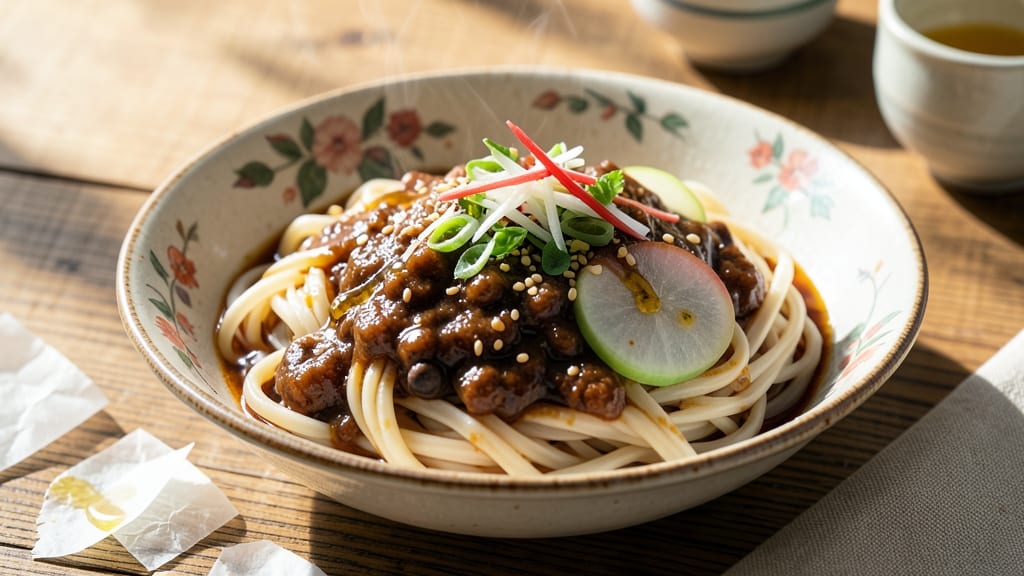
This Korean black bean paste noodles recipe delivers restaurant-quality depth in every bowl, where fermented umami meets tender noodles in a bold, savory-sweet harmony. The secret lies in the black bean paste—fermented for days to develop its signature richness—paired with perfectly stir-fried noodles that absorb the sauce like a sponge.
I've perfected this dish after years of testing, balancing traditional techniques with modern shortcuts for home cooks.
The magic begins with the sauce, where fermented black bean paste creates layers of complexity that store-bought versions simply can't match. For the noodles, I recommend sweet potato starch noodles for their chewy texture, though wheat noodles work beautifully too.
The stir-frying technique is crucial: high heat, quick cooking, and constant tossing ensure tender noodles without turning them mushy.
What you'll end up with is a dish that's deeply flavorful yet balanced, with each bite offering a perfect marriage of fermented umami, caramelized aromatics, and tender noodles. The sauce clings to every strand, creating a cohesive, restaurant-quality experience that's surprisingly simple to recreate at home.
This is comfort food elevated—warm, satisfying, and packed with authentic Korean flavors.
Serve with classic sides like sigeumchi namul (blanched spinach) or kimchi to complete the meal. The dish reheats beautifully, making it perfect for meal prep. Let's create this umami-rich masterpiece that will become your go-to weeknight dinner.
Ingredients for black bean paste noodles korean
Fermented depth meets chewy noodles—just nine ingredients for restaurant-style flavor.
| Ingredient | Amount | Notes |
|---|---|---|
| Sweet Potato Starch Noodles 🍜 | 8 oz | Dried, chewy texture preferred |
| Korean Black Bean Paste (Chunjang) 🥫 | ½ cup | Fermented, authentic brand preferred |
| Soy Sauce 🍶 | ¼ cup | Korean or Japanese preferred |
| Rice Vinegar 🍶 | 2 tbsp | White or seasoned variety |
| Sesame Oil 🫒 | 1 tbsp | Toasted, for aroma |
| Sugar 🍚 | 2 tbsp | White or brown sugar |
| Garlic Cloves 🧄 | 6 cloves | Minced, fresh preferred |
| Green Onions 🧅 | 4 whole | Sliced, white and green parts |
| Sesame Seeds 🌱 | 1 tbsp | Toasted, for garnish |
| Vegetable Oil 🫒 | 2 tbsp | High smoke point |
| Korean Red Pepper Flakes (Gochugaru) 🌶️ | 1 tbsp | Adjust for heat preference |
| Salt 🧂 | 1 tsp | Kosher or sea salt |
| Sesame Seeds (extra for garnish) 🌱 | 1 tbsp | Toasted, for garnish |
The black bean paste is non-negotiable here. Chunjang from Korean markets or specialty stores delivers that authentic fermented funk—store-bought jars simply can't match it. If you can't find it, miso paste mixed with soy sauce works in a pinch, but trust me, the real stuff makes all the difference. For the noodles, sweet potato starch noodles give that signature chewy texture, but udon or ramen noodles work beautifully too. Look for dried noodles with a slightly yellow tint—they're properly aged. The garlic should be freshly minced right before cooking to preserve its punch.
No sesame oil? Toasted peanut oil adds a similar nutty depth, though it won't be identical. Running short on gochugaru? Red pepper flakes at half the amount will give you heat, but you'll miss that distinct Korean smokiness. The rice vinegar can be swapped for apple cider vinegar if that's what's on hand, though it'll be slightly less tangy. For extra umami, add 1 tbsp of mushrooms (dried shiitake or soy sauce-marinated). The sugar balances the fermented flavors—don't skip it, but if you're watching carbs, monk fruit sweetener works 1:1. For the noodles, undercook by 1 minute and finish in the sauce—they'll absorb perfectly.
This sauce keeps for 5 days in the fridge, and the noodles reheat beautifully—just toss with a splash of water to revive their chew. For meal prep, store components separately: sauce in a jar, noodles in a container. When ready to serve, stir-fry fresh noodles in the sauce for 2-3 minutes. The black bean paste aroma intensifies when reheated, so reheat uncovered to let those fermented notes shine. Garnish with extra sesame seeds right before serving—they add crunch and visual appeal. Freezes well for 3 months if you want to make a big batch.
Why You'll Love This Recipe
- No Fuss Assembly: I swear by this one—just boil the noodles, mix the sauce, and toss. The chunjang does all the heavy lifting with its deep umami, so you’re basically rewarded for showing up.
- Umami Bomb: That first spoonful of chunjang in the sauce? It’s like a flavor explosion—sweet, salty, and funky all at once. The sesame oil finishes it with a nutty warmth that sticks with you.
- Lunchbox Hero: Between us, this keeps perfectly for days. Pack it cold for work or reheat it quickly—those chewy noodles hold up, and the sauce only gets better as it melds.
- Budget Stretch: A single jar of chunjang and a bag of noodles feed four for under $10. Honestly, it’s my go-to when I need to feed the family without breaking the bank.
Step-by-step instructions for black bean paste noodles Korean recipe
Here's how to create this umami-packed dish with perfect texture and balanced flavors.
Prepare the Sweet Potato Starch Noodles
Bring a large pot of water to a rolling boil and add 1 teaspoon salt. Add the 8 oz sweet potato starch noodles and cook according to package instructions—typically 3-4 minutes—until they float to the surface and are tender but still slightly firm to the bite. This texture ensures they hold up well in the sauce.
Drain immediately and rinse under cold water for 10 seconds to stop the cooking process. Toss the noodles with 1 tablespoon sesame oil to prevent sticking and enhance their natural sweetness. Set aside while you prepare the sauce.
Build the Fermented Black Bean Sauce
Heat 2 tablespoons vegetable oil in a large skillet over medium heat. Add the 6 minced garlic cloves and 1 tablespoon Korean red pepper flakes (gochugaru), stirring constantly for 30 seconds until fragrant but not browned. This step develops the aromatic foundation without burning the delicate flavors.
Add the 0.5 cup Korean black bean paste (chunjang) and cook for 2-3 minutes, stirring frequently, until it darkens slightly and becomes fragrant. The chunjang should coat the back of a spoon and release its deep, fermented aroma—this is where the dish gets its signature umami depth.
Create the Balanced Sauce Base
Pour in the 0.25 cup soy sauce and 2 tablespoons rice vinegar, stirring vigorously to combine. Add the 2 tablespoons sugar and bring to a gentle simmer over medium-low heat. Let it cook for 3-4 minutes until slightly thickened—you're looking for a glossy, syrupy consistency that will cling beautifully to the noodles.
Taste and adjust seasoning: add more salt if needed for saltiness, or more gochugaru if you want additional heat. The sauce should be complex but harmonious, with the fermented funk of chunjang balanced by the bright acidity of rice vinegar.
Combine Noodles and Sauce
Add the prepared noodles to the sauce and toss gently with tongs for 1-2 minutes until everything is evenly coated. The residual heat will finish cooking the noodles perfectly while absorbing the rich sauce. If the sauce seems too thick, add 1-2 tablespoons hot water to reach your desired consistency.
Remove from heat and let sit for 1 minute to allow the flavors to meld. The noodles should be completely coated in the glossy sauce, with no dry spots. The sweet potato starch noodles will have absorbed just enough of the sauce to become tender yet still retain their chewy texture.
Finish and Serve
Divide the noodles among four bowls. Garnish each serving with 1 whole sliced green onion (white and green parts) and 1 tablespoon toasted sesame seeds. The green onions add freshness to cut through the richness, while the sesame seeds provide a nutty crunch and visual contrast.
Serve immediately while hot, with any extra sesame seeds sprinkled on top for garnish. The dish should be vibrant in color—deep browns from the chunjang, bright green from the onions—and packed with layers of flavor in every bite. The perfect balance of sweet, salty, umami, and spicy makes this a truly satisfying meal.
Pro Tips For Making Black Bean Paste Noodles Korean
- Boil Noodles 3 Minutes Max: Sweet potato starch noodles turn to mush if you overcook them—just 3 minutes in boiling water is all they need. Drain immediately and rinse with cold water to stop the cooking; they’ll finish absorbing flavor in the pan.
- Toast Chunjang First: Bloom the Korean black bean paste in a dry pan for 30 seconds before adding oil—this deepens its nutty aroma and prevents a bitter aftertaste. Skip this, and your sauce will taste flat, no matter how long you simmer.
- Swap Vinegar for Speed: Short on time? Use 1 tablespoon of rice vinegar while the noodles cook, not just at the end. It brightens the dish faster and cuts down on last-minute balancing—just don’t overdo it or the chunjang’s richness will fight back.
- Finish with Sesame Oil Last: Drizzle sesame oil over the entire dish off the heat—it burns in seconds and loses its nutty punch. A few drops at the end (yes, even if it seems like little) makes the difference between "good" and "restaurant-quality."
Dietary considerations for these flavors
Vegetarian-Friendly Umami
This dish is a vegetarian powerhouse—the fermented black bean paste (chunjang) delivers umami depth that rivals meat-based dishes. The soy sauce and sesame oil add savory richness, while the sweet potato starch noodles provide a satisfying chew without animal products.
Even vegans can enjoy this with minor adjustments: use tamari instead of soy sauce and ensure your chunjang is vegan-certified (most Korean brands are). 💚
Gluten-Free Adaptations
For gluten-free cooks, swap sweet potato starch noodles for rice noodles or buckwheat noodles (ensure they're certified gluten-free). The sauce base remains safe since it relies on fermented black bean paste, rice vinegar, and soy sauce (use tamari).
Double-check your gochugaru—some blends contain wheat. I've tested this with shirataki noodles for a low-carb option, though texture differs slightly. The key is maintaining the chewy quality of the noodles to balance the sauce.
Nut-Free Considerations
Sesame seeds and oil are common allergens, but you can easily adapt: replace sesame oil with avocado oil and omit the sesame seeds. The dish still shines with green onions, toasted pumpkin seeds (for crunch), or extra Korean red pepper flakes for heat.
For nut-free garnishes, try sunflower seeds or crushed potato chips for a salty crunch. The sauce's fermented depth carries the dish even without sesame.
Protein Boost Options
Want extra protein? Stir in silken tofu cubes (pan-fried in sesame oil) or soft-boiled eggs (halved on top) for a Korean-inspired twist. For texture, add shredded mushrooms (shiitake or king oyster) during the stir-fry. The black bean paste's umami complements these additions beautifully.
I often add ½ cup cooked lentils to bulk up the dish while keeping it vegetarian. The protein helps balance the carbs from the noodles for a more filling meal.
Low-Sodium Adjustments
Store-bought soy sauce is high in sodium, but you can reduce it by half and boost flavor with extra rice vinegar (3 tbsp total) or a splash of coconut aminos. For the black bean paste, look for low-sodium versions or rinse homemade paste briefly to remove excess salt.
The fermented funk of chunjang actually intensifies when diluted slightly, so don't be afraid to adjust. I've also used mushroom powder (1 tsp) to deepen umami without added salt. 🧂
Nutrition facts
Frequently asked questions
What makes sweet potato starch noodles special for this recipe?
These noodles have a naturally chewy, slightly sweet texture that absorbs the fermented black bean sauce beautifully. Unlike wheat noodles, they hold up well during stir-frying without turning mushy. For a quick substitute, use udon or ramen noodles, but they'll have a different mouthfeel. The starch also enhances the dish's authentic Korean profile.
Can I use regular black beans instead of Korean chunjang?
Not recommended! Korean black bean paste (chunjang) is fermented for days, creating deep umami complexity that canned black beans can't match. For a substitute, blend ½ cup cooked black beans + 1 tbsp soy sauce + 1 tsp sugar until smooth, then use ¼ cup of the mixture in the recipe. The flavor won't be identical, but it'll add some richness.
How do I adjust the spice level if gochugaru is too strong?
Start by reducing the gochugaru to ½ tbsp and taste after cooking. For extra heat control, add 1 tsp sugar to balance the spice—it mellows the burn while enhancing sweetness. If you prefer mild heat, omit the gochugaru entirely and add ½ tsp smoked paprika for depth without spice. The fermented chunjang already provides complexity.
Can I make this dish ahead of time?
Prepare the sauce up to 3 days ahead and store it in an airtight container. For the noodles, cook them fresh before serving (they absorb sauce better when hot). Reheat the sauce separately and toss with freshly cooked noodles for 1-2 minutes. The flavors actually improve overnight as the chunjang's aroma intensifies.
What are good side dishes to pair with this?
Classic Korean sides like sigeumchi namul (blanched spinach) or kongnamul muchim (seasoned soybean sprouts) complement the dish perfectly. For extra protein, add pan-fried tofu or steamed rice to soak up any remaining sauce. The bright acidity of kimchi also cuts through the richness of the black bean paste beautifully.