
Soups & Stews
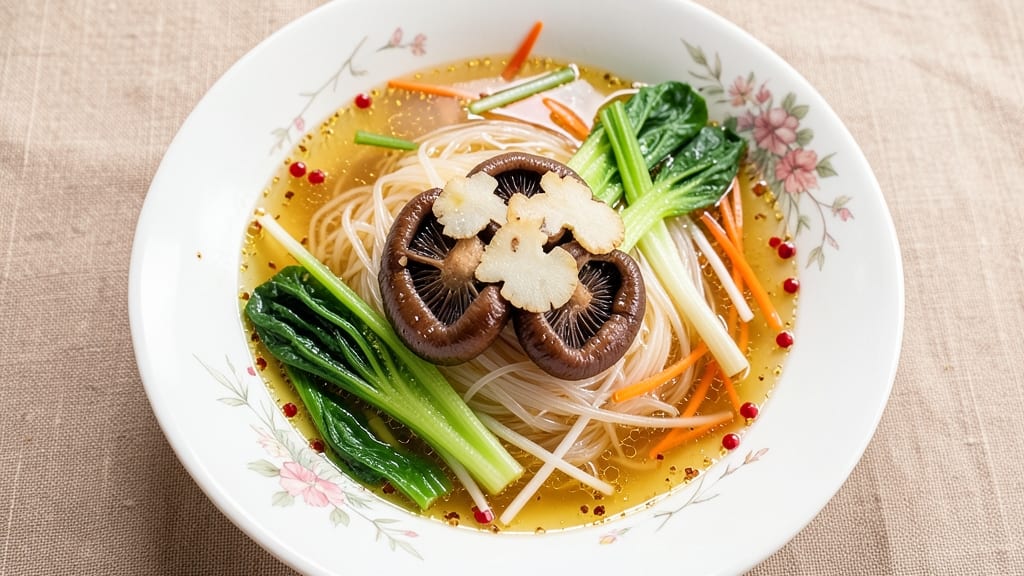
Bean thread noodles soup delivers that signature silky, slippery texture we all crave in every savory spoonful. This traditional Chinese dish transforms simple ingredients into a luxurious broth experience—no shortcuts, just authentic technique.
The key lies in perfectly cooked noodles that glide effortlessly against your spoon, paired with a rich, umami-packed broth that's both comforting and deeply flavorful.
What sets this recipe apart is the balance of texture and taste—crisp vegetables cut through the delicate noodles, while aromatic spices and fermented flavors build depth in the broth. Unlike many quick soups, this one rewards patience with layers of complexity that develop as it simmers.
The result? A bowl that feels like a hug, with every component working in perfect harmony.
We'll start with the noodles, where proper cooking transforms them from chewy to their signature slippery state, then build the broth using traditional methods that create that restaurant-quality depth. The finishing touches—fresh herbs and a drizzle of oil—elevate it from ordinary to extraordinary.
This is the kind of soup that disappears from bowls and leaves you reaching for seconds.
Perfect for chilly evenings or as a comforting meal any time of year, this bean thread noodles soup brings authentic Chinese flavors to your kitchen without requiring special equipment. The technique is straightforward once you understand the key steps, and the ingredients are simple to find.
Let's create a bowl that tastes like home, no matter where you are.
Ingredients for bean thread noodles soup
Simple ingredients transform into a luxurious, silky soup with restaurant-quality depth.
| Ingredient | Amount | Notes |
|---|---|---|
| Bean Thread Noodles (Dried) 🍜 | 8 oz | Freshly cooked to slippery texture |
| Dried Shiitake Mushrooms 🍄 | 4 whole | Rehydrated for umami depth |
| Baby Bok Choy 🥬 | 2 whole | Trimmed, cut into quarters |
| Carrots 🥕 | 2 medium | Julienned into matchsticks |
| Green Onions 🧅 | 3 whole | White and green parts separated |
| Fresh Ginger 🌿 | 1 inch | Thinly sliced, peeled |
| Garlic Cloves 🧄 | 4 cloves | Minced for aromatic base |
| Vegetable Broth 💧 | 6 cups | Homemade or quality store-bought |
| Light Soy Sauce 🍶 | 2 tbsp | For savory balance |
| Dark Soy Sauce 🍶 | 1 tbsp | For rich color |
| Sesame Oil 🫒 | 1 tbsp | For finishing aroma |
| Vegetable Oil 🫒 | 2 tbsp | For stir-frying |
| Coriander Seeds 🌶️ | 1 tsp | Toasted for nutty depth |
| Star Anise 🌟 | 1 whole | Removed after simmering |
| Fresh Cilantro 🌿 | ¼ cup | Chopped for garnish |
The noodles are the star—bean thread noodles need perfect cooking to achieve that signature slippery texture. Asian markets carry them in bulk, but check the 'cellophane noodles' section at regular grocery stores too. Look for strands that are uniform and free of breaks. The dried shiitake mushrooms add incredible umami—soak them in hot water for 20 minutes before using. For the bok choy, baby varieties are ideal, but regular heads work if you cut them into smaller pieces. The carrots should be julienned into thin matchsticks for even cooking.
No fresh ginger? Powdered works at half the amount—just toast it first for better flavor. Running short on vegetable broth? Mushroom broth intensifies the umami even more. The soy sauces are non-negotiable for authentic flavor—Kikkoman or Pearl River Bridge brands are reliable. For the sesame oil, toasted is best, but regular works in a pinch. The coriander seeds should be toasted in a dry pan until fragrant—about 1 minute—before grinding. Star anise adds depth but must be removed after simmering.
This soup tastes even better the next day—reheats beautifully with just a splash of water. Store in an airtight container for 4-5 days in the fridge, or freeze portions for up to 3 months. I always make extra because it disappears so fast. For serving, keep the cilantro and sesame oil separate until ready to eat—fresh herbs and oil lose flavor when mixed in ahead. Garnish with extra green onions for color and crunch.
Why You'll Love This Recipe
- No-Fuss Soaking: I swear by the 10-minute cold soak trick—just toss the dried noodles in hot water, let them sit, and they’re ready. No boiling, no waiting, no stress. That’s 20 minutes back in my day.
- Umami Bomb: The dried shiitakes? Absolute magic. They soak up water like sponges and turn into these meaty, savory clouds—no need for fancy broth. Add a splash of soy sauce, and suddenly you’ve got restaurant-level depth with zero effort.
- Lunchbox Hero: Between us, this soup is my go-to for meal prep. The noodles hold up perfectly in containers, and I can toss in extra bok choy or carrots for crunch. Pack it cold or reheat it—either way, it’s a hit with my kids (and me).
- Pantry Staple: Honestly, I make this when I’m broke or lazy—both work. Dried mushrooms, carrots, and green onions last forever, and the noodles? A dollar bag goes a long way. Feeds four for under $8, and I still feel fancy eating it.
Step-by-step instructions for silky slippery noodles in savory broth
Here's exactly how to transform dried bean thread noodles into restaurant-quality silkiness.
Rehydrate and Prepare the Base Ingredients
Begin by soaking the 8 oz bean thread noodles (dried) in warm water for 10 minutes until they soften slightly but remain firm. Drain and set aside. In a separate bowl, combine the 4 whole dried shiitake mushrooms with 6 cups vegetable broth and let them soak for 20 minutes to rehydrate fully.
While the mushrooms soak, prepare the aromatics: thinly slice the 1 inch fresh ginger, mince the 4 cloves garlic cloves, separate the 3 whole green onions into white and green parts, and julienne the 2 medium carrots into matchsticks. Toast the 1 tsp coriander seeds in a dry skillet over medium heat for 1 minute until fragrant, then grind lightly with a mortar and pestle or coffee grinder.
Build the Umami-Rich Broth
Heat 2 tablespoons vegetable oil in a large pot over medium-high heat. Add the white parts of the green onions, ginger, garlic, and ground coriander seeds, stirring constantly for 30 seconds until fragrant. Add the rehydrated shiitake mushrooms (sliced), carrots, and star anise, cooking for 2 minutes until the mushrooms release their moisture.
Pour in the 6 cups vegetable broth, scraping up any browned bits from the bottom of the pot. Bring to a gentle boil, then reduce heat to low and simmer uncovered for 15 minutes. This slow simmer allows the flavors to meld and the broth to deepen in richness. Remove and discard the star anise before proceeding.
Cook the Noodles to Perfect Slippery Texture
In a separate pot, bring 4 cups fresh water to a rolling boil. Add the drained bean thread noodles and cook for exactly 2 minutes—they should remain slightly firm but pliable. Drain immediately and rinse under cold water to stop the cooking process. This quick cook ensures they retain their signature slippery texture without becoming mushy.
The key here is timing. Overcooking will turn them into a paste, while undercooking leaves them chewy. You want them to hold their shape but still be tender enough to slide between your fingers when pressed gently.
Assemble and Finish the Soup
Return the cooked noodles to the pot with the simmering broth. Add 2 tablespoons light soy sauce, 1 tablespoon dark soy sauce, and the remaining green onion greens. Stir gently to combine, then simmer for an additional 5 minutes on low heat. The dark soy sauce will give the broth its signature rich color while balancing the lighter soy.
Just before serving, drizzle in 1 tablespoon sesame oil and toss gently. The sesame oil adds a nutty aroma that elevates the entire dish. Taste and adjust seasoning if needed—you might want to add a splash more soy sauce or a pinch of salt for balance.
Serve with Fresh Garnish
Ladle the soup into bowls and garnish immediately with 0.25 cup chopped fresh cilantro. The bright, citrusy notes of the cilantro cut through the richness of the broth and add a final layer of freshness. Serve with the baby bok choy quarters on the side for a complete meal—lightly blanch them for 1 minute in boiling water before serving to preserve their crisp texture.
Each bowl should deliver that signature slippery noodle experience with every bite, where the noodles glide effortlessly on your tongue. The broth should be aromatic, savory, and perfectly balanced—neither too salty nor too bland. Enjoy immediately while the noodles are at their peak texture.
Pro Tips For Making Bean Thread Noodles Soup
- SOAK NOODLES SEPARATELY: Dried bean thread noodles need a quick 10-minute soak in warm water (not boiling) to soften, but don’t let them sit too long—they’ll turn mushy. I used to toss them in with the broth, and they’d either stay rock-hard or disintegrate. Trust me, a quick rinse after soaking removes excess starch and keeps the soup clean.
- REHYDRATE MUSHROOMS FAST: Tear dried shiitake caps into uneven pieces—this speeds up rehydration without losing texture. I learned this the hard way after waiting 20 minutes for whole mushrooms to soften. A 15-minute soak in hot water (not boiling) does the trick, and you can use the soaking liquid for extra umami.
- CUT CARROTS THINLY: Thinly sliced carrots (about 1/8-inch) cook faster and absorb the broth’s flavor better than chunks. I used to dice them like potatoes, and they’d sit like rubber at the bottom. For this soup, they should melt into the broth—no one wants a crunchy surprise.
- ADD BOK CHOY LAST: Baby bok choy wilts in seconds—wait until the very end to toss it in, or you’ll end up with sad, limp leaves. I was skeptical at first, but it makes a real difference. A 30-second blanch in the hot broth keeps it crisp while the noodles finish cooking.
Flavor customization for these flavors
Spicy Chili Heat
For a bold kick, stir in 1 tbsp chili crisp (like Lao Gan Ma) or 1 tsp gochujang when assembling the soup. This adds a smoky, fiery depth that pairs beautifully with the noodles' silkiness.
For extra heat, add ½ tsp red pepper flakes to the broth during simmering. Balance with a squeeze of lime before serving to brighten the flavors. 🌶️
Citrusy Zing
Brighten the soup with 1 tbsp fresh lime juice or orange zest when serving. The citrus cuts through the richness of the broth and enhances the umami notes from the shiitake mushrooms.
For a sweeter twist, add 1 tsp honey or maple syrup to the broth during the final 5 minutes of simmering. Garnish with lime wedges for a refreshing finish.
Creamy Coconut Twist
Add a tropical flair by stirring in ½ cup coconut milk during the last 5 minutes of simmering. This creates a velvety texture that contrasts with the slippery noodles. For extra richness, use 1 can full-fat coconut milk and garnish with toasted coconut flakes.
This variation works especially well with a side of mango slices for a fusion-inspired meal.
Nutty Sesame Boost
Enhance the nutty depth by doubling the sesame oil to 2 tbsp and adding 1 tbsp toasted sesame seeds as a garnish. For a crunchy texture, lightly toast ½ cup peanuts in a dry pan until fragrant, then sprinkle over the soup.
This adds a satisfying contrast to the silky noodles and balances the broth's savory notes. 🌰
Herb-Infused Freshness
Swap out cilantro for fresh Thai basil or mint leaves to add a fragrant, herbal brightness. For a more complex flavor, mix 2 tbsp chopped basil with 1 tbsp chopped mint and garnish the soup.
The herbs should be added just before serving to preserve their vibrant flavors. Pair with a drizzle of chili oil for a perfect balance of fresh and spicy.
Smoky BBQ Fusion
Create a fusion twist by adding ½ cup BBQ sauce (like Sweet Baby Ray's) to the broth during the final 5 minutes of simmering. Stir in 2 tbsp smoked paprika for extra depth.
Top with pickled red onions and crumbled bacon bits (use vegan bacon for a plant-based version) for a smoky, tangy contrast to the delicate noodles. This variation is perfect for a hearty, flavor-packed meal. 🔥
Nutrition facts
Frequently asked questions
Why do bean thread noodles turn mushy when cooked?
Overcooking is the main culprit! These noodles cook in just 2 minutes—any longer and they'll break down into a paste. The secret is rinsing them in cold water immediately after cooking to stop the cooking process. Also, avoid stirring them while cooking, as this can break the delicate strands.
Can I substitute dried shiitake mushrooms with other mushrooms?
Fresh shiitake or cremini mushrooms work, but you'll need 8 oz fresh (about 4-5 mushrooms). Sauté them for 5 minutes before adding to the broth to develop their umami flavor. Avoid button mushrooms—they lack the depth that makes this soup special.
How do I make this soup spicier?
Add 1 tsp chili crisp or ½ tsp red pepper flakes to the broth during simmering. For smoky heat, stir in 1 tsp gochujang with the soy sauces. Always balance with a squeeze of lime or extra cilantro to keep the flavors bright.
Can I prepare this soup ahead of time?
Make the broth and cook the noodles separately, then store them in airtight containers for 4-5 days in the fridge. Reheat the broth gently, then add the noodles just before serving to maintain their slippery texture. For freezing, freeze the broth and noodles separately for up to 3 months.
What's the best way to serve this soup?
Garnish with fresh cilantro and a drizzle of sesame oil right before serving for maximum freshness. Pair with steamed baby bok choy on the side and serve with chopsticks to appreciate the noodles' signature slippery texture. For extra presentation, add a sprinkle of toasted sesame seeds or crushed peanuts.