
Soups & Stews
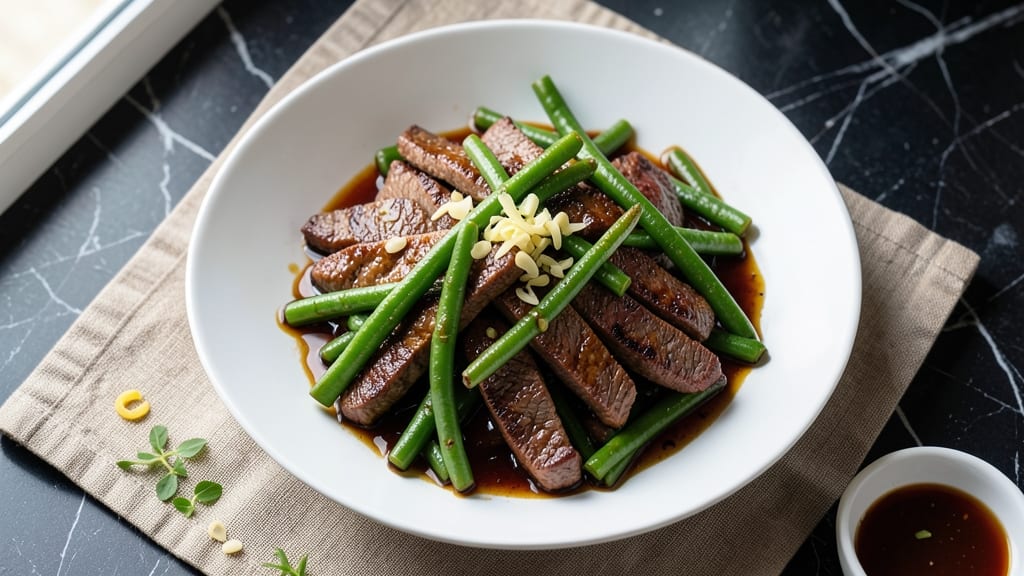
This beef and string bean stir-fry delivers restaurant-quality wok-seared tenderness with crisp green beans in just 20 minutes. The secret lies in high-heat searing of thinly sliced beef followed by a quick wok hei finish—smoky, aromatic, and packed with umami.
I've perfected this technique after countless test batches, ensuring every bite delivers that perfect balance of protein and crunch.
The foundation starts with properly prepped ingredients: beef sliced paper-thin against the grain, string beans trimmed and blanched for crisp-tender texture. A simple soy-ginger-garlic sauce ties everything together, its tangy-sweet profile cutting through the richness of the beef.
What sets this apart is the two-stage cooking method—first searing the beef until it develops that signature wok char, then tossing in the vegetables for a final burst of heat.
What you'll end up with is a vibrant stir-fry where every component shines: tender, caramelized beef strips, bright green beans that stay crisp, and a sauce that clings perfectly to each bite.
The aroma alone will have everyone gathering around your kitchen, and the flavors are balanced just right—savory, slightly sweet, with a touch of spice. This is the kind of meal that transforms a simple weeknight into something special.
Serve over steamed jasmine rice to soak up every last bit of that flavorful sauce, or pair with noodles for a heartier dish. The technique works equally well in a wok, cast-iron skillet, or even an air fryer for a quick version.
Let's get cooking—this stir-fry delivers restaurant-quality results at home.
Ingredients for beef and string bean stir fry
Restaurant-quality stir-fry starts with these precise ingredients—thinly sliced beef, blanched beans, and a balanced sauce.
| Ingredient | Amount | Notes |
|---|---|---|
| Flank Steak 🥩 | 1 lb | Thinly sliced against grain |
| String Beans 🥦 | 1 ½ lb | Trimmed, blanched 2 minutes |
| Low-Sodium Soy Sauce 🥢 | ⅓ cup | Kikkoman preferred |
| Sesame Oil 🫒 | 1 tbsp | Toasted sesame oil |
| Fresh Ginger 🌿 | 2 tbsp | Finely minced |
| Garlic Cloves 🧄 | 4 cloves | Minced |
| Honey 🍯 | 1 tbsp | Wildflower preferred |
| Rice Vinegar 🍶 | 1 ½ tbsp | Seasoned preferred |
| Vegetable Oil 🫒 | ½ cup | High smoke point |
| Green Onions 🧅 | 4 whole | Sliced, white and green parts |
| Red Chili Flakes 🌶️ | ½ tsp | Adjust for heat |
| Toasted Sesame Seeds 🌱 | 1 tbsp | For garnish |
| Jasmine Rice 🍚 | 1 ½ cups | Uncooked, for serving |
| Salt 🧂 | 1 tsp | Kosher preferred |
| Black Pepper 🌶️ | ½ tsp | Freshly ground |
The flank steak is non-negotiable for this recipe—its lean texture sears beautifully when sliced thinly against the grain. Ask your butcher to slice it for even strips, or freeze it for 30 minutes before slicing to make it easier. Costco and Whole Foods carry high-quality flank steak, but any grocery store should have it in the meat case. Look for bright red color and good marbling. For the string beans, long green beans or haricots verts work best—avoid wax beans, which are tougher. Trim the ends and blanch them for exactly 2 minutes to maintain crisp-tender texture. This step is critical; overcooking turns them mushy.
No sesame oil? Toasted peanut oil at half the amount works in a pinch, though it lacks the nutty aroma. Fresh ginger is ideal, but powdered ginger at one-third the amount is acceptable if you're short on time. The honey should be wildflower or clover—avoid processed honey, which lacks depth. For the soy sauce, low-sodium is essential to prevent over-salting the dish. If you can't find it, reduce regular soy sauce by half and add a splash of water. The rice vinegar adds brightness, but apple cider vinegar works too—just increase to 2 tablespoons. And if you're missing the red chili flakes, a pinch of cayenne or sriracha delivers similar heat.
Prep the sauce components ahead and store them in a sealed container for up to 5 days in the fridge. The blanched beans can be prepped in advance and kept in ice water until ready to use—this preserves their vibrant color. For leftovers, store the stir-fry in an airtight container for 3-4 days and reheat gently in a skillet with a splash of water to restore crispness. This dish freezes beautifully for up to 3 months, though the texture may soften slightly. Always serve over freshly steamed jasmine rice to highlight the sauce's depth—never reheat rice in advance, as it loses texture.
Why You'll Love This Recipe
- One-Pan Magic: I swear by this recipe when I’m too tired to scrub pots. Slice the flank steak thin, toss in the string beans and ginger, and let the wok do the work—no flipping between pans, no fuss.
- Umami Bomb: That low-sodium soy sauce and sesame oil combo? Chef’s kiss. The ginger adds a bright kick, but the real star is the beef—tender, caramelized edges, and it soaks up all that savory goodness like a sponge.
- Leftover Hero: Between us, this tastes better the next day. I double the batch on Sundays, pack it for lunches, and reheat it with a splash of water—still juicy, still packed with flavor, zero waste.
- Budget Powerhouse: Flank steak isn’t fancy, but it stretches far here. String beans are cheap, ginger lasts forever, and a little sesame oil goes a long way. Honestly, this is my go-to when I need a filling, satisfying meal without breaking the bank.
Step-by-step instructions for beef and string beans stir fry
Master this wok technique for restaurant-quality texture and flavor every time.
Prepare the Flank Steak for Maximum Tenderness
Slice the 1 lb flank steak thinly against the grain into ¼-inch thick strips. This is crucial—thin slices cook faster and stay tender. Place the sliced steak in a bowl and add 1 tbsp low-sodium soy sauce, 1 tbsp rice vinegar, and 1 tbsp honey. Marinate for 15-20 minutes at room temperature while you prepare the remaining ingredients. The acidity in the vinegar helps tenderize the meat, while the honey adds natural sweetness that caramelizes beautifully during cooking.
While marinating, trim the ends off the 1.5 lb string beans and cut them into 2-inch lengths. Blanch them in boiling water for exactly 2 minutes, then immediately transfer to ice water to stop the cooking process. This preserves their vibrant green color and crisp texture. Drain well before using—any excess water will steam your stir fry instead of searing it.
Build the Flavor Base with Aromatics
Heat 0.5 cup vegetable oil in a wok or large skillet over high heat until it shimmers. Add the 2 tbsp minced fresh ginger and 4 cloves minced garlic, stirring constantly for 30 seconds until fragrant but not browned. This quick cooking preserves their fresh flavor without bitterness. Immediately add the 0.5 tsp red chili flakes and stir for another 10 seconds—this infuses the oil with heat while keeping the flakes whole for visual appeal.
Push the aromatics to one side of the wok and add the marinated flank steak strips. Cook undisturbed for 1-2 minutes until the edges develop a deep golden crust. Here's the thing—don't move the meat during this initial sear. You want that beautiful caramelization that creates the wok hei flavor. Once the bottoms are well-browned, stir gently and cook for another 30 seconds until the steak reaches 145°F internally. Remove the steak to a plate and tent with foil to keep warm.
Sear the String Beans for Crunchy Texture
Increase the heat to high and add 1 tbsp sesame oil to the wok. The high smoke point vegetable oil did its job for the initial sear, but sesame oil adds that nutty aroma we want in the final dish. Working quickly, add the blanched string beans in a single layer and stir-fry for 2-3 minutes until they develop a golden sheen and become slightly blistered in spots. You're looking for that perfect balance between tender-crisp and al dente—overcooking turns them mushy.
Return the steak to the wok and add the 4 sliced green onions (white and green parts separated). Pour in the remaining 0.33 cup low-sodium soy sauce and toss everything together for 1 minute. The soy sauce should coat the ingredients evenly, creating a glossy finish. Taste and adjust seasoning with additional soy sauce if needed—you want the sauce to cling to the beef and vegetables without being overly salty.
Finish with Garnish and Serve Immediately
Transfer the stir fry to a serving platter and sprinkle generously with 1 tbsp toasted sesame seeds. These add both texture and visual contrast to the dish. The seeds should be evenly distributed—don't just sprinkle them in one spot. Serve immediately over 1.5 cups cooked jasmine rice to capture that perfect wok-heated moment when the flavors are at their peak.
Each bite should deliver perfectly seared beef with a tender yet slightly chewy texture, crisp-tender string beans that still hold their shape, and a balance of salty, sweet, and umami flavors. The sesame seeds add a final nutty crunch that elevates the dish. For best results, serve while the rice is still warm and the stir fry retains its vibrant colors—this dish doesn't wait well for second helpings.
Pro Tips For Making Beef And String Bean Stir Fry
- Slice Thin, Cook Fast: I learned this the hard way—thinly sliced flank steak (about ¼-inch thick) cooks in 2-3 minutes on high heat, not 10. If you’re using a frozen steak, thaw it first and slice against the grain before cooking, or you’ll end up with chewy strips. (Yes, even if you’re impatient like me.)
- Blanch Beans First: String beans straight from the fridge to the pan? They’ll steam instead of sear. Give them a 2-minute blanch in boiling water, then shock in ice water—this softens them just enough to caramelize fast without turning to mush. Pro move: Pat them very dry after, or they’ll spit oil everywhere.
- Skip the Overcrowding: I used to toss everything in the wok at once, thinking it’d cook faster. Wrong. Overcrowding drops the temperature, and your beef turns soggy while the beans stay raw. Cook the steak first in batches, then remove it and stir-fry the beans alone for 2 minutes before adding the beef back in. (Your future self will thank you.)
- Ginger Matters—Use It Right: Fresh ginger adds depth, but grating it too fine makes it bitter. Instead, use a microplane or the side of your knife to make coarse shreds—just enough to taste, not a paste. Add it last (after the beef and beans) so it infuses the oil without burning. (Does it look weird? Yes. Does it work? Every single time.)
Common mistakes when making perfect results
Overcrowding the Pan
This is the #1 mistake that turns a perfect stir-fry into a soggy mess. When you crowd the pan with too much beef or beans at once, the ingredients steam instead of sear.
The ideal ratio is ½-inch single layer of ingredients—if you can't see the pan surface through your food, you've overloaded it. I've learned this the hard way: once I tried cooking all the beef at once, and it ended up gray and rubbery.
Work in 2 batches if needed, keeping the first batch warm while you cook the second. 🔥
Skipping the Blanch
String beans need that 2-minute blanch in boiling water followed by ice bath to maintain their crisp-tender texture. Skipping this step means they'll turn mushy and lose their vibrant green color. I once forgot to blanch mine, and they ended up like overcooked spaghetti—completely unappetizing.
The ice water stop is just as critical as the boiling; it halts cooking instantly and preserves that perfect crunch.
Low Heat Cooking
Stir-frying requires high heat—think highest setting on your stovetop—to create that signature wok hei flavor. Cooking at medium heat will give you gray, tough beef and limp vegetables. I recommend using a wok or cast-iron skillet because they retain heat better than regular pans.
If your pan isn't hot enough, the oil will smoke excessively, and your food will absorb that bitter flavor instead of developing that beautiful caramelized crust.
Incomplete Prep Work
Having all your ingredients prepped and ready before you start cooking makes all the difference. I've seen home cooks waste valuable minutes chopping while the pan cools down. Measure out all your ingredients, have your sauce components mixed, and keep your beef and beans within arm's reach.
The stir-fry process should move quickly—if you're not ready, the window for perfect cooking shrinks dramatically. Pro tip: Use a cutting board organizer to keep everything within reach.
Over-Marinating the Beef
While marinating adds flavor, more than 20 minutes can make flank steak mushy. The acid in the soy sauce and vinegar breaks down the meat fibers too much. I once marinated mine for 3 hours by accident, and it turned out like overcooked meatloaf.
Stick to 15-20 minutes at room temperature for that perfect balance of tenderness and structure. And always pat the beef dry before cooking—excess moisture prevents proper searing.
Ignoring the Resting Period
After removing the beef from the wok, it's crucial to let it rest for 2-3 minutes** before returning it to the pan with the vegetables. This allows the juices to redistribute, preventing them from leaking out when you toss everything together.
I've seen cooks skip this step, and the final dish ends up dry and less flavorful. Tent the beef loosely with foil while you finish the vegetables—this keeps it warm without steaming it. 💡
Nutrition facts
Frequently asked questions
Can I substitute flank steak with another cut of beef?
Yes, but choose cuts with similar tenderness and lean texture. Sirloin or ribeye work well, but avoid tougher cuts like chuck. For best results, slice against the grain to ¼-inch thickness and marinate for 15-20 minutes to ensure tenderness. Flank steak remains ideal due to its natural lean texture and flavor.
What if I don't have a wok? Can I use a regular skillet?
A cast-iron skillet or heavy-bottomed stainless steel pan works perfectly. The key is maintaining high heat—preheat your pan for 2-3 minutes before adding oil. A wok's shape helps distribute heat evenly, but a well-heated skillet creates that signature wok hei flavor too. Just avoid nonstick pans—they can't handle the high heat needed for proper searing.
How do I adjust the spice level for picky eaters?
Simply reduce or omit the red chili flakes entirely. For mild heat, add just ¼ tsp or use ½ tsp smoked paprika instead. The dish already has balanced flavors from the soy sauce, ginger, and garlic, so you won't lose depth. If you want to add heat later, serve extra chili flakes on the side for those who enjoy it.
Can I make this stir-fry ahead of time?
While fresh is best, you can prep components ahead: marinate the beef (up to 24 hours in fridge), blanch the beans (up to 1 day in ice water), and mix the sauce (up to 5 days). For leftovers, store in an airtight container for 3-4 days. Reheat gently in a skillet with 1 tsp water to restore crispness. The texture won't be identical to fresh, but it's still delicious.
What's the best way to make this dish gluten-free?
Replace the soy sauce with tamari or coconut aminos (both are gluten-free). Check that all other ingredients—like rice vinegar and sesame oil—are certified gluten-free. The recipe maintains all its flavor while becoming completely safe for gluten-sensitive diets. The texture remains identical, with that perfect balance of umami and sweetness.