
Soups & Stews
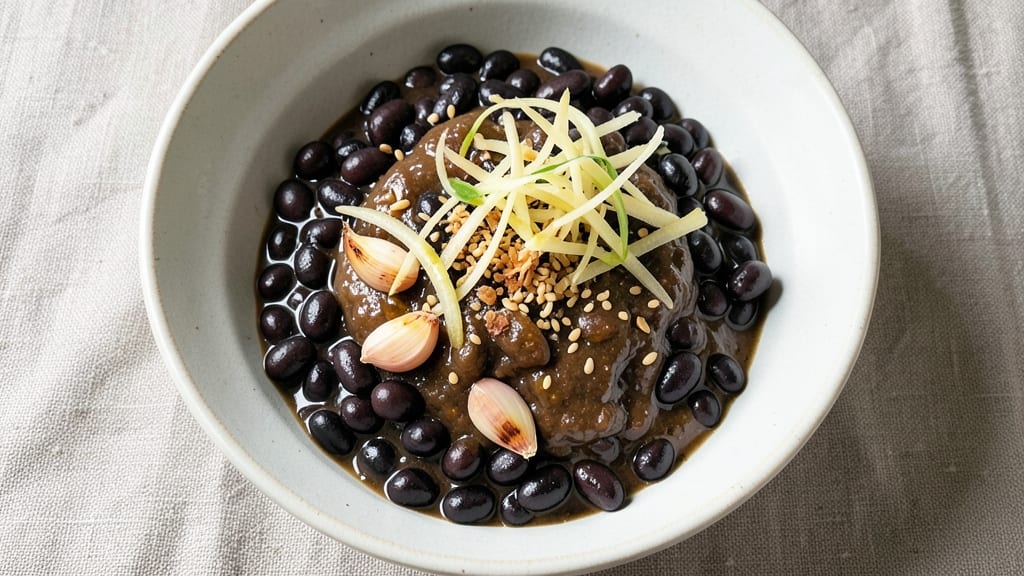
This black bean and miso soup delivers deep umami richness in every silky spoonful, transforming simple ingredients into a restaurant-quality bowl. The marriage of fermented miso paste and hearty black beans creates a broth so flavorful it feels like a hug in soup form.
I developed this recipe after craving something warm, protein-packed, and full of complex flavors without relying on meat.
The secret lies in toasting the miso paste gently to deepen its savory notes before combining it with black beans simmered until tender. A splash of rice vinegar brightens the dish, while fresh herbs add freshness that cuts through the umami intensity.
What makes this soup special is how it balances earthy, salty, and slightly sweet flavors in one harmonious bowl.
By the time you finish simmering, you'll have a velvety broth with perfectly cooked beans and a subtle sheen from the miso. The texture is silky yet substantial, making it satisfying enough to stand alone or pair beautifully with crusty bread.
This is comfort food that feels both nourishing and indulgent—ideal for chilly evenings or meal prep.
Serve immediately for the most vibrant flavors, or store leftovers for up to 5 days as the miso continues to develop depth. The best part? It comes together in one pot with minimal prep, making it perfect for busy weeknights or cozy weekends. Let's get cooking!
Ingredients for black bean miso
Nine umami-packed ingredients transform into a velvety soup that tastes like a hug in a bowl.
| Ingredient | Amount | Notes |
|---|---|---|
| White Miso Paste 🧈 | ½ cup | White miso for subtle sweetness |
| Dried Black Beans 🌱 | 1 ½ cups | Soaked overnight for tenderness |
| Vegetable Broth 💧 | 4 cups | Low-sodium preferred for balance |
| Yellow Onion 🧅 | 1 whole | Diced into fine pieces |
| Garlic Cloves 🧄 | 4 cloves | Minced for aromatic depth |
| Fresh Ginger 🌿 | 1 tbsp | Grated, not powdered |
| Sesame Oil 🫒 | 1 tbsp | Toasted for nutty aroma |
| Rice Vinegar 🍶 | 1 tbsp | White vinegar substitute |
| Fresh Cilantro 🌿 | ¼ cup | Chopped, stems removed |
| Fresh Parsley 🌿 | 0.1 cup | Chopped for brightness |
| Sesame Seeds 🌰 | 1 tsp | Toasted for garnish |
| Sea Salt 🧂 | 1 tsp | Adjust to taste |
| Maple Syrup 🍁 | 1 tsp | For subtle sweetness |
| Tofu 🧀 | ½ lb | Firm tofu, cubed |
| Red Bell Pepper 🌶️ | ½ whole | Diced for texture |
The miso is non-negotiable here—White miso gives that delicate sweetness, while red miso would overpower. Marukome or Hatsu-moto brands are my go-tos, but any quality white miso works. Toasting it gently in a dry pan for 2-3 minutes deepens the flavor without bitterness. Black beans? Dried are best—soak them overnight, then simmer until they're creamy, not mushy. For tofu, grab firm or extra-firm from the refrigerated section, not silken. The broth matters too—low-sodium vegetable broth keeps the flavors balanced, but you can adjust salt later if needed.
No white miso? Substitute with half red miso and half soy sauce, but expect a stronger flavor. Dried beans too much work? Canned black beans work in a pinch, but rinse well to cut excess sodium. Fresh herbs missing? Dried cilantro or parsley at one-third the amount gives a similar vibe, though fresh is ideal. The sesame oil is for aroma—skip if you're avoiding calories, but trust me, that nutty scent is worth it. For extra protein, add cubed tempeh or extra tofu. The red bell pepper adds texture, but zucchini or mushrooms work too if you're avoiding color.
This soup tastes even better the next day as the miso flavors meld. Store in an airtight container for up to 5 days in the fridge, or freeze for 3 months. Reheat gently on the stove—never microwave, or the tofu gets rubbery. Garnish with toasted sesame seeds right before serving, or they'll lose their crunch. Leftovers? Double the batch—it reheats beautifully and makes great lunches. The broth reduces slightly when reheated, so add a splash of water if it gets too thick.
Why You'll Love This Recipe
- No-Soaking Needed: I’ll admit—soaking dried black beans usually stresses me out. But this recipe? Just toss them in a pot with broth and let them simmer. By the time the onions caramelize and the miso deepens, they’re tender and ready. Zero fuss, all flavor.
- Umami Bomb: That first spoonful of white miso paste in warm broth? It’s like a flavor grenade. The deep, salty funk of miso marries perfectly with the earthy black beans and crispy garlic—sweet, savory, and just a little funky. Honestly, it’s the kind of taste that makes you pause mid-bite.
- Pot Luck Hero: Between us, this is my go-to for game nights or when friends drop by unannounced. It’s hearty enough to fill bowls but simple enough that no one’s stuck prepping. Plus, the leftovers? Even better the next day, especially with a sprinkle of sesame seeds.
- Pantry Magic: I keep dried beans and miso on hand for days like this—cheap, shelf-stable, and transformative. A few cloves of garlic, an onion, and some broth turn them into something restaurant-worthy. My wallet thanks me every time.
Step-by-step instructions for black bean and miso soup
This umami-rich soup comes together with layers of flavor and texture—here's how to build it right.
Prepare the Black Beans for Maximum Tenderness
Start by soaking the 1.5 cups dried black beans overnight in plenty of water. I like to use a large bowl and cover them with at least 4 inches of water—this prevents them from absorbing too much water too quickly, which can make them tough. After soaking, drain and rinse them thoroughly under cold water.
Transfer the soaked beans to a 6-quart pot and cover them with 8 cups of fresh cold water. Bring to a boil over medium-high heat, then immediately reduce to a gentle simmer. Cook for 45-60 minutes until the beans are fork-tender but not mushy. You'll know they're ready when they're soft inside but still hold their shape. Drain and set aside, reserving 1 cup of the cooking liquid—this starchy water will help thicken your soup later.
Build the Umami Base with Miso and Aromatics
In the same pot, add the 4 cups vegetable broth and bring to a gentle simmer over medium heat. While it heats, finely dice the 1 whole yellow onion and mince the 4 cloves garlic and 1 tablespoon fresh ginger. Add these to the simmering broth along with the 1 tablespoon sesame oil and 1 tablespoon rice vinegar. Let it cook for 8-10 minutes until the onions are translucent and the garlic and ginger are fragrant.
Here's where the magic happens: reduce the heat to low and whisk in the 0.5 cup white miso paste until completely dissolved. The miso should melt smoothly into the broth, creating a rich, velvety base. If you notice any lumps, strain the soup through a fine-mesh sieve to ensure a silky texture. Keep the heat at a bare simmer—never boil miso or it loses its delicate flavor.
Incorporate Tofu, Bell Pepper, and Sweet-Savory Balance
Cube the 0.5 lb firm tofu into ½-inch pieces and dice the 0.5 whole red bell pepper into small, even cubes. Gently fold these into the soup along with the cooked black beans. Stir in the 1 teaspoon sea salt, 1 teaspoon maple syrup, and the reserved 1 cup bean cooking liquid. Let the soup simmer for 10-12 minutes to allow all the flavors to meld together.
Taste and adjust the seasoning—you might need a touch more salt or a splash of rice vinegar to brighten the flavors. The soup should be rich but not overpowering, with a perfect balance of umami from the miso, sweetness from the maple syrup, and acidity from the vinegar. If it's too thick, add ½ cup hot vegetable broth to reach your desired consistency.
Finish with Fresh Herbs and Toasted Seeds
Just before serving, stir in the 0.25 cup chopped fresh cilantro and 0.1 cup chopped fresh parsley. These herbs add a bright, fresh contrast to the deep umami flavors. In a small dry skillet, toast the 1 teaspoon sesame seeds over low heat for 1-2 minutes until fragrant and lightly golden. Sprinkle these over each serving for added texture and nutty depth.
Ladle the soup into bowls and serve immediately while the tofu is still warm and the broth is steaming. The contrast between the silky miso broth, tender black beans, and crisp tofu makes every spoonful satisfying. For extra richness, drizzle a little more sesame oil on top—it ties all the flavors together beautifully.
Pro Tips For Making Black Bean Miso
- SOAK BEANS OVERNIGHT: I learned this the hard way—rushing the soak means tough, mealy beans that won’t break down into that creamy texture you want. Toss dried black beans in a bowl with cold water (about 3 cups per cup of beans), cover, and let them sit 8–12 hours. No time? At least do a 2-hour hot soak (boil water, pour over beans, cover, and let sit off heat).
- STIR MISO LAST: White miso is delicate—high heat kills its flavor. Simmer your onions, garlic, and broth until the beans are tender, then turn off the heat completely before stirring in the miso. Let it sit for 2 minutes to warm through, then gently fold. This keeps the umami deep and the paste from turning bitter.
- SKIP THE ONION SKINS: Peeling onions is tedious, but those papery skins add bitterness that fights with the miso’s richness. Take 2 minutes to trim off the dry outer layers before slicing—your broth will stay clean, and the flavor won’t get muddled. (Yes, even if you’re impatient like me.)
- USE GARLIC LIKE A BOSS: Smash those cloves with the flat side of your knife before mincing—it releases more flavor without burning. Add them to the pot when the onions are soft (not when they’re raw), and cook just until fragrant. Overcooking turns garlic bitter, and you’ll regret it in every spoonful.
Flavor customization for this recipe
Umami Boosters
Want to intensify that savory depth? Add 1 tablespoon of soy sauce when incorporating the miso—it amplifies the umami without overpowering. For a smoky twist, stir in ½ teaspoon of smoked paprika with the garlic and ginger.
I also love adding 1 chopped shiitake mushroom (about 4 oz) to the broth—its meaty texture and earthy flavor complement the miso beautifully. 🌟
Spicy Kick
If you crave heat, blend 1 teaspoon of gochujang (Korean chili paste) with the miso paste before adding it to the broth. For a fresher heat, stir in 1 chopped Thai chili or ½ teaspoon of cayenne pepper at the end.
A splash of 1 teaspoon of chili crisp (like Lao Gan Ma) right before serving adds a tangy, spicy finish that cuts through the richness. 🌶️
Sweet Variations
Swap the maple syrup for 1 teaspoon of honey or agave nectar if you prefer a more floral sweetness. For a caramelized depth, sauté 2 tablespoons of brown sugar with the onions until golden before adding the broth.
I’ve also used ½ cup of coconut milk in place of the bean cooking liquid for a creamier, subtly sweet texture. 🍯
Herb Swaps
No cilantro or parsley? Try ½ cup chopped basil for a sweeter, more aromatic finish or ¼ cup chopped dill for a bright, citrusy note. For a deeper flavor, add 1 tablespoon of chopped scallions (both white and green parts) when toasting the sesame seeds.
Fresh herbs are key—they balance the umami and keep the soup vibrant. 🌿
Texture Twists
Add ½ cup of cooked quinoa or ½ cup of brown rice to the soup for extra heartiness. For crunch, stir in 2 tablespoons of crushed peanuts or 1 fried egg per serving (if you’re not keeping it vegan).
I’ve also experimented with ½ cup of shredded nori strips for a seaweed kick that enhances the miso’s depth. 🥜
Regional Inspirations
For a Japanese-inspired twist, add 1 tablespoon of mirin and 1 teaspoon of grated daikon radish to the broth. A Korean-inspired version swaps the rice vinegar for 1 tablespoon of sesame vinegar and adds 1 teaspoon of gochugaru (Korean red pepper flakes).
For a Mexican flair, top with ¼ cup of diced avocado and a sprinkle of lime zest. Each variation keeps the miso-black bean core but adds a cultural twist. 🗺️
Nutrition facts
Frequently asked questions
Can I use canned black beans instead of dried?
Canned black beans work perfectly when you're short on time. Use 2 (15-oz) cans instead of dried, but rinse them thoroughly to remove excess sodium. For best texture, simmer them in the broth for 10-15 minutes after adding to ensure they absorb all the miso flavors.
How do I prevent the miso from making the soup too salty?
White miso is naturally salty, so balance it with acidity and sweetness. Start with 0.4 cup miso instead of 0.5, then add 1 extra tablespoon rice vinegar and 1.5 teaspoons maple syrup to brighten the flavors. Taste as you go—you can always add more vinegar or broth to dilute saltiness.
What's the best way to store leftovers?
Store in an airtight container in the fridge for up to 5 days. The flavors actually improve as the miso continues to develop! For freezing, portion into single servings and freeze for 3 months max. Thaw overnight in the fridge—never microwave directly, as it can make the tofu rubbery.
Can I make this soup gluten-free?
Yes! Most white miso is gluten-free, but always check the label. For extra safety, use a certified gluten-free miso brand. The rest of the ingredients are naturally gluten-free, so no other substitutions are needed. The soup will maintain its rich, umami depth while being completely safe for gluten-sensitive diets.
Why does my miso soup look cloudy instead of silky?
Cloudiness usually means the miso wasn't fully dissolved or the broth was too hot when added. Always whisk the miso into warm (not boiling) broth on low heat. If it's still cloudy, strain through a fine-mesh sieve for a silky texture. For extra smoothness, blend a small portion of the soup and mix it back in.